




US Open
Tate McRae hit the Blue Carpet on Day One of the 2026 US Open at USTA Billie Jean King National Tennis Center on Sunday, August 30, 2026 in Flushing, NY.
0 Comments
Tate McRae hit the Blue Carpet on


Tate McRae hit the Blue Carpet on Day One of the 2026 US Open at USTA Billie Jean King National Tennis Center on Sunday, August 30, 2026 in Flushing, NY.
Tate McRae hit the Blue Carpet on

The Dolly Parton estate has announced the first large public programs honoring the life and music of the late superstar, with events titled “DollyFest: The Celebration of a Lifetime” set to take place in Nashville and London on successive weekends in 2027.
Dates have not yet been announced for the two-day festivals. The estate said that a DollyFest had already been planned for Nashville in January 2027, with the artist’s participation, and now will go on in her memory, with the addition of a separate London event.
This may be the closest that Parton fans get to a public memorial, as Danny Nozell, her longtime business partner and founder/CEO of CTK Enterprises, noted in a statement that “as far as a traditional memorial goes, that is not something Dolly wanted.”
An announcement for the festivals says that “what was originally planned as a multi-artist event for January 2026 in Nashville and intended to feature Parton as performer and host will now morph into a global double-day, double-weekend, double-continent party of a lifetime.”
Nozell said that the original plan had been to hold an event on her birthday this past Jan. 19. “What Dolly started, we will ensure is brought to life. Many people behind the scenes know that DollyFest is a dream of Dolly’s that was intended to take place on her 80th birthday in Nashville. We had the venue booked and we had the announcement ready to go. And then, in August 2025, Dolly had to take a step back after her initial health challenges. A lot of people always say, WWDD (What Would Dolly Do?), and, well, at this moment, DollyFest is WDWD (What Dolly Would Do!).”
Nozell suggested that the estate will not stand in the way of the many Parton tributes and memorials that are inevitable for this fall, but that this represents the estate’s official commemoration of her life, believing that she would want to be remembered via a festival more than any more solemn public occasion.
“We are not discouraging people from celebrating Dolly in the ways they choose,” he said. “However, as far as a traditional memorial goes, that is not something Dolly wanted. So, instead, it feels more appropriate for us to take a beat, let all the tributes that immediately make sense occur naturally, and then, see through this festival-style concept that was truly dreamed up by Dolly. This is something that is authentic to her, something that feels right to me, and something that artists and fans around the world can participate in, while also giving everyone time to grieve, and giving everyone time to plan.”
Details about the two festivals will be forthcoming soon, the estate said.
The Dolly Parton estate has announced the
In a last minute addition, the Toronto International Film Festival announced on Monday that filmmaker Zack Snyder’s new movie “The Last Photograph” will have its world premiere at the festival in September.
The drama will debut on on Sunday, Sept. 13, in the John Bassett Theatre.
Snyder’s film, which he made independently and is seeking distribution, stars Stuart Martin (“Army of Thieves”), Fra Fee (“Hawkeye”) and Costanza Andrade (“Game Over”) follows “an ex-DEA agent seeking revenge in a South American jungle where dangerous terrain and inner demons intermingle,” according to the official synopsis.
Snyder has been developing “The Last Photograph” since the 2000s, before he spent nearly a decade in the DC universe directing “Man of Steel,” “Batman v. Superman: Dawn of Justice” and “Justice League” and spearheading other DC movies as a producer like “Wonder Woman.”

“300” scribe Kurt Johnstad wrote the screenplay for “The Last Photograph” based on a story by Snyder, who serves as producer and his own cinematographer on the project.
Producers are Deborah Snyder, Gianni Nunnari Wesley Coller. Executive producers are Alessandro Salem, Kurt Johnstad, William Doyle, Juan Pablo Solano and Simón Beltrán.
Snyder’s regular collaborator Hans Zimmer composed the score alongside Omer Benyamin and Steven Doar.
After his time in the DC universe, Snyder made three movies for Netflix — 2021’s “Army of the Dead” and the two-part sci-fi epic “Rebel Moon” that was released in 2023 and 2024.
In a last minute addition, the Toronto
I still think back to the first time I triggered a progressive multiplier that surged past 20x during a free spins round https://bof.co.at/slots/. My heart was pounding, the reels were spinning faster than my brain could process, and the balance counter ticked upward like a rocket launch countdown. That moment converted me from a casual spinner into a devoted multiplier chaser. Progressive multipliers aren’t just a flashy feature—they’re the engine that turns a modest bonus round into a life-changing win. When I review a slot, I don’t only consider the base game or the graphics. I seek those rare systems where the multiplier builds relentlessly, refuses to reset, and rewards patience and nerve in equal measure. The difference between a forgettable slot and one that keeps me up at night often comes down to how the multiplier behaves. Does it climb with every cascade? Does it lock in place during a respin frenzy? Does it call for an ante bet, or does it give you unlimited growth? In this piece, I’ll walk you through the hidden craft behind great progressive multipliers—what I’ve learned from thousands of spins, the math beneath the glitz, and the providers who consistently deliver pulse-racing action. If you’re ready to chase wins that make your hands tremble, let’s step into the glowing heart of modern slot design.
When I discuss progressive multipliers, I don’t mean the static 2x or the 3x symbols that sometimes appear in a paytable. I’m explaining a dynamic system that increases according to your actions during a defined round. Usually, these multipliers increase with each straight win, every cascade, or each collected scatter symbol. The defining characteristic is the fact that they do not reset between spins within the feature. I’ve encountered multipliers that initiate at 1x and increase by +1 for each tumbles, and I’ve experienced slots where the multiplier jumps by greater increases when you get special booster symbols. The adrenaline is hard to express because you can physically see the potential of your next win amplifying. Every fresh cascade feels like a step closer to a massive win. The core mathematics is often tied to a higher variance design, which means you could wait longer for the bonus to activate, but when it hits, the reward can be massive. Outstanding progressive multipliers are obvious in their mechanics. I need to see a distinct multiplier counter on the screen, glowing and growing, so I understand perfectly what’s at risk. The top implementations also add a strategic element: do you purchase the feature, raise your bet for boosted multipliers, or grind it out naturally? I’ve discovered that games that merge a progressive multiplier with a tumbling reels mechanism create a ideal combination of anticipation, as every individual tumble could be the one that drives the multiplier into the stratosphere and pairs it with a lucrative symbol lineup.
Over the years, I’ve formed firm opinions about which developers really grasp progressive multipliers. It’s not enough to slap a growing number on the screen; the integration with the game’s theme, pacing, and payout structure must be tight, almost invisible. I’ve seen studios attempt it and fail, resulting in messy bonus rounds where the multiplier feels pointless. But a handful of developers reliably deliver the goods. They’ve mastered the art of making every spin feel like it could be the one that changes everything. I’m going to break down the standouts, because if you’re looking for the cream of the crop, these are the names you need to know. Their approaches vary greatly, from the volatile cascade kings to the steady, builder-style trails. Each adds a unique flavor to the party, and I’ve celebrated massive wins on slots from all of them.
When I think about the absolute masters, three names instantly appear. Firstly, Pragmatic Play has established a reputation on the back of their cascade multipliers, most prominently in slots where the multiplier grows endlessly during free spins and remains active. Their skill to generate anticipation with every tumble is an effect I have not witnessed anywhere else. Then there’s Nolimit City, who seize the notion and inject it with pure adrenaline, often combining sky-high multipliers with edgy, dark aesthetics and a volatility level that could overwhelm you. Finally, I have to note ELK Studios, who bring a level of mathematical elegance and bonus-buy options that let me jump straight into the multiplier action. There are other strong contenders, of course, but these three consistently push the boundaries of what a progressive multiplier can deliver.
I need to mention Pragmatic Play because their multiplier mechanics have become the gold standard. In numerous iconic slots, the free spins feature commences with a 1x multiplier, and every winning tumble boosts it by 1x with no upper limit. I have reached multipliers over 100x during a single bonus round, and the feeling is unbelievable. The genius lies in the simplicity. There’s no confusing trail, no hidden rules—just a clean, visible multiplier meter that rises with every cascade. Combined with their high-paying symbol sets and the regular appearance of multi-symbol reels, these games can deliver base-game hits that rival other studios’ bonus rounds. I also like that they often include an ante bet option that doubles the probability of triggering the feature, which is ideal for players like me who choose to chase the multiplier frenzy straight. Their portfolio is a masterclass in creating a loyal following around a single, perfectly executed mechanic.
Not all growing multipliers are built the same, and I’ve fallen into sufficient traps to understand what to look for. The greatest red flag is a multiplier that clears between every spin during a bonus round. I’ve tried slots that promoted a “progressive” multiplier, but the fine print showed it only applied to a individual cascade sequence and then went back to 1x. That’s not a real progressive multiplier in my opinion; it’s a cascading win multiplier with a deceptive name. Another pitfall is a multiplier cap that’s set too low. If a game claims a progressive multiplier but limits it at 10x, I’m instantly skeptical. The thrill of a progressive mechanic is closely tied to its maximum ceiling. A low cap eliminates the sense of infinite possibility. I’ve also been scathed by slots where the multiplier only counts to particular symbols or lines, greatly reducing its impact. The math might seem similar on paper, but in practice, I’ve seen huge multiplier numbers connected to tiny wins, which is a disappointing experience. I always recommend trying a slot in demo mode to understand the multiplier’s actual behavior before investing real money. The below points summarize the warning signs I never dismiss:
I can’t stress adequately how crucial the link between RTP, volatility, and progressive multipliers is. A slot with a huge multiplier capability can seem irresistible, but if the math model is harsh, you’ll hardly ever see it hit. I always examine the payout percentage and the risk factor before I jump in. High-variance slots with progressive multipliers often reserve their payout potential in those uncommon elite bonus rounds. The base game may seem like a grind, but the allure of a 10,000x or greater multiplier holds my interest in the game. I’ve learned that slots with higher RTPs, generally around 96.5% or above, provide me with more playtime and a better chance of reaching the bonus round without depleting my balance. The multiplier by itself might be marginally lower, but the frequency of triggering it compensates. Conversely, some welt.de ultra-high-volatility slots with RTPs around 94% can deliver multipliers that go beyond 50,000x, but you could require thousands of spins to see it. As a reviewer, I weigh these factors thoroughly. I want a progressive multiplier that feels achievable, not just a hypothetical number on a marketing sheet. The leading developers are open about these stats, and I always recommend that you check the game info before spinning. The underlying dance between RTP and multiplier caps is where the real magic—or the genuine disappointment—lives.
I’m a major advocate for the ante bet feature when it’s tied to progressive multipliers. Many of the leading slots now provide a checkbox that increases your stake by a percentage—usually 25% to 50%—in exchange for a considerably higher chance of starting the bonus round or an enhanced multiplier during the feature. I’ve calculated the numbers on this, and for a user like me who favors the thrill of the multiplier chase, the ante bet is often worth the extra cost. It effectively shifts the game’s math model slightly, increasing the frequency of the feature while keeping the same RTP range. Some slots take it even further by presenting a “bonus buy” option, where you wager a fixed multiple of your base bet—say 100x—to jump directly into the free spins. This is where I can directly experience the progressive multiplier without the base-game grind. I’ve utilized bonus buys to check a slot’s multiplier potential rapidly, and the results have been eye-opening. I’ve seen multipliers rise to 500x in one bought round and drop at 2x in another. The key is to review the paytable closely. Some games include an extra multiplier boost to the feature when you activate the ante bet, rendering the bonus round even more unpredictable. I always verify the enhanced RTP and the particular multiplier rules before I enable it. When applied wisely, the ante bet converts a casual session into a focused multiplier expedition.
Among of my favorite variants is the multiplier trail, a visible path that signals your progress during a bonus round. Instead of simply a number ticking up, you get a board-game-like journey where each step reveals a higher multiplier and frequently awards extra free spins. I’ve spun slots where the trail has 20 steps, and reaching the final position means you’ve converted a typical 5x multiplier into a monstrous 50x. The psychology driving this design is genius. You’re not just waiting for a win; you’re energetically moving forward, accumulating tokens or hitting special symbols that nudge you closer to the final prize. This mechanic keeps me engaged even amid a series of dead spins because the trail carries the promise of future glory. I’ve observed that the best multiplier trails also include protections, like a assured minimum win or a retrigger at certain checkpoints. It’s a fine balance between risk and reward. When the trail is too easy to complete, the anticipation fades quickly. Should it’s unattainably steep, frustration begins. The top-tier developers calibrate the trail so that attaining the final multiplier gives the sense of a genuine achievement, not simply a random gift. As I’m assessing a slot, a well-designed multiplier trail is a huge plus. It indicates me the studio focused on the player’s journey, not just the math model. The graphical feedback of a glowing trail, the noise of tokens landing, and the escalating multiplier merge into a sensory-rich experience that keeps me glued to the screen.
The complimentary spins round represents the most common home for progressive multipliers, and it’s where the mechanism stands out. I’ve observed two different methods that get my pulse racing. The primary involves the infinite multiplier chain, where every win boosts the multiplier and there is no limit. verwandte Artikel The alternative involves the symbol-collecting multiplier, where you need accumulate particular symbols to boost the multiplier by a specific increment, often with a restart function that adds a strategic layer. I’m captivated by the uncapped version because it feels like the game is giving up control to the world of randomness. All spins that fails to result in a cascade is agony, but a one series of wins can launch the multiplier into the triple digits. I’ve secured wins that started with a 1x multiplier and, after a unending cascade run, ended with a 250x multiplier applied to a screen full of premium symbols. The accumulation strategy, on the other hand, gives me a sense of progression even when I am not hitting big wins. Each collected token creates a small victory, and the multiplier’s expansion is stable and foreseeable. Top-notch slots also grant additional bonus spins when players hit certain multiplier thresholds, which can extend the bonus round considerably. I’ve played bonus rounds that lasted for over ten minutes because the cascades and extra spins persisted. That’s the trademark of a stellar progressive multiplier feature.
There is a special type of slots that provide no multiplier cap at all whatsoever, and these are the slots I pursue with a fervor that borders on obsession. The idea that a multiplier could in theory reach 1,000x or even beyond is the greatest adrenaline rush. I have sat in front of my screen, watching a cascade sequence unfold, and understood that if the payouts just keep connecting, I could be facing a payout that stretches all expectations. The mathematics behind these unlimited multipliers are intriguing. The volatility of the game is heavily shifted toward the far end of the distribution, meaning you’ll experience plenty of dead bonus rounds, but when things align, what results is a story you will share for months. I have tried dozens of these slots, and the top ones include a visual and audio feedback system that intensifies as the multiplier grows. The screen might shake, the soundtrack could build, and the multiplier display radiates like a reactor core. This sensory crescendo is vital because it reflects the increasing stakes inside my own head. However, I always remind myself that unlimited does not guarantee guaranteed. The cascades must keep coming, and a single non-winning spin can terminate the feature suddenly. That is the high-stakes tension that makes these games so engaging. I have experienced sessions where I was one cascade away from a legendary payout, only to be halted by a screen full of low-value icons. The almost-win is part of the allure.
I’m thrilled by the direction multiplier mechanics are heading. I’m observing developers try out persistent multipliers that transfer between bonus rounds, essentially constructing a metagame that compensates long-term loyalty. Imagine a slot that tracks your multiplier progress across multiple sessions and enables you to cash in when you’re ready. I’ve also spotted a trend toward community-driven multipliers, where players in a tournament or shared lobby collectively build a multiplier that eventually triggers for everyone. This social element could transform how we perceive progressive multipliers. Another frontier is the incorporation of skill-based elements. I’ve sampled prototypes where my ability to time a button press or navigate a mini-game directly affects the multiplier’s growth. While slots should continue to be games of chance, a small skill component that influences the multiplier adds a layer of agency that I find deeply rewarding. I also expect more hybrid mechanics that combine progressive multipliers with expanding reels, sticky wilds, and symbol transformations. The goal is to create a chain reaction where the multiplier, the grid, and the symbols all evolve simultaneously, leading to exponential win potential. As a reviewer, I’m constantly on the lookout for the next breakthrough. The slots that will shape the next era are the ones that make me experience like the multiplier is alive, breathing, and reacting to my every spin. The future is promising, and I can’t wait to witness what the brilliant minds in this industry develop next. The chase for the ultimate multiplier is far from over.
Progressive multipliers are the core of the most memorable slot sessions I’ve ever had. They turn a simple spin into a story of escalating stakes, where every tumble, every collected token, and every step on the trail gets you nearer a payout that can redefine your session. From the transparent, unlimited cascades of Pragmatic Play to the volatile, edgy trails of Nolimit City, the mechanics are as different as they are captivating. I’ve learned to appreciate the math beneath the surface, value the ante bet as a strategic tool, and always watch for the pitfalls that can turn a promising feature into a hollow tease. The true magic of a great progressive multiplier isn’t just the number on the screen; it’s the journey, the suspense, and the explosive joy of watching it connect with a screen full of premium symbols. When you next spin the reels at Bof Casino, I hope you hold these insights with you. Seek the multipliers that grow without limits, welcome the trails that reward persistence, and never settle for a slot that doesn’t make your heart race. The perfect multiplier is out there, waiting to turn your next spin into a legend.
I still think back to the first

The Toronto International Film Festival has added a last minute special screening of Zack Snyder‘s The Last Photograph, which will make its world premiere at 6:30pm on Sunday, Sept. 13, in the John Bassett Theatre, TIFF’s new screening venue at the Metro Toronto Convention Centre.
The project which Deadline first told you about stars Stuart Martin (Army of Thieves) and Fra Free
(Hawkeye) in a story about an ex-DEA agent who is seeking revenge in a South American jungle where dangerous terrain and inner demons intermingle. The production was shot in Colombia, Iceland and Los Angeles.
Snyder worked with both stars on sci-fi franchise Rebel Moon and obtained independent financing to shoot the pic.
“The idea of taking a camera in hand and simply making a movie in an intimate way is very appealing to me,” Snyder told Deadline when the project was announced. “The Last Photograph is a meditation of life and death, embodying some of the trials that I have experienced in my own life and the exploration of those ideas through image making.”
Snyder directed off a screenplay by Kurt Johnstad, with the filmmaker having a story-by credit. Snyder, Deborah Snyder and Wesley Coller produce through Stone Quarry and continue their creative partnership with Gianni Nunnari who is producing through Hollywood Gang Productions along with co-producer Alisha Stickney.
EPs are Mediaset España, through its film production arm Telecinco Cinema, William Doyle and Jaguar Bite. True North serves as the production service company in Iceland, while Jaguar Bite, run by Juan Pablo Solano and Simon Beltran, serves as the Colombian production service company.
The Toronto International Film Festival has added

This one looks easy until the crossover

Playing at an online casino in the UK means regulation isn’t a checklist task — it’s the backbone of a secure, equitable and clear experience. At Jackpotcity Casino, we build our whole operation around the regulations set by the UK Gambling Commission, because we believe trust is built through compliance, not marketing. Spin a slot, sit down at a live blackjack table or collect a win, and the protections you receive come directly from a regulatory framework that functions. Knowing how that framework integrates helps you make smarter choices, spot questionable operators and stay confident every time you log in. We want to walk you through the key facts about casino regulation, so you understand exactly what backs every game, every deposit and every withdrawal.
All licensed online casinos catering to British players must hold an operating licence from the UK Gambling Commission (UKGC) https://jackpotcityscasino.com/. This public body was established under the Gambling Act 2005 and is viewed as one of the toughest regulators in the world. The UKGC’s remit covers three core objectives: keeping crime out of gambling, ensuring gambling is carried out fairly and openly, and safeguarding children and vulnerable people from harm. At Jackpotcity Casino, we hold a full UKGC licence, which means we are liable to continuous oversight, mandatory reporting and regular audits. If a casino cannot display its licence number clearly or declines to provide details, that is the first and most serious red flag you should never ignore.
The Commission doesn’t just hand out licences and fade away. It actively tracks operator conduct, looks into complaints, and can charge hefty fines or withdraw licences. Several well‑known brands have been penalized with multi‑million‑pound penalties for neglecting to protect customers or for anti‑money‑laundering failures. For you, that means the casino you play at has a powerful incentive to treat you fairly. Every time we complete a withdrawal, verify an identity or deliver a responsible gambling message, we are meeting conditions enforced by a regulator with real teeth. Unlicensed sites simply cannot deliver that layer of accountability, and it is the reason we never compromise on our UKGC obligations.
Recognizing what a regulated casino looks like also assists you spot the warning signs of an unregulated one. The first thing to check is the website footer. A legitimate UK‑facing casino will display the UKGC logo and its unique licence number, usually a six‑digit value. At Jackpotcity Casino, you’ll see this details clearly displayed on every page. open this link If the site only shows a licence from a jurisdiction like Curaçao or Costa Rica and lacks a UK licence, it is never legally allowed to offer gambling services to British residents. That on its own should be a stopping point.
Other indicators: vague or missing terms and conditions, promises of overly high bonuses with no indication of wagering requirements, and a absence of responsible gambling tools. If you are unable to see deposit limits, reality checks or a link to GamStop, the operator is almost certainly not compliant with UK standards. Be wary of sites that only offer cryptocurrency deposits without comprehensive identity checks, as these often avoid anti‑money‑laundering controls. When in uncertainty, you can search the UKGC’s public register at any time to validate a licence. A few minutes of verifying can spare you from a world of difficulties.
A UKGC licence provides a real benefit: your money is protected through rigorous segregation of player funds. At Jackpotcity Casino, we keep customer balances in dedicated accounts that are isolated from our operational funds. So even in the unlikely event of insolvency, your deposits and winnings are not considered as company assets and stay available to you. The UKGC mandates all licensees to hold adequate reserves and to disclose on how player funds are secured, giving you a safety net you will not find on unregulated platforms.
Beyond fund segregation, the licence obliges operators to maintain terms and conditions transparent. You will not discover hidden wagering requirements hidden in tiny print at a properly regulated casino. We must display bonus rules, withdrawal timeframes and game contribution percentages in plain English. Any changes to critical terms have to be communicated clearly and in advance. If you ever feel a term is unfair, you can contest it through an independent adjudicator (more on that later). That blend of financial protection and contractual clarity is a immediate result of the UK’s regulatory approach.
Each game you play at Jackpotcity Casino, including classic slots to live dealer roulette, runs on a random number generator (RNG) that needs to be independently tested and approved. The UKGC demands all RNG‑based games to undergo routine audits by accredited testing laboratories. These labs run countless rounds to confirm that outcomes are random, impartial and correspond to the stated return-to-player (RTP) percentages. You can usually find the RTP values in the game’s help file, and we show them openly so you can decide with confidence about what games to play.
Live casino games undergo a comparable process, just as rigorous. They use actual cards, roulette wheels and physical dice as opposed to computer algorithms, but the equipment and procedures still face external review. Studios must show that dealing shoes are mixed correctly, wheels are balanced and dealer conduct follows rigorous rules. We work with world‑renowned live casino providers who maintain their own approvals, and we add our own internal compliance checks. That layered approach ensures the game result is never manipulated, regardless of whether you like a digital slot or a live table, and you can verify that independently.
When you transfer money at Jackpotcity Casino, you’re providing confidential financial and personal information. UK regulation demands we secure that data with the same attention you’d anticipate from a bank. We use TLS encryption across the complete platform, encoding your details so they can’t be intercepted. Compliance with the Payment Card Industry Data Security Standard (PCI DSS) is required, and we undergo regular vulnerability scans and penetration tests to maintain our systems secure. This isn’t a single exercise; it’s a continuous cycle of surveillance, fixing and enhancing that the UKGC demands every licensee to maintain. great read
Data protection goes further at encryption. We’re also governed by the UK General Data Protection Regulation (UK GDPR), which dictates how we gather, store and process your personal information. You have the entitlement to understand what data we hold, to request its erasure and to withdraw from marketing communications at any time. All of this is detailed in our privacy policy, which we keep clear and free of jargon. We never trade your data to third parties, and any disclosure with payment processors or identity verification services is restricted to what’s required to complete your transactions. This legal double‑lock, gambling law plus data protection law, offers you peace of mind every time you access the cashier.
Within a heavily supervised environment, misunderstandings can occur. The UKGC demands every licensed casino to have a clearly documented complaints procedure and to refer you to an recognized alternative dispute resolution (ADR) provider if you are unhappy. At Jackpotcity Casino, we document every complaint, investigate it thoroughly and strive to give you a detailed response within eight weeks. If you think we did not resolve the issue impartially, you can take it to an independent body like the Independent Betting Adjudication Service (IBAS), which will review the case at no cost to you.
This ADR mechanism is a strong consumer right. The adjudicator can examine the evidence, apply the applicable regulations and terms, and render a binding decision. Unlicensed casinos leave you with nowhere to turn if you have a dispute about a withheld withdrawal or a bonus that was not applied. The fact that you can hold us accountable through an objective third party is one of the most important reasons to choose UKGC‑regulated sites. We appreciate that scrutiny because it demonstrates we back our promises and are ready to be assessed by an independent expert.
UK regulation extends well past technical fairness; it places strong focus on player welfare. The UKGC requires all licensed casinos to supply a set of safer gambling tools, and we take that responsibility seriously. At Jackpotcity Casino, you can configure daily, weekly or monthly deposit limits that apply right away. You can also activate reality checks that appear at intervals you choose, notifying you how long you’ve been playing and indicating your session win or loss. These features are not elective bonuses; they’re mandatory, and we must make them prominent and easy to use.
Self‑exclusion is a further key option, integrated with the national GamStop scheme. If you choose you need a break, you can self‑exclude from Jackpotcity Casino for six months, one year or five years, and that exclusion takes effect automatically to all other UKGC‑licensed sites registered with GamStop. We also provide time‑out periods and the ability to set loss limits. Our customer support team is prepared to spot signs of problem gambling and to guide you to independent organisations like GamCare and BeGambleAware. The goal is to maintain gambling as fun, not stressful, and the regulatory framework empowers you to stay in control.
Stopping underage gambling is a mandatory requirement of any UKGC licence. At Jackpotcity Casino, we must verify your age before you can make a deposit or play any game, including demo demos. That means you can’t just tick a box confirming you’re over 18; we use electronic verification checks that check your details against multiple databases, like the electoral roll, credit reference agencies and mobile network records. In most cases, verification is done instantly and happens automatically, so you can start playing without delay.
If the electronic check cannot confirm your age, we’ll ask for a copy of a official ID, such as a passport or driving licence. This is a typical regulatory requirement, not a delay tactic. The same identity verification process also assists us to meet AML obligations. We are required to verify your identity, address and source of funds when certain thresholds are hit. It might feel inconvenient, but it’s a critical safeguard that keeps criminal activity out of gambling and preserves the integrity of the whole platform. Regulated casinos are the only ones that consistently apply these checks, and that’s a definite sign of a trustworthy operator.
At Jackpotcity Casino, we don’t see regulation as a hindrance; we see it as the cornerstone of a long-term relationship with you. Every choice we make, from the games we add to the lobby to the way we manage withdrawals, is examined through the lens of UKGC compliance. We voluntarily adhere to the LCCP (Licence Conditions and Codes of Practice) in full, and we regularly review our policies to stay in front of regulatory changes. Our support team is equipped to explain what we do and why we do it, so you never experience like you’re interacting with a faceless corporation that shelters behind red tape.
We also invest heavily in independent testing of our games, which are sourced from some of the most respected studios in the industry. While we can’t name specific testing houses here, every game on our platform holds a certificate of fairness that you can confirm yourself. Our payment methods, including Visa, Mastercard, PayPal, Skrill and bank transfers, are all processed through secure, regulated channels, and we publish typical withdrawal times so you can plan your cashouts. We believe the more you know about how regulation works, the more you’ll appreciate the safe, clean and enjoyable environment we aim to provide every day.
Certainly, we hold a complete operating licence from the UK Gambling Commission. That indicates we meet all the stringent conditions outlined in the Gambling Act 2005 and the LCCP. You can verify our licence status at any time by checking the UKGC’s public register and looking up our operator name. We display our licence number on every page as a symbol of our commitment to transparency and player protection.
We provide a range of safe payment options tailored for UK players, like Visa, Mastercard, PayPal, Skrill, Neteller and bank transfers. All transactions are safeguarded by TLS encryption and processed in line with PCI DSS standards. Deposits are typically instant, and we never charge hidden fees. You will discover full details, encompassing any minimum and maximum limits, by going to the cashier section once you’re logged in.
You can set daily, weekly or monthly deposit limits directly in your account settings under the “Responsible Gambling” tab. Any lowering takes effect immediately, while uplifts involve a cooling‑off period. We also supply reality checks, loss limits and time‑out options. Self‑exclusion through GamStop is completely supported, and our support team can assist you through the process if you require help.
First, contact our customer support team, reachable 24/7 via live chat and email. We strive to settle most issues quickly. If you’re not happy with the result, you can refer the matter to our internal complaints department, and we’ll provide a final response within eight weeks. After that, you may to refer the dispute to IBAS, an independent ADR provider authorised by the UKGC.
Playing at an online casino in the

Alex Lamb and Max Well didn’t set out to make a documentary. Fans of tiki bars, their goal was a web series, one that looked at the colorfully decorative tropical bars in Southern California. What they discovered, however, was an only-in-Hollywood tale that not only cut to the heart of the scene’s roots, but foretold the modern cocktail movement, changed tourism and spawned a subculture.
Now available to rent or buy on most major streaming platforms, “The Donn of Tiki” looks at the life, much of it grounded in self-made myths, of Ernest Raymond Beaumont Gantt, otherwise known as Donn Beach or Donn the Beachcomber. A bootlegger, World War II veteran and nightlife impresario, Beach, as he legally changed his name to, was a sort-of cocktail-focused answer to Walt Disney. He was a pioneer of an industry who trafficked in experimentation, big ideas and, eventually, heavily thematic environments that centered the guest experience.
“Donn and Walt Disney, they’re both hosts,” Lamb says, noting that many have referred to him as the “Walt Disney of rum.”
“They create this experience that people are going to come to and not just see, but they’re going to feel it and hear it,” Lamb says. “It’s for all their senses. They’re very similar in that way.”
Documentary “The Donn of Tiki” uses stop-motion animation to help tell the tale of Donn the Beachcomber.
(Surf Monkey Films / Beachcomber Productions)
“The Donn of Tiki,” first released in 2024, also portrays Beach as a bit of a schemer. Some of his bar inventions, for instance, were less grand thematic ideas and simply tricks to keep patrons indoors and ordering. The filmmakers credit Beach with helping to commercialize the luau, now a staple of many a Hawaiian vacation, and bring his story to life via stop-motion and 2D animation, historical footage, and fresh interviews, including with his widow and some of those who worked for his latter-day establishments.
Yet Lamb and Well are primarily interested in how a once tiny Hollywood bar on McCadden Place became ground zero for a movement that over the decades has regularly come in and out of popularity. Tiki bars have been celebrated, and criticized, but at least here in SoCal many have survived and defied trends. Today, the tiki scene is thriving, a hub for craft cocktails but also a reflection of our city’s penchant for dreaming and escapism.
A tiki bar, at its best, is often a mash-up of cultural ideas and myths — bits of the Caribbean, Polynesia and Asia, and less a reflection of any real place or heritage. It’s an imaginative environment, something that feels dreamed up for a movie.
That’s what drew Well, a cinematographer by trade, to the space.
“Some people are really into the music, the fashion or the cocktails,” Well says. “But the thing I was into was just the visuals. You go into one of these places, and it’s like walking into a film set. It’s been transformed into an experiential thing.”
As a filmmaker, says Lamb, it’s hard not to be transfixed by a well-done tiki bar.

An undated historical image of Donn Beach, credited as starting the tiki movement, from the film “The Donn of Tiki.”
(Surf Monkey Films / Beachcomber Productions)
“You walk in off the street, and it may be daylight outside, but you walk into a dark room, turn a corner and smell burning cinnamon or baking spices and it seems like it’s raining outside. It’s a story,” he says. “And Donn’s drinks were stories. Rum from all these different places, and spices and fruits. It opens up a world of locations.”
Beach’s origin story can differ based on who is doing the telling, but he was born in 1907 and spent his early youth in Texas. Instead of college, he traveled, thanks to a windfall of cash from his father. That would eventually dry up, and Beach found himself in Hollywood, pairing with his brother. When Prohibition hit, he found himself a makeshift career as a rum runner. When it ended, he opened his Hollywood bar that would eventually morph into Donn the Beachcomber.
As for why rum, the filmmakers note it was likely the easiest — and least diluted — liquor to acquire at the time. Beach took the formula behind, say, a Planter’s Punch, and essentially expanded it, increasing the level and mix of ingredients to create, the co-directors say, well over 60 cocktails, many that still today define the tiki bar menu.
“You can go back to a daiquiri, before Donn Beach, which is just rum, lime and sugar,” Well says. “But you go to a Donn Beach cocktail like the zombie, and it might have 10 ingredients. You take a blueprint, and completely blow it up.”
Beach had a significant impact on the craft cocktail movement, says Nick Oehlers, a former music manager turned nightlife maven, who recently opened the tiki pop-up Savage Seas at the Fonda Theatre in Hollywood, which will run at least through the end of the year. Just a few blocks from the original Beachcomber, Oehlers says he designed his bar as a modern ode to the McCadden Place locale. He even tried to copy the exact dimensions of Beach’s debut bar.
“It’s so complicated and complex,” Oehlers says of a tiki drink. “A lot of people don’t eyeball anything. All the drinks are jiggered. It’s precise, a very complex art form. Other bars seem easy once you work in a tiki bar.”
Beach was also a showman, a trait that perhaps developed as something of an accident. “The Donn of Tiki” documents how occasionally Beach would head to the roof of his bar and spray water down on its windows to create the effect of a rainstorm. An attempt to conjure a tropical vibe, or just a way to persuade patrons to run up a tab by avoiding a drenching? Many a tiki bar, such as Disneyland’s popular Trader Sam’s, today have rain effects.

Animation from the film “The Donn of Tiki,” which by telling the story of Donn the Beachcomber traces the beginnings of the tiki movement.
(Surf Monkey Films / Beachcomber Productions)
Tiki bars aren’t without criticism, having occasionally been attacked as escapist fantasy that appropriates Hawaiian or Polynesian iconography. Lamb and Well take a more biographical approach rather than dipping heavily into broader cultural conversations. They also make an effort to capture Beach’s genuine passion for travel and Hawaiian culture, especially in a Honolulu outpost that had a marketplace feel, complete with attempts to create a traditional luau. The excessive proliferation of totems and masks as decor is more closely associated with Beachcomber offshoots and descendants in the ’50s and ’60s.
“Some folks take a hard line that this is just flat-out cultural appropriation,” Well says. “I think it’s a little more nuanced than that…. But we should be talking about it, and we think it’s good to have that conversation. Hopefully the film can help with that. It gives people the history, the backstory.”

Directors Max Well, left, and Alex Lamb of “The Donn of Tiki” at Tustin’s Stowaway, a modern take on the tiki bar formula.
(Ariana Drehsler / For The Times)
Today’s tiki scene is vast, encompassing everything from historical venues like Silver Lake’s Tiki-Ti, modern takes on the form such as Tustin’s Stowaway or Highland Park’s Lucky Tiki, or twists such as the seafaring tone of Anaheim’s Strong Water. It’s also worth noting that Beach’s initial bar flourished during the Great Depression.
“Most people were never going to go to Hawaii or Jamaica or the Caribbean. So Donn brought it to them. There was a need for that then, and there’s a need for that now,” Lamb says.
Fantasy, ultimately, never goes out of style, despite challenging economic times.
Alex Lamb and Max Well didn’t

Avengers: Doomsday will finally do justice to Marvel’s greatest supervillain, who hasn’t appeared on screen in over 11 years. The Marvel universe is home to many compelling supervillains, many of whom are already in the MCU, such as Thanos, Loki, Ultron, Kingpin, and Green Goblin. However, Marvel Studios has previously been unable to adapt some of the all-time greats, like X-Men foe Magneto and Fantastic Four villain Doctor Doom, as their film rights were held up at 20th Century Fox, which Disney acquired in 2019.
Doom has been adapted before under 20th Century Fox in 2005’s Fantastic Four, 2007’s Rise of the Silver Surfer, and 2015’s Fant4stic. At one point, shortly before Disney acquired Fox, the studio was even cooking up a Doctor Doom solo flick from Alien: Earth and Legion creator Noah Hawley. It was described as a “Cold War, geopolitical movie” that saw a journalist visit Doom’s kingdom of Latveria, but the project was canceled due to the Fox acquisition.
Despite having two tries at Doctor Doom come to fruition – played by the late Julian McMahon and Toby Kebbell – Fox never got Marvel’s greatest villain right. As Hawley’s standalone movie never took off, Avengers: Doomsday will be the first time in 11 years that Doctor Doom has prominently appeared in live-action.

Doom’s costume should represent his status as an Eastern European monarch, highlighting his genius and blending sorcerer’s robes with medieval armor.
Those elements have been sorely lacking in the past, as Julian McMahon’s suit had all the right pieces but looked rather cheap, while Toby Kebbell’s took a strange body-horror route, with metal fused to his skin and a cyborg-esque design.
For the first time ever, Doom is finally appearing under Marvel Studios in Avengers: Doomsday, and there’s no denying that his suit has all of the aura, grandeur, and classic components to make an intimidating supervillain suit.

During both of Fox’s Fantastic Four iterations, Doctor Doom got his superpowers in space right alongside Marvel’s First Family. In 2005, Julian McMahon’s Doom became an Electro-like with electric powers, and, in 2015, Toby Kebbell’s iteration received telekinesis, neither of which is like the comics.
Marvel Studios already hyped up that its Doom will be a “master of cutting-edge science and powerful magic,” confirming that Downey Jr.’s take will be the Doctor Strange-level sorcerer that fans know from the comics, who has even traveled to hell to battle Mephisto for his mother’s soul in past comics.
Find out Doom’s six greatest superpowers that the MCU needs to adapt.

Beyond his immense magical expertise, Doctor Doom’s greatest superpower is arguably his intellect, which allows him to manipulate situations and people, though that talent was largely absent from previous movie adaptations. Victor von Doom has often been known to manipulate events from the shadows toward his endgame through deceptive alliances, false intentions, and betrayal.
All signs suggest that Doom’s calculated manipulation will be on full display in Doomsday, reportedly acting as a “wolf in sheep’s clothing” as he teams up with the heroes through “noble intentions” before betraying them. That could even make RDJ’s Doom the architect of the conflict between the Avengers and X-Men, perhaps to distract them from his own larger plan.
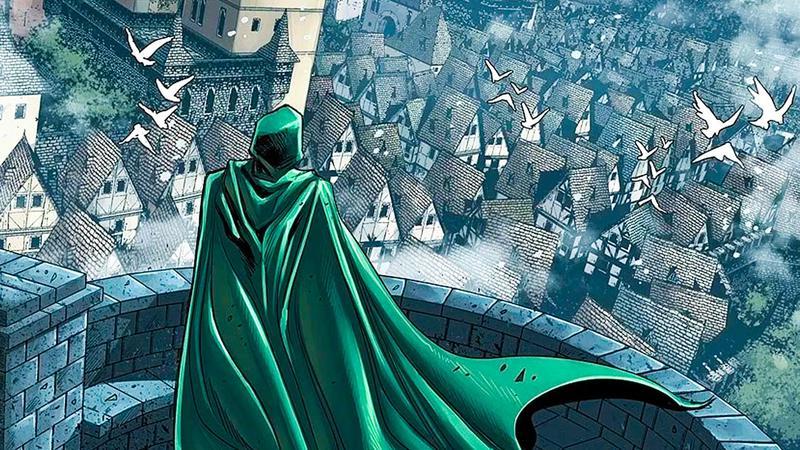
In Marvel Comics, Doctor Doom is famously the ruler of Latveria, a fictional Eastern European country where he was born to a Romani tribe and returned years later with his newfound intellect and mystical powers to seize control.
Latveria thrived under his rule as a secure technological utopia, free of problems like crime, poverty, and health care that plague the rest of the world. Ultimately, Doctor Doom rules because he believes he is the only one smart enough to forge such a perfect society with order and safety, albeit limited personal freedom.
2005’s Fantastic Four reduced Doom to a money-hungry billionaire CEO, and Fant4stic knocked him down to a computer technician. While both Dooms came from Latveria, they never got close to being a monarch, something which will be resolved in Doomsday as RDJ’s Variant takes the throne of Earth-828’s Latveria.
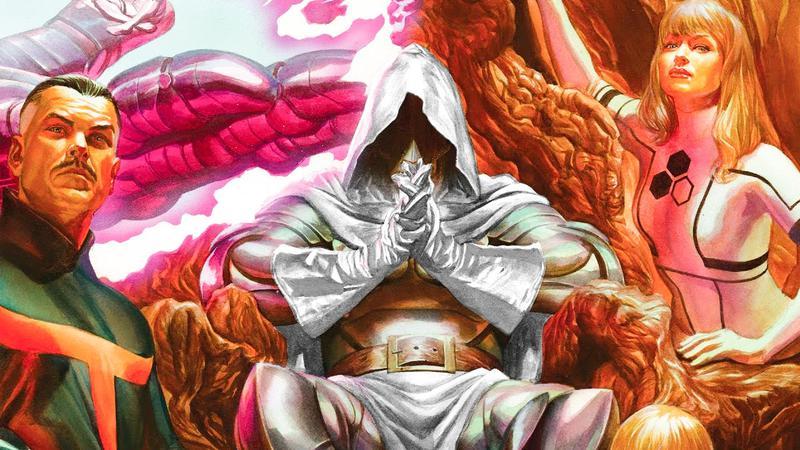
Doctor Doom’s origins in Marvel Comics lie in 1962’s Fantastic Four #2, and his greatest personal grudge has always been with Reed Richards and his team ever since, but the Latverian ruler has frequently threatened the entire Marvel universe.
Many consider Doctor Doom and his unique blend of magic and technology to be Marvel’s big bad, having also faced off against Iron Man, Doctor Strange, Black Panther, and the Avengers due to his limitless ambition. Doom is capable of taking on much more than just the Fantastic Four, as fans will finally see this year.
The MCU is finally adapting Doom’s biggest story to date, as 2015’s Secret Wars will serve as the inspiration for Phase 6’s climactic Avengers movies, executing the villain’s grandest plan yet: “saving” the Multiverse by creating Battleworld.
That’s not to say that the MCU’s Doctor Doom will be completely comic-accurate, as Marvel Studios is also making some major changes to the mythos. The studio has reportedly thrown a deceased wife and child into the villain’s origin story, but that’s not the change that has the potential to unravel Avengers: Doomsday.
Despite Doom’s famous rivalry in Marvel Comics being with Reed Richards, his MCU Variant’s problem is supposedly with Chris Evans’ Steve Rogers. Somehow, the former Captain America is believed to be at fault for Doom losing his family, sparking fears that his hatred for the Fantastic Four’s leaders will be brushed over.
Not only that, RDJ’s Doom is rumored to team up with Pedro Pascal’s Mr. Fantastic in Avengers 5, which isn’t exactly in character for him. While the scientific geniuses are usually lifelong rivals and mortal enemies, it seems their feud will only begin with Doomsday before continuing into Secret Wars and beyond.
There is also the issue of whether two movies will be ample enough time to flesh out Doom enough to the point that fans are satisfied with him. Doom has a lot of baggage and trying to play catch-up across two movies could still prove challenging.
Ultron is getting eight episodes to be properly explored, with the most recent trailer teasing a complicated family relationship with his son and grandson. Victor von Doom arguably has even more going on with him, considering his backstory and all the corners of the Marvel universe that he touches, so it will certainly be an uphill battle to convincingly do him justice with presumably less screentime.
Regardless of how well Marvel Studios depicts Doctor Doom, it’s safe to say the Robert Downey Jr. casting will always be controversial. Beyond the obvious echoes of Iron Man that will reverberate through Doomsday, many were hoping for a Romani actor to portray Doom in line with his heritage from the comics.
Ultimately, audiences will need to wait for Doomsday and Secret Wars to see how the MCU’s Doctor Doom lives up to the comics. Those eager for accuracy will need to hold out hope that Marvel Studios exercises restraint and avoids linking Doom back to Tony Stark, which could risk splitting the fanbase in a major way.
Without a doubt, Christopher Nolan’s The Odyssey has one of the most impressive and star-studded casts of all time. However, it’s also fun to look at all the actors in the Greek epic who’ve also starred in various superhero projects (there’s actually a lot more than some may realize).
Adapting Homer’s 3,000-year-old epic, The Odyssey is easily one of the biggest movies of 2026 and one of the most impressive of Christopher Nolan’s career. Featuring some of the most popular actors working in Hollywood right now, it’s no wonder that so many of The Odyssey’s cast have superhero acting credits as well.
Keeping that in mind, here is every superhero actor in Christopher Nolan’s The Odyssey, what character they play in Nolan’s epic, and the superhero role (or roles) they’re best known for.

Tom Holland is a key lead in The Odyssey as Telemachus, son of the legendary king of Ithaca, seeking to learn more about his father during his absence fighting the Trojan War and his decade-long journey home, while also contending with all the suitors feasting in his father’s hall seeking to court his mother and gain the throne. Without a doubt, Holland’s performance is one of the movie’s best, particularly in the third act when father and son finally reunite and work together to retake Ithaca.
Easily having the biggest superhero role among The Odyssey’s cast, Holland famously plays the MCU’s Peter Parker, and his latest film, Spider-Man: Brand New Day, was just released only a couple of weeks after The Odyssey, receiving just as much (if not more) praise and positive reception, both critically and commercially.

Arguably one of the most important roles in Nolan’s version of The Odyssey, Zendaya plays Athena in this new blockbuster adaptation, appearing as a crucial guide to Odysseus while also representing his own shame and guilt over the Trojan War and his role in creating the Trojan Horse.
Zendaya is, of course, Holland’s Spider-Man co-star (and real-life wife), playing Michelle “MJ” Jones-Watson in the MCU. As seen in Spider-Man: Brand New Day, the romance between Peter and MJ was immensely complicated, with MJ no longer remembering Peter following the events of the prior Spider-Man: No Way Home.

Jon Bernthal plays Menelaus in The Odyssey, the king of Sparta who provides Holland’s Telemachus with a first-hand account of what it was like inside the Trojan Horse with his father Odysseus. In the MCU, Bernthal has played Frank Castle’s Punisher since 2016, though he just made his big-screen debut in Spider-Man: Brand New Day, with The Punisher becoming a key ally to Holland’s Spider-Man.

Robert Pattinson plays Antinous in The Odyssey, having previously worked with Nolan on Tenet. The most cunning and cruel of Ithaca’s suitors, Pattinson’s performance has been cited as one of The Odyssey’s best, receiving an expanded role in Nolan’s version compared to Homer’s original epic.
In the superhero genre, Pattinson is DC’s most recent live-action Dark Knight, as seen in Matt Reeves’ The Batman, which was released in 2022. At present, Pattinson is currently filming the highly anticipated sequel in Glasgow. Depicted as a younger, darker, and more unrefined interpretation of The Dark Knight, it will be fascinating to see how Pattinson’s Batman has evolved in The Batman – Part II.

Of course, Matt Damon plays the lead role of Odysseus in Nolan’s The Odyssey, the king of Ithaca whose legendary journey home has now been depicted on-screen like it never has before.
However, Damon hilariously has a small role in the MCU playing an actor who has the role of Tom Hiddleston’s Loki in a stage production recounting the events of Thor: The Dark World in 2017’s Thor: Ragnarok and later the events of Ragnarok itself in 2022’s Thor: Love and Thunder.

Anne Hathaway plays Lady Penelope in The Odyssey, wife of Odysseus who holds the throne of Ithaca during her husband’s absence while evading the suitors’ proposals for 20 years. Easily giving one of the most dynamic and Oscar-worthy performances in The Odyssey, Hathaway is also a Nolan veteran, having worked on past films including Interstellar and The Dark Knight Rises where she played Selina Kyle aka Catwoman. One of the most intriguing additions in the third and final Batman movie from Nolan, Hathaway’s Catwoman was a perfect romantic partner/foil for Christian Bale’s Bruce Wayne.

John Leguizamo plays Eumaeus in The Odyssey, the blind swineherd and loyal friend of Odysseus who helps retake Ithaca from the suitors. However, Leguizamo also played the comic book villain known as The Violator in 1997’s Spawn movie from Image Comics, a grotesque shapeshifting demon resembling an overweight clown as his disguise on Earth.

Lupita Nyong’o plays Helen in The Odyssey, wife of Menelaus and “the face that launched 1,000 ships” during the Battle of Troy. However, Nyong’o also plays Helen’s sister Clytemnestra, wife of Agamemnon (whom she kills upon his return home from Troy).
In the MCU, Lupita Nyong’o plays Nakia in 2018’s Black Panther and 2023’s Black Panther: Wakanda Forever. Originally introduced as a Wakanda spy, Nakia was also the key love interest of King T’Challa. In Wakanda Forever’s ending, it was revealed that Nakia is also the mother of T’Challa’s secret son, also named T’Challa.

Charlize Theron plays Calypso in The Odyssey, the sorceress who kept Odysseus on the island of Ogygia for years, eating lotus petals to dull his senses and fog his memory, having fallen in love with the king of Ithaca and wanting him to stay with her for eternity. However, she eventually chose to restore his memory, with Odysseus resolving to continue his journey home.
Ironically, Theron also plays a sorceress in the MCU, having debuted at the end of 2022’s Doctor Strange in the Multiverse of Madness as Clea, the Sorceress Supreme of the Dark Dimension and future wife of Stephen Strange himself in the comics. However, Theron has yet to make a second appearance in the MCU following her brief cameo post-credits role.

Elliot Page plays Sinon in The Odyssey, the young warrior who was sacrificed to convince the Trojans that the horse was a gift and that the Greeks had retreated. Sinon also receives an expanded role in Nolan’s Odyssey connected to Pattinson’s Antinous, resulting in one of the most fascinating changes from the original epic. Another Nolan veteran, Page previously starred in 2010’s Inception.
However, Page also played Kitty Pryde in Fox’s X-Men franchise, first appearing in X-Men: The Last Stand and later having a bigger role in X-Men: Days of Future Past. One of the most beloved X-Men with the ability to phase through solid objects, one can only hope that Marvel Studios’ upcoming X-Men reboot will feature a brand-new version of Kitty Pryde as well.
Without a doubt, Christopher Nolan's The Odyssey

The estimated length of Xbox’s upcoming Fable reboot has been confirmed by the game’s developer.
During a group Q&A that took place during Gamescom, Playground Games staff were reportedly asked about the length of the game.
As reported by Polygon, associate game director Will Kennedy stated that the main quest would take 15-20 hours to beat, with side-quests taking roughly the same amount of time.
“We have around 15-20 hours of mainline quest gameplay, we have around 15-20 of side and open-world exploration content gameplay,” Kennedy said. “And then, of course, the life systems are limitless, so you can play them for as long as you want.”
Another attendee at the group Q&A session then reportedly commented that this meant it was “not a huge game”, to which associate game director Craig Little replied: “As Will just said, you can literally play it forever if that’s what you want to do.”
Fable games have not traditionally been extremely long adventures when compared to other games in the action RPG genre. User-submitted estimates on How Long to Beat state that the first three games took an average of 12.5 hours, 13 hours and 13.5 hours respectively to beat the main story, suggesting the new Fable is in line with these.
The “life systems” mentioned by Kennedy refer to the interactions the player can have with the 1,000 NPCs which live in the game’s region of Albion – 400 of whom live in the capital city of Bowerstone – and the way the player can technically turn the game into a life sim purely by interacting with them.
Each of the 1,000 characters has their own homes, hobbies, traits and personalities, and all are fully voiced. The player can talk to each of them, and they will respond to the player’s actions in different ways, depending on their own characteristics.
Fable was originally set to release in late 2026, but in May it was announced that the game had been delayed until February 2027 (later confirmed to be February 23), to give its release some breathing space in a busy period for games.
“This is year is packed with incredible games for Xbox players to enjoy, from Halo: Campaign Evolved, Gears of War: E-Day and Call of Duty Modern Warfare 4 to Control Resonant, Star Wars: Galactic Racer and Grand Theft Auto VI,” it said at the time.
“In order to plan our game launches through the holidays, in a way that works best for players, we’re moving Fable to February 2027 so it can have the dedicated moment it deserves.”
The estimated length of Xbox’s upcoming Fable

New York-based Italian director Francesco Carrozzini is heading to the Venice Film Festival with “Be Brave” an 85-minute portrait of Renzo Rosso, founder of the Diesel fashion brand. The groundbreaking doc uses AI in a way that “can still live within a space of emotion and storytelling,” he says.
“Be Brave” portrays Rosso as a visionary underdog who went against the grain and rose from poverty to owning a fashion empire. Carrozzini did not shoot a single frame of his protagonist, instead recreating Rosso at different stages of his life using AI.
“I want to put this [film] forward as an invitation for everyone to think about how AI as a tool can open up new creative possibilities for filmmakers,” Venice chief Alberto Barbera stated when announcing its inclusion in the festival. “Be Brave” is among the first AI features to launch from a top-tier film festival.
Carrozzini was first in Venice with “Franca: Chaos and Creation,” the doc he made about his mother, the late, influential editor of Italian Vogue. The director was subsequently on the Lido in 2022 with his first feature “The Hanging Sun.”
In the year-and-a-half that Carrozzini spent making “Be Brave” “AI has changed to a point where what we were doing in the beginning had to be redone,” he says. “And the moment we will be in the theater it will probably be old already,” he adds. This makes it hard. But “Working with a medium that is transforming at this pace is also really exciting,” he notes.
“Be Brave” is produced by Lorenzo Mieli, Mario Gianani, and Gabriele Immirzi at Rome-based Our Films, a Mediawan company.
Carrozzini speaks to Variety ahead of Venice about the challenges of making “Be Brave” and his thoughts on how AI can best be utilized in the filmmaking space.
Why did you decide to use AI for this project?
Lorenzo Mieli approached me with the idea of making a film about Renzo Rosso. Initially, I was a bit reluctant because I had sort of taken a step back from the world of fashion that I grew up in to throw myself into narrative film and TV. But Lorenzo insisted, and when he wants to sell you an idea he’s pretty effective. The idea was to create something a bit innovative and to experiment with AI, though it wasn’t quite clear what we were going to do. So we started testing the idea. In the very beginning, it was really about necessity. There is a lot of archival like TV stuff of Renzo Rosso, but there’s no good interviews. There are no really good intimate moments in his archives. So the idea became: first of all, we can recreate those from scratch; though we were worried about them not being believable. From the seed of that idea, then came the idea of: Well, let’s take AI and make it sort of the theme of the film and also make it the challenge towards something bigger than ourselves.
What was the next step?
We wrote a script. This film is fully scripted. We started toying with the idea of me finding Renzo; a rather well-known device in documentary filmmaking. But at the same time putting together the puzzle of who he is, just as he was running away from me because he was trying to trick me. We used this device, but then it sort of became the theme of the film. This film is not a thesis on AI. The only thing that is said towards the end – which I think is really important – is that the human has to come first. This is a reflection on AI in storytelling and entertainment. It’s not a reflection on AI tout court.
Let’s drill down on the nuts and bolts of making this piece. It’s not all AI because there are some so-called talking heads in the doc that are real people. For the rest, you had a reservoir of archive material to draw on. Talk to me about your workflow.
It was a nightmare, especially in the beginning, until we found the workflow, as you say. Because it’s trial and error. As you know, AI will never give you exactly what you’re asking. It will always give you a version of what you’re asking.
How did this process apply to putting Renzo on screen?
We used pictures of Renzo from the time [in which his scenes and interviews are set]. And then you have to have him speak. And you have to have him say what you want. And do it in the voice that you want. He also has to be dressed the way you want. Just boiling things down to that, and to the voice and the lip sync is painstaking. Regarding Renzo’s voice in this film, it had to have different ages as well, so that it would really be as real as possible. The first task is getting what you want.
And beyond that?
Trying to capture not only his physical age, but his behavior. For people who don’t know this process, behavior is really, I would say, the hardest thing. You can get the voice perfect. You can get the image right. But it’s the behavior that was really challenging in creating quite a lot of footage of Renzo.
What was it like for you to be directing yourself (as you appear in the film) done in AI?
Well, it’s all based on my pictures, and because it’s me, it’s the part that scared me the most. With Renzo sometimes I would think I saw a tiny discrepancy. But with me, I was like: “Oh my god, that’s real!”
Back to the workflow. Can you describe it in detail?
All this becomes a workflow problem. labeling all this material as if it was footage, and making it accessible to the editor. Blackstone was one of the companies behind a big part of it. And then this genius, Roberto Beragnoli who was the AI artist, did the heavy lifting. It was really months and months of finding a way to get all that we wanted, in the order that we wanted it.
It looks like just a documentary. But the work that went into it is like the work of a big, heavy CGI feature film. The quality part was a big challenge, because there are so many different software tools that we used to create the material. In AI you work at very low quality, and you have to upscale it. It’s very technical. I don’t want to get too nerdy, but the whole process is quite nerdy.
You’ve talked to me about creating a person with AI. How do you create a place with people in it?
That was really a very exciting filmmaking endeavour because with anything I do that is scripted, I have to come up with you know, the same exact number of [visual] ideas. If the scene says: “Off Broadway theater. Morning. Ten people waiting in line.” I have to decide how do those ten people look? How are they dressed? Where exactly are they? In the beginning it was very frustrating because instead of casting and scouting and talking to a costume designer, you do it with AI.
Do you think it’s important for the viewer of this piece to know when they are watching AI and when they are not?
I want to say no. This film tells a story of a man who lived, who is real, and whose adventures are all quite true. And so, if we are able to entertain you, make you laugh and empathize with this character, then that’s what counts. What interests me is not whether they’re able to discern it or not, but whether the film has an effect.
One of the fears concerning AI in fiction filmmaking is that the medium of cinema could lose the value of the empathic connection people have with other humans. What are your thoughts about that?
That’s why I was interested in approaching AI through the medium of documentary, which is very different from fiction, although ours is a fictionalized documentary, because it’s written and created. It still has the form of the documentary, it has that filter that you put on when you watch it. If this was that beautiful documentary “Free Solo” [which captured rock climber Alex Honnold’s hair-raising ascent of Yosemite National Park’s 3,000-foot El Capitan rock formation] that would be a very different thing because we would be pretending that something that never happened had happened.
How would you feel about directing a fiction film in AI?
I think something similar is happening with scripted material in fiction. With TV shows and movies. We haven’t overcome that yet. And I’m not sure that we want to. The empathy you talk about, it’s generated by real people doing things that, despite being more or less made up, are still human. That emotion is human. That cry is human. That laughter is human. Once you know that it’s not human – and right now we can tell, even if we’re not told – the moment you start watching, after five minutes you know that you’re not going to get on board exactly because that empathy is lacking. Again, I’m not saying that we fully succeeded. People will tell us [whether we did or not]. But we tried to apply a form of AI that can still live within a space of emotion and storytelling, I think. Because you can’t discern it, it still works for its purpose. Right now I would not necessarily take on a project, such as a historic film or a fiction film made in the present day, where I don’t use actors.
This interview has been edited and condensed for clarity.
Our Films
New York-based Italian director Francesco Carrozzini is

If you’re wondering how to get rid of dandruff, know that you’re not alone in the fight against flakes. Not only is the scalp condition incredibly common for all hair types, but it also has a variety of potential causes. That doesn’t make dealing with constant white flakes of dead skin cells all over your clothes any less frustrating, but at least you’re in good company.
What is dandruff actually? Also known as seborrheic dermatitis, it’s an inflammatory response to an imbalance in the scalp microbiome. “This causes the overgrowth of Malassezia, a normal yeast found on the scalp,” says Carmen Castilla, MD, a board-certified dermatologist in NYC. “This overgrowth causes an inflammatory reaction, which leads to scalp flaking and itching.” Fun!
While there is no known cure for dandruff, there are plenty of treatment options. Ahead, everything you need to know about how to get rid of dandruff.
According to Caroline Robinson, MD, FAAD, a board-certified medical and cosmetic dermatologist, there isn’t one clearly defined cause for the scalp condition. “While we do not completely understand all of the causes of dandruff, we do know that the oils on our skin [sebum], a friendly yeast that lives there [Malassezia], and our sensitivity to the interaction between the two can all play a role in how likely we are to get dandruff,” she says. “Areas of high sebum production such as the scalp, parts of the face, and the center of the chest are the most common areas where we see dandruff.”
If that wasn’t enough, there may be other contributing factors, such as medical conditions and environmental causes. “Flares are common when the weather turns cold and dry, and stress can also trigger a flare,” says Hadley King, MD, a board-certified dermatologist in NYC. This type of dermatitis can also affect other areas of the body, such as the ears, eyebrows, center of the face, eyelids, upper chest, upper back, armpits, and groin area.
There’s a common misconception that if you have dandruff, your scalp must be dry—when really, these are two different diagnoses, according to Pooja Rambhia, MD, a board-certified dermatologist at Union Derm. “Dandruff is primarily fungal in nature, caused by an overgrowth of Malassezia yeasts rather than bacteria. These lipophilic (lipid-loving) yeasts are part of the normal scalp microbiome but can proliferate excessively in certain individuals, leading to the inflammatory response that characterizes dandruff,” she says.
How to tell the difference? Dandruff typically causes thicker, oilier, and sometimes yellow flakes. Dry scalp, on the other hand, has thinner, smaller white flakes. Both are signals of a compromised skin barrier on the scalp, and a board-certified dermatologist can help you determine the best treatment path for you.
Scalp psoriasis and scalp eczema are other common skin disorders that cause skin cells to grow extremely fast and become patches of dry, itchy, flaky skin, according to Dr. Robinson. “Psoriasis (or eczema) often requires management with prescription therapy, which is why I recommend speaking to your dermatologist if you suspect that you might have this.”
“For dryness and flaking caused by seborrheic dermatitis, dandruff shampoos—which include ingredients such as ketoconazole, selenium sulfide, salicylic acid, or zinc pyrithione—can be a big help,” says Iris Rubin, MD, board-certified dermatologist and founder of Seen Hair Care.
Dr. King adds that you’ll want to look for the following antifungal ingredients to fight overproduction of yeast.
If you’re wondering how to get rid

Now that brands have woken up to the value of sports, more are shaking up their creative playbooks to stand out on a crowded field.
One recent example is Always Discreet, the Procter & Gamble-owned adult incontinence brand. Ahead of football season kickoff, Always Discreet teamed up with the NFL to shine a light on bladder leaks. Its ad starred real moms of NFL players talking candidly about their experiences to erase the stigma around incontinence, which affects 60% of women ages 45 and older.
The campaign had a few elements that demonstrated a fresh approach to sports partnerships that’s playing out at brands across sectors.
Now that brands have woken up to

(Photo by: Christine Bartolucci/Peacock)
Love Island USA will return next summer. Peacock has announced the renewal of the dating reality series for season nine, ahead of the season eight reunion special airing tomorrow night. Ariana Madix (above) is returning to host the new season.
New seasons of Love Island: Beyond the Villa and Love Island Games will also air in 2027.
Peacock shared the following about the current season’s ratings, which earned the series its renewal:
“Since the season eight premiere on June 2, “Love Island USA” has garnered over 19 billion minutes viewed.
“Love Island USA” has reigned over the streaming landscape this summer, ranking as the #1 streaming title for summer 2026 to date and the #1 streaming reality title for six consecutive weeks.
This season, “Love Island USA” saw 35% of its audience as new to the series, further cementing the franchise’s status as a pop culture phenomenon.”
The premiere date for season nine will be announced later. The trailer for the season eight reunion special is below.
What do you think? Do you enjoy this Peacock series? Will you watch the new seasons of all three shows next year?
by Regina Avalos, August 30, 2026(Photo by:

The 32nd edition of the Unifrance Rendez-Vous TV content market in Le Havre kicks off Monday with a broad selection of more than 350 programs boasting strong international potential presented by France’s leading distributors.
The Rendez-Vous hosts some 50 exclusive screenings of hit scripted series, animated shows and acclaimed documentaries, including a special showcase of three of the year’s highlights.
Despite a new condensed program this year, the Rendez-Vous will still see a full lineup of industry panel discussions, events and soirées, including the presentation France’s TV programming export figures for 2025 by promotional org Unifrance and the National Film Board (CNC).
France’s premiere TV market, the Rendez-Vous last year brought together some 150 buyers from 40 countries and more than 50 local distribution companies.
The titles in the spotlight this year include:
Credit: AH! Production
“Beasts of the Colosseum,” directed by Nicolas Brénéol, produced by AH! Production for Novo 19 and sold internationally by Balanga.
It examines how ancient Rome, captivated by the “venationes” — spectacles featuring wild beasts rather than gladiators — organized with the help of legionaires the capture and transportation of lions, panthers, elephants and bears from the Empire’s frontiers to the Colosseum.

Credit: Caroline Dubois
“Swapped,” directed by Vania Leturcq and Savina Dellicour, produced by Lincoln TV for France 2 and distributed by France TV Distribution.
Set in 1889 Paris, the series follows Rose (Lula Cotton Frapier), a young mother and wet nurse who, when forced to give up her own child, secretly swaps her baby with that of Hélène de Gersande (Alexia Giordano), a mother grieving the sudden loss of her infant. It’s “in the vein of ‘Downton Abbey’ but in a French style,” says Julia Schulte, France TV Distribution’s senior VP of international sales.
Credit: Nicolas Velter/France Télévisions/Siècle Productions/Wild Bunch
“The Red and the Black,” adapted from Stendhal’s novel, written by Georges-Marc Benamou and Gilles Taurand, directed by Gaël Morel, produced by Siècle Productions for France Télévisions, and distributed by Wild Bunch Distribution.
The four-part series chronicles the efforts of young Julien Sorel (Victor Belmondo) to rise socially beyond his modest upbringing while entangled in a web of passion and power. Julien’s pursuit of greatness leads him down a path where love, pride and hypocrisy collide… with tragic consequences.
Credit: DMLS Films (Banijay Group)/TF1/About Premium Content
Other notable new shows with cross-border, if not local adaptation potential, include About Premium Content’s “Country Spy,” produced by Banijay Group’s DMLS Films, which follows French intelligence agent Marie-Line Maupain, who, after 30 years of service, ends up back in the rural region she once called home. Putting her spy instincts to good use, she begins investigating criminal cases behind the back of the local police captain.
Credit: Vivement Lundi!/Autour de Minuit/France Télévisions
Aimed at kids 10 and under, “Super-Lucha” follows 10-year-old Ennio, who comes from a long line of Super-Luchadores, masked vigilantes who fight the forces of evil in a small Mexican town. Sold by Autour de Minuit, directed by Goulwen Merret and produced by Vivement Lundi! and Nadasdy Film, the stop-motion animated show is inspired by Mexican pop culture and papier-mâché piñatas.
Credit: Nicolas Velter/Incognita TV/Tripode Productions/Arte
“The Nefertiti Case,” sold by Film & Picture and produced by Incognita Télévision and
Tripode Productions, chronicles the efforts of Andrea, head of the French Museums Directorate, to save a landmark exhibition after the priceless bust of Nefertiti, on loan from Berlin, falls to the ground and breaks. Desperate, she seeks the help of a legendary forger recently released from prison, who also happens to be her estranged younger sister.
Credit: Bande à Part Films/Les Films Pelléas/Gaumont Télévision
In Gaumont’s “The Deal,” set in 2015, Swiss diplomat Alexandra Weiss leads a mission hosting last-chance nuclear talks between the U.S. and Iran, with Europe, Russia and China. As tensions rise and delegates’ hidden agendas jeopardize fragile diplomacy, Alexandra’s former love Payam, a threatened Iranian engineer, appears, forcing her to cross lines to protect him. Bande à Part Films, Les Films Pelléas and Gaumont produce.
Credit: Elda Productions
Andana Films offers Tamara Erde’s timely two-part documentary “Gaza, a People’s History,” from Elda Productions and Kwassa Films, which explores the history of the 400 square-kilometer stretch of Palestinian land, wedged between Israel, Egypt and the Mediterranean Sea, once home to 2.23 million people. The production revisits key moments in the region’s history.
The 32nd edition of the Unifrance Rendez-Vous

Country legend interred next to late husband Carl Dean at Nashville’s Woodlawn Memorial Park and Mausoleum following private ceremony attended by immediate family
Dolly Parton was laid to rest after a private funeral in Nashville, the country legend’s family said, days after her death at the age of 80.
The singer’s great-niece Lainey Parton — who referred to Dolly as “Aunt Granny” — posted on social media Saturday, “I wanted to wait until after my granny was laid to rest yesterday before I tried to put any of this into words From the time I was little, my granny always had a way of making me feel like I was enough. She never made my dreams feel too big or made me feel like I couldn’t do something. She believed in me before I even knew how to believe in myself.”
People reports that only immediate family attended the private funeral — “at Dolly’s request, a small, private service,” her reps previously said — at Nashville’s Woodlawn Memorial Park and Mausoleum, the same cemetery where Parton’s late husband Carl Dean was interred in a mausoleum in March 2025; the large plaque mounted on the mausoleum also had Parton’s name engraved on it before she died, as well as an engraving of her Sevier County, Tennessee home.
“A rhinestone life that shone bright enough for the world to see, Dolly will forever stand as an inspiration not only through her timeless music and prolific songwriting, but also her wit, warmth, and kindness that made us all feel like family,” Woodlawn Memorial Park and Mausoleum’s obituary said.
“Dolly Parton’s legacy is one of love, kindness, and resilience. With a seven-decade career, she inspired multiple generations of artists and fans with her music and an unwavering commitment to making the world a better place. Her songs will continue to resonate with people of all ages, and her philanthropic work will have a lasting impact.”
Country legend interred next to late husband

Well fiddle-dee-dee, they are getting something to talk about back in Dixie in the spiffy Southern rebellion romance The Legend Of Van Dorn, directed by Shane Stanley from a script by Lee Wilson. Inspired by a true story, it follows Major General Earl Van Dorn (Lee Wilson), one of the South’s most brilliant military strategists against the Yankees. Lincoln has put out a bounty on his head, claiming him for being a pirate over an instance where he commandeered two Union boats. It was a bloodless takeover, as Van Dorn dislikes slaying other Americans, and the Union sailors agreed with that idea. He is primarily a lover, as well as a painter, yet he rose to fame as a killer of white men. His friend, General Nathan Bedford Forrest (David B. Meadows), is in awe of Van Dorn’s battle plans, but disapproves of his personal habits.

A couple dances at a candlelit Southern ball in The Legend of Van Dorn.
“Lincoln has put out a bounty on his head, claiming him for being a pirate over an instance where he commandeered two Union boats.”
Despite his battlefield prowess, Van Dorn’s thirst for whiskey and lady juice had thoroughly stained his sterling war record by the time he arrived in Spring Hill, Tennessee. With the assistance of Major Kimmel (Andrew Reid), he makes himself at home in his new command post. A vivacious young woman from town, Anna Daniels (Darby Cappillino), lets Van Dorn know she is available to help in any way at all, even in his bed chamber. Van Dorn resists lifting Anna’s hoop skirt, as he is smitten with Jesse Peters (Ellie Patrikios) in the house across the street. Mrs. Peters follows Van Dorn’s exploits in the papers, while he husband, Dr. George R. Peters (Joe Lando), disapproves of the destruction of human bodies. Van Dorn and Mrs. Peters start a secret affair, one that will be hard to keep quiet, as the hills of Tennessee have a thousand wagging tongues.
To paraphrase Repo Man: some men spend their lives avoiding sensational poppycock. I’ve spent my life looking for sensational poppycock to get into. Thanks to the devil in the details, The Legend Of Van Dorn looks completely sensational right down to the seams. The amazing costumes designed by Christian Michael are some of the most imaginatively authentic I have seen of that period. The dresses for Patrikios alone are worthy of their own 19th century runway show. Combine the dynamite outfits with the pitch-perfect art direction by Ruby Guidara and set decoration by Carmel Roman, and you have a full-on time travel experience on your hands. I haven’t had this level of Dixie immersion since Jacopetti & Prosperi’s Goodbye Uncle Tom. You can almost smell the candlewicks burning as the wardrobe comes to celluloid life. When film historians celebrate costume dramas, this one will rank high in 21st century examples.
Well fiddle-dee-dee, they are getting something to

British star Naomi Watts will receive the San Sebastián Film Festival’s prestigious Donostia Award during its 74th edition in September.
She joins legendary German director Werner Herzog whose Donostia Award was announced early August.
Watts will pick up her Award on Saturday, Sept. 19 and screen “The Housewife, directorial debut of Canadian Ben Shirinian.”
“Watts combines independent films with big productions on both the big and the small screen,” the San Sebastián Film Festival said in a statement, calling her “one of her generation’s most talented and award-winning actresses.
Born in England, but achieving a career in the U.S. and beyond, Watts broke out in David Lynch’s “Mullholland Drive, where her performance is “ranked among the finest in contemporary cinema,” said the San Sebastián Festival.
She scored Academy Award nomination for best Aactress for Alejandro G. Iñárritu’s “21 Grams,” and a Academy Award nomination for J.A. Bayona’s “The Impossible.”
Watts has also worked with filmmakers including Peter Jackson, David Cronenberg, Clint Eastwood, Michael Haneke, Audrey Diwan, Noah Baumbach and Rodrigo García, with whom she came to San Sebastián in 2009 to close the Official Selection out of competition with “Mother & Child.”
She earned a first Emmy Award nomination for her portrayal of Babe Paley in Ryan Murphy’s “Feud: Capote vs. The Swans.”
“The Housewife,” the Donostia Award Screening, stars Naomi Watts, Tye Sheridan, Luke Evans, Michael Imperioli and Lena Olin. Set in 1964 and based on a true story, the film tells the tale of a young journalist who tracks down a potential Nazi officer living secretly in New York and befriends the suspect’s charming wife
The San Sebastián Film Festival runs Sept. 18 to 26.
British star Naomi Watts will receive the


Two-factor authentication (2FA) introduces a second verification stage to the standard BigLucky Casino login process. Rather than relying on a password alone, a player verifies identity with a one-time code, a push approval, or another trusted notification from a separate device. This second layer diminishes the chance that a stolen, guessed, or reused password gives an unauthorised party access to a casino account. For Czech players who handle deposits, withdrawals, bonuses, and personal documents in one place, 2FA secures both funds and identity data. BigLucky Casino provides several 2FA choices, enabling each user to choose the way that best fits daily habits, device availability, and comfort with technology. This article describes how these options operate, how to establish them during registration, and how they connect to account verification. It also includes recovery steps if a second factor is lost or replaced. The objective is to make login security understandable without creating unnecessary friction.
A BigLucky Casino account holds more than gaming history and a balance. It stores payment details, bonus records, identity documents, and transaction logs. Czech players who utilize online banking, card payments, or e-wallets anticipate the same level of account security they receive from a financial service. A password can be exposed through phishing emails, malware, credential reuse, or data breaches at other sites. Two-factor authentication makes a compromised password far less useful. Even if an attacker acquires the main login data, the attacker still needs the second factor to complete sign-in. This is especially applicable when a player logs in from a public Wi-Fi network, a shared computer, or a new device. BigLucky Casino advocates 2FA as part of responsible account management. The setting is not mandatory but can be turned on in a few minutes from the security area. For players who hold funds in a casino wallet or carry out larger withdrawals, the extra step serves as a practical safeguard rather than a daily burden.

Fresh users can activate two-factor authentication while setting up a BigLucky Casino account. The registration form asks for personal data, like a valid email account and phone mobile number. After sending the form, the player verifies the email account by tapping a confirmation hyperlink. The next step is to navigate to the security settings and select a chosen 2FA method. Using an authenticator application, the site presents a QR code. The player captures this code with an tool such as Google Authenticator or Authy, then types the six-digit code presented in the application. Using SMS, the member validates the phone number and types the code delivered by text message. For email, the user checks the email folder and inputs the code or taps the hyperlink. The setup is finished once the right code is verified. BigLucky Casino then keeps the second factor for future logins. Users should keep backup codes in a protected place right away.
Dual-factor authentication protects the account, but KYC is a separate compliance process. Czech players must verify their ID before withdrawals or larger deposit limits are processed. After authenticating with 2FA, the player accesses the verification section and provides a clear copy of an identity document, such as an občanský průkaz or passport. The casino may also require a recent utility bill or bank statement to verify the address. In some cases, a proof of payment method is required, such as a image of an e-wallet or a card statement. Documents are reviewed by the BigLucky Kasino Casino compliance team. Verification usually takes a brief time, and the player gets an email when the status changes. Keeping the same contact details used at registration helps avoid delays. Players should not send documents through unsafe links or messages. The upload should only happen inside the logged-in session.
2FA merges two separate types of verification. The initial factor is typically a piece of knowledge the player has, such as a password or PIN. The next factor is a physical item the player possesses or a biometric trait of the player. When a player enters the right password on the BigLucky Casino login page, the platform asks for the additional factor before unlocking the account. The additional factor is frequently a temporary code generated by an authenticator app, transmitted through SMS, or sent via email. The code has a short validity window, usually between 30 seconds and 10 minutes, which limits reuse. After the correct code is submitted, the session starts normally. If the code is incorrect, no longer valid, or already used, access is refused. This process does not replace the password. It imposes a extra gate at the stage of login. Some systems also employ a push notification that the player approves on a secure phone, which can be quicker than entering a code.
BigLucky Casino supports various second-factor methods so any player can choose the most suitable setup. An authenticator app is usually the safest because it functions offline and does not rely on mobile network delivery. SMS codes are common and demand only a registered mobile phone number, which turns them a typical starting point. Email codes are useful for players who favor a unified inbox, though they can be less prompt if the email provider slows down delivery. Some players also get backup codes that can be employed when the primary method is not accessible. Each method has distinct recovery and usability characteristics. The suggested setup is an authenticator app along with saved backup codes. This combination avoids the risk of a lost SIM card or delayed SMS. On the login page, after typing the password, the site will ask for the chosen second factor. The player can switch the method later from the account security settings.
Certainly. A player who skipped 2FA during registration can activate it later from the account security settings. The steps is very similar to the setup during registration. The player selects a method, confirms the current password, and types the code from the chosen second factor. To toggle methods, the player should first disable or substitute the existing method only after confirming access to the new one. BigLucky Casino may ask for a current 2FA code or a backup code before allowing changes. This stops an attacker who knows the password from locking out the legitimate user. Players who utilize an authenticator app should save backup codes in a safe place before switching devices. The modification takes effect immediately after the new code is accepted. Re-authentication on all active devices may be required after a method change. This is normal and helps clear old sessions.
If a mobile phone is misplaced or a SIM card is changed, the player still can recover the account using saved backup codes. Those codes are single-use and ought to be kept offline in a password manager or on paper. If backup codes are not available, the player should contact BigLucky Casino support through the official channel shown on the website. The help desk might request for identity documents and proof of account ownership before removing 2FA. That recovery measure safeguards the account from unauthorised reset requests. Czech players need to have their registered phone number and email address up to date so recovery messages arrive without delay. After regaining access, a new 2FA method should be set up immediately and new backup codes produced. The previous lost device should be marked as no longer trusted. Players must never share recovery codes with anyone.
Two-factor authentication (2FA) introduces a second verification

Love Is the Monster (Amor es el Monstruo). Costa Rican writer-director Neto Villalobos Brenes (All About the Feathers, Helmet Heads) has picked a title for his latest film that will make you sit up straight, deal with questions swirling through your head, or both. The chilling dystopian thriller, starring Paulina García (Gloria) and teeming with fear and inequality, will world premiere in the Toronto International Film Festival’s (TIFF) Centerpiece strand on Sept. 15.
Filmed in Costa Rica’s South Pacific region, Love Is a Monster features Chilean star García as a grandmother determined to make the most of the time she has left with her six-year-old granddaughter. After her daughter cuts off all contact, she has to earn her trust back, only for tragedy to strike: the girl gets kidnapped for ransom. What is the grandmother willing to do to protect the ones she loves?
“She is forced to make choices she never imagined, pushing love, loyalty and survival into increasingly tense territory,” notes a synopsis of the movie that explores family, love, age and class inequality.
Love Is the Monster sees Villalobos Brenes return to Toronto, where his two previous features also debuted.
“A few years ago, I lost the person I loved most, my mother,” says Villalobos Brenes in explaining his sharp turn from two comedies to a dark, genre-infused cinematic ride. “As everyday life became more difficult for her, she found in her granddaughter the strength to keep fighting. That experience sparked the question at the heart of this film: how far would you go to protect the person you love most?”
‘Love Is the Monster,’ courtesy of Bendita Film Sales
Love Is the Monster also stars Natalia Regidor, Gloriana Vargas and Ericka Reikendorf. Written by Villalobos Brenes and Diego van der Laat, the film features cinematography by Nicolás Wong Díaz and editing by Yibrán Asuad and Villalobos Brenes. Bendita Film Sales is handling world sales.
García, who won the Silver Bear for best actress at the Berlin International Film Festival for her performance in Gloria, shares: “I don’t think love really has limits. You only discover that when you’re put to the test and find yourself doing things you never imagined you were capable of. When a child is involved, that feeling becomes even stronger. You’re willing to do absolutely anything to protect them.”
THR can now exclusively premiere the poster for the film right here.

Now, if you finally want to see a video teaser, we got you covered, too. Here is the exclusive premiere of the trailer for Love Is the Monster. Whenever you are ready, buckle up and take a deep breath!
Love Is the Monster (Amor es el

The 31st Busan International Film Festival (BIFF) has unveiled a 13-film Japanese Animation Special program, marking the first Korea visit in 17 years for animation master Rintaro alongside four next-generation directors.
Billed as a Special Program in Focus, the lineup puts a spotlight on Japan’s animation history across a full century, mixing formative classics with buzzed-about new releases and one European work that shaped generations of Japanese animators. Most of the lineup has rarely played Korean theaters, and several titles will have their Korean premieres at the festival.
Rintaro will travel to Busan alongside directors Kadowaki Kohei, Katanosaka Ryo, Natsume Shingo and Shinomiya Yoshitoshi, who represent the medium’s newer generation. It is Rintaro’s first trip to Korea in 17 years.
The lineup’s classics section opens with Yabushita Taiji’s “The White Snake Enchantress” (1958), an adaptation of a Chinese folk tale about a young man who falls for a serpent capable of taking human form. It was the first Japanese animated feature made in full color, and it left a lasting impression on a teenage Miyazaki Hayao, who wrote in “Starting Point 1979-1996” that watching it left him in tears until dawn. The film stands as a landmark work from Toei Animation.
Yamamoto Eiichi’s “Belladonna of Sadness” (1973) was produced by Mushi Production as an experimental work aimed at adult viewers. Adapted from Jules Michelet’s “La Sorcière,” the story centers on Jeanne, a woman who strikes a bargain with the Devil and emerges transformed into a witch. The film was invited to screen at the 1973 Berlin Film Festival, shortly after its debut, and it later became a global cult title following a 2016 4K restoration. Actor Nakadai Tatsuya provides the Devil’s voice, while the camera drifts across static watercolor paintings under Fukai Kuni’s art direction.
“Phoenix 2772 (Space Firebird)” (1980) draws on Tezuka Osamu’s “Phoenix” manga saga, with Tezuka serving as writer and director on the project. Its 12-minute opening, which traces the protagonist’s growth using only music and imagery and no spoken dialogue, stands as one of the film’s most discussed passages.
Oshii Mamoru’s “Angel’s Egg” (1985), made with illustrator Yoshitaka Amano, unfolds with almost no dialogue, relying instead on biblical symbolism and imagery. The film laid the groundwork for a visual approach Oshii carried forward into “Ghost in the Shell” (1995).
“Memories” (1995), overseen by Otomo Katsuhiro of “Akira” (1988), comes back to Busan three decades after it screened at the festival’s first edition. The program will show a 2025 remaster marking the film’s 30th anniversary, presenting all three episodes of the omnibus.
“Metropolis” (2001) draws its story from a 1949 manga by Tezuka Osamu. Rintaro, whose credits include “Galaxy Express 999” (1979), directed the film, and Otomo Katsuhiro wrote the screenplay. Production took five years, with a budget among the largest in Japanese animation history at that point.
Yuasa Masaaki made his feature directorial debut with “Mind Game” (2004), adapting a manga of the same name by Robin Nishi. Yuasa, known for his work on “Crayon Shin-chan” and “Chibi Maruko-chan,” saw the film take the Animation Division’s Grand Prize at the 2005 Japan Media Arts Festival, plus the Mainichi Film Awards’ 2004 Ofuji Noburo Award for Animation.
“Kakurenbo” (2004) is where Morita Shuhei made his directorial debut. He later picked up an Academy Award nomination for Best Animated Short Film for “Possessions” (2013) and went on to direct “Tokyo Ghoul” (2014). The 24-minute short built a cult following for pairing 3D CG with cel-style rendering, an unusual combination for its era.
Four new titles round out the lineup, with all four directors attending BIFF. “Ghost – End of Night” comes from director Natsume Shingo, who also made “One-Punch Man” (2015), with production handled by Madhouse Inc. The film heads to BIFF ahead of a planned 2027 theatrical bow in Japan.
“Shiranui” is a 36-minute theatrical short produced by CoMix Wave Films, the company known for many of Shinkai Makoto’s biggest titles. The studio found first-time filmmaker Katanosaka Ryo and backed him in making an original work for cinemas. He personally hand-drew close to two-thirds of the picture’s 325 rough cuts.
Kadowaki Kohei directs “We Are Aliens,” a rotoscoped feature with a distinctly realistic look. The film played in the Directors’ Fortnight sidebar during this year’s Cannes Film Festival, and it also screened in Competition at the Annecy International Animation Film Festival.
Director Shinomiya Yoshitoshi’s “A New Dawn” holds the distinction of being the first Japanese animated feature directed by a first-time feature filmmaker to compete at the Berlin International Film Festival. After its Berlinale premiere, the film went on to win the Jury Award, given in Annecy’s Contrechamp section. The 76-minute feature is built around a distinctive green palette inspired by ‘Paris Green,’ a pigment once outlawed for its toxicity. Shinomiya, who earlier worked on Shinkai Makoto’s “Your Name.” (2016) and created the poster art for “The Garden of Words” (2013), handled the story, screenplay and direction on “A New Dawn,” in addition to its character design and art direction.
The program closes with Paul Grimault’s “The King and the Mockingbird” (1952, 1980). Grimault finished an initial cut in 1952, which took a prize at the Venice Film Festival, but he later pulled the film from circulation, scrapped that version and spent decades reworking it into a new cut. Miyazaki Hayao paid tribute to it in his directorial debut, “Lupin III: The Castle of Cagliostro” (1979), and Studio Ghibli co-founder Takahata Isao once said he might never have gotten into animation had he not seen it. The film also numbers Bong Joon-ho among its admirers.
BIFF festival director Jung Hanseok said, “Animation has recently become one of the most dynamic forms in global cinema, bridging East and West. That is why, for this year’s major Special Programs in Focus, we wanted to take a closer look at the world of Japanese animation, long one of the great traditions and powerhouses of the medium.”
Jung said organizers set a handful of firm criteria for the lineup: the films needed, whenever feasible, to be original works made for theatrical release, and to represent either bold precedents from their era or a forward-looking vision for the medium, with preference given to titles that have seldom, if at all, played Korean cinemas. He added that the program deliberately left out Miyazaki Hayao and Takahata Isao, choosing instead works that had shaped both directors’ own filmmaking.
“Some films can only be fully experienced in a theater. I hope audiences in Busan will not miss this rare opportunity to experience these works on the big screen. I am also deeply honored to welcome Rintaro, a living legend of Japanese animation, and four directors representing its next generation to BIFF,” Jung added.
The 31st Busan International Film Festival runs Oct. 6-15, with venues centered on the Busan Cinema Center. The 21st Asian Contents & Film Market takes place alongside it, from Oct. 10-13.
The 31st Busan International Film Festival (BIFF)

Ben Affleck's Ana de Armas cutout, you

Dirty Monkeys’ war comedy-drama “Once Upon a Time in the Middle East” held onto the top spot at the mainland China box office for the third consecutive weekend, grossing RMB174.4 million ($25.6 million) over the Aug. 28–30 frame, according to data from Artisan Gateway.
Directed by Wen Muye (“Dying to Survive”) and produced by Ning Hao, the summer breakout has pushed its cumulative haul to $283.7 million since its August 11 launch. Starring Shen Teng, Jiang Qiming, Aarif Rahman, and Omar Sherif, the story follows a debt-ridden Chinese chef in a fictional Middle Eastern city who transforms his restaurant into a sanctuary for local orphans and civilians after armed conflict breaks out.
Pearl River Film Group’s crime drama “V” maintained second place in its sophomore weekend, generating $14.4 million to push its cumulative Chinese earnings to $59.6 million. Directed by Han Yan (“Love Never Ends”), the feature stars Tony Leung Ka Fai, Zhu Yilong, Tan Jianci, and Kara Wai in a narrative chronicling an ambitious man’s rapid rise to power and the dark fallout that threatens his success.
Universal’s epic “The Odyssey” held third position, collecting $10 million in its third weekend. The film has amassed a cumulative gross of $87.4 million across mainland theaters.
Pearl Studio’s animated fantasy feature “All Wishes Come True!” placed fourth in its seventh weekend of release, taking in $7.9 million. Directed by Mu Zhengyang, the film has generated $270.3 million since its July 18 premiere.
Sony’s superhero tentpole “Spider-Man: Brand New Day” rounded out the top five, adding $2.9 million in its fifth frame. The film has lifted its cumulative total to $225.7 million, remaining the year’s top-earning Hollywood import in China.
Mainland China’s overall weekend grosses reached $69.8 million, while the 2026 year-to-date revenue stands at $4.13 billion, down 28.1% from the same period in 2025.
Dirty Monkeys’ war comedy-drama “Once Upon a

Meet the X-Men.
Marvel Studios President Kevin Feige capped off an electric showcase presentation during D23: The Ultimate Disney Fan Event, unveiling the stars of the upcoming X-Men movie. Director Jake Schreier was joined onstage by star Sadie Sink, who made her debut as Jean Grey in Marvel Studios’ Spider-Man: Brand New Day.
“It is so wonderful to be here and to finally be able to talk about this character after months of speculation,” Sink told the crowd. “We’re here to talk about the X-Men. Should we meet some more of the cast?”
The trio then welcomed Sink’s new costars to the stage: Kit Connor as Scott Summers, Christopher Abbott as Professor Charles Xavier, Samara Weaving as Emma Frost, Inde Navarrette as Rogue, and Maya Boyd as Storm.
Finally, Adam Driver crashed the panel with one final video surprise, where he revealed that he will be playing a very sinister figure named Nathaniel Milbury.
“When Kevin told me to show up for X-Men, I assumed he meant on set,” Driver said. “So instead of being there in California, I’m here at Pinewood [Studios] on this very lonely soundstage. Kevin and I have been talking for years about maybe joining the Marvel Cinematic Universe. And I think we finally found the perfect film at the perfect time. So I’m very excited to be playing Mag…. Nope. Even better. Nathaniel Milbury. So I’ll be right here, waiting for everybody to show up.”
Meet the X-Men.Marvel Studios President Kevin Feige

James Gunn’s DC just debuted a new Joker, and he looks more menacing than ever. The Clown Prince of Crime is one of the most iconic villains in Batman lore and, naturally, he’s been adapted into various DC media over the years. Now, almost four years after Gunn and Peter Safran took over DC Studios in late 2022, the studio is finally adapting its own take on the Ace of Knaves.
Joker appears in Bruce Timm and J.J. Abrams’ Batman: Caped Crusader Season 2, an Elseworlds-style production from Warner Bros. Animation, Amazon MGM Studios, and Bad Robot, branded and distributed under James Gunn’s DC Studios label, although it doesn’t belong in the main DC Universe continuity.
The Prime Video series, which premiered on July 31, takes place in a gritty 1940s noir version of Gotham City where crime runs rampant, and the only man capable of protecting it is Batman. The season is packed with some of the most iconic villains in Batman lore, with a few getting an unconventional twist, like the Mad Hatter, who has been gender-swapped, taking on the name Hattie Tettch instead.

This continuity’s Joker, who was first teased in a cameo in the final episode of Season 1, has been reimagined too. Voiced by House of the Dragon star Matthew Needham, Caped Crusader‘s Clown Prince isn’t like any that has been adapted on screen before. He’s a stoic, no-nonsense European criminal who doesn’t crack jokes like the typical Joker iterations seen in modern media.

Caped Crusader‘s take is inspired by the villain’s earliest comic book appearances and German Expressionist cinema, an era where he didn’t laugh nearly as much as later versions do. Joker stays in the shadows for the majority of Season 2 but finally makes a proper appearance in the final two episodes, revealing himself as Gotham’s greatest threat, the mastermind behind a toxin that has infected Gotham’s citizens and threatens to consume the entire city, turning everyone into laughing lunatics.

He infects Hattie Tettch during her live broadcast and announces his plan to murder Mayor Jessop, a promise he eventually delivers on.

The season ends with a brutal fight between Joker and Batman in the finale on a building’s rooftop. The battle ends with Joker being impaled by a steel pole and seemingly falling to his death while cracking a rare laugh. Needham described his version of the Joker to The Direct as “very serious, very cold, not fun, but absolutely evil.”

DC Studios will definitely bring another Joker to the screen, and the most likely destination is Matt Reeves’ The Batman Epic Crime Saga, which has already teased its version of the Clown Prince. Barry Keoghan, who plays Joker in this corner of DC, made a cameo appearance in the final scenes of The Batman, laughing alongside Paul Dano’s Riddler at Arkham Asylum.
Keoghan will reprise the role in the sequel, The Batman Part II, which arrives on February 18, 2028, but it’s unclear how big his role will be this time. Reeves’ take on the Joker is also very unique, as this Clown Prince suffers from a congenital disease that leaves his face disfigured, a choice Reeves has said was inspired by The Elephant Man.

James Gunn’s main continuity, the DC Universe, is still lacking its own Batman, with The Brave and the Bold not looking like it will arrive anytime soon. The film centers on an older Bruce Wayne and involves the Bat-Family, a direction rarely seen in other live-action Batman adaptations. That being said, a Joker as a major antagonist in this continuity isn’t far-fetched at all.
Although Batman has yet to arrive in the DCU, Gotham is gradually being established, and the Clayface teaser trailer already made key references to the Joker, most notably a sign for Amusement Mile, the abandoned amusement park the villain frequently calls home in the comics.
If Gunn does bring Joker to the DCU, his iteration of the villain will likely stand out from the rest as well. There’s also a Deathstroke vs. Bane film in the works, which could give the Clown Prince his debut in this universe if not in The Brave and the Bold.

DC Studios and Warner Bros. Animation announced an adult animated Absolute Batman series at the Annecy International Animation Film Festival in June, with comic writer Scott Snyder serving as showrunner and artist Nick Dragotta serving as producer. The Absolute universe has become a favorite among comic fans, flipping the script on Batman’s lore by reinventing Bruce as a working-class civil engineer rather than a billionaire heir.
In this world, the Joker is completely different as well, portrayed as an immortal billionaire named Jack Grimm V who has secretly lived for over a century, posing as his own descendants, and who has never once been heard to laugh. Snyder has also said the show won’t be a 1:1 adaptation but an expansion of the comic, so there’s a good chance it features the Joker.

At Annecy, another DC Studios project set in Batman’s world was announced, and this one is built on Joker himself. Joker: Laugh Riot, DC Studios’ first anime series, from Sola Entertainment with director Yasuhiro Aoki and executive producer Jim Krieg, is set in a Gotham where the Dark Knight is murdered, a move that deeply angers Joker. The Clown Prince goes on a ruthless crusade through Gotham’s underworld, looking for who is responsible, but his violent quest pushes him closer to vigilante than villain, forcing him to confront the truth that without Batman, he doesn’t know who he is.

Microsoft’s new Fable game was supposed to launch this year, but it was delayed to February 2027. The game’s director, Ralph Fulton, said in an interview that he feels “great” about the launch timing for Fable, adding that shifting to 2027 helps the game avoid the “chaotic window” of its original timeframe of late 2026.
Speaking to IGN, Fulton said the reason for the delay “is pretty apparent to everybody.” He said he was “really looking forward to” launching Fable in 2026, saying he wasn’t happy about having another all-hands meeting with the team in January to tell them, “This is the year we ship Fable.” But alas, that’s what happened.
“The rationale for it is absolutely sound. I’m glad that we’re avoiding that chaotic window,” he said. In getting pushed to February 2027, Fable avoids launching near Call of Duty: Modern Warfare 4 (October 23) and GTA 6 (November 19).
Fulton did not mention GTA 6 by name in this interview, but he did previously. In June, Fulton said Fable being delayed to 2027 helps Fable avoid a “really congested period” for game releases and “obviously avoiding Grand Theft Auto.”
“Having a much less contested window allows us the opportunity to go out and really make a moment for ourselves, and I think the attention this game deserves,” he said.
Gameplay combat footage from Fable emerged online this week from Gamescom, and it looked rough, but GameSpot’s own hands-on time with the game told a different story.
Fable launches February 23, 2027 for Xbox Series X|S, PS5, and PC.
Microsoft's new Fable game was supposed to
For players of online casino games, discovering slots with decent odds is a wise choice. That’s what attracted me to Cowboy Spin Casino. Its library puts a clear emphasis on high Return to Player (RTP) games. Let’s discuss why RTP is worth your attention, how to identify the top games, and if this platform is a great choice for Canadian players who desire greater returns.
Initially, let’s define what RTP really signifies for your sessions. RTP, or Return to Player, is a percentage. It indicates the typical sum of wagered money a game will return over a large volume of spins. Imagine a slot with a 96% RTP. Over millions of spins, it is expected to return about $96 for every $100 put in. This is no assurance for your next ten spins, but it’s a solid long-term indicator of a game’s payout potential.
Selecting games with higher RTP percentages is a key aspect of smart bankroll management. It makes your bankroll go further, which means more playtime and entertainment. Volatility—the size and frequency of wins—also influences your experience. But RTP is the basic metric I look at before anything else. At casinos like Cowboy Spin, where this info is often easy to find, you can base your choices on math instead of luck.
Wanting a high RTP game is straightforward. Locating it in a crowded lobby is the challenge. I use a clear checklist to cut through the noise and locate the best options quickly.
High RTP games provide a solid advantage for anyone, but they make extra sense for Canadian players. Our gaming community tends to value fairness and getting good value. Games with better theoretical returns convert a casual pastime into something more strategic. You experience you’ve got a bit more control. This effect intensifies the longer you play, as the statistical advantage has more time to emerge.
In a crowded market, a casino that takes the time to list high RTP games signals intent. It implies they value their players’ intelligence and strive to deliver a fair experience. To me, a platform that highlights these games prominently is one that’s confident in its product. It builds a more trusting and rewarding environment for players.
Don’t overlook that RTP is only one factor. You’re here to be entertained. I’d never suggest you play a game you find dull just because it has a stellar RTP percentage. The ideal pick strikes the right balance: an above-average return paired with a theme, graphics, or features you actually like. That balance renders your session both statistically sound and genuinely engaging.
In my observation, Cowboy Spin Casino groups its games in ways that make high RTP titles prominent. Standard slots and table games are known for good returns, but don’t ignore modern video slots. Rivalry among developers has boosted RTP across the board, including games packed with features. Here’s where you should focus your search.
Finding high RTP slots can be surprisingly rewarding. The majority of top software providers now disclose their games’ RTP upfront. You’ll notice that simpler, low-volatility games frequently have higher percentages, but that’s not always the case. Numerous feature-heavy video slots with engaging narratives also offer RTPs of 96.5% or more. You don’t need to choose between excitement and good odds.
If you’re focused on the best mathematical odds, digital table games are your starting point. Blackjack, using perfect basic strategy, delivers an effective RTP that can exceed 99.5%. European Roulette, with its single zero, also gives you a much better return than the American double-zero version. The same principles apply in the Live Casino section, offering you authentic play with a strong statistical foundation.
The wisest move is to combine a casino’s welcome bonus with your high RTP game options. That extra bonus money goes further when utilized on a game with a good theoretical return. This combination stretches your playtime and can increase your enjoyment. Just don’t forget to examine the promotion’s fine print first. The terms will inform you which games count most to the wagering requirements.
For example, selecting a high RTP slot that counts 100% to the wagering is effective. Every spin fully counts toward meeting the bonus, all while you’re on a game with a favorable edge. It’s a way to convert Cowboy Spin Casino’s promotional offer into a tool for a longer, more significant session. That’s planning in action.
High RTP games have a subtle advantage for responsible play. Because they give back more to the user over time, they may assist your funds stretch further. This reinforces the main concepts behind safe play: setting limits, managing your bankroll, and seeing gambling as paid leisure. I see selecting a high return game as the initial smart choice you can make.
It boils down to being knowledgeable. Gambling sites that provide clear RTP data offer you the power to make those smart picks. Keep this in mind: no RTP percentage, no matter how lofty, guarantees a short-term win. It’s a extended average. Utilize this data to extend your enjoyment and set realistic goals, not to attempt to defeat the establishment in a one go.
If you’re curious to try their selection of high RTP games, starting at Cowboy Spin Casino is easy. The method is uncomplicated, moving you from sign-up to the game lobby effortlessly. Here’s what that usually involves.
For players of online casino games, discovering

For those looking to unlock new ways to run-and-gun for video, photography, and other hybrid content projects, there have been plenty of innovations in camera and audio gear over the years, but not too much in file storage and access.
This new portable memory card case and reader from Ulanzi looks like a clever way to speed up shooters’ workflows by letting them store multiple memory cards at once, read files directly from them, and connect via USB-C to smartphones or other devices for quick access.
Here’s what you need to know.
This looks like a pretty cool, clever innovation that’s quite affordable, making it appealing to many run-and-gun videographers looking for a simple way to streamline their productions.
The Ulanzi DC01 Portable Memory Card Case & Reader is a 2-in-1 portable memory card case that helps users keep their memory cards organized and protected during transport while unlocking new data-transfer options.
The case and card reader will feature a UHS-II SDXC card slot and a UHS-II microSDXC card slot, plus storage for up to four SD cards and four microSD cards. The portable combo storage and reader also includes an integrated USB-C cable that supports transfer speeds up to 312 MB/s.
Credit: B&H
Overall, this is a nice little option that unlocks not only the ability to store multiple memory cards, read files directly, and connect via USB-C, but also the ability to quickly access, back up, and transfer footage from these cards whenever and wherever your shoot takes you.
If you’re curious to learn more, here are the full specs and purchase options.

Keep memory cards organized and protected during transport and transfer data using this DC01 2-in-1 Portable Memory Card Case from Ulanzi. It has a UHS-II SDXC card slot and a UHS-II microSDXC card slot as well as storage for up to four SD cards and four microSD cards. An integrated USB-C cable allows transfers speeds up to 312 MB/s.
From Your Site Articles
Related Articles Around the Web
For those looking to unlock new ways

Welcome to Winningz app ios Casino, where we prioritize transparency, equity, and excitement at the core of all we do. Before you dive into our world-class collection of slot games, live dealer tables, and betting markets, we want to explain the fundamental terms that govern your time with us. Comprehending these principles ensures your experience is hassle-free, secure, and without unexpected surprises. We have crafted our website to be clear, so all rules serves to protect both you and the integrity of our gaming environment.
Entering the Winningz Casino community begins with fulfilling a defined set of eligibility criteria intended to uphold legal and responsible gaming standards. You need to be at least 18 years old, which is a non-negotiable threshold we rigorously verify during the registration process. We also insist that you are not currently self-excluded from any gambling operator and that you are registering on your own behalf, never for a third party or as part of a syndicate. These baseline rules shield you from underage gambling and identity fraud.
When you set up your account, we will require correct personal details including your full legal name, permanent residential address, date of birth, and a valid email address. Supplying false or misleading information amounts to a breach of terms and can result in immediate account suspension and forfeiture of any funds. We treat this seriously because accurate data is essential for payment processing, identity verification, and complying with anti-money laundering directives that govern our operations across all jurisdictions we serve.
Our Know Your Customer process is a compulsory step you should anticipate after registration, typically triggered before your first withdrawal. We will require a copy of a government-issued photo ID, a recent utility bill or bank statement showing your address, and possibly proof of ownership for the payment method you used. This verification commonly completes within 24 to 48 hours once you upload clear documents. Until verification is complete, withdrawals remain pending, which is a standard industry practice we apply consistently to every player.
You are allowed to hold only one account with Winningz Casino. Duplicate accounts, whether created intentionally or accidentally, will be closed immediately once detected. If you have forgotten your login credentials, our support team can restore access to your original account rather than having you create a new one. Should we find multiple linked accounts, any bonuses, free spins, or accumulated winnings across those accounts become void, and only the original deposit amounts from the primary verified account may be returned at our discretion.
Inhabitants of particular restricted territories may not open an account or transact with Winningz Casino. While we operate internationally, our licensing framework prohibits us from accepting players from jurisdictions where online gambling is illegal or where our licence does not extend. The full list of restricted countries is displayed on our website and adjusted in real time as regulatory landscapes evolve. Before you complete registration, the system will ask you to confirm your country of residence and will block submission if it falls within an excluded zone.
Your account credentials, including your password and any two-factor authentication methods you enable, remain your responsibility. We strongly advise you use a unique, complex password and never share it with anyone. Any transactions, wagers, or withdrawals conducted using your correct login details will be deemed authorised by you. If you suspect unauthorised access, you must notify us immediately so we can freeze the account, investigate the activity, and prevent potential financial loss while the matter is resolved.
Our sign-up deal gives you access to the Winningz Casino adventure with bonus credit and often free spins, but it follows a specific set of rules you should completely understand before opting in. Every promotion, such as the featured introductory deal, has a lowest eligible deposit. You are required to deposit at least the stated threshold using an eligible payment method to trigger the bonus. Deposits made via certain e-wallets or prepaid vouchers may sometimes be excluded, which is consistently stated directly on the promotion’s official conditions page.
Wagering requirements are the backbone of every bonus at Winningz Casino and represent the number of times you must play through the bonus amount before converting it to withdrawable cash. For a typical welcome match bonus, you might encounter a playthrough multiplier applied to both your deposit and the bonus funds in total. If you deposit £50 and receive a £50 bonus with a 35x wagering requirement on the sum, you would need to make £3,500 in qualifying bets before submitting a withdrawal of bonus-derived winnings. Comprehending this math avoids frustration later.
Assorted game categories factor in inconsistently toward meeting wagering requirements, and we display a contribution weighting table for total transparency. Slots nearly always contribute 100%, meaning every pound wagered counts fully. Table games like blackjack and roulette typically contribute between 5% and 20%, while live dealer games may contribute even less or be completely excluded. Video poker, baccarat, and certain specialty titles each have their own listed percentages. Playing excluded games with an active bonus balance can cancel the bonus and any associated winnings.
Time limits control how long you have to meet wagering requirements before the bonus and any pending winnings run out. Typical offer windows range from 7 to 30 days depending on the promotion’s structure. Once the timer runs out, the bonus funds and any winnings earned from them are withdrawn from your account automatically. We present your remaining wagering progress and the expiry countdown in your account dashboard so you never lose track. Betting above the maximum stake limit while a bonus is active is a serious terms violation.
Any bonus includes a maximum bet rule during the wagering period, typically capped at a modest amount per spin or game round. This rule stops players from seeking to clear large wagering obligations through disproportionately high-risk single bets, which undermines the intended promotional value. If you put a bet exceeding the cap, even accidentally on a slot where you adjusted the coin value too high, we retain the right to void the bonus and any winnings generated. Review the limit before each session so it becomes second nature.
Winningz Casino reserves the right to amend or withdraw promotional offers at any time, but changes never apply retroactively to bonuses you have already claimed and begun wagering. If we detect bonus abuse patterns — such as delayed play until the final hours of the wagering window, heavy betting on low-volatility games exclusively to minimise variance, or coordinated play across linked accounts — we can exclude you from the specific promotion and future ones. Fair play is the spirit of every bonus we craft, and we defend that vigorously.
Funding your Winningz Casino account enables real-money play, and we offer a diversified range of payment methods to accommodate different preferences. You can typically choose from major debit cards, bank transfer services, and a selection of e-wallets and prepaid solutions. Each method comes with its own minimum and maximum deposit limits per transaction, which are shown in the cashier interface before you confirm any transfer. Deposits are usually processed instantly, letting you dive right into the action without delays.
Our minimum deposit threshold is set at a beginner-friendly level to make sure casual players can take part without overcommitting. Conversely, maximum deposit limits function as a responsible gambling safeguard and may differ based on your account status, verification level, and payment method chosen. If you desire to increase your deposit ceiling, you can contact our support team to explore adjusting your limits after a cooling-off review period. We never process deposits from third-party payment instruments; the name on your funding source must strictly match your registered account name.
The withdrawal process at Winningz Casino adheres to a systematic sequence that aligns security with acceptable turnaround expectations. When you submit a withdrawal request, our finance team first finishes any outstanding verification checks, then examines the transaction for consistency with your deposit history and wagering patterns. Pending periods typically last between 24 and 72 hours before the funds are disbursed, with an internal review that helps prevent unauthorised payouts and money laundering. Larger withdrawal sums may undergo enhanced scrutiny, which is standard across regulated operators.
Once your withdrawal is approved, the final delivery time relies entirely on your chosen payment method. E-wallet transfers usually arrive within a few hours to one business day once processed. Debit card withdrawals and bank transfers typically take three to five business days to land in your account due to interbank settlement cycles. We are unable to influence banking delays on the receiving end, but we assure that we start the transfer promptly once your withdrawal passes our internal queue. You can check the status in real time through your account transaction history.
We implement a closed-loop policy in cases where technically possible, which means withdrawals are required to route back to the original payment method employed for deposits. If you deposited via debit card, your withdrawal amount up to your total deposited sum will be returned to that card before any remaining amount can be directed to a bank transfer or other method you have on file. This policy combats fraud and is a required requirement under our anti-money laundering duties. You can verify which withdrawal options are accessible for your specific deposit mix in the cashier section.
Withdrawal fees are an area we strive to keep low, and Winningz Casino does not charge internal processing fees on standard withdrawals. However, your own payment provider or middleman bank may apply currency conversion fees, wire fees, or other service costs beyond our control. We advise checking your payment provider’s fee schedule to steer clear of surprises. Also, you must have played through your deposited funds at least once before making a withdrawal, a common anti-money laundering rule that ensures proper play-through of incoming money before it departs the system.
Winningz Casino considers responsible gambling as an strategic priority, not an afterthought, and we have developed a comprehensive suite of tools you can activate directly from your account settings. Deposit limits allow you to cap the amount of money you can add into your account over daily, weekly, or monthly periods. Once a limit is set, increasing it demands a 24-hour cooling-off period before the change takes effect, while decreasing it applies instantly, ensuring impulse decisions to raise boundaries are never immediate.
Session time reminders and reality checks appear at intervals you choose, presenting your elapsed playing time, total stakes placed, and net win or loss for that session. These unobtrusive notifications quietly pull you back to conscious awareness of your activity, assisting you decide whether to continue or step away. You can also set loss limits that automatically block you of further wagering once you attain a pre-defined net-loss threshold within a selected timeframe. These controls work across desktop and mobile seamlessly.
Cool-down intervals offer a short-term suspension tool that blocks account access for a chosen duration, spanning from 24 hours up to six weeks. During a cool-off, you are unable to sign in fund your account gamble or get promotional messages from us. At the end of the cool-off, your account reopens automatically without requiring any action from you. This tool is ideal if you feel your play is becoming habitual but you are not ready to opt for a permanent shutdown. It creates breathing space without a long-term consequence on your account.
Self-exclusion is the most powerful tool we make available and enables you to shut your account for a minimum term of six months, lasting up to five years or for good. When you start self-exclusion we instantly suspend your account return any withdrawable balance to your linked payment option and completely halt all marketing outreach. Self-exclusion is final for the chosen duration you cannot reopen the account before the period ends even by contacting support. We also implement measures to mark your information to avoid unintentional setup of new accounts during the exclusion window.
Activating any responsible gambling tool is simple: access your account, open the “Responsible Gambling” section in your account menu, and choose the control you wish to activate. Our system records every action with timestamps so you have a record. If you want guidance, our support team can guide you through the options without exerting any pressure. Beyond our own platform, we provide direct links to independent support organisations such as GamCare, Gambling Therapy, and national helplines, all available from the dedicated responsible gambling footer link.
Each game you visit at Winningz Casino adheres to set rules that determine how bets are made, how outcomes are calculated, and how payouts are calculated. For slots, the paytable inside each game specifies symbol values, payline structures, bonus trigger conditions, and special feature mechanics. We urge you review the in-game information panel before playing with real money on any title you have not tried before. Knowing volatility, hit frequency, and maximum win caps allows you to align games to your personal risk appetite.
Return to Player percentages reflect the theoretical long-term payout of each game and are displayed transparently in our game library or on the provider’s official documentation. RTP figures typically range from around 92% to 98% for slots, with live dealer tables like blackjack often exceeding 99% when played with optimal strategy. These percentages are computed over millions of simulated rounds and do not promise short-term results. Knowing the RTP aids you in making informed choices, but variance means individual sessions can vary dramatically from the theoretical average.

Our platform features games only from proven software providers who possess certifications from recognized testing laboratories like eCOGRA, iTech Labs, or GLI. These agencies meticulously audit the random number generators powering our virtual games to ensure outcomes are truly random, unbiased, and not influenceable by either operator or the player. Live dealer games receive additional scrutiny, with mixed decks, camera monitoring, and pit boss oversight replicating the standards of land-based casinos. We never interfere with live streams or game results.
When you play live casino games, additional rules come into play regarding streaming disruptions and technical failures. If a live game is disrupted mid-round due to a documented server disconnection or studio power failure, the round is generally voided and all stakes returned to players. You need to maintain a stable internet connection; wagers placed after the dealer announces “no more bets” are immediately rejected. If your connection drops while a round is in progress, your bet stands and the outcome resolves normally on the provider’s server, visible when you reconnect.
Technical failures void all pays and plays, a principle enshrined in our terms that all reputable operators enforce. If a game shows an incorrect outcome due to a software bug, corrupted memory, or display error, the correct result as logged on the game server is authoritative. We pledge to investigating any reported discrepancy diligently and providing you with the server-side round history upon request. You can depend on the provably fair architecture behind every title in our catalogue, because independent auditors have already verified its integrity before the game reached our lobby.
We secure your personal and financial information using a layered security architecture that starts with Transport Layer Security encryption across every page of the Winningz site website and mobile platform. All data sent between your device and our servers is encrypted end-to-end, keeping it indecipherable to any third party attempting interception. Our servers are housed in physically secured data centres with strict access controls, biometric entry systems, and 24/7 monitoring, ensuring both digital and physical protection of your stored information.
Our privacy policy, which constitutes a key element of these terms, outlines clearly what data we collect, why we collect it, how long we retain it, and with whom we may share it. We gather information essential to account operation: identity and contact details, transaction records, device identifiers, and gameplay logs. We never trade your personal data to unaffiliated third parties. Sharing occurs only with entities directly involved in operating our platform, such as payment processors, game providers for technical support, and regulatory bodies when compliance obligations mandate transparency.
Dual-factor authentication constitutes an additional security layer we highly recommend every player to enable. By connecting your account to an authenticator app or getting one-time codes via SMS, you ensure that should your password becomes compromised, a hacker cannot gain access without the secondary factor. Activating 2FA takes under two minutes through your security settings and right away elevates your account protection to a standard that protects against credential stuffing and phishing attacks, which remain prevalent threats across all digital platforms.
We regularly monitor accounts for abnormal behavior suggesting unauthorised access or deceptive conduct. If our automated systems detect a login from an unfamiliar device, a geographically anomalous location, or a rapid sequence of high-value transactions, we might temporarily freeze the account and contact you to verify the legitimacy of the activity. While this can be momentarily inconvenient, it reflects our proactive stance against account takeover attempts and financial crime. You will always receive notification through your registered email and phone number when such protective measures activate.
Data retention timelines observe a principle of proportionality: we keep your information only as long as it meets a legitimate business or legal purpose. Transaction records and identity documents are retained for the minimum periods prescribed by anti-money laundering regulations and licensing conditions, typically five to seven years after account closure. Marketing preferences and associated data are erased promptly upon your withdrawal of consent. You possess a right to request access to, rectification of, or erasure of your personal data under applicable data protection legislation, subject to legal retention requirements.
Cookies and similar tracking technologies on our site fulfill functional, analytical, and marketing purposes, all controlled through a consent management platform that gives you granular control. Essential cookies enabling site navigation and secure login cannot be refused, but analytics and marketing cookies require your affirmative opt-in. Changing your preferences at any time resets the tracking parameters immediately. We provide a detailed cookie declaration list updated quarterly, showing the provider, purpose, and lifespan of every tracker that may operate on our pages.
Winningz Casino offers its full experience across laptop, tablet, and mobile phone platforms without reducing game quality, navigation speed, or feature availability. Our platform is built flexibly, meaning the layout adjusts automatically to your screen size and operating system regardless of whether you use Windows, macOS, iOS, or Android. There is no mandatory software download required for desktop play or sports betting; the entire game library streams directly through modern web browsers including Chrome, Safari, Firefox, and Edge.
We suggest keeping your browser updated to the latest stable version to ensure functionality with the current HTML5 game engines running our library. Older browsers without full support for WebGL or modern JavaScript standards may encounter degraded graphics performance or difficulty to launch certain titles. Similarly, mobile players should run a relatively recent operating system version — generally iOS 13 or newer and Android 8 or newer — to maintain smooth gameplay. Our platform smoothly warns you if your detected environment does not meet these thresholds before you run into problems mid-session.
A consistent broadband or cellular data connection with a minimum speed of approximately 5 Mbps ensures smooth live dealer streaming without buffering or frame drops. Slots and table games are less bandwidth-intensive and play comfortably on connections as low as 2 Mbps. If you frequently gamble on the go, 4G and 5G mobile networks deliver ample speed, but we advise monitoring your data usage if you plan extended live casino sessions, as high-definition video streams consume significant data volume over time. Wi-Fi remains the recommended option for prolonged play.
Our mobile experience is not relegated to a simplified subset of games; the complete catalogue available on desktop also loads on phones and tablets, including progressive jackpots, live game shows, and comprehensive sports betting markets. Touch-optimised interfaces allow you to place bets, spin reels, and adjust stakes with gestures that feel native to your device. Cashier functions, responsible gambling controls, and live chat support are equally accessible on mobile without any feature reduction, so you retain full control of your account wherever you happen to be.
Scheduled maintenance windows sometimes render parts of the platform temporarily unavailable, usually during off-peak hours to reduce disruption. We notify planned maintenance via an in-platform banner at least 24 hours in advance and also send an email notification to subscribed players. Emergency maintenance for critical patches or security updates may occur with minimal notice but seldom exceeds thirty minutes. During downtime, deposited funds are safe, active game rounds are resolved according to the provider’s interruption protocols, and you cannot lose placed but unsettled wagers.
Geographic portability of your account is not promised if you travel across borders. While you can log in from any country where accessing Winningz Casino is lawful and not geo-blocked, you may encounter restrictions based on the IP-detected location. Certain jurisdictions require local licensing, and we must block logins from those territories to remain compliant. Before travelling, check whether your destination appears on our restricted territories list to avoid being unable to access your funds or participate in wagering during your trip.
Welcome to Winningz app ios Casino, where

Per longstanding annual tradition, The Hollywood Reporter granted anonymity to a member of the TV Academy — this year a male Emmy-winning member of the organization’s producers peer group — in return for candor about why he made the choices that he did on his Emmys ballot.
We share “Brutally Honest Ballots” not because the views of any single member are representative of the views of all 27,000 members; obviously, they are not. Rather, we believe that they can offer interesting and valuable insight into the sorts of things that are on voters’ minds as they decide what and whom to support.
Unlike many of the other outlets that have shamelessly ripped off this feature without acknowledgment, THR waits until voting has closed before sharing any ballots and views.
The 78th Primetime Emmy Awards will take place on Sept. 14, and will be preceded by the Creative Arts Emmy Awards on Sept. 5 and 6. Follow THR.com for complete coverage.
* * *
BEST DRAMA SERIES
I skipped The Gilded Age — I’d rather prep for a colonoscopy than watch another period drama. I also did not watch A Knight of the Seven Kingdoms — I’m completely Throne’d out. Your Friends and Neighbors, a dumb show about entitled people who I don’t care about, got nominated over Industry — what the fuck? I’m a fan of Vince Gilligan, but there’s a sort of arrogance to Apple TV shows, including Pluribus, where they’re like, “We don’t really care if you watch. We don’t need to grab you in the first episode.” For a couple of episodes I was like, “Is this show ever going to fucking get going?” And then I bailed. Slow Horses has had better seasons. Task is in the wrong category [more on this later]. I really liked Paradise — I could watch Sterling K. Brown read the phone book, and Shailene Woodley was a great addition. I loved this season of The Diplomat, and as a West Wing fan it was pretty great seeing Allison [Janney] and Brad [Whitford] back together. But The Pitt is the best show on television, made by people who have been working at such a high level for so long that they’ve forgotten more about how to make great TV than most people will ever know. There isn’t a bad piece of casting, or acting, or writing, or directing. And the fact that the show comes back after six months? Some shows go away for years between seasons and when they come back they’ve lost all of their momentum — The Old Man, for instance — but these guys are already well into season three. Just please don’t kill off Noah Wyle!
My vote: The Pitt (HBO Max)
BEST COMEDY SERIES
I’ve had it with The Bear. It’s not a comedy, it’s never been a comedy, it’s a terrific drama — although I didn’t love the way it ended — and it should be in the drama category. Only Murders in the Building is a big yawn for me. Margo’s Got Money Troubles? I watched one-and-a-half episodes, didn’t get it. I don’t love the stereotypes of Nobody Wants This — it leans into a bit of caricature for both Jews and Gentiles, and that makes me uncomfortable in the world that we’re living in now. I’ve loved Abbott Elementary and Shrinking, but these weren’t their best seasons. Enough of Hacks. This was an easy decision: Widow’s Bay is far and away the best. It came out of nowhere, and it had me from the first episode — it’s funny and clever, and I loved that, like The Pitt, it was put out in the old style of one episode a week, with everyone talking about it the next day and looking forward to the next one. Hiro Murai is probably the best director in television right now.
My vote Widow’s Bay (Apple TV)
BEST LIMITED OR ANTHOLOGY SERIES
Two shows should’ve been nominated in this category that weren’t: I don’t understand how Death by Lightning got overlooked, and I think Task [nominated for best drama series] belongs in this category — it was created as a limited series, it aired as a limited series, and then they decided, “Well, maybe we’ll do another season and have it overlap with Mare of Easttown,” but the reality is that this show ended. If Beef is a limited series — and it is, with a mediocre installment this season — then Task is a limited series. I had a problem with Love Story, just as I did with Winning Time: if you take living people, turn them into characters, and then disparage them, you should be sent to an island and never allowed to make television again. I hated what they did to Kareem Abdul-Jabbar and Jerry West with Winning Time, and what Love Story did to Daryl Hannah was inexcusable. DTF St. Louis should’ve been called WTF St. Louis — Jason Bateman is lovely, but the show is terrible. Who are you supposed to be rooting for? Sarah Snook was great in All Her Fault, but I grew bored with the way the story was told. I voted for The Beast in Me because the performances were all strong and there were some good scares and twists in it.
My vote The Beast in Me (Netflix)
BEST MOVIE
This category is not “television movie” anymore, just “movie,” which is as close as we’re going to get to them acknowledging that it’s no longer about MOWs [Movies of the Week] and, for the most part, is now just filled with movies that weren’t good enough to get a theatrical release — what a fucking joke. I never heard anything about Miss You, Love You or People We Meet on Vacation, so I didn’t watch them. I refused to watch Tom Clancy’s Jack Ryan — first of all, enough of Jack Ryan, and second, I hate Amazon, I don’t buy Amazon products and Jeff Bezos should stay the fuck out of our business. I could only get through half of Heads of State. But Remarkably Bright Creatures is the kind of television movie — not movie — that used to win: a small, quiet story, told beautifully, with wonderful actors. Sally Field is amazing in it, Lewis Pullman is a star, and the melding of puppetry, live and visual effects with that octopus was pretty amazing.
My vote Remarkably Bright Creatures (Netflix)
BEST VARIETY SERIES
I think it’s a stupid rule change [to now ask voters to select “yes” or “no” beside each nominee in this category to indicate if it is worthy of a win, and then award statuettes to any/all nominees that garner 90 percent “yes” votes; if none do, then the single highest-tallying nominee will be declared the winner]. Colbert and Kimmel are both an easy “yes” for me because I think our industry needs to speak up and defend First Amendment rights — what happened to Colbert and Kimmel is inexcusable. “Yes” also to Oliver — it’s a great show and I always vote for him. “Yes” to The Daily Show because of Jon Stewart, whose night [Stewart hosts Monday nights] is appointment television. And I’m sorry, but “no” for Saturday Night Live — it wasn’t a good season, the new people weren’t great, and the old people are getting a bit stale.
My vote “Yes” for The Daily Show (Comedy Central), The Late Show With Stephen Colbert (CBS), Jimmy Kimmel Live! (ABC) and Last Week Tonight With John Oliver (HBO)
Per longstanding annual tradition, The Hollywood Reporter
I recall the first time I walked into a virtual casino area and experienced utterly overwhelmed by glowing banners and infinite game grids. That moment taught me exactly what newcomers look for. Betride Casino eliminates that bewilderment by providing a tidy, logical layout where every element directs a first-time visitor smoothly toward action. I have reviewed the platform thoroughly and can assure it respects UK players who wish to discover without pressure, providing guided discovery rather than sensory overload. This article explains why it performs so effectively for beginners right now.
When I visited Betride Casino, the first feeling was calm clarity. The interface steers clear of aggressive pop-ups and instead shows a single welcome message that prompts registration without requiring it. For a UK player who has never made a deposit at an online casino before, that restraint suggests a platform that understands hesitation is normal. The home page structures content into three distinct layers: featured games, popular categories, and a bottom navigation strip that addresses practical questions about payments and support. Nothing fights for attention.
The registration form itself is worthy of acclaim because it collects only essential information across three short screens. I filled it out in under two minutes using a standard UK address and phone format. Crucially, the platform verifies identity through a document upload step that emerges during the first withdrawal request rather than upfront, so beginners can explore freely before committing personal documents. The entire onboarding conveys that the brand appreciates trust built over time, not data harvested at the door. That psychological safety matters enormously when someone is taking their first real-money steps.
I also observed small design choices that reduce beginner anxiety. Game tiles display minimum bet amounts in pounds sterling before you click, so there are no shocks about stake requirements. A persistent responsible gambling toolkit resides in the footer with direct links to deposit limits, session reminders, and self-exclusion options that do not require buried menu hunting. For someone stepping into this world for the first time, visible safety controls convert the atmosphere from risky gamble to managed entertainment.
I have examined enough casino welcome packages to identify when terms are crafted to confuse, and Betride Casino takes the opposite path. The welcome offer presents a matched deposit bonus with a stated percentage and maximum value, followed by wagering requirements explained in plain sentence structure rather than dense legal clauses. The key numbers—minimum qualifying deposit, wagering multiplier, game contribution percentages, and time limit—all are displayed visibly on the promotions page without demanding a click-through to separate terms documents. This transparency is rare and truly beginner-friendly.
What makes the offer appropriate for newcomers is the moderate size of the maximum bonus and the realistic completion window. Rather than dangling an enormous figure that hooks players with unachievable conditions, the package is structured to be enjoyable and achievable within a week of casual play. I went through the full terms and found that slots contribute one hundred percent toward wagering, while table games and live dealer play contribute at lower rates, which is standard but explicitly communicated. The withdrawal policy tied to bonus funds is also plainly separated from cash balance rules, stopping the common beginner mistake of accidentally voiding a bonus by attempting an early cashout.
Beyond the headline match, the platform offers a series of smaller ongoing promotions that suit beginners because they compensate frequent modest play rather than demanding large single deposits. I noticed cashback offers computed on net losses over a weekend, free spin drops tied to specific games with low minimum bets, and a loyalty meter that fills visibly and distributes small bonuses at regular intervals. These mechanics give new players frequent positive reinforcement without the pressure of pursuing a single massive reward, which fosters sustainable engagement and teaches bankroll pacing naturally.
The game collection at Betride Casino is considerable, but what struck me was how it is organized rather than dumped onto a single endless page. New players see a “Start Here” collection on the landing page that assembles low-volatility slots, easy-to-understand table games, and a few live dealer rooms with low minimums. This organizational strategy acts as a subtle mentor, directing beginners toward titles that are easy to grasp and affordable before they step into intricate bonus-buy features or high-stakes tables. The platform plainly understands that decision fatigue is the enemy of enjoyment.
I tested several slots from the beginner collection and found titles like Starburst, Book of Dead, and Big Bass Bonanza consistently available. These are standard favorites for good reason: their payline structures are clear, bonus rounds appear with obvious cues, and the return-to-player percentages are widely documented. Betride presents the RTP value inside each game information panel, which instructs newcomers how to evaluate games over time. The slot grid also provides a “demo play” toggle that needs no account, letting players practice mechanics with virtual coins before betting a single pound. That feature by itself eliminates the fear of costly mistakes.
The extensive slot catalogue features numerous titles from providers including NetEnt, Pragmatic Play, and Play’n GO, but the filtering tools stop that scale from becoming intimidating. I could sort by volatility level, theme, or feature type, and each filter includes a one-line explanation of what the term means. A newcomer looking for “frequent small wins” can select low volatility and immediately see appropriate options. This educational filtering changes the library from a warehouse into a learning resource, which is exactly what a first-time player wants to build confidence.
Beyond slots, the table game section provides digital versions of roulette, blackjack, and baccarat with minimum bets starting at ten pence. I sat at an auto-roulette table that moved at a relaxed pace and displayed recent spin history openly. For beginners intimidated by crowded live tables and fast dealers, these digital alternatives offer a private training ground. The rule sets are accessible via an in-game help button, and the interface highlights winning positions after each round, so players learn through visual reinforcement rather than dry instruction manuals.
The live gaming area surprised me with its “watch-only” mode. Before joining at a blackjack or roulette table, I could observe the dealer, the pace of play, and the chat dynamics without committing funds. This feature is rare and particularly targets the anxiety of entering a live game as a novice. The dealers themselves speak clear English and adhere to consistent hosting patterns that render the flow predictable. Table limits start low enough that a beginner can play with modest stakes after gaining confidence, and the studio environment looks refined rather than theatrically intimidating.
The cashier area at Betride Casino reflects the way UK consumers handle money in 2025. Debit card deposits through Visa and Mastercard are the primary channel, and the minimum deposit stands at ten pounds, a threshold that makes the first real-money experience seem like a coffee purchase rather than a financial commitment. I tested a deposit using a standard UK current account debit card and saw the funds appear instantly with a clear confirmation screen showing the new balance, the transaction reference, and a reminder about responsible gambling limits. That three-part confirmation teaches while it processes.
E-wallet support includes PayPal, Skrill, and Neteller, which is important for beginners who choose a buffer between their bank and a gaming site. I value that PayPal is listed prominently because its presence suggests regulatory compliance and consumer protection to UK users. The deposit interface shows typical processing times for each method, and withdrawals use the same options with stated timeframes that are reasonable and correspond to what I have observed across UK-facing platforms under proper regulation. Here are the key options I tested, along with their typical processing speeds:
The withdrawal verification process merits specific mention because it shapes the first payout experience. Betride asks for standard documents—proof of identity, proof of address, and in some cases proof of payment method ownership—through a secure upload portal. The status tracker shows where your submission sits in the queue, and the review team normally completes checks within twelve hours based on the service standards stated on site. For a beginner obtaining their first withdrawal, that visibility eliminates the anxiety of silent waiting and teaches them that regulated casinos work with systematic procedures rather than arbitrary delays.
I moved between a laptop, an Android phone, and an iPad during my review, and the coherence across devices stood out immediately. Betride Casino does not force a native app download; instead, the mobile web version adapts fully to screen dimensions and touch inputs. For beginners exploring, the omission of an app requirement lowers the commitment barrier significantly. The mobile home page renders in under four seconds on a standard 4G connection, and game thumbnails scale cleanly without overlapping text or broken touch targets. Every button I needed during a mobile session—deposit, support, game search—was positioned within thumb reach.
The game performance on mobile warrants examination because many beginners will mostly play on phones during commutes or evenings on the sofa. I opened Starburst on a mid-range Android device and noticed smooth animations at thirty frames per second with no input lag on spin buttons. The live casino streams adapted intelligently to preserve card readability on a six-inch screen. Betride has clearly emphasised mobile optimisation across its game catalogue rather than handling it as a secondary channel, and that investment benefits for UK players whose primary device is a smartphone.
I also examined how the responsible gambling tools transfer to mobile, since managing limits on a small screen can be frustrating if poorly designed. The deposit limit controls feature large sliders and numeric keypads that stop mis-taps, and session reminders show up as non-intrusive banners that do not interrupt active game rounds. The self-exclusion option sits inside the account menu at a consistent depth across devices, so a player who knows the location on desktop can access it immediately on mobile in a moment of need. That cross-device predictability is a safety feature in itself.
The regulatory status of any casino is the single most important detail I verify before advising on it to beginners, because a valid licence determines whether fairness rules and player protection laws actually apply. Betride Casino operates under a acknowledged European gaming licence with clear acceptance of UK players, and the licence information is shown in the website footer alongside a selectable seal that directs to the regulator’s public register. I verified this separately and ascertained that the operator is subject to mandatory auditing of game fairness, segregation of player funds, and dispute resolution procedures that a UK https://bleacherreport.com/articles/10131362-photo-mlb-players-weekend-uniforms-to-feature-1st-ever-in-game-personalized-hats resident can use.
Data security on the site adheres to the standard that UK consumers should demand. The full website employs TLS encryption with a valid certificate, and the confidentiality policy explicitly mentions that user documents are kept in encrypted form with access confined to compliance staff. I examined the policy and found it outlines data retention periods and third-party sharing limitations in compliance with UK data protection requirements. For a novice submitting identity documents for the first time, these written commitments are meaningful. The platform also provides two-factor authentication as an extra security layer, which I advise enabling immediately after registration to protect your account from unauthorised access.
Fairness of the games themselves is ensured through random number generator certification from independent testing houses. While I cannot name specific certificate IDs without current verification, the standard practice for properly licensed casinos involves regular RNG audits and publication of theoretical return-to-player averages. Betride makes individual game RTP figures accessible, and the presence of major regulated software providers like NetEnt and Evolution Gaming adds a further layer of assurance because those studios build their games to satisfy multiple jurisdictional requirements simultaneously. The combination of licence checks, encryption standards, and audited game outcomes provides a protective framework that beginners often do not realise exists until someone explains it.
What distinguishes a beginner-friendly casino from one that merely endures newcomers is how it deals with player protection education betride.eu. Betride Casino embeds responsible gambling tools not as a footer afterthought but as part of the onboarding flow. During registration, I came across a mandatory screen that asked me to contemplate setting a deposit limit before moving on to the cashier. The question was worded as a helpful suggestion rather than a legal tick-box, and the limit-setting interface surfaced immediately on acceptance. Setting a daily cap took under thirty seconds, and the system applied it without delay or override requests.
The toolkit on offer post-registration covers the full spectrum that UK players should expect. Deposit limits operate on daily, weekly, and monthly cycles. Session time reminders can be adjusted at intervals from thirty minutes to two hours, and they present your current session duration alongside your self-defined limit. A reality check feature pops up at chosen intervals to display net position during the current session in pounds sterling, which cuts through the abstraction of chip balances. The self-exclusion option spans from a twenty-four-hour cooling-off period to permanent account closure, and the process description details what occurs to pending withdrawals and remaining balances in each scenario. None of this demands contacting support; it all sits inside the account settings panel.
I also located links to external UK support organisations clearly displayed. GamCare, BeGambleAware, and the National Gambling Helpline show up not only in the footer but also in the reality check pop-ups themselves, providing multiple touchpoints for someone who might need them. The platform’s responsible gambling page employs straightforward language to describe how gambling works as a random-cost entertainment activity rather than a wealth-building strategy. For a beginner forming their first habits, coming across this framing early and repeatedly establishes the idea that limits are part of the experience, not a restriction on fun. That positioning is exactly what effective player protection amounts to in practice.
I tested the customer support interaction by posing genuine beginner-style questions through each offered channel. Live chat linked me to a human agent within ninety seconds on a weekday evening, and the response answered my question about wagering requirements with specific numbers and an invitation to walk through a calculation example. The agent used plain English without industry shorthand and did not push me on games or bonuses during the interaction. That restraint matters because a beginner asking a technical question needs answers, not marketing. The chat transcript was emailed to me afterward, which creates a personal reference record.
Email support replied within three hours to a more complex query about withdrawal document requirements. The reply was laid out, numbered, and included direct links to the upload portal and a checklist of acceptable document types for UK residents. I noticed that the tone assumed no prior knowledge, explaining what a utility bill means for proof of address purposes and specifying that mobile phone bills are acceptable while digital-only bank statements from challenger banks qualify with screenshots. This level of pragmatic detail removes guesswork and prevents the back-and-forth frustration that often marks a first withdrawal attempt.
The support system offers several contact methods, each suited to different needs and urgency levels:
The FAQ section on the site is genuinely useful rather than a token set of obvious answers. It categorises topics by user journey stage: starting out, managing money, bonuses, and technical issues. Each answer stays under three paragraphs and avoids linking to dense policy pages unless necessary. I found descriptions of payment method availability, game contribution weightings, and account closure procedures written in a voice that addresses the reader directly. For beginners who choose self-service over live chat, this resource solves the real questions they will encounter during their first week of play without needing them to know the exact terminology to search for.
The approach Betride takes in the end provides a newcomer two things at once: total flexibility to discover numerous games across slots, table classics, and live dealer rooms, and a well-organized safety framework that guides them before they learn painful lessons through experience. The platform designs its systems centered on the assumption that players wish to play responsibly, and it develops tools that render that outcome easier to achieve than its opposite. In a UK market filled with aggressive operators, a brand that focuses on comprehension and control over extraction shines clearly, and beginners who start their journey here are more likely to form sustainable entertainment habits that last.
I recall the first time I walked

Naya Rivera and Ryan Dorsey’s son is set to make his feature film debut.
Josey Dorsey, 10, has landed a role in writer-director Evan Coury’s The Burning Valley, according to IMDB.com. Ryan Dorsey also is listed among the cast, meaning the father-son duo could share some screen time in the younger Dorsey’s film debut.
Coury told Pittsburgh’s Tribune Review that the movie “is about a steelworker who loses his job when the mill announces a shutdown. It sets him on a journey as he wanders through his Rust Belt town.”
The movie also mark’s Coury’s directorial debut. He has a couple of acting credits, according to IMDB, including the 2015 short film Adopted and the 2022 film Dear Zoe, which stars Sadie Sink.
The Burning Valley began filming in August in locations around the Pennsylvania area where Coury grew up, including Brackenridge and Arnold. “My hope is to encapsulate the history of our region through one guy’s personal experience,” Coury said.
Other cast listed includes Tyler Miles, J.B. Brown, Joseph Ducar, Whip Hubley, Patrick Jordan, Sam Lothard, Joseph Mazza and Sheila McKenna.
The Hollywood Reporter has reached out to a rep listed for Josey for additional information.
According to KTVB, Josey landed a role in a local theater production of Seussical Jr. in West Virginia in 2024, when he was 8. According to People, Josey and his dad moved from Los Angeles to West Virginia in 2023.
Ryan Dorsey’s credits include Yellowstone, Ray Donovan, Justified and Palm Royale.
Josey’s mom, Naya Rivera, was known for her role in Glee. She died in a drowning accident in 2020 on a boating outing with Josey, who was then 4-years-old, in Lake Piru in Ventura County, California.
She and Ryan wed in 2014 and were married for two years before divorcing.
Naya Rivera and Ryan Dorsey’s son is

As Maggie and Negan walk the streets of New York, he tells her she’d be a great mom, and he knows “because I’m a s**t dad.” He has a son, but he never sees him, thinking “the kid’s better off without me.” Maggie starts to leave for the airport, but Negan tries to convince her to stay — and admits he intended to kill Alan today, showing her a gun. He gives her the gun to hold “for safety” — why isn’t she running for her life at this point? — and she decides, “I’ve tried being good for so long. I think I want to try being happy.” And in that spirit, she decides to blow off the flight to see Beth sing. Negan takes her to a Christmas market where she finds a Statue of Liberty snow globe… and also a tarot card reader who promises to foretell her future.
Maggie sits down, and the reader pulls The World card, declaring that Maggie has been to New York in another life. After a few more cards, Negan joins her, and the reader pulls the Wheel of Fortune, telling them they’re “in the midst of some major karmic cycle.” She examines their hands and finds evidence of “karmic bonds” between them: “You’ve had several lives together.” Negan jokes that this all means they should do some “hanky-panky” — way to spoil the vibe, Negan — and they head to the bar to see Beth sing the Christmas classic “It Came Upon a Midnight Clear,” which she and Maggie used to sing as kids. But Negan’s face falls when he spots Alan in the crowd.
Negan takes the gun out of Maggie’s purse and follows Alan outside, shoving him into an alley and pointing the gun at his head, yelling at him to admit what he did. Maggie runs out to stop Negan, and he relents at first, but then Alan calls her a “little b***h” — and before Negan can shoot him, Maggie punches his lights out. After he runs off, Maggie and Negan share a laugh (“We had something to learn from one another”), and she heads back into the bar while he walks off to call his son.
Maggie and Beth walk home singing together, and Maggie tells her she’s ready to sell the farm. They go home to Beth’s apartment — and Luis lives in her building, too! But then Maggie gets a call from a loan officer approving her business plan, and she changes her mind: “Maybe what I want can wait a little longer. I mean, it’s not like the world is ending tomorrow.” (Oof, about that…) Meanwhile, Negan spots Alan on the street and cocks his gun… and we hear a gunshot.
Back in the zombie reality, Maggie’s son Hershel runs in to tell her that Negan killed Fabian and sliced Dillard’s face in half. Oh man… can’t we just keep living in that alternate reality, please?
What’d you think of this very special “Walking Dead: Dead City” episode? Hit the comments to give us your take!

[Editor’s Note: The following review contains spoilers for “Lanterns” Episode 3, “OutKast,” including the ending. Find last week’s review here, or for a spoiler-free analysis, read our full season review.]
“How do you make a Green Lantern?”
The third episode of “Lanterns” provides an answer to this unlikely question. After all, Green Lanterns are supposed to be chosen by rings. The implicit neutrality of letting an inanimate object guided by a mysterious, principled force make the decision — rather than a living, breathing, fallible entity — is meant to elevate the honor. The ring recognizes that whatever wearer it selects is worthy of the greatest power in the universe. So it’s safe to assume that says something pretty important about the one who’s chosen.
Safe-ish. In Episode 3, “Lanterns” turns that idea on its head, as the Guardians take matters into their own hands. Their trust in Hal Jordan (Kyle Chandler), the first human to serve as a Green Lantern, is broken. Their confidence in the system (as it applies to people of Earth) is compromised. So they interviewed replacement candidates and now believe they’ve found a perfect successor in John Stewart (Aaron Pierre), a man who’s been raised (or programmed) since birth to be hired for the job (in part, at least, because of the Guardians’ interference with his family).
The Guardians are bending their own system to their will. John is doing the same for himself. But whether they share a vision of what that system should be, exactly, remains to be seen.
Episode 3, “OutKast,” is told entirely in flashback. There’s no mention of the case in Nebraska or the presence of Manhunters. Hal Jordan only appears at the very end to ruin John’s day. Instead, the story is devoted to illustrating what it takes for a young Black man in America to earn the same position as an old white guy, how race affects people’s lives at a core, emotional level, and how its impact permeates everything from personal relationships to career opportunities.
Ultimately, the exceptional, engrossing third entry of “Lanterns” paints a striking portrait of what separates our two heroes, while putting a spotlight on the one whose perspective goes historically overlooked — on Earth and, it turns out, in space.
So, to accommodate the departure episode’s unique narrative (don’t you dare call it a bottle episode), the format below is getting a slight tweak. This week, John is the case — his origin story is the mystery we’re slowly solving. The Guardian will be our suspect, since Laura Linney’s evasive alien invites ample suspicion, and the co(r)ps will dig into how our perception of John and Hal as Green Lanterns has changed — starting with the big reveal that John is there to replace Hal, not back him up.
OK, just pop an apple on top of your head, and let’s get to it.
John Stewart wasn’t born to be a Green Lantern, but he is in the room with his parents when his father is tested by the Green Lantern’s ring. After failing honestly, John Sr. (J. Alphonse Nicholson) spirals. People think he’s crazy. His own wife orders him out of the house. However bad it gets for the former Marine, it’s bad enough that his fellow officers still remember his trouble by the time John Jr. gets deployed.
At home, at least, things change after the Guardians pay a visit to Bernadette (Jasmine Cephas Jones), and she vows to turn her youngest son into the next Green Lantern. He’s raised to be fearless — the one quality the ring requires of its wearer, and the one quality that’s hard to come by when you’re “terrified daily of persecution,” as Bernadette explains to the Guardian (Linney). “Do you understand how unfair it is to ask a Black man in America if he’s afraid?” The Guardian doesn’t, but the Stewarts sure do, and they take extreme measures to ensure John grows up with only the right kind of fear (like, say, fear of losing a loved one).
Their methods are… questionable, to say the least. John’s training takes precedence over everything. He’s forced to find his way home, alone, when he’s just a boy. He’s forced to become an expert marksman even though he just wants to draw. He’s often isolated from his brothers, and — most notably — he lets his parents fire a gun at him, over and over, until the only way he can process the trauma is by rejecting the reward. (His dad always gets him a hamburger afterward, so John becomes a vegan.)
For his parents, it’s all worth it, as long as John becomes a Green Lantern. “He’s going to hate us,” John Sr. says. “So be it,” Bernadette replies. But for John, there is no choice. He’s on a “path,” and that path leads from graduation, to the Marines, to art school, to an interview with the Guardians. For as much as he’s willing to sacrifice in order to live out his parents’ dreams (one that passed over his father), it doesn’t seem like a sacrifice to him. It’s just what he has to do. If that means spending nine months of his life in the dirt, subsisting on bugs and wild fruit, waiting for his target to emerge, so be it. Until he’s a Green Lantern, it’s all waiting anyway.
The allegory surely resonates: In order to succeed in a system that doesn’t consider you, certain sacrifices have to be made. John is a Black man trying to shape himself around the expectations of the Guardians, all-powerful beings that don’t know the first thing about his culture. So the parts of John that are inherently his own are (nearly) drilled out of him, like when his brothers claim he doesn’t know the lyrics to OutKast’s “Gasoline Dreams” because “he’s not even Black.” There’s even a servile quality to John’s actions, in that he’s always doing what he’s told (be it by his parents or his superior officers, including the Guardians).
But now that he’s reached his goal — now that he’s in line to be the next Green Lantern of Earth — what will he do next? John says there’s a difference between being raised and being programmed. The Guardians don’t, and they’re hoping for their next Green Lantern to act more like the latter than the former. He says he will. His actions back up his words. But will he continue following orders, or will his time with Hal shake something loose in him — something that’s been waiting his whole life to get out?
(The bird imagery seems telling here. Last week, we saw how important birds were to John, and this week, we found out he grew up believing birds were the Guardians watching over him, tracking his progress — before finding out his mom made that up. Maybe no one is watching, maybe they’re always watching. Either he acts like they are, or he flies his own course, like a certain pilot we know…)

While far from the forefront of the episode, the Guardians’ presence looms large in Episode 3 — and not only because we get to see Laura Linney morph from “some unfortunate white lady” into a giant blue alien (from behind).
When John’s interview finally begins, the Guardian tees up the requisite exposition by asking him what he knows about her kind. He says the Guardians are the ruling body of the cosmos who founded the Green Lantern corps. There used to be 12 of them, but one recently died. Later, we learn Sinestro (Ulrich Thomsen) killed a Guardian, and Hal was the one who had to bring him in — despite Sinestro being a “father figure” to Hal. Linney’s Guardian also says it’s because of that Guardian’s death that she’s choosing the next Green Lantern, rather than leaving it up to the ring.
Her perpetual composure notwithstanding, the Guardian’s whole attitude screams, “I don’t trust Hal Jordan.” She mentions having told him not to interfere with domestic disputes, like he did when he spoiled John’s sniper mission, and she also seems exasperated by his continued closeness with a mentor who murdered their boss. Given the limited grasp of human relations she exhibits with John’s mom, her lack of compassion isn’t surprising. But it is a flaw in a character who acts like a god, and it’s a flaw that she (or it) doesn’t see as a flaw.
Her blind spots already screwed up John Senior’s life. Might it lead to the end of Hal’s?

Also of note regarding Earth’s Guardian representative: Sinestro was right about her plans. At the end of Episode 2, he and Hal agreed that John isn’t there to be the backup; he’s there to replace Hal, and that’s exactly what the Guardian asked John to do at the end of their interview.
Confirming as much adds to the tension in an already tense relationship, just as it complicates our rooting interest going forward. On the one hand, “Lanterns” Episode 3 makes clear that John has put in the work and then some. He’s earned the right to be a Green Lantern. The series has also gone out of its way to make clear that Hal didn’t earn anything. He’s only there because he was able to honestly and correctly answer a question that wasn’t designed with humans in mind.
“The only reason why he has that ring is because he’s been privileged enough in this life that he didn’t have to know fear,” Bernadette tells John. “And we are giving you that same gift. I can see it for you. I can see you wearing that uniform, making us all proud.”
“But I wasn’t chosen,” John says.
“Sometimes a Black man has to raise his own hand,” she says. “Doesn’t mean he’s not good enough, doesn’t mean you’re not better, it just means they don’t see us. So we make ourselves seen.”
Blunt messaging aside, there’s no disputing what she says. But at the same time, there’s also reason to doubt the motivation behind Hal’s ouster. It’s not about John’s abilities and readiness. If it were, they could’ve called on him a lot sooner. It’s about the Guardians’ loss of faith in Hal after one of their own was killed by his mentor, Sinestro.
John sees that. For now, he seems to be OK with it because he’s lived his life following orders. But now that he’s paired with a Green Lantern who’s everything John isn’t (wild, impulsive, rebellious), will it change him? In a typical cop show, it’s not just the case that affects the detectives; it’s their partners, too.
Once again, John wasn’t chosen. Once again, John has to make himself seen. What happens next, well, he’ll have to make that decision on his own.
“Lanterns” releases new episodes Sundays at 9 p.m. ET on HBO and HBO Max.
“Good Luck or Oh Fuck” (Points of Clarity)
• Which is the better illustration of John’s superhuman patience: spending nine months outside, hiding in the wilderness, before failing to take out his target — or sitting in a chair for 12-15 hours without moving or sleeping and then acing his job interview?
• It’s been a while since a needle drop hit as hard as “Gasoline Dreams,” but that’s just what happens when a) you play any Outkast song, b) the song is the only diegetic music played at full volume throughout a steely serious episode. (I also like it because it’s such a banger, even John Stewart would have to dance a little, or at least bob his head.)
• Hal calling the Stewart family “the Midwest Huxtables” — in 2016 — is as perfect as it is upsetting. Well done, Vanessa Baden Kelly (the episode’s credited screenwriter).
• Speaking of episode credits, “OutKast” was directed by Stephen Williams, who previously collaborated with “Lanterns” co-creator Damon Lindelof on “Lost” and “Watchmen.” On the latter series, Williams helmed the landmark sixth episode, “This Extraordinary Being,” and took home an Emmy Award for his trouble. I’m not sure I’d predict a second win for this effort, but clearly some of the duo’s magic came through once again.
[Editor’s Note: The following review contains spoilers

Il nostro percorso in Italia rappresenta oggi un traguardo fondamentale. Gioca Con Yoyo Casino ha conseguito la licenza riconosciuta rilasciata dall’Agenzia delle Dogane e dei Monopoli (ADM), l’autorità italiana per il gioco online. Questo risultato trascende il solo permesso amministrativo. È il riconoscimento ufficiale del nostro lavoro per rispettare gli criteri massimi in materia di legalità, protezione e chiarezza. Il iter per conseguire questa approvazione è rigoroso e analizza ogni aspetto gestionale, dai sistemi di pagamento ai procedure per il gioco responsabile. Per chi scommette con noi in Italia, tutto questo si converte in un’esperienza di intrattenimento garantita e salvaguardata dalla legge, in un contesto dove il divertimento si unisce a professionalità e fiducia.
La licenza ADM di Yoyo Casino è una garanzia concreta per il giocatore d’azzardo italiano. Indica che un ente statale controlla in modo costante le nostre attività. Questo ente accerta la regolarità dei giochi, la protezione delle transazioni e la protezione dei dati personali. I giochi sulla nostra piattaforma usano generatori di numeri casuali certificati, per assicurare esiti equi e completamente aleatori. I fondi dei giocatori, inoltre, sono conservati separati dalle risorse operative dell’azienda. Questa separazione protegge il deposito in modo valido. Optare per un operatore con licenza ADM, come Yoyo Casino, significa quindi optare per tranquillità. I propri interessi sono salvaguardati da una normativa tra le più severe in Europa.
Questo permesso porta il nostro standard operativo a un livello superiore. I protocolli di cifratura che tutelano ogni collegamento e ogni transazione sono stati potenziati. Il fair play diventa un fatto accertabile, con i percentuali di vincita dei titoli (RTP) facilmente consultabili e certificati da enti terzi. Abbiamo anche implementato dispositivi evoluti per il gioco consapevole. I clienti possono definire massimali di versamento, limiti di durata delle sessioni e ottenere periodi di autosospensione. Rappresentare un gestore di alto livello in Italia, secondo la nostra visione, vuol dire proporre un intrattenimento sereno e controllato. Il traguardo è che il cliente riesca a dedicarsi sul svago in completa calma.

Il nostro recente status di operatore regolamentato in Italia ci consente di proporre vantaggi particolari alla community italiana. I utenti possono ora usare i metodi di pagamento locali più popolari, come le carte PostePay o i bonifici bancari immediati. Le transazioni sono veloci e senza commissioni aggiuntive. Promozioni e bonus sono organizzati in piena trasparenza, seguendo i limiti di legge e con condizioni di scommessa chiare. Riusciamo a inoltre collaborare con i fornitori di giochi più affermati nel mercato italiano. Il nostro portfolio si arricchirà così di titoli che rispondono ai gusti italiani, preservando al tempo stesso il nostro catalogo internazionale.
Ricevere la licenza ADM è stato un percorso minuzioso. Ha richiesto un impegno significativo in risorse e adeguamenti tecnici. Abbiamo evidenziato la nostra conformità a una serie articolata di requisiti normativi. Questi concernono l’integrità del software di gioco, l’efficacia dei sistemi contro il riciclaggio (AML) e tanto altro ancora. I server che amministrano i dati dei giocatori italiani si trovano fisicamente in Italia, come stabilito dalla legge. Questa scelta garantisce velocità e sovranità dei dati. Ora ogni aspetto, dalla pubblicità alle condizioni dei bonus, si attiene alle linee guida italiane. Il processo non è stata una semplice prassi. È la base su cui edifichiamo un rapporto di fiducia con la comunità di gioco italiana.
Questa autorizzazione non è un traguardo. È il trampolino di lancio per la nostra crescita in Italia. Adesso possiamo programmare con più sicurezza e determinazione, creando proposte mirate ai giocatori italiani. L’accesso a un mercato normato ci consente di investire in promozione etica, in collaborazioni territoriali e in un servizio clienti in italiano più rapido e diffuso. La nostra meta è trasformarci in un un modello nel gaming online italiano. Desideriamo essere considerati non solo per la vasta scelta di giochi, ma per la moralità, l’affidabilità e l’attenzione al cliente che la licenza ADM rappresenta. Ci dedichiamo a rispettare questi valori ogni giorno.
Sì, in modo completo. La licenza ADM impone standard di sicurezza molto alti. I dati vengono salvaguardati da server fisici in Italia, le transazioni sono criptate e i fondi dei giocatori vengono tenuti separati. Siamo soggetti a controlli periodici molto stringenti da parte dell’autorità.
Certamente. Ora supportiamo tutti i principali circuiti di pagamento italiani. Puoi usare carte PostePay, bonifici bancari veloci e altri e-wallet popolari nel paese. Le operazioni diventano più celeri e meglio integrate con il sistema finanziario nazionale.
La totalità dei nostri giochi, dalle slot ai tavoli con live dealer, impiegano software certificato. I generatori di numeri casuali sono verificati dall’ADM per assicurare l’equità e la trasparenza di ogni risultato. I valori RTP sono pubblici e certificati da enti terzi.
Il nostro percorso in Italia rappresenta oggi

It’s time to catch ’em all because Pokémon is heading back to the big screen.
The popular trading card and video game franchise is returning with “Pokémon: Wild Card,” a new movie releasing worldwide in 2027. The film was announced during the closing ceremony of the 2026 Pokémon World Championships, held in San Francisco. A short teaser also gave a brief look at the upcoming movie, which stars a trading card game player and a ghostly Pokémon named Mimikyu.
The mysterious teaser reveals the trading card game player, who’s dressed in a yellow hoodie like Mimikyu. The ghost and fairy type Pokémon was introduced in “Sun” and “Moon,” the seventh generation games in the “Pokémon” franchise. It crudely disguises itself as a Pikachu, the mascot of the “Pokémon” series, but its true form is hidden below the yellow rag that it wears.
Katsuhiko Kitada, who previously worked on anime films and shows like “The First Slam Dunk,” “Attack on Titan,” “Naruto: Shippuden” and more, will direct “Pokémon: Wild Card.” Character design is being handled by Akemi Hayashi, who has worked on “Banana Fish,” “Lazarus” and other anime. CloverWorks, the Japanese animation studio behind titles like “Spy X Family,” “Bocchi the Rock” and others, will produce the film.
“Wild Card” is the first “Pokémon” movie made since 2020’s “Pokémon the Movie: Secrets of the Jungle,” which was released theatrically in Japan and worldwide on Netflix in 2021. The last “Pokémon” film to hit theaters worldwide was 2018’s “Pokémon the Movie: The Power of Us,” which received a limited release by Fathom Events outside of Japan.
Next year will also see the release of “Winds” and “Waves,” the 10th generation of “Pokémon” titles. The franchise celebrated its 30th anniversary in 2026.
Watch the teaser below.
It’s time to catch ’em all because

OTTAWA – Zander Horvath doesn’t like talking about himself a whole lot, even when his performance gives him good reason to articulate.
Horvath was unstoppable Sunday night, rushing for 164 yards and four touchdowns to help lead the surging B.C. Lions to a 45-24 victory over the winless Ottawa Redblacks.
The Lions have won five in a row and improved to 6-5.
“It’s never a one-man show, it’s about everyone doing their job out there,” said Horvath, who also had four catches for 30 yards. “I think we executed on offence, defence, special teams and just locked in toward the end of the game.”
Horvath leads the league with 13 TDs and his 625 rushing yards ranks fifth.
Lions head coach Buck Pierce says he’s seen steady improvement from the 27-year-old Horvath since the season kicked off.
“I think him and (running back) James Butler make each other better,” said Pierce. “We’re able to mix it up a little bit to keep those guys fresh and you’ve got to credit the O-line too, and the receivers for doing a great job on some of those runs.”
Butler had 45 yards on seven carries.
Having their run game going was in complete contrast to the struggling Redblacks who finished with minus-three net rushing yards. The run-game has been a challenge all year for Ottawa which sits last with 548 rushing yards.
Related Videos
Redblacks head coach Ryan Dinwiddie knows it’s been an issue and would love nothing more than to find a way to get it going but circumstances often make it difficult.

Get breaking Canada news delivered to your inbox as it happens so you won’t miss a trending story.
“I mean, if we can just get to second and six, if we just get four yards and then we can still have a run game available on second down,” said Dinwiddie. “It’s been a problem all year.”
The numbers in general aren’t good for Ottawa right now.
The Redblacks are 0-11 on the season and will go more than a calendar year without a victory. Ottawa last won Sept. 5, 2025 and with a bye next week won’t play again until Sept. 12. Ottawa’s 17-game losing streak is now the longest of the CFL’s modern era.
The loss also put Jake Maier in a unique position as he became the first quarterback in league history to start a season with 11 straight losses.
“This is obviously challenging, you know, to the spirit of a man,” said Maier. “I think everybody is in that boat right now in terms of like this is our reality.
“But we’re not gonna lay down and we’re not gonna quit and we’re not gonna be a bunch of quitters and we’re not gonna go down that route. We’re just gonna continue to show up every day because that’s what a man is supposed to do and we believe in that.”
Lions quarterback Nathan Rourke had a rough start getting picked off twice, but settled in and finished 22-for-25 for 355 yards and two touchdowns.
“I’m so grateful for the other phases and other people on offence picking me up because I made some mistakes, made some bad decisions,” said Rourke. “What happened in the first half is on me and I think we just played cleaner football in the second half.”
The Redblacks capitalized on Alonzo Addae’s two interceptions in the first half.
After picking off Rourke, Ottawa took advantage with Maier connecting on a 10-yard touchdown pass to Ayden Eberhardt for a 7-3 lead.
Addae then picked off Rourke at the Lions’ 35 and returned it to the nine. A horse-collar penalty moved Ottawa to the goal line, where Bryson Barnes ran it in for a 14-3 lead.
But the Lions rallied with a pair of touchdowns, Rourke connected with Butler from 10 yards out before Horvath’s two-yard run gave B.C. a 17-14 lead.
A 43-yard Brett Lauther field goal tied the game 17-17 at the half.
B.C. started the second half strong when a major Grade 2 unnecessary roughness penalty for 25 yards put them on Ottawa’s 18-yard line. Three plays later Horvath scored his second touchdown.
Maier found Eberhardt, who spun out of a tackle and raced 49 yards for a touchdown to tie the game 24-24.
Horvath would go on to add two more touchdowns and receiver Jevon Cottoy had a 14-yard catch for a major.
UP NEXT
Lions: Visit the Montreal Alouettes on Friday.
Redblacks: Visit the Toronto Argonauts on Saturday, Sept. 12.
This report by The Canadian Press was first published Aug. 30, 2026.
© 2026 The Canadian Press
OTTAWA – Zander Horvath doesn’t like talking

Dolly Parton was laid to rest Friday in a small, private service, per the singer’s wishes. The ceremony was confirmed by her great-niece, Lainey Parton, who posted a remembrance on social media.
“This is a really hard post for me to make. I wanted to wait until after my granny was laid to rest yesterday before I tried to put any of this into words,” her great niece wrote. “Because she couldn’t have kids of her own, she always made us feel like we were hers. She loved us that way, and I’ll forever be grateful for that.”
She continued, “I feel incredibly lucky that I got to call her my granny. Thank you for always believing in me, loving me, and making me feel like I could do anything.”
She ended with, “I love you, Granny. Always.”
Parton, who died on August 25, was interred at Woodlawn Memorial Park. It’s one of the largest cemeteries in Nashville and the final resting place of country music royalty such as Porter Wagoner, George Jones, Tammy Wynette, Eddy Arnold and Marty Robbins.
While Parton certainly belongs in that company, it was likely more important to her that she be close to husband of nearly 60 years Carl Dean, who was laid to rest there in 2025.
According to People, Dean was interred in a mausoleum at the cemetery. On it, a large plaque is mounted that also has Dolly’s name and their wedding date. She was likely laid to rest beside him, according to the publication.
Dolly Parton was laid to rest Friday


Als ik door het hedendaagse online casinolandschap in België navigeer, valt het me op hoeveel platforms zichzelf als dé bestemming voor slots presenteren, zonder die belofte echt waar te maken https://winner-islandcasino.com/. Winner Island Casino doet dat anders. Vanaf het eerste bezoek merk je dat de hele ervaring is geconstrueerd rond gokkasten, zonder dat andere spelelementen als bijzaak overkomen. De homepage opent razendsnel, de spelcategorieën zijn logisch ingedeeld en de zoekfilters maken het simpel om tussen honderden titels precies die ene slot te vinden die bij je stemming aansluit. Wat ik vooral waardeer, is dat de focus niet alleen op kwantiteit zit, maar dat de redactie duidelijk een selectie heeft uitgevoerd van slots die aantoonbaar goed functioneren op mobiel, een hoog uitkeringspercentage hebben en van gerenommeerde studio’s komen. Die samenstelling van gebruiksgemak en kwaliteitsbewaking maakt van de site een echte hub voor Belgische spelers.
Hoewel de naam en de positionering suggereren dat Winner Island Casino een puur gokautomatenparadijs is, zie je al snel dat het aanbod veel breder is. Naast een indrukwekkende bibliotheek van meer dan duizend videoslots, vind je er een volwaardig live casino met tientallen tafels van Evolution Gaming en Pragmatic Play Live. Ik was aangenaam verrast door de aanwezigheid van lokale varianten zoals French Roulette en Hollandse blackjack, die in België vaak onderbelicht blijven. De tafelspellenafdeling bevat daarnaast digitale versies van baccarat, poker en verschillende roulettevormen, waardoor je niet gedwongen wordt om live te spelen als je liever in je eigen tempo speelt. Wat mij betreft is de kracht van het aanbod dat elke categorie even verzorgd aanvoelt: de laadtijden zijn kort, de regels zijn duidelijk en de inzetlimieten worden transparant weergegeven voordat je een spel opent.
Niettemin blijft de slotcollectie de absolute kern. Je ontdekt er klassieke fruitautomaten naast moderne Megaways-titels en jackpotslots die regelmatig boven de honderdduizend euro uitkomen. De filteropties stellen je in staat om te sorteren op provider, volatiliteit of features zoals cascading reels en bonuskoopfunctionaliteit. In mijn analyse was opvallend dat de meeste slots afkomstig zijn van studio’s die een uitstekende reputatie hebben op het gebied van eerlijkheid en uitkeringspercentages, zoals NetEnt, Play’n GO en Red Tiger. Voor Belgische spelers is het bovendien relevant dat alle spellen zijn gecertificeerd volgens de technische standaarden van de Kansspelcommissie, waardoor je erop kunt vertrouwen dat de random number generator onafhankelijk is getest. Die combinatie van variatie, filtergemak en formele goedkeuring maakt het aanbod bijzonder compleet.
Op het moment dat je je de eerste keer registreert, word je ontvangen met een welkomstaanbod dat uit verschillende delen bestaat. In de plaats van één enkel bedrag dat je meteen krijgt, verdeelt Winner Island Casino de bonus over je eerste stortingen, veelal in de vorm van een percentage op je storting tot een maximumbedrag, aangevuld met gratis spins op geselecteerde slots. Wat ik belangrijk vind om te benadrukken, is dat de exacte cijfers per campagne kunnen verschillen. Daarom raad ik altijd aan om op de promotiepagina de actuele voorwaarden te controleren voordat je stort. Uit mijn analyse van de bonusstructuur is gebleken dat de inzetvereisten doorgaans conform zijn met wat je in België van een vergund casino mag verwachten, veelal rond de vijfendertig keer het bonusbedrag, maar dat kan verschillen afhankelijk van het type bonus.
Behalve de hoogte van de bonus houd ik rekening altijd op de bijdrage van verschillende spellen aan de rondspeelvoorwaarden. Bij Winner Island Casino brengen slots meestal voor honderd procent bij, terwijl tafelspellen en live casino een lager percentage of zelfs nul procent kunnen leveren. Dat is een standaardpraktijk, maar het is van groot belang dat je dit weet vooraleer je begint met spelen. lees het volledige artikel Ook de maximale inzet tijdens het rondspeelproces is een punt van aandacht; die ligt vaak op vijf euro per spin of hand. Mijn advies is om de bonusvoorwaarden niet als vervelende kleine lettertjes te zien, maar als een routekaart die vaststelt hoe realistisch het is om winst daadwerkelijk te laten uitbetalen. Door die helderheid ontloop je teleurstellingen en maak je een bewuste keuze.
In een markt waar de overheid steeds nauwlettender toeziet op spelersbescherming, neemt Winner Island Casino zijn verantwoordelijkheid grondig. Zodra je je account aanmaakt, word je gevraagd om persoonlijke limieten in te stellen voor stortingen, inzetten en speeltijd. Die limieten kun je later alleen verhogen na een afkoelperiode van vierentwintig uur, wat impulsief gedrag efficiënt afremt. Daarnaast biedt het platform een realiteitscheck die je met een zelfgekozen interval waarschuwt hoe lang je al aan het spelen bent. Ik vind het indrukwekkend dat deze tools niet verborgen zitten in een onvindbaar menu, maar prominent aanwezig zijn in het accountdashboard, zodat je er actief aan herinnerd wordt.
Voor wie een stap verder wil gaan, zijn er mogelijkheden tot tijdelijke uitsluiting of definitieve zelfuitsluiting via het EPIS-systeem, dat alle Belgische vergunde casino’s omvat. Winner Island Casino legt duidelijk uit hoe je dat proces start en wat de gevolgen zijn. Ook wordt er actief doorverwezen naar organisaties als de Druglijn en Gokhulp voor wie professionele begeleiding zoekt. In mijn ogen toont een casino pas echt betrokkenheid wanneer het spelers niet alleen faciliteert om te spelen, maar ook om te stoppen. Door deze infrastructuur serieus in te richten, bewijst het platform dat het de Belgische regelgeving niet alleen naleeft, maar ook de geest ervan begrijpt. Dat schept vertrouwen dat verder gaat dan een mooie welkomstbonus.
Al meer Belgische spelers nemen hun smartphone of tablet als voornaamste apparaat om te gokken, en Winner Island Casino speelt daar feilloos op in zonder dat je een aparte app hoeft te downloaden. De hele site is gebouwd met responsive design, waardoor de interface zich automatisch aanpast aan elk schermformaat. In mijn tests op zowel Android als iOS opende de spelpagina vlot, bleven de knoppen groot genoeg om met de duim te bedienen en werkte het zoekfilter net zo intuïtief als op desktop. Wat ik vooral fijn vind, is dat de live casinostreams op mobiel niet vastlopen, zelfs niet op een 4G-verbinding, zolang je signaal stabiel is. Dat maakt het mogelijk om onderweg een paar rondjes roulette te spelen zonder kwaliteitsverlies.
Een ander pluspunt van de browsergebaseerde aanpak is dat je geen opslagruimte kwijt bent aan een app en dat updates automatisch worden doorgevoerd zonder dat je handmatig iets hoeft te installeren. Tijdens mijn sessies ontdekte ik dat de meeste slots zijn aangepast voor verticaal spelen, met een draaiknop die precies op de juiste plek zit voor eenhandbediening. Hoewel sommige oudere titels nog een liggend scherm vereisen, lost de automatische rotatiefunctie dat meestal goed op. Het enige minpunt dat ik kan noemen, is dat de batterijduur bij intensief gokken uiteraard sneller daalt, maar dat geldt voor elke grafisch rijke toepassing. Al met al biedt de mobiele ervaring alles wat je van een moderne hub mag verwachten.
Als Belgische speler hecht ik veel waarde aan betalingsmethoden die lokaal goed werken en geen onnodige vertraging opleveren. Winner Island Casino ondersteunt een reeks opties die daar perfect op aansluiten: Bancontact is uiteraard de meest voor de hand liggende keuze, maar ook PayPal, Skrill en Neteller worden geaccepteerd, naast klassieke bankoverschrijving. Mijn ervaring leert dat stortingen via Bancontact en e-wallets vrijwel direct worden bijgeschreven, terwijl een bankoverschrijving één tot twee werkdagen kan duren. Wat mij betreft is de afwezigheid van transactiekosten aan de kant van het casino een pluspunt, al raad ik altijd aan om te controleren of je eigen bank of e-walletprovider eventuele kosten in rekening brengt.
Voor opnames hanteert het platform een duidelijke procedure die in lijn is met de Belgische antiwitwasregelgeving. Je moet je identiteit verifiëren door een kopie van je identiteitskaart en een recent adresbewijs te uploaden, een stap die bij alle legale casino’s verplicht is. Zodra die verificatie is goedgekeurd, worden uitbetalingsverzoeken meestal binnen vierentwintig uur verwerkt, waarna de tijd tot bijschrijving afhangt van de gekozen methode. E-wallets zijn vaak de snelste route en kunnen binnen enkele uren op je rekening staan, terwijl een bankoverschrijving twee tot drie werkdagen kan vergen. Ik waardeer het dat Winner Island Casino op de opnamepagina een indicatie geeft van de verwachte verwerkingstijd, zodat je nooit in het duister tast.
Een onderdeel dat ik bij elke beoordeling nadrukkelijk laat meewegen, is de kwaliteit van de klantenservice. Bij Winner Island Casino kun je terecht via een livechat die rechtstreeks vanuit je account te activeren is, maar ook per e-mail en telefonisch. Tijdens mijn testdagen heb ik de livechat op verschillende tijdstippen aangesproken met uiteenlopende vragen, van bonusvoorwaarden tot technische storingen. De gemiddelde wachttijd lag onder de twee minuten, en de medewerkers spraken vloeiend Nederlands, wat voor Belgische spelers een groot pluspunt is. Ze gaven geen standaardantwoorden, maar dachten echt mee en verwezen waar nodig door naar de juiste afdeling. Die efficiëntie geeft een gevoel van zekerheid dat je er niet alleen voor staat als er iets misgaat.
Naast de directe kanalen beschikt de site over een uitgebreide helpomgeving met artikelen over accountbeheer, stortingen, opnames en technische vereisten. Voor ik de chat activeerde, vond ik daar vaak al het antwoord op mijn vraag, wat aangeeft dat de kennisbank goed is onderhouden. Wat mij betreft is de combinatie van zelfhulp en persoonlijk contact ideaal: je kunt eerst zelf snel iets opzoeken en als het complexer wordt, stap je zonder drempel over naar een medewerker. De telefonische ondersteuning is beperkt tot kantooruren, maar voor dringende zaken buiten die uren is de livechat zeven dagen per week beschikbaar tot middernacht. Die beschikbaarheid sluit goed aan bij het speelritme van de meeste Belgische gebruikers.
In België is het aanbod van online kansspelen strikt gereguleerd, en dat is maar fijn ook. Winner Island Casino bezit over een vergunning van de Kansspelcommissie, wat betekent dat het platform voldoet aan zware eisen op het terrein van spelerbescherming, correct spel en monetaire betrouwbaarheid. Tijdens mijn evaluatie heb ik het licentienummer nagekeken in het openbare register van de commissie en bevestigd dat de vergunning werkzaam en geldig is. Die transparantie is voor mij een absolute fundamentele voorwaarde. Daarnaast maakt de site gebruik van SSL-encryptie om alle gegevensoverdracht te beveiligen, en worden privé gegevens opgeslagen op servers binnen de Europese Economische Ruimte, wat extra waarborgen biedt onder de AVG-wetgeving.
Naast de officiële vergunning let ik ook op de daadwerkelijke invulling van veiligheid. Zo biedt Winner Island Casino tweestapsverificatie aan voor het inloggen, een functie die je zelf kunt activeren in je accountinstellingen. Ook wordt elke overboeking gelogd en kun je op elk tijdstip je volledige speelgeschiedenis raadplegen. Die mate van controle geeft mij als speler het vertrouwen dat er geen ondoorzichtige processen plaatsvinden. Verder werkt het casino in samenwerking met onafhankelijke testbureaus die de rendementen van de spellen periodiek controleren en certificeren. Doordat je die certificaten vaak direct bij het spel kunt inzien, weet je gegarandeerd dat de resultaten niet manipuleerbaar zijn. Dat hoogte van openheid zie ik lang niet overal.
Hoewel veel casino’s hun energie besteden aan het binnenhalen van nieuwe spelers en bestaande klanten daarna over het hoofd zien, gaat voor Winner Island Casino voor een aanpak die trouw waardeert. Het loyaliteitsprogramma is gestructureerd uit verschillende niveaus die je doorloopt door met echt geld te spelen. Elke inzet brengt punten op, en hoe hoger je klimt, hoe gunstiger de omruilverhouding wordt. In mijn analyse bleek dat de beloningen niet alleen bestaan uit bonusgeld, maar ook uit gratis spins, vlottere opnames en persoonlijke aanbiedingen die per e-mail worden gestuurd. Die samenstelling van directe en indirecte voordelen zorgt ervoor dat het programma ook op de lange termijn aantrekkelijk blijft, zonder dat het aanvoelt als een verplicht nummer.
Naast het vaste loyaliteitssysteem bestaan er wekelijkse promoties die passen bij het speelgedrag van de gemiddelde Belgische gokker. Zoals cashbackacties op live casinoverliezen, toernooien met prijzenpotten voor de beste slotresultaten en reloadbonussen op specifieke dagen. Wat ik praktisch vind, is dat de voorwaarden van elke actie overzichtelijk worden samengevat in een opvouwbaar venster op de promotiepagina, zodat je niet hoeft te zoeken naar de kleine lettertjes. Mijn tip is om de communicatievoorkeuren in je account zo in te stellen dat je deze aanbiedingen per e-mail of pushmelding krijgt, want de beste deals zijn soms maar kortstondig geldig. Zo behaal je meer waarde uit je speeltijd zonder dat je er actief naar op zoek hoeft te gaan.

Na alle onderdelen individueel te hebben beoordeeld, is het duidelijk dat de kracht van Winner Island Casino niet in één spectaculaire feature zit, maar in de gelijkmatige kwaliteit op alle fronten. De website combineert een uitgebreide slotcollectie met een volwassen live casino, Belgische betaalmethoden zonder problemen, een licentie van de Kansspelcommissie en een klantendienst die je in het Nederlands helpt. Wat ik als recensent zeer op prijs stel, is dat het platform geen loze beloftes doet: de laadtijden zijn snel, de bonusvoorwaarden zijn duidelijk en de tools voor verantwoord spelen werken zoals beschreven. Daardoor voelt de ervaring niet als een onzekere gok, maar als een bewuste keuze waar je zonder zorgen tijd en geld aan spendeert.
Voor Belgische spelers die uitkijken naar een centrale locatie waar gokkasten, tafelspelen en live casino bij elkaar komen zonder dat de gebruikservaring rommelig wordt, is Winner Island Casino een zeer goede keuze. De aandacht voor slots blijft voelbaar in de manier waarop nieuwe titels worden uitgelicht en competities worden georganiseerd, maar de andere onderdelen hebben daar geen last van. Mijn advies is om eerst de demoversies van enkele gokkasten te testen, de stortingsmogelijkheden te bekijken en de huidige promoties te lezen voordat je een account aanmaakt. Zo vorm je je eigen mening op basis van feiten, niet op basis van marketingpraat. En juist die mogelijkheid tot een geïnformeerde start maakt van dit platform meer dan een gewoon casino.
Als ik door het hedendaagse online casinolandschap

Why you can trust TechRadar
We spend hours testing every product or service we review, so you can be sure you’re buying the best. Find out more about how we test.
The new Epson LifeStudio Grand UST projector may not ring any bells. But its rebranding hides the fact that it’s little more than a minor update to the Epson EpiqVision Ultra LS650. That was a decent projector when it came out, but not an amazing one.
With the LifeStudio Grand, Epson has made some improvements. The Google TV operating system works well, and there’s an extra HDMI port where its predecessor offered just two. It also doesn’t have whiny fans. But the image is still a little soft and not as dazzlingly colorful as RGB laser projection. The projector’s motion interpolation also needs a lot of work. And Epson’s switch from Yamaha to Bose for sound tuning hasn’t made the audio better.
With competitors improving considerably over the past year, the LifeStudio Grand is in troubled waters. If you can’t see the DLP rainbow effect and don’t mind drawing the curtains from time to time, you can get a much better projector for your money by shopping elsewhere.
Latest Videos FromTechRadar
The LifeStudio Grand launched in late 2025 with global rollout in Spring 2026. The project has a retail price of $2,699 / £1,749.99 / AU$4,399.
Given its newness and the fact that it’s coming from a big player like Epson, I wouldn’t expect any major discounts on the projector too soon, though Black Friday could roll around and see at least a minor deal.
|
Screen sizes supported |
60 to 120 inches |
|
Brightness (specified) |
3,600 Lumens |
|
Optical technology |
3-Chip 3LCD |
|
Smart TV |
Google TV |
|
Connections |
3x USB-A, 1x 3.5mm audio out, 1x Optical audio out, 3x HDMI 2.0 (1x eARC, 1x USB-B (Service port) |
|
Dimensions |
18.4 x 15.7 x 6.2 inches |
|
Weight |
16.6 pounds |

As soon as I took out the LifeStudio Grand, I thought it looked familiar. Sure enough, down to the inch and pound, it’s just the Epson EpiqVision Ultra LS650 back again. There are just a few changes.
Epson added a third HDMI port on the back: nice. Epson swapped to Google TV and it actually runs quickly: nice. Epson included Wi-Fi 6E: nice. And Epson added some gaming features, like ALLM and a 1080p/120Hz mode: nice. But these are more making up for fumbles from that earlier model, rather than actually keeping pace with competitors like the Hisense PX3 Pro and its 1080p240Hz mode.
The LifeStudio Grand is a little plain to look at with its white plastic construction and gray-ish front grille — the result of a white grille dotted with black holes. Even the Epson branding looks unfortunate, like it was pasted on after having been forgotten in an earlier prototype (except we know it wasn’t because it was there on the predecessor).
One thing giving the LifeStudio Grand a bit of style is its little silver legs. These also play a crucial role in the projection, as they can adjust the tilt of the projector to ensure it lines up square with a wall or projection screen. The projector supports digital keystone adjustments, but those are best avoided when possible. The right side of the projector hides a hardware focus dial behind a small panel, which allows for quick focus adjustments while also protecting the setting once you’ve got it in place. Auto-focus would have been nice though.

While the LifeStudio Grand isn’t a large UST projector, it ends up feeling a little large because of its 15.7-inch depth. For comparison, the Hisense L9Q is just 12.5 inches deep and the PX3-Pro is just 11.7 inches. That sees the LifeStudio Grand stick out pretty far forward on a media console, and because of its 0.25:1 throw ratio, the console might have to stick out too if you want to get a huge picture. All of this also makes for tough placement for a soundbar.
The LifeStudio Grand’s remote is a cheap little plastic unit that doesn’t feel a good match for the price of the projector. It has typical Google TV controls, a dedicated input-selection button, four streaming app shortcuts (one for Free TV, which fires up Google TV Freeplay), and a dedicated brightness control and a shortcut to projection settings. While there are also volume controls on the remote, there’s no mute button — enjoy the sound of advertisements that you can’t quickly mute. The remote also lacks any illumination, which would be helpful in a dark home theater.


Just like its predecessor, the star of the show for the LifeStudio Grand is its brightness. The projector offers a very respectable 3,600 lumens. This doesn’t make up for bright sunlight coming into the room and ruining dark scenes, but for bright content it can look decent. And the fans don’t overdo while running at full brightness either — an improvement over its prior model.
That’s about where the LifeStudio Grand’s benefits compared to its competitors end. The LifeStudio Grand uses Epson’s own 3LCD projection, which doesn’t prove as colorful compared to the crop of RGB laser projectors on the market. It does avoid issues with DLP rainbow effect, but if you’re not susceptible to that, it may be a non-issue. Contrast is decent, but not astounding. And though this is a 4K projector, Epson’s pixel shifting on this model doesn’t produce as stunningly sharp an image as its rivals.
Right out of the box, the projector’s Standard picture profile has some motion issues, and it’s not better on its other profiles. It smoothes out camera panning motion, but it introduces issues in just about all other types of motions. People moving around on screen look poor, especially with hand motions, which look almost AI generated and occasionally cause weird stuttering for the whole frame.
Animation looks even worse as motions are smeared chaotically. And even panning shots can suffer when the camera motion changes speed or slows to a stop, with the projector seeming to reduce the frame rate instead of interpolating. Although the interpolation can be turned off, when it is some camera pans stutter.

The speakers on the LifeStudio Grand are fine, but not dazzling — so much for that Bose collab. They don’t create a very wide soundstage, so they’re no replacement for a proper sound system. And while they can pump out enough volume for a 200-square-foot room, that’s about their limit. I find I’m regularly dialing them up above 60% just to listen in a quiet room. With guests over, it all but requires max volume, and has a slightly harsh quality when cranked.
Even with the projector’s new gaming features, it doesn’t prove a stunning option for gamers either. At a pinch, it’ll be good enough for most games, but I could still feel slight latency that made combat hard in fast-reflex action games.
The LifeStudio Grand isn’t a terribly high-priced UST projector, undercutting the Hisense PX3-Pro by a good amount. And for the money, you’re getting a very bright projector. But that’s about the only specification that stands out.
The picture quality, sound, and design all leave plenty to be desired. That’s a bit too much disappointment for a product that’s still edging up toward $3,000 / £2,000 / AU$4,500.
Having seen the Hisense C2 Ultra — a 3,000 lumen triple laser projector — going for $2,000 (around £1,500 / AU$2,800) recently, it’s hard to see the LifeStudio Grand as a good option when you can grab the Hisense and a solid sound system for the same price.

|
Attributes |
Notes |
Rating |
|---|---|---|
|
Design and features |
A bland and bulky design that hasn’t changed much holds the LifeStudio Grand back, though it’s nice to see Wi-Fi 6E and an upgrade to a functional Google TV operating system. |
3/5 |
|
Picture quality and performance |
The LifeStudio Grand is bright and avoids the DLP rainbow effect, but that’s about the only thing it has going for it against its rivals. It’s not dazzlingly colorful, offers just decent contrast, can look a little soft, and doesn’t have impressive speakers or gaming performance. |
3/5 |
|
Value |
With just a couple of strong points and some big areas it lags behind, the LifeStudio Grand doesn’t offer wonderful value at $2,699 / £1,749.99 / AU$4,399, especially when some competitors have come down in price. |
3/5 |
| Header Cell – Column 0 |
Epson LifeStudio Grand |
Hisense PX3-Pro |
Xgimi Aura 2 |
Hisense C2 Ultra |
|---|---|---|---|---|
|
Price: |
$2,699 / £1,749.99 / AU$4,399 |
$3,499 / £2,499 / AU$3,999 |
$2,699 / £2,459 / AU$6,399 |
$2,999 / £2,499 / AU$4,499 |
|
Screen sizes supported: |
60 to 120 inches |
80 to 150 inches |
80 to 150 inches |
65 to 300 inches |
|
Brightness (specified): |
3,600 lumens |
3,000 lumens |
2,300 lumens |
3,000 lumens |
|
HDR support |
HDR10, HLG |
HDR10+, HDR10, HLG, Dolby Vision |
HDR10, HLG, Dolby Vision |
Dolby Vision, HDR10+, HLG |
|
Optical technology: |
3LCD, Laser |
3 Laser DLP |
Dual Light 2.0 (Laser + LED) |
RGB Laser DLP |
|
Smart TV: |
Google TV |
Google TV |
Android TV |
Vidaa OS |
|
Connections: |
3x HDMI 2.0 (1 with ARC), optical, 3.5mm |
2x HDMI 2.1, 1x HDMI 2.0 (1 with eARC), 1x optical, 1x 3.5mm |
2x HDMI, 1x HDMI eARC, optical digital audio out, 3.5mm audio out, 3x USB-A, Ethernet |
2x HDMI 2.1 (1 with eARC), 2x USB-A, 1x S/PDIF, Ethernet, 1x 3.5mm, Bluetooth 5.3 |

I tested the Epson LifeStudio Grand at home, in real-world conditions. This saw it faced with ambient light coming in from numerous windows, in-room lighting, as well as ambient noise that both the projector and speaker systems had to overcome. The projector was tested both against a bare, white wall and an Akia Screens CineWhite screen. It was presented with streamed content, HDR and non-HDR, and PC gameplay.
My testing evaluates the projector’s performance with respect to its price and competition from other models colleagues at TechRadar and I have tested.
I have been testing projectors since 2021 and displays for even longer.
Why you can trust TechRadar We spend hours
A Mississippi mayor was at the center of controversy after saying he thought it was inappropriate to lower the American flag to half-staff for Dolly Parton following her death, as a number of people pushed back at the statement.
Following Parton’s passing last week at the age of 80, President Donald Trump ordered American flags to be flown at half-staff until September 1 in her memory.
On Friday, Olive Branch Mayor Ken Adams posted a statement on the town’s Facebook page saying that while he respected Parton and thought she was ‘a great person,’ he believed that the decision to lower the flag in memory of the beloved entertainer was misguided.
‘I believe lowering the American flag to half-staff should mean something very significant,’ Adams said. ‘In my opinion, it should be reserved for our military heroes, fallen first responders, presidents and other major national leaders, or events that have had a tremendous impact on our country.’
‘If we lower the flag every time a well-known or beloved person passes away, I believe we eventually lessen the meaning of the gesture.’
The Daily Mail has reached out to representatives for the city of Olive Branch for further comment on the story.


Ken Adam, a mayor of a small city in Mississippi, has sparked backlash after arguing against lowering the flag to honor the late Dolly Parton; (L) Parton pictured in 2022

Adams (pictured) faced significant pushback from commenters who disagreed with his assessment on the merits of lowering the flag for Parton
Adams said he feels that local officials should have ‘the ability to use our own judgment when appropriate.’
The mayor said that the issue ‘isn’t about disrespecting Dolly Parton … and it certainly isn’t about saying she wasn’t a great American.’
‘It’s simply my belief that the American flag at half-staff is one of the highest honors we can give, and I believe that honor should be reserved for truly extraordinary circumstances.’
He wrapped up the statement in saying that ‘sometimes preserving the meaning of an honor means being selective about when we use it.’
It was not immediately clear whether or not Adams had the town’s flag lowered amid his statement.
Adams faced significant pushback from commenters who disagreed with his assessment on the merits of lowering the flag for Parton.
‘I’d lower it for Dolly before any politician,’ one user said, while another said that Parton ‘did more for children than any politician ever has,’ adding that raises her status ‘from “just a celebrity.”‘
One commenter noted how Adams said that the honor should be ‘reserved for people who made a tremendous impact?’

Adams posted a statement on the town’s Facebook page saying that while he respected Parton and thought she was ‘a great person,’ he believed that the decision to lower the flag in memory of the beloved entertainer was misguided


Adams faced heavy criticism from a number of commenters on the social media platform


Numerous users cited Parton’s achievements in justifying their support for the decision, comparing her with others who have had the flag lowered in their memory

Some users said they agreed with what Adams had stated
One dubbed Parton ‘the most unifying figure of the past 40 years … [who] she donated 325 million books to kids,’ adding, ‘Sounds like an impact … what have you done?’
Said one user: ‘As a veteran and first responder I’m 100% ok with lowering the flags for Dolly. She gave her time and money to the military and multiply organizations. She earned this.’
A number of commenters insinuated that Adams hadn’t done himself any favors politically with the stance on Parton.
‘This post just made my choice for next election, if he is in the running,’ one user said, while another added, ‘I think elected officials tend to forget they are ELECTED.’
One user suggested to ‘remember this when elections come back around.’
Multiple users listed off decades of efforts Parton had made toward the U.S. military and charitable organizations, while one noted that a precedent had been set in the same vein.
‘Flags were lowered to half staff when Bob Hope died,’ the user said. ‘So this action is not unique for Dolly. It’s a sign of respect for someone who represents the best of America.’
Some marveled at Adams’ decision-making in putting the post up in the first place.

President Donald Trump called Parton’s death a profound loss for millions; Parton pictured 2009

Trump ordered American flags to be flown at half-staff until September 1 in honor of the singer, who died aged 80

Parton, the legendary queen of country music, leaves behind a towering musical legacy and legions of grieving fans
Said one commenter: ‘There are certain times when it’s best to just say nothing. This is one of those occasions.’
Another said, ‘At anytime while you were writing this, did you think to yourself, “this might be a bad idea?”
A small fraction of users said they agreed with what Adams had stated.
One person noted, ‘If we start lowering the flags for everybody that’s done wonderful things then we might as well Keep them half staff every day.’
Another commenter said it was pivotal to ‘keep some of our traditions as they were originally intended instead of having selective relativism apply to everything.’
A Mississippi mayor was at the center

Garret Grant toe curl*View Entire Post › Source
Dieser unabhängige Test betrachtet das Online-Casino-Angebot von CasinoMega aus Sicht von Spielerinnen und Spielern in der Schweiz. Im Mittelpunkt stehen das Spielangebot, das Bonus-System, der Zahlungsverkehr, die Sicherheitsstandards, die mobile Nutzung und der Support. Anstatt auf fragwürdige Versprechungen zu setzen, stützt sich der Test auf öffentlich einsehbaren Strukturen und typischen Branchenstandards. Zielsetzung ist, Leserinnen und Lesern eine fundierte Orientierung zu geben, vor einer Kontoeröffnung. Dabei wird bewusst auf erfundene Zahlen oder konkrete Lizenznummern verzichtet, sofern diese nicht offiziell belegt sind. Gleichzeitig zeigt der Review, welche Eigenschaften ein modernes Casino prägen und was im Alltag wirklich zählt. Wer die nachfolgenden Teile durchgeht, gewinnt einen klaren Eindruck, ob CasinoMega zu den eigenen Spielgewohnheiten passt.
CasinoMega präsentiert sich als online-first Casino, das auf eine browserbasierte Plattform vertraut und damit keine Installation oder eine komplizierte Installation erfordert. Die Navigation zielt darauf ab, Spieler zügig zu den passenden Kategorien zu bringen, ohne sie mit überflüssigen Menüs zu belasten. Insbesondere bemerkenswert ist die eindeutige Trennung zwischen Slots, Tischspielen und Live-Dealer-Angeboten, das auch neuen Spielerinnen und Spielern den Einstieg ermöglicht. Für die Schweiz wichtig ist zudem, dass die Plattform ihre Inhalte auf Deutsch anbietet und sich an den Zahlungspräferenzen des Landes orientiert. CasinoMega betrachtet sich nicht als stationäres Casino, sondern als virtuelles Produkt, das jederzeit verfügbar ist. Diese Spezialisierung äußert sich in einer schlanken Oberfläche, raschen Ladezeiten und einer durchgängigen Ausrichtung auf mobiloptimiertes Spielen. Der Verzicht auf überflüssige Zusatzfunktionen bewirkt, dass die Kernfunktionen im Vordergrund bleiben: Spielen, Einzahlen, Auszahlen und Support.
Ein zusätzliches Unterscheidungsmerkmal ist der transparente Umgang mit gesetzlichen und sicherheitsrelevanten Informationen. konto anmeldung CasinoMega stellt auf der eigenen Seite Informationen zur Lizenzierung, zu den Geschäftsbedingungen und zum verantwortungsbewussten Spielen zur Verfügung. Diese Transparenz ist entscheidend, weil Spieler in der Schweiz regelmäßig verschiedene grenzüberschreitende Anbieter abwägen. Eine logische Informationsstruktur erzeugt Vertrauen und reduziert Risiken. Der Test bewertet daher nicht nur die Optik, sondern auch, ob die relevanten Dokumente einfach zugänglich sind. Nutzer, die die Plattform zum ersten Mal besucht, sollte im Fußbereich die Lizenz- und Sicherheitshinweise abrufen und prüfen, ob sie den individuellen Erwartungen genügen. CasinoMega genügt hier eine grundlegende Anforderung zeitgemäßen Casino-Betriebs: Es macht keine unklaren Aussagen, sondern bezieht sich auf eindeutig benannte Regeln. In den folgenden Abschnitten wird untersucht, wie sich diese Einstellung in den spezifischen Angeboten auswirkt.
CasinoMega zeigt auf der Hauptseite unterschiedliche Bonusformen, die für neueingestiegene und aktuelle Spieler interessant sind. Dazu zählen Begrüßungspakete mit Einzahlungsbonussen, Freispiele für spezielle Automaten sowie gelegentliche Cashback-Aktionen. Ein Einzahlungsbonus arbeitet nach einem unkomplizierten Prinzip: Der Anbieter vergrößert eine Einzahlung um einen festgelegten Prozentsatz, etwa 100 Prozent bis zu einem maximalen Höchstbetrag. Die exakten Zahlen ändern sich regelmäßig und sollten direkt auf der offiziellen Seite überprüft werden. Ausschlaggebend ist nicht nur die Bonushöhe, sondern auch die Umsatzbedingung. Sie gibt an, wie oft der Bonusbetrag und oft auch die Einzahlung verwendet werden müssen, bevor eine Auszahlung realisierbar ist. Je kleiner diese Anforderung, desto attraktiver ist das Angebot in der Praxis. CasinoMega legt diese Bedingungen in den Aktionsdetails transparent, was eine realistische Einschätzung erleichtert.
Freispiele sind meist an bestimmte Slot-Titel verknüpft und werden nach der Aktivierung im Spielerkonto erkennbar. Auch hier gelten Umsatzbedingungen, Zeitlimits und maximale Auszahlungsgrenzen. Bestandskunden profitieren bei CasinoMega zusätzlich von Reload-Boni, saisonbedingten Aktionen oder einem Treueprogramm, das wiederkehrende Aktivität honoriert. Wichtig ist die Anrechnung der Spiele bei der Erfüllung von Umsatzbedingungen: Spielautomaten zählen in der Regel zu 100 Prozent, während Tischspiele oder Live-Casino oft nur teilweise oder gar nicht angerechnet werden. Diese Differenzen können den realen Wert eines Bonus erheblich beeinflussen. Wer eine Aktion beansprucht, sollte deshalb immer zuerst die Teilnahmebedingungen studieren. Ein Bonus ist kein garantierter Vorteil, sondern ein Instrument, das zur eigenen Spielstrategie harmonieren muss. CasinoMega bietet die nötigen Informationen bereit, damit Nutzer diese Entscheidung bewusst treffen können.
Für Nutzer in der Schweizerischen Eidgenossenschaft führt CasinoMega eine Bandbreite an Transaktionsoptionen, die auf weitreichende Kompatibilität ausgerichtet ist. Verbreitet sind Bankkarten, elektronische Geldbörsen sowie Banküberweisungen. Manche Plattformen erweitern das Sortiment um Prepaid-Optionen oder Kryptocoins, wobei die Verfügbarkeit je nach Land und Zahlungsmittel differieren kann. Auf der autorisierten Seite von CasinoMega sind die derzeit genehmigten Wege mit ihren entsprechenden Minimum- und Maximumsummen angegeben. Depots werden in der Regel unverzüglich gebucht, sodass das Spielkonto umgehend nutzbar ist. Auszahlungen passieren zunächst eine interne Prüfung, die bei einem vollständig geprüften Konto oft innert 24 Stunden abgeschlossen wird. Danach hängt die tatsächliche Transferzeit von der ausgesuchten Art ab. E-Wallets sind zumeist am schnellsten, während Banktransfers mehrere Geschäftstage in Kauf nehmen können. Wer schnelle Nutzbarkeit möchte, sollte eine E-Wallet in Augenschein ziehen und die hinterlegten Entgelte überprüfen.
Ein häufiger Grund für hinausgezögerte Auszahlungen ist eine mangelhafte Kontobestätigung. CasinoMega erwartet vor der anfänglichen Gewinnausschüttung in der Norm einen ID-Nachweis, einen Wohnsitznachweis und gegebenenfalls einen Beleg der eingesetzten Zahlungsmethode. Diese Maßnahmen sind der Betrugsvorbeugung und sind ein marktüblicher Norm. Nutzer können den Ablauf beschleunigen, indem sie die Papiere rechtzeitig und in hoher Qualität vorlegen. Auch die Entscheidung der Währung besitzt eine Relevanz: Wer in Franken einzahlt, kann vermeidbare Währungsverluste verhindern. Die Auszahlungslimits pro Vorgang oder Monatszeitraum sind im Cashier-Bereich vermerkt und können je nach Kundenstatus differieren. Einige Bezahlmöglichkeiten ermöglichen sowohl Depots als auch Gewinnausschüttungen, andere nur einen Prozesse. Wer alternative Methoden testet, sollte sich vorab über diese Einschränkungen erkundigen. Zusammenfassend erscheint das Zahlungssystem bei CasinoMega strukturiert, verlangt aber eine bestimmte Eigenverantwortung bei der Kontoführung.
CasinoMega ist als responsive Webanwendung konzipiert, die über den Browser auf Smartphones und Tablets funktioniert. Eine separate App ist für die Nutzung nicht zwingend erforderlich, was den Einstieg vereinfacht und Speicherplatz auf dem Gerät einspart. Die Oberfläche stellt sich der Bildschirmgröße an und bietet für Touch optimierte Menüs sowie eine vereinfachte Navigation für mobile Nutzer. Spiele werden in der Regel im Hochformat oder Querformat geladen, je nach Titel und persönlicher Vorliebe. Diese Vielseitigkeit ist besonders unterwegs von Vorteil, wenn kurze Spielrunden gefragt sind. Die Plattform bietet aktuelle Versionen von iOS und Android sowie gängige mobile Browser wie Chrome, Safari und Firefox. Wie bei jeder webbasierten Anwendung hängt die Leistung jedoch von der Stabilität der Internetverbindung ab. Eine WLAN-Verbindung oder ein leistungsstarkes 5G-Netz sorgt für flüssige Ladezeiten und minimiert das Risiko von Verbindungsabbrüchen im Live-Casino.
Ein weiterer Vorteil der mobilen Version ist die Abstimmung des Spielerkontos über alle Geräte hinweg. Einzahlungen, Boni und Spielverläufe sind unabhängig davon verfügbar, ob jemand am Desktop, Laptop oder Smartphone spielt. Diese Beständigkeit erlaubt es, eine Session zu Hause zu beginnen und unterwegs fortzusetzen, ohne dass Daten verloren gehen. CasinoMega legt Wert darauf, dass auch die Kassenfunktion und der Support mobil komplett erreichbar sind. Nutzer, die neu auf mobilen Geräten spielen, sollten zunächst den Demo-Modus testen, um ein Gefühl für die Touch-Steuerung zu entwickeln. Besonders bei schnellen Tischspielen kann die Bedienung auf kleineren Bildschirmen zunächst ungewohnt sein. Die Plattform bietet zudem praktische Einstellungen für Sound und Grafiken, mit denen sich die Leistung an schwächeren Geräten verbessern lässt. Insgesamt ist das mobile Erlebnis darauf ausgerichtet, den Funktionsumfang der Desktop-Version weitgehend zu erhalten.
Die Spielauswahl bei CasinoMega umfasst verschiedene Kategorien, wobei Slots das größte Segment ausmachen. User finden herkömmliche Walzenspiele, aktuelle Videoslots mit aufwändigen Animationen und Jackpot-Varianten, bei denen progressive Gewinne zunehmen können. Die Plattform hält bereit Filter- und Suchfunktionen, durch die man Spiele nach Kategorie, Merkmal oder Studio ordnen lassen. Viele Spiele sind zudem im Demo-Modus zugänglich, so dass vor dem Spielen von Echtgeld eine risikolose Testphase möglich wird. Diese Möglichkeit ist vor allem für Spieler aus der Schweiz nützlich, welche sich erst einmal mit Spielmechaniken wie etwa Bonusrunden, Bonus-Käufen oder Vervielfachern auseinandersetzen möchten. Die durchschnittliche Auszahlungsquote bei Spielautomaten beträgt typischerweise meist im Bereich von 94 bis 97 Prozent, während Tischspiele meistens bessere RTP-Werte zeigen. Genaue Werte sind in den Spielbeschreibungen hinterlegt und müssten vor einer Spielrunde überprüft werden, denn sie je nach Spielart erheblich differieren können.
Neben den Automatenspielen präsentiert CasinoMega klassische Tischspiele wie Blackjack, Roulette, Baccarat und unterschiedliche Poker-Arten. Die Differenzen zwischen den Varianten sind dabei erheblich: Europäisches Roulette mit einer Null gewährt vorteilhaftere Gewinnchancen im Vergleich zu amerikanisches Roulette mit einer Doppelnull, und Blackjack-Varianten mit einer 3:2-Auszahlung sind günstiger als jene mit 6:5. Der Live-Bereich erweitert das Angebot durch Echtzeit-Streaming mit echten Croupiers. Diese Angebote vermitteln ein echtes Casino-Feeling und erlauben Kommunikation per Chat. Die Mindest- und Höchsteinsätze unterscheiden sich abhängig vom Tisch, wodurch sowohl Hobbyspieler als auch Großwetter passende Tische finden können. Bevor jemand einen Live-Tisch auswählt, sollte man die Netzqualität prüfen, weil eine stabile Internetverbindung für ein unterbrechungsfreies Streaming wichtig ist. Im Großen und Ganzen präsentiert sich das Angebot vielfältig genug, um verschiedene Spielertypen zu erreichen.
CasinoMega weist hin auf der eigenen Seite auf eine globale Glücksspiellizenz, deren ausstellende Behörde im Fußbereich der Website aufgeführt wird. Solche Lizenzen binden den Betreiber zu turnusmäßigen Audits, zur Befolgung von Geldwäschevorschriften und zur Separierung von Spielergeldern vom Betriebsvermögen. Für Spieler in der Schweiz impliziert das, dass sie sich über die jeweilige Regulierungsbehörde unterrichten können, um die Vertrauenswürdigkeit des Anbieters zu bewerten. Eine vertrauenswürdige Lizenz allein garantiert zwar keinen Gewinn, etabliert aber einen obligatorischen rechtlichen Rahmen. CasinoMega präsentiert außerdem seine Geschäftsbedingungen und Datenschutzrichtlinien in einer Form bereit, die keine heimlichen Klauseln befürchten lässt. Wer auf Nummer sicher gehen möchte, sollte die Lizenznummer auf der Website der betreffenden Behörde überprüfen. Diese Prüfung nimmt nur wenige Minuten und liefert Aufschluss darüber, ob der Anbieter tatsächlich reguliert ist.
Technisch baut CasinoMega auf SSL-Verschlüsselung, um die Übertragung persönlicher und finanzieller Daten zu sichern. Ergänzend kommen moderne Sicherheitsprotokolle zum Tragen, die den Zugang auf das Spielerkonto schützen. Die Fairness der Spielergebnisse wird durch Zufallszahlengeneratoren sichergestellt, die von unabhängigen Prüflaboren zertifiziert sind. Solche Prüfungen garantieren sicher, dass die Ergebnisse nicht manipuliert werden und den genannten Auszahlungsquoten genügen. auf dieser Seite Auch der verantwortungsvolle Umgang mit Glücksspiel ist bei CasinoMega ein integraler Bestandteil des Angebots. Nutzer können Einzahlungslimits definieren, Sitzungserinnerungen einschalten oder eine Auszeit anfordern. Diese Instrumente sind im Konto-Bereich einsehbar und sollten bei Symptomen von problematischem Spielverhalten verwendet werden. Der Anbieter verweist zudem auf externe Hilfsorganisationen, die professionelle Unterstützung anbieten. Diese Kombination aus rechtlicher Regulierung, technischer Sicherheit und Spielerschutz ist ein wesentliches Kriterium für einen zuverlässigen Casino-Betrieb.
Der Support von CasinoMega umfasst in der Regel einen Live-Chat, eine E-Mail-Adresse und einen ausführlichen FAQ-Bereich. Der Live-Chat ist für akute Anliegen am besten geeignet, da Antworten oft innerhalb weniger Minuten erfolgen. E-Mail-Anfragen erfordern etwas mehr Zeit, eignen sich aber für aufwändigere Themen, bei denen Dokumente oder Screenshots übertragen werden müssen. Der FAQ-Bereich liefert Antworten auf oft gestellte Fragen zu Konten, Boni, Zahlungen und technischen Problemen. Für Spieler in der Schweiz ist es wichtig, dass der Support auf Deutsch erreichbar ist; CasinoMega genügt diese Erwartung in der Regel. Die Beschaffenheit der Antworten variiert stark von der Komplexität der Frage ab, aber der Service ist darauf angelegt, klare und umsetzbare Informationen zu liefern. Wer ein Anliegen hat, sollte vor der Kontaktaufnahme alle nötigen Daten parat haben, etwa Kontonummer, E-Mail-Adresse oder Transaktionsbelege. Dies verkürzt die Bearbeitung und focus.de vermeidet unnötige Rückfragen.
Der Registrierungsprozess bei CasinoMega folgt einem üblichen Schema: Nutzer geben persönliche Daten ein, validieren ihre E-Mail-Adresse und wählen ein sicheres Passwort fest. Vor der ersten Auszahlung ist eine Verifikation notwendig, bei der ein gültiger Ausweis, ein Adressnachweis und gegebenenfalls ein Nachweis der Zahlungsmethode übermittelt werden. Dieses Verfahren schützt das Konto vor Missbrauch und entspricht den Anforderungen der Lizenzbehörde. Wer frühzeitig korrekte Dokumente vorlegt, reduziert die Wartezeit bei Auszahlungen erheblich. Der erste Einstieg sollte darüber hinaus mit einem realistischen Budget vorgesehen werden. Ein niedriger Einzahlungsbetrag, ein definiertes Verlustlimit und die Nutzung des Demo-Modus bilden eine geordnete Grundlage. CasinoMega hält die dafür benötigten Werkzeuge direkt im Konto an. Wer diese Hinweise beachtet, kann das Angebot von CasinoMega von Anfang an mit mehr Stabilität und Übersicht verwenden.
Dieser unabhängige Test betrachtet das Online-Casino-Angebot von

For South Africans living in the United Kingdom, home could sometimes be found in the simplest things, the smell of meat cooking over a fire, a plate of pap and stew, or even a bottle of green Cream Soda.
These familiar sights, tastes and sounds took centre stage when Zambezi Fest returned to Northampton.
The Southern African cultural festival was held at Overstone Event Field from 27 to 30 August, bringing together food vendors, musicians, storytellers and families.
Some visitors camped for the full four days, while others attended for an afternoon.
Zambezi Fest director Joe Waggott described the event as a celebration of “Southern African music, food, culture, sport, families and friendship”.
Now in its second edition, the festival brought together South Africans and the wider community from across the UK for what Waggott described as a “home away from home”.
Food was a major drawcard, with stalls offering favourites including boerewors, biltong, braai meat, bunny chow and pap.
Even Cream Soda became a nostalgic attraction, reminding many South Africans of childhood birthday parties and family gatherings.
“For someone who’s back home, it may just be a bottle of cream soda, but here in the UK, the sight of it takes you back to childhood birthday parties and family gatherings,” said Bheki Dlamini, who grew up in Soweto and had lived in the UK for seven years.
For families raising children in Britain, the festival also offered an opportunity for younger generations to experience the culture they had inherited from their parents.
Dlamini said his child was two when the family moved to the UK and was now nine, meaning much of their connection to home came through family stories and food.
“At the festival, they will be able to experience it for themselves, to taste the food, hear the music and be surrounded by people who share our culture,” he said.
The festival marketplace featured handmade crafts, clothing and products inspired by Southern Africa, while the entertainment programme included music, comedy, storytelling and children’s activities.
South African presenter and entertainer MC Crazy Werrie guided parts of the programme. Musical acts included Helen Kendall, Castella and Third Wheel, alongside Hashtags, Black Mamba Man, Alex Cavan, Josh Ansley and Nathan Smith.
Storytelling featured through Heads and Tails, with Andy Copps and John Kirk drawing on Southern African storytelling traditions. A story hunt, summer games, fire-lighting activities, face painting and a family parade were also part of the programme.
Sport provided another major connection to home, with the Springboks’ second Test against the All Blacks screened on a giant screen on Saturday, 29 August.
The watch party, sponsored by Mukuru, was scheduled for the 5.10pm South African time kick-off.
Mukuru country manager Victor Moyo said the Springboks could be a powerful connection to home for South Africans living abroad.
The festival ultimately offered more than headline acts, with everyday moments, from sharing familiar food to hearing a long-forgotten song or watching the Springboks with fellow South Africans, helping to bridge the distance from home.
IOL
For South Africans living in the United

Toen ik Bravoplay Casino voor het eerst bezocht, viel direct op hoe doordacht alles overkomt https://bravoplays.nl/. Ik beoordeel al jaren online casino’s en merk steeds dezelfde fouten terug: trage laadtijden, vage bonusvoorwaarden of een betalingsproces dat overkomt als een obstakelparcours. Hier ontdekte ik dat het team achter dit platform echt heeft gepeinsd over wat spelers werkelijk verlangen. De site is samengesteld rond tempo, transparantie en een aanbod dat onmiddellijk laat zien waar je aan toe bent. In plaats van luidruchtige banners krijg je een overzichtelijk dashboard dat je binnen enkele seconden naar je favoriete spel stuurt. De registratie neemt minder dan twee minuten en vereist alleen om de essentiële gegevens, zonder onnodige stappen. De spelcategorieën zijn logisch ingedeeld en verstandig spelen krijgt een opvallende plek – dat sprak me direct aan. Het lijkt alsof het casino gebouwd is door mensen die zelf fanatiek spelen en precies snappen waar de ergernissen van een speler liggen. Daardoor maakt Bravoplay Casino een belofte die het ook waarmaakt: een nieuwe standaard stellen in een markt waar comfort en vertrouwen lang niet altijd automatisch zijn.

Naast het casino heeft Bravoplay Casino een compleet sportboek dat ik diepgaand heb geanalyseerd. Het aanbod omvat meer dan dertig sporten, van voetbal en tennis tot niche-sporten zoals darts en tafeltennis. De odds zijn gunstig en worden live geüpdatet, zodat je tijdens een wedstrijd altijd tegen actuele noteringen kunt wedden. De live weddenschappenmodule is bijzonder gebruiksvriendelijk: met één tik selecteer je een selectie toe aan je wedbriefje en zie je direct de potentiële uitbetaling. De cash-out functie springt in het oog: die is bij veel evenementen beschikbaar. Daarmee kun je een weddenschap vroegtijdig afsluiten om winst te garanderen of verlies te beperken, een optie die ik bij kleinere aanbieders vaak ontbeer. Ook zijn er regelmatig bijzondere markten, zoals wie het eerste doelpunt maakt of het aantal hoekschoppen. De combinatie van een integraal casino en een breed sportboek in één account maakt het platform veelzijdig zonder dat het onsamenhangend aanvoelt. Je hoeft geen aparte portemonnee te beheren en je speeltegoed is overal bruikbaar, wat het gebruiksgemak flink verhoogt.
Een casino hoort je niet te overweldigen met een wirwar aan flitsende knoppen en onduidelijke menu’s. Bij Bravoplay Casino ontdekte ik dat de ontwerpers express hebben gekozen voor een nette, bijna minimalistische interface. Het kleurenpalet is ingetogen, de lettertypen zijn duidelijk leesbaar en de essentiële functies – zoals de zoekbalk, het saldo en de klantenservice – staan precies waar je ze anticipeert. Zelfs op een compacter scherm blijft alles overzichtelijk. De vlotheid waarmee pagina’s laden, zelfs tijdens spitsuren, verbaasde me. De navigatie is intuïtief opgebouwd: je gaat over met één klik tussen casino, live casino en sportweddenschappen, waarbij je niet opnieuw hoeft in te loggen. Ook de registratie gaat opvallend vlot. Je noteert je gegevens in, verifieert je account via een e-mail of sms en kunt meteen aan de slag. Het platform eist niet om onnodige documenten voordat je zelfs maar een spel hebt gezien, iets wat ik bij veel concurrenten wel ervaar. Die minimale instapdrempel in combinatie met een professionele uitstraling toont aan dat Bravoplay Casino zich focust op spelers die waarde hechten aan hun tijd en comfort.
Een solide betalingsproces is voor mij een cruciale factor. Bravoplay Casino biedt een breed scala aan opties die voldoen aan de behoeften van Nederlandse spelers. iDEAL is vanzelfsprekend aanwezig, maar ook creditcards, e-wallets zoals Skrill en Neteller, en bankoverschrijvingen vallen onder de opties. Stortingen worden vrijwel altijd direct verwerkt, zodat je geen moment hoeft te wachten voordat je kunt spelen. Voor uitbetalingen ligt dat genuanceerder: de verwerkingstijd is afhankelijk van de gekozen methode en de verificatiestatus van je account. In mijn ervaring worden e-wallet opnames vaak binnen 24 uur verwerkt, terwijl een bankoverschrijving twee tot vijf werkdagen kan duren. Het platform toepast een verificatieproces dat eenmalig is: je uploadt een identiteitsbewijs en een adresbewijs, waarna toekomstige opnames gemakkelijker verlopen. De minimum- en maximumlimieten voor transacties zijn helder aangegeven in de kassier, zodat je van tevoren weet waar je aan toe bent. Ik beveel altijd aan om je account zo snel mogelijk te verifiëren om latere vertraging te voorkomen.
Bij talrijke online casino’s raak ik moe van de onduidelijke bonusvoorwaarden. Bij Bravoplay Casino ontdekte ik dat de promoties op een transparante manier worden getoond. De welkomstbonus is samengesteld doorgaans uit een aanvulling en een pakket gratis spins, maar de specifieke bedragen en percentages kunnen variëren. Ik apprecieer dat de inzetvereisten op dezelfde pagina staan vermeld en niet verstopt worden in een apart document. Gewoonlijk ligt de speeleis tussen de 25 en 40 keer het bonusbedrag, wat billijk is in de tegenwoordige markt. Ook de impact van verschillende categorieën aan die eisen wordt beschreven: slots tellen vaak voor 100% mee, terwijl tafelspellen een lager percentage kunnen bezitten. Bovendien is er een VIP-programma dat opereert met een beloningssysteem. Je spaart punten door te wedden en die kun je verzilveren voor bonus of andere voordelen. Het is verstandig om altijd de huidige promotiepagina te bekijken, want acties kunnen wijzigen. De transparantie die ik hier vind, schenkt vertrouwen en bewijst dat het casino niet probeert spelers te lokken met onrealistische beloften.
Voor ik mijn geld toevertrouw aan een online casino, zie ik altijd naar de beschermingsmaatregelen en de vergunning. Bravoplay Casino werkt onder een toestemming van een erkende toezichthouder, wat impliceert dat het platform geregeld wordt gecontroleerd op eerlijkheid en economische zekerheid. De volledige website is beschermd met SSL-encryptie, waardoor persoonlijke gegevens en betaalgegevens geëncrypteerd worden overgedragen. De spellen passen toe van gevalideerde random number generators, die zelfstandig worden getest door organisaties zoals eCOGRA of iTech Labs. Daarnaast biedt het casino uitgebreide tools voor verantwoordelijk spelen: je kunt inleglimieten, sessieduren en verlieslimieten instellen. Ook is er de optie tot tijdelijke of definitieve zelfuitsluiting, waarbij je account wordt afgesloten. De realiteitscontrole beschouw ik zeer bruikbaar: die wijst je tussentijds aan de tijd die je hebt gespeeld. Deze opties zijn niet weggestopt in een uithoek, maar duidelijk aanwezig in je accountinstellingen. Het is exact deze samenstelling van technische beveiliging en functionele hulpmiddelen die garandeert dat ik met een gerust hart kan spelen.

Als ik door de spelhal loop, ontdek ik een verzameling die met precisie is opgebouwd. Je treft er klassieke fruitautomaten naast nieuwste videoslots met spannende bonusfeatures. De ontwikkelaarslijst leest als een who’s who van de sector: NetEnt, Microgaming, Play’n GO, Pragmatic Play en Evolution Gaming zijn louter enkele partijen die ik ben tegengekomen. Dat houdt in dat je kunt rekenen van betrouwbare random number generators en soepele gameplay. De slots zijn ingedeeld in overzichtelijke categorieën zoals ‘nieuw’, ‘populair’ en ‘jackpots’, zodat je niet langdurig hoeft te scrollen. Fijn is dat je veel spellen eerst gratis kunt uitproberen zonder dat je saldo in gevaar komt. Voor liefhebbers van tafelspellen is er een groot aanbod aan blackjack, roulette en baccarat in verschillende varianten. Het live casino is een absolute meerwaarde: professionele dealers begroeten je aan tafels die in HD-kwaliteit worden verzonden. De spelregels zijn overzichtelijk aangegeven en de inzetlimieten verschillen van bescheiden tot high-roller klassen. Zo is er voor elke gamer wel een geschikte tafel te vinden.
Almaar meer spelers prefereren hun smartphone bovenop een desktop, en ik beoordeel elk platform dan ook intensief op mobiele werking. Bravoplay Casino heeft geen downloadbare app nodig om goed te functioneren; de website is volledig responsief en past zich automatisch aan elk schermformaat aan. Of je nu een iPhone of een Android-toestel gebruikt, de spellen starten vlot en behouden hun grafische kwaliteit. Het touchscreen-bedieningsgemak is prima doordacht: knoppen zijn groot genoeg om accuraat te tikken en het menu verdwijnt netjes zodat het spelbeeld de hele ruimte krijgt. Tijdens mijn testmomenten heb ik geen vertragingen of vastlopers ondervonden, zelfs niet bij live dealer spellen die een betrouwbare verbinding vragen. De mobiele kassier is identiek aan de desktopversie, dus deponeren en opnemen gaat net zo makkelijk. Een licht minpuntje: sommige verouderde slots zijn niet geoptimaliseerd voor verticale weergave, maar dat zijn er maar weinig. Voor de rest levert de mobiele beleving precies wat je van een modern casino mag hopen: totale functionaliteit zonder inleveren, waar je ook bent.
Een aardige en vakkundige klantenservice kan een groot verschil maken op het moment dat er iets misgaat. Bravoplay Casino levert verschillende contactkanalen, waarbij een live chat die ik verscheidene keren heb uitgeprobeerd. De wachttijd was telkens minder dan een minuut en de medewerkers praatten vloeiend Nederlands en Engels. Ze beantwoorden mijn vragen over stortingslimieten en bonusvoorwaarden zonder te vervallen in standaardzinnetjes. Voor minder urgente zaken is er een e-mailadres waarop je doorgaans binnen een paar uur reactie krijgt. Daarnaast bezit de site over een omvangrijke kennisbank met artikelen over accountbeheer, betalingen en veelgestelde spelvragen. Die kennisbank is goed georganiseerd en doorzoekbaar, waardoor je vaak zelf al een antwoord vindt zonder hulp te hoeven inschakelen. Aangenaam is dat de klantenservice niet alleen bereikbaar is, maar ook proactief wijst op de tools voor verantwoord spelen als je daar vragen over stelt. Die houding bevestigt dat het casino verder kijkt dan alleen het oplossen van technische problemen en echt oog heeft voor het welzijn van zijn spelers.
Na al mijn tests en observaties kom ik steeds terug bij één essentieel onderdeel: de coherentie. Veel online casino’s blinken uit in één aspect, maar verwaarlozen andere aspecten. Bravoplay Casino bundelt een doordacht design, een breed spelaanbod, snelle betalingen en een rechtvaardige benadering van bonussen in een samenhangend geheel. De navigatie aanvoelt natuurlijk, de laadtijden zijn kort en je wisselt moeiteloos tussen casino en sportweddenschappen. Waar andere platforms je soms het gevoel geven dat je door een doolhof loopt, biedt dit casino een rechte lijn van registratie naar plezier. Ook de aandacht voor transparantie is opvallend: je merkt direct wat de speelvoorwaarden zijn, hoeveel je kunt storten en hoe lang een uitkering duurt. Het gemis van agressieve upselling en misleidende pop-ups biedt het platform een professioneel karakter. Voor mij is dat de vernieuwde standaard die de titel garandeert: een casino dat niet alleen wil dat je wint, maar vooral dat je met plezier en vertrouwen blijft https://www.bd.nl/hilvarenbeek/verhuurder-eist-dat-casinos-in-kaatsheuvel-en-hilvarenbeek-nu-weer-open-gaan-exploitant-noemt-dat-volstrekt-onrealistisch~af53f3a1/ terugkomen.
Toen ik Bravoplay Casino voor het eerst

Last year, Marvel Studios announced that Avengers: Endgame would be re-released in theaters to help set the stage for Avengers: Doomsday.
As production on the upcoming Avengers adventure has progressed, Kevin Feige and his team have made it clear that Doomsday will serve as both the penultimate chapter of the Multiverse Saga and a direct sequel to Endgame.

Photo: BBC
Originally, the fifth Avengers film was expected to center on Jonathan Majors’ Kang, continuing storylines introduced in projects such as Ant-Man and the Wasp: Quantumania and Loki.

Source: Marvel Studios
That direction ultimately changed. Following Majors’ legal issues and conviction, Marvel shifted its plans for the film.
With Robert Downey Jr. and Chris Evans returning, the focus of Avengers: Doomsday evolved into a story more directly tied to Endgame.

Source: Marvel Studios
During last week’s CinemaCon presentation, directors Joe Russo and Anthony Russo revealed that Avengers: Endgame will include new footage when it returns to theaters.

Source: Variety
“It’s an opportunity to create a bridge from Endgame to Doomsday in a very unique way,” Joe Russo explained.
While details about the added content have not yet been revealed, the prevailing notion has been that Steve Rogers’ decision to remain in the past with Peggy Carter will somehow catalyze a multiversal incursion and set the stage for Doomsday.

Photo: Marvel
Perhaps, then, the extended version of Endgame will further explore Steve’s decision and its broader impact on the MCU.
Avengers: Endgame will return to theaters on September 25.

Photo: Marvel
Wat vindt plaats als je een online casino niet evalueert op een welkomstbonus die je een enkele keer krijgt, maar op het voordeel dat wekelijks terugkomt? Die vraag legden wij ons voor toen we casino fs onder de loep namen. Drie kalendermaanden lang hebben we als Nederlandse speler consistent gespeeld, elke transactie opgeschreven en vooral de cashback bijgehouden die het platform toezegt. We wilden geen marketingtaal herhalen, maar zelf ondervinden hoeveel er daadwerkelijk terugvloeit naar je speeltegoed en onder welke bepalingen. In dit artikel delen we onze bevindingen: de opzet, de ruwe cijfers, de verstopte regels en het ware plaatje van wat cashback in de praktijk opbrengt. Dit is geen promotieverhaal, maar een kritische terugblik op drie maanden spelen, verliezen en terugkrijgen bij FS Casino.
Cashback is bij FS Casino geen tijdelijke promotie, maar een doorlopend programma dat elke week wordt afgerekend. In de kern ontvang je een gedeelte van je nettoverlies terug als echt speeltegoed, niet als bonusgeld met zware inzetvereisten. Tijdens onze testperiode zagen we dat het systeem berekent met het saldo tussen je inzetten en winsten over een bepaalde periode van maandag tot en met zondag. Alleen spellen met een meetellende bijdrage worden meegerekend; slots doen dat doorgaans voor de volledige honderd procent, terwijl tafelspellen en live casino vaak lager worden beoordeeld. Het uitbetaalde bedrag kwam steevast op dinsdagmiddag op onze spelersrekening, zonder handmatige aanvraag. Die regelmaat maakt het eenvoudig om de cashback te verrekenen in je speelbudget.
Voor een Nederlandse speler is het belangrijk om te weten onder welke licentie een casino werkt. FS Casino bezit over een gokvergunning die wordt erkend binnen de Europese Unie wetgeving, waardoor het platform beantwoordt aan strikte eisen op het terrein van spelersbescherming, eerlijke uitbetalingen en verantwoordelijk spelen. Tijdens onze registratie werden we verzocht om identiteitscontrole via een uploaden van een paspoort en een actueel adresbewijs, een werkwijze die binnen een dag was afgehandeld. De webpagina toepast beveiligde koppelingen en geeft de optie om stortingsgrenzen en sessietijden in te stellen. Hoewel we geen specifiek vergunningsnummer vermelden, adviseren we elke speler aan om het erkenningslogo onder de webpagina te controleren en via het register van de regulator te controleren.
De online casinomarkt is overvol, maar FS Casino positioneert zich met een aantal concrete kenmerken die wij tijdens onze test op prijs stelden. Naast de wekelijkse cashback zonder inzetvereisten opviel ons de heldere gebruikersinterface, waarin bonusvoorwaarden niet verstopt zitten in lange documenten maar direct onder de actie worden weergegeven. Het spelaanbod is uitgebreid zonder overweldigend te zijn, en de laadtijden op mobiel liggen onder de drie seconden. Ook de aanwezigheid van iDEAL als primaire stortingsmethode voor Nederlandse spelers is een concreet voordeel dat niet elk internationaal platform biedt. In combinatie met een klantenservice die direct en accuraat antwoordt, ontstaat er een totaalpakket dat meer gefocust is op gebruiksgemak dan op agressieve bonuslokkers.
Een welkomstbonus is een reclamemiddel dat je één keer krijgt en dat vaak gepaard gaat met condities die het moeilijk maken om winst te behalen. Cashback daartegenover is een structureel onderdeel van de bedrijfsaanpak: het casino geeft een deel van het huisvoordeel met de speler, week na week. Dat is een teken over de marges waarmee het platform werkt en over de wil om een duurzame relatie op te zetten. Bij FS Casino merkten we dat de cashback niet werd bekostigd uit een speciale bonuspot die na de startweken vervalt, maar consistent voortduurde gedurende de hele periode. Voor ons als kritische reviewers is dat een krachtige indicator dat het platform vertrouwt op volume en retentie, niet op eenmalige pieken in deposito’s.
Een cashbackregeling is pas zinvol als je het geld ook werkelijk snel kunt laten opnemen. Bij FS Casino probeerden we diverse betalingsmethoden die voor Nederlandse spelers van belang zijn, waaronder iDEAL, bankoverschrijving en e-wallets. Stortingen via iDEAL waren binnen enkele seconden op onze rekening, zonder extra kosten. Opnamen verwerkten we via dezelfde methode en die werden gewoonlijk binnen vierentwintig uur geaccepteerd, waarna het geld binnen twee werkdagen op onze bankrekening stond. Een keer duurde een opname van driehonderd euro bijna 3 dagen vanwege een aanvullende verificatie, maar dat is binnen de normale marge. De cashbackbedragen konden we zonder minimumlimiet opnemen, wat inhoudt dat je niet eerst een hoog saldo hoeft op te bouwen.
FS Casino adverteert met cashbackpercentages die kunnen oplopen tot vijftien procent, maar de realiteit hangt erg af van je gamekeuze. In onze proefperiode zagen we dat slotsessies normaliter tien tot twaalf procent van het nettoverlies retour gaven, terwijl blackjack- en rouletterondes meer in de buurt van de vijf procent bleken. Enkele week waarin we uitsluitend live blackjack speleden, gaf een cashback op van amper 4,2 procent van ons verlies, terwijl een week met enkel videoslots resulteerde op 11,8 procent. Het is dus niet een vlak percentage; het platform houdt rekening met de theoretische uitbetalingspercentages van de spellen mee in de berekening. Voor spelers die veel afwisselen, houdt dit in dat de uiteindelijke cashback een gewogen gemiddelde wordt van al je activiteit.
Een opmerkelijk onderdeel van onze test was om te kijken wat er gebeurt als je de verkregen cashback niet opneemt, maar terug inzet in nieuwe speelsessies. We kozen om elk dinsdag bijgeschreven bedrag meteen in te inzetten op dezelfde slots waaruit het verlies was ontstaan. In zes van de twaalf weken leidde dat tot een netto winst op de cashback zelf, wat ons totale verlies verder drukte. In de andere weken verdween het bedrag snel, maar omdat het om geld ging dat we anders niet zouden hebben gehad, leek dat niet als een extra verlies. Deze aanpak toonde aan dat cashback, mits gedisciplineerd ingezet, een hefboom kan zijn om een verliesreeks te beëindigen zonder dat je vers kapitaal aanspreekt.
Niet iedere euro die je inlegt draagt bij aan de cashbackberekening. In onze analyse kwamen we erachter dat bonusrondes die je met gratis draaien speelt, geregeld niet onder de regeling vallen. de beste bron Ook spelen op spellen met een oplopende jackpot worden af en toe uitgezonderd of niet volledig meegerekend. Bovendien geldt er een minimale nettoverliesdrempel: als je in een week minder dan €10 verliest, krijg je geen cashback. Die ondergrens is laag, maar zorgt ervoor dat het systeem minuscule bedragen moet uitkeren. Wat ons aangenaam verraste, is dat betalingen met specifieke betaalmethodes niet van invloed waren op de cashback-berekening; het systeem baseerde zich enkel op het speelgedrag, niet naar hoe het geld op de rekening kwam.
Om geloofwaardige uitspraken te kunnen doen, hebben we een gestructureerde aanpak gebruikt. We begonnen met een startsaldo van driehonderd euro, dat we uitsluitend aanvulden wanneer het helemaal was verbruikt, zodat we de cashback over achtereenvolgende weken zuiver konden meten. Elke speelsessie registreerden we het type spel, de duur, de totale inzet en het eindresultaat. We speelden enkel op een mobiel apparaat en een desktop, beide met dezelfde account, om potentiële platformverschillen te opmerken. Gedurende de twaalf weken hielden we ons aan een vast wekelijks budget van vijftig euro, los van de cashback die werd teruggegeven. Zo konden we exact zien hoeveel extra speelruimte het cashbacksysteem ons gaf ten opzichte van het kale stortingsbedrag.
In onze testperiode hebben we tweemaal contact opgenomen met de klantensupport van FS Casino, allebei de keren met een kwestie over de cashbackberekening. De eerste gelegenheid wilden we te weten komen waarom een specifiek live spel slechts voor de minderheid telde; de assistent legde uit dat de bijdrage per spelsoort in de algemene voorwaarden is opgenomen en stuurde ons de rechtstreekse link. De tweede gelegenheid ging om een technisch probleem waarbij de cashback een dag later dan gebruikelijk op de rekening kwam. De chatmedewerker herkende het issue, gaf een duidelijke termijn en hield ons per e-mail op de hoogte. Beide belevenissen gingen vlot en in foutloos Nederlands, wat voor ons meewerkt aan het vertrouwen dat het cashbacksysteem serieus wordt beheerd.
We hebben FS Casino doelbewust zowel een iPhone als op een Windows-laptop getest om te zien of de cashbackfunctionaliteit en het spelaanbod afwijken. De mobiele versie werkt volledig in de browser, zonder verplichte app, en adapteert soepel aan elk schermformaat aan. Het volledige slotassortiment was aanwezig, inclusief de spellen met de grootste bijdrage aan de cashback. Live casinotafels openden op mobiel een beetje trager dan op desktop, maar na verbinding ingelogd was de stream ononderbroken. Het cashbackoverzicht, dat we elke dinsdag controleerden, was op beide platformen even overzichtelijk: een afzonderlijke sectie in het accountmenu toonde het bedrag van de verstreken week en de volledige cumulatieve cashback sedert de start van onze account. Geen verstopte menu’s, geen andere cijfers.
Onze testperiode van drie maanden geeft een degelijk beeld, maar kent uiteraard beperkingen. We speelden met een relatief klein budget, vooral op slots, en onze resultaten zijn niet representatief voor high rollers of voor gokkers die enkel live tafelspellen beoefenen. Ook kunnen reclame aanpassingen bij FS Casino ervoor zorgen dat de cashbackpercentages inmiddels anders zijn dan gedurende onze testperiode. We raden elke speler om voor de eerste storting de actuele cashbackvoorwaarden te bekijken, de bijdragepercentages per spelcategorie te controleren en eventueel een proefweek te draaien met een gering bedrag om zelf te ervaren hoe het systeem in jouw situatie uitpakt. Alleen dan weet je zeker wat je kunt verwachten.
Over de complete periode van twaalf weken hebben we in totaal zeshonderd euro gestort, verdeeld over twaalf wekelijkse budgetten van vijftig euro. Ons bruto speelresultaat was negatief: we eindigden met een verlies van vierhonderdtachtig euro aan de speeltafels en slots. De cashback die wekelijks werd bijgeschreven, bedroeg in totaal achtenvijftig euro en zeventig cent. Dat klinkt misschien bescheiden, maar het vertegenwoordigt twaalf procent van ons nettoverlies en bood ons in de laatste weken telkens een klein extra budget dat we volledig konden benutten zonder extra storting. Omdat de cashback als echt geld werd uitbetaald, konden we het meteen opnemen of doorspelen; er was geen verplichte omzet aan vast, wat de waarde aanzienlijk verhoogt.
Veel online casino’s verleiden spelers met aanzienlijke welkomstbonussen die aan zware inzetvereisten zijn gekoppeld. Wij vergeleken de cashback van FS Casino met een theoretische stortingsbonus van honderd procent tot honderd euro, met een rvo.nl inzetvereiste van vijfendertig keer. In dat situatie moet je voor drieduizend vijfhonderd euro wedden voordat je geld kunt laten uitkeren, wat het risico op verlies juist verhoogt. De cashback bij FS Casino daar staat tegenover stort direct uit zonder extra verplichtingen. Over onze evaluatieperiode ontvingen we bijna zestig euro retour, een som dat we meteen konden gebruiken of cashen. Voor spelers die frequent spelen, is deze voorspelbare, wekelijkse cashback mentaal en financieel aantrekkelijker dan een eenmalige bonus die je bijna niet kunt verzilveren.
De samenstelling van het spelaanbod bepaalt hoeveel cashback je kunt krijgen. FS Casino biedt honderden videoslots van bekende ontwikkelaars, aangevuld met een groot live casino en standaard tafelspellen. Omdat slots meestal een cashbackbijdrage van honderd procent hebben, bieden zij het hoogste rendement op in het cashbacksysteem. Wij ontdekten dat spellen met een hoge volatiliteit, zoals Book of Dead of Reactoonz, in verliesweken tot relatief hoge cashbackbedragen zorgden, juist omdat het nettoverlies groter was. Tegelijkertijd leverden dezelfde spellen in winstweken voor nul cashback, wat logisch is. Voor een gelijkmatigere cashbackstroom kun je beter kiezen voor slots met een lagere variantie, al is het een kwestie van eigen voorkeur.
Richtend op de twaalf weken is de belangrijkste les dat cashback je speelgedrag onbewust beïnvloedt. Doordat we wisten dat een deel van ons verlies zou terugkomen, waren we geneigd om iets langer door te spelen en vaker een nieuw spel uit te proberen. Dat kan positief uitvallen als je binnen je budget blijft, maar het vraagt ook om discipline. Wij bewaakten onszelf scherp door een vast weekbudget aan te houden en de cashback als apart potje te behandelen. Zo verhinderden we dat het systeem ons bracht tot hogere inzetten. Voor spelers die bewust met hun geld werken, is cashback een waardevol instrument; voor wie moeite heeft met grenzen, blijft het oppassen, ook bij een sympathiek systeem als dit.
Wat vindt plaats als je een online
Wenn es um High Limit Tables sprechen, begeben wir uns in einen exklusiven Bereich des Online-Glücksspiels, der sich grundlegend vom Standardspiel unterscheidet. Diese Tische sind nicht einfach nur eine teurere Version des nämlichen Spiels; sie funktionieren nach einem individuellen Regelwerk, was Einsätze, Geschwindigkeit und die Betreuung durch den Anbieter angeht. In einem seriösen Umfeld wie Mad Casino sind diese Bereiche darauf ausgerichtet, Spielern mit angemessenem Budget ein individuelles Erlebnis zu bieten, bei dem die Limits nicht allein erhöht, sondern die komplette Spielmechanik an das erhöhte Risiko angepasst wird. Der Hauptunterschied liegt nicht bloß im Geld, sondern in der Art, wie die Software konfiguriert ist, um umfangreichere Wetten zu verarbeiten und zugleich die Fairness und Transparenz zu bewahren, die man von einem zugelassenen deutschen Anbieter voraussetzt. Es geht um Liquidität, Tischverfügbarkeit und die spezifischen Bedingungen, die vorliegen müssen, damit eine Runde mit einem fünf- oder sechsstelligen Einsatz wirklich zustande kommt. Bevor Sie sich an einen dergleichen Tisch platzieren, sollten Sie begreifen, dass hier abweichende psychologische und finanzielle Dynamiken herrschen, die wir im Folgenden detailliert aufschlüsseln werden.
Sobald die Wetten in die Höhen klettern, wird die Angelegenheit nach der Redlichkeit und Ehrlichkeit der Software absolut zentral. Kein rationaler Zocker würde Zehntausende von Euro auf ein Game setzen, dessen Zufallsgenerator nicht unabhängig kontrolliert ist. Daher unterliegen die High Limit Spiele, die Sie bei uns finden, identischen strengen Testverfahren wie alle anderen Titel auch, jedoch mit einem noch kritischeren Fokus der Kontrollinstanzen. Die Zufallsgeneratoren werden von akkreditierten Testlaboren wie iTech Labs oder GLI regelmäßig auf ihre Zufälligkeit und statistische Ausgeglichenheit kontrolliert. Diese Tests simulieren Milliarden von Durchgängen, um zu garantieren, dass keine Regelmäßigkeiten oder Abweichungen vorkommen, die einem Teilnehmer oder dem Casino einen unfairen Nutzen bieten könnten. Die Zertifikate dieser Prüfungen sind in der Regel im unteren Bereich der Internetseite einsehbar.
Für Live-Casino gelten andere, aber nicht minder strikte Maßstäbe. Dort wird nicht die Anwendungen auf Zufall kontrolliert, sondern die physische Ausrüstung. Die Kartendecks werden unter Aufsicht geöffnet und regelmäßig gewechselt. Die Rouletteräder werden mit Lasergeräten auf ihre perfekte Ausbalancierung hin kontrolliert, um zu garantieren, dass keine Räderfehler existieren, die bestimmte Felder favorisieren würden. Die Videokameras nehmen auf jede Aktion lückenlos fest, sodass im Konfliktfall jede Karte und jeder Durchgang rekonstruiert werden kann. Diese zweifache Absicherung – Softwaretest für RNG-Spiele und Geräteüberwachung für Live-Spiele – schafft die Vertrauensgrundlage, die das High Limit Spiel erst umsetzbar macht. Sie können sich darauf vertrauen, dass die angegebene RTP exakt der mathematischen Wahrscheinlichkeit entspricht und nicht beeinflusst ist.
Ein vielfach ignorierter, aber wesentlicher Faktor bei High Limit Spielen ist die Abwicklung des Geldtransfers. Sie können nicht erwarten, mit einem 10.000-Euro-Limit zu spielen, wenn Ihre Transaktionsmethode auf 500 Euro pro Transaktion limitiert ist. Daher ist die Abstimmung von Zahlungslimits und Tischlimits ein grundlegender Service, den wir bieten. E-Wallets wie Skrill oder Neteller erlauben oft umfangreichere Transaktionen als Kreditkarten, aber auch hier existieren Obergrenzen. Für wahre Großkunden ist die Banküberweisung weiterhin der Spitzenreiter der Zahlungsmethoden, da sie die besten Beschränkungen und die größte Sicherheit gewährleistet. Allerdings muss Ihnen gegenwärtig sein, dass eine SEPA-Überweisung je nach Banklaufzeit einen bis drei Werktage in Anspruch nehmen kann, bis das Geld auf Ihrem Spielkonto gutgeschrieben ist. Bei Mad Casino setzen wir uns dafür ein, diese Zeiten so kurz wie möglich zu halten, sobald die Zahlung bei uns eingeht.
Für Auszahlungen gelten im High Limit Bereich gesonderte Bedingungen. Während ein Standardspieler möglicherweise auf ein wöchentliches Auszahlungslimit stößt, werden diese Limits für verifizierte High Limit Spieler auf Anfrage und nach einer erweiterten Prüfung merklich angehoben oder ganz aufgehoben. Diese erweiterte Prüfung ist eine gesetzliche Pflicht im Rahmen der Geldwäscheprävention und nützt dem Schutz aller Beteiligten. Wir müssen die Herkunft der Mittel bei sehr hohen Summen nachvollziehen können. Das bedeutet für Sie, dass Sie mit zusätzlichen Dokumentenanfragen rechnen müssen, sobald Einzahlungen oder Auszahlungen bestimmte Schwellenwerte überschreiten. Dieser Prozess ist vertraulich und wird von unserem VIP-Team unauffällig und zügig abgewickelt. Es ist wesentlich, dass Sie sich vor einer High Limit Session vergewissern, dass Ihre bevorzugte Zahlungsmethode sowohl für Ein- als auch für Auszahlungen die nötige Kapazität bereitstellt.
Die Auswahl der richtigen Zahlungsmethode ist eine strategische Entscheidung, die über Erfolg und Misserfolg einer High Limit Session mitbestimmen kann. Nicht jede Methode ist für das schnelle Bewegen großer Summen optimiert. Kreditkarten wie Visa und Mastercard sind zwar weit verbreitet, treffen aber oft an die von der ausgebenden Bank festgelegten Tageslimits, die unabhängig von unserem Casino sind. Ein Anruf bei Ihrer Bank kann diese Limits vorübergehend erhöhen, aber das ist mit Aufwand verbunden. E-Wallets bieten hier mehr Flexibilität, da Sie Ihr Wallet-Konto vorab per Banktransfer aufladen und dann das gesamte Guthaben in einer einzigen Transaktion überweisen können. Allerdings verlangen einige E-Wallet-Anbieter prozentuale Gebühren für Transaktionen, die bei hohen Beträgen fühlbar werden können.
Die Sofortüberweisung über Onlinebanking-Angebote wie Trustly oder Sofort ist eine exzellente Möglichkeit, da sie die Sicherheit des Online-Bankings mit der Schnelligkeit einer Direktüberweisung vereint. Die Limits sind hier meistens sehr umfangreich, und das Geld ist binnen Minuten auf dem Spielerkonto. Kryptowährungen, sofern sie bereitgestellt werden, sind eine weitere Wahl, die sich durch extrem hohe Transaktionslimits und rasche Verarbeitungszeiten hervortut, jedoch der Volatilität des Kryptomarktes ausgesetzt ist. Wir empfehlen, die Modalitäten der jeweiligen Methoden sorgfältig zu analysieren und eine Methode zu wählen, die sowohl für Einzahlungen als auch für die anschließende Auszahlung Ihrer möglichen Gewinne geeignet ist. Nichts ist ärgerlicher, als einen großen Gewinn zu erlangen und dann auf ein Auszahlungslimit zu stoßen, das nicht zur Gewinnsumme passt.
Die Partie mit hohen Einsätzen wandelt die psychologische Wahrnehmung von Geld und Risiko fundamental. Ein Satz von 1.000 Euro wirkt nicht bloß wie tausend vereinzelte Euro an, sondern als eine verdichtete Einheit, deren Einbuße oder Ertrag eine direkte emotionale Antwort auslöst. Wir beobachten oft, dass selbst versierte Teilnehmer in diesem Milieu dazu tendieren, von ihrer vernünftigen Vorgehensweise abzuweichen, sei es aus Hochgefühl nach einem Sieg oder aus Verärgerung nach einer Pleitensträhne. Das Phänomen des “Tilt”, also des gefühlsmäßigen Kontrollverfalls, ist an Tischen mit hohen Limits um ein Wesentliches riskanter, weil die Summen, die in knapper Zeit verloren werden können, gewaltig sind. Ein strukturiertes Kapitalmanagement ist hier nicht nur eine Ratschluss, sondern eine unbedingte Voraussetzung für langfristiges Spielvergnügen.
Wir empfehlen zu einer strengen Trennung von Spielgeld und Lebenshaltungskosten, die noch strenger sein muss als bei kleinen Einsätzen. Eine übliche Faustregel besagt, dass Sie für eine Session an einem High Limit Tisch zumindest das 100- bis 200-fache Ihres mittleren Einsatzes als Bankroll zur Verfügung haben sollten, um die natürliche Varianz des Spiels auszugleichen. Wenn Sie also mit 100 Euro pro Hand Blackjack spielen, sollte Ihre Session-Bankroll am besten zwischen 10.000 und 20.000 Euro liegen. Dies verhindert, dass Sie durch eine statistisch völlig normale Pechsträhne sofort Ihr gesamtes Kapital verlieren. Darüber hinaus ist es vernünftig, sich vor dem Spiel ein klares Gewinnziel und ein noch klareres Verlustlimit zu setzen. Das Verlustlimit muss unbedingt eingehalten werden. Die Disziplin, den Tisch zu verlassen, wenn das Limit erreicht ist, trennt den professionellen Spieler vom Glücksritter.
In einem regulierten Markt wie Deutschland sind wir verpflichtet, Ihnen eine Reihe von Werkzeugen an die Hand zu geben, die Sie beim kontrollierten Spielen begleiten, und diese sind im High Limit Bereich relevanter denn je. Das wichtigste Element ist das monatliche Einzahlungslimit, das seit der Regulierung des Glücksspielstaatsvertrags für alle Spieler obligatorisch ist. Dieses Limit gilt anbieterübergreifend und kann nicht einfach umgangen werden. Für High Limit Spieler mag dies zunächst wie eine Einschränkung wirken, tatsächlich ist es aber ein effektiver Schutzmechanismus, der unterbindet, dass in der Hitze des Gefechts existenzbedrohende Summen eingezahlt werden. Sie können dieses Limit selbst festlegen, und jede Steigerung unterliegt einer gesetzlichen Wartezeit von sieben Tagen, was einen spontanen, impulsiven Eingriff unmöglich macht.
Außerdem bieten wir individuelle Einsatzlimits pro Spiel, Session-Zeitbegrenzungen und die Möglichkeit der Selbstsperre. Insbesondere die Session-Zeitbegrenzung ist ein unterschätztes Werkzeug. Nach einer bestimmten Zeit, sagen wir zwei Stunden, werden Sie von selbst aus dem Spiel ausgeloggt und erhalten eine übersichtliche Übersicht über Ihre bislang erzielten Gewinne und Verluste. Diese obligatorische Pause focus.de durchlöchert den Tunnelblick, der sich bei ausgedehnten, intensiven Sessions bilden kann, und zwingt Sie zu einer rationalen Bestandsaufnahme. Wir ermutigen alle unsere Spieler, diese Werkzeuge nicht als Gängelung, sondern als Teil ihrer persönlichen Erfolgsstrategie zu sehen. Ein kontrollierter Spieler ist ein erfolgreicherer Spieler, weil er klare Entscheidungen trifft, und genau das ist die Grundlage für jedes Spiel an einem High Limit Tisch.
Das Live-Casino ist der Mittelpunkt des High Limit Spiels, denn es verbindet die Annehmlichkeit des Online-Spiels mit der Originalität eines realen Tisches. An diesen Tischen arbeitet ein echter Croupier in einem professionellen Studio, und das Spiel wird in gestochen scharfem HD-Stream zu Ihnen nach Hause gesendet. Was das Erlebnis für High Roller besonders macht, ist die direkte Interaktion. Die Croupiers an diesen Tischen sind speziell trainiert im Umgang mit hohen Einsätzen und den oft individuellen Wünschen der Gäste. Sie sprechen in der Regel mehrere Sprachen, agieren mit einer ruhigeren, achtungsvolleren Tonalität und sind in der Lage, das Spieltempo individuell zu justieren. Bei Mad Casino legen wir Wert darauf, dass die Streams stabil und ohne Unterbrechungen laufen, denn ein Ausfall in einer entscheidenden Phase kann Vertrauen zerstören.
Ein entscheidender technischer Aspekt ist die Nutzeroberfläche, die auf High Limit Tische angepasst ist. Sie sehen nicht nur die Chips in hohen Denominationen, sondern haben oft auch eine detaillierte Statistikansicht, die Ihnen die letzten gefallenen Zahlen, die Trends und sogar Ihre individuelle Spielhistorie an diesem Tisch präsentiert. Die Einsatzzeit ist an diesen Tischen oft minimal verlängert, um komplexe Wettmuster zu erlauben. Zudem sind die Tische häufig nicht so stark belegt wie die Standardtische; manchmal spielen Sie nur gegen den Dealer, was ein extrem konzentriertes und schnelles Spiel gestattet. Diese “Private Table”-Atmosphäre ist ein besonderer Vorteil, das den Reiz des High Limit Live-Spiels ausmacht. Sie tauschen sich aus direkt per Chat mit dem Dealer, und die Atmosphäre ist konzentriert, aber entspannt, entfernt der Hektik voll besetzter Tische.
Roulette im High-Limit Bereich hebt sich ab massiv vom schnellen Dreh am Automaten. Hier befindet sich das Spiel mit den sogenannten Annoncen oder Kesselspielen im Vordergrund, bei denen Sie nicht allein auf bestimmte Nummern, sondern auf aufwändige Bereiche des Kessels setzen. Das berühmteste Beispiel ist das “Zero-Spiel” oder die “Große Serie”, bei der Sie mit einem einmaligen Satz eine gesamte Gruppe von auf dem Kessel angrenzenden Zahlen bespielen. Diese Wetten sind an Standardtischen oft nur schwierig oder keinesfalls platzierbar, an High Limit Tischen sind sie zum festen Bestandteil. Die Limits sind dabei abgestuft: Während das Maximum auf eine Plein bei 100 Euro liegen kann, kann das Maximum auf eine einfache Chance wie Rot/Schwarz bei 5.000 Euro oder mehr liegen. Diese Abstufung ist wesentlich, um das maximale Risiko pro Drehung für das Casino einschätzbar zu gestalten.
Wir bei Mad Casino sorgen dafür, dass die visuelle Darstellung dieser Wetten am Bildschirm eindeutig und verständlich ist. Ein Klick auf die Rennbahn, die ein grafisches Spiegelbild des Roulettekessels ist, setzt die Chips selbsttätig auf den passenden Zahlen. Die Auszahlungsquoten bleiben dabei identisch, aber die Volatilität nimmt zu beträchtlich. Ein Treffer auf eine Plein bringt das 35-fache des Einsatzes, und wenn Sie mit dem Maximum auf einer Zahl liegen, sprechen wir schnell von erheblichen Summen. Daher ist die technische Basis hinter einem High Limit Roulette-Tisch auf maximale Echtzeitfähigkeit optimiert. Jede Millisekunde Verzögerung bei der Annahme eines Satzes kann zu einem Streitfall resultieren. Die Kugel wird in Live von mehreren Kameras verfolgt, und die Bestimmung der Gewinner erfolgt selbstständig, sobald die Kugel im Fach ist, ohne dass ein menschlicher Croupier erst umständlich auszahlen.
Es kursieren viele Mythen zum Thema des Spiels mit hohen Einsätzen, und es ist unser Ziel, diese mit Fakten zu widerlegen. Das beständigste Missverständnis ist, dass die Auszahlungsquoten an High Limit Tischen günstiger seien, um die hohen Einsätze zu belohnen. Das ist in dieser Pauschalität falsch. Der Hausvorteil bei einem bestimmten Spiel ist eine mathematische Konstante, die durch die Regeln, nicht durch die Einsatzhöhe festgelegt wird. Ein High Limit Spielautomat hat denselben RTP wie sein Pendant mit niedrigeren Einsätzen, sofern es sich um dasselbe Spiel handelt. Was sich ändern kann, sind die Regeln bei Tischspielen, wie wir es bei Blackjack beschrieben haben, aber das ist eine Frage der Spielvariante, nicht der Einsatzhöhe an sich. Ein hoher Einsatz bringt sich nicht automatisch bessere Gewinnchancen.
Ein zusätzlicher Irrglaube besteht darin, dass das Casino einen großen Gewinn an einem High-Limit-Tisch nicht ausbezahlen würde oder die Auszahlung vorsätzlich verzögert. In einem kontrollierten Markt wie dem hiesigen ist dies schlichtweg unmöglich. Eine jede Lizenz, auch die von Mad Casino, bindet uns zur unverzüglichen Auszahlung rechtmäßig erzielter Gewinne, ungeachtet von der Höhe. Die zuvor angeführten erweiterten Prüfungen dienen der Geldwäscheprävention dar und sind einen regulatorischen Standardprozess , welcher für alle hohen Transaktionen gilt, nicht ein Trick, um die Auszahlung zu verhindern. Auch die Annahme, dass High Limit Tische “gezinkt” wären, um High Rollern das Geld wegzunehmen, ist absurd. Das Geschäftsmodell eines reputablen Casinos beruht auf dem mathematischen Hausvorteil über eine äußerst hohe Anzahl von Spielen, nicht auf der Manipulation einzelner Runden. Ein glücklicher High Roller, der fair betreut wird, ist ein wesentlich wertvollerer Kunde als einer, der einmal um einen beträchtlichen Betrag betrogen wird.
Zahlreiche Spieler überlegen, ob sie für High Limit Tische eine eigene Software herunterladen sollen. Die Antwort ist ein deutliches Nein. Alle Spiele, ob mit 1 Euro oder 1.000 Euro Einsatz, funktionieren über dieselbe, browserbasierte Plattform oder App, die Sie bereits verwenden. Die Freischaltung geschieht kontobasiert. Eine weitere häufige Frage bezieht sich auf die Geschwindigkeit der Wettannahme. Im Live-Casino tickt die Uhr für die Wettzeit für alle Spieler gleich, aber die Software ist so abgestimmt, dass auch anspruchsvolle Satzbilder in Sekundenbruchteilen verarbeitet werden. Sollte es einmal zu einer Zeitüberschreitung gelangen, wird der Einsatz nicht angenommen, und Sie haben auf die nächste Runde warten. Dies ist ein reiner Mechanismus der Spielintegrität und keine Schikane.
Häufig werden wir auch gefragt, ob Trinkgelder für die Dealer im Live-Casino möglich sind. An vielen unserer Live High Limit Tische ist diese Funktion integriert, und Sie können dem Croupier direkt über das Interface ein Trinkgeld überreichen. Dies hat keinerlei Einfluss auf den Spielverlauf, ist aber eine freundliche Geste der Wertschätzung. Abschließend noch zur Frage der Strategie: Gibt es Spiele, die für High Limit passender sind als andere? Spiele mit einem sehr niedrigen Hausvorteil und einem großen Strategieanteil, wie Blackjack oder Baccarat, sind bei High Rollern traditionell beliebter, weil hier die Varianz im Verhältnis zum Einsatz besser kalkulierbar ist. Spielautomaten mit progressiven Jackpots können ebenfalls extrem hohe Einsätze ermöglichen, da der potenzielle Gewinn den Einsatz um ein Vielfaches übersteigen kann. Die Wahl des richtigen Spiels hängt letztendlich von Ihrer eigenen Risikopräferenz und Ihrem Verständnis der Spielmechanik ab.
Das Problem, ab wann ein Tisch tatsächlich als “High Limit” gilt, lässt sich nicht pauschal mit einer einzigen Zahl klären, da die Schwellen je nach Spieltyp und Anbieter stark differieren. In der Regel nennen wir Tische als High Limit, wenn der minimale Einsatz das Zehn- bis Hundertfache des Standardminimums beträgt. Wohingegen ein normaler Blackjack-Tisch bei 1 oder 5 Euro starten kann, beginnt ein High Limit Blackjack-Tisch oft erst bei 100, 250 oder sogar 1.000 Euro pro Hand. Bei Roulette beobachten wir ähnliche Steigerungen, wobei die Limits für einzelne Zahlenwetten oft niedriger angesetzt sind als für einfache Chancen, um das Risiko für den Anbieter zu verteilen. Diese Limits sind nicht willkürlich bestimmt, sondern basieren auf komplexen mathematischen Modellen, die den maximalen Verlust pro Runde berechnen, den ein Casino zu tragen bereit ist, ohne dass ein einzelner Gewinn die Liquidität des Spiels beeinträchtigt.
Bei uns bei casino mad ist die Transparenz dieser Limits ausschlaggebend. Ein High Limit Tisch bestimmt sich nicht nur über das Maximum, das Sie setzen können, sondern auch über das Minimum, das eine natürliche Zugangsbarriere darstellt. Diese Barriere dient dem Schutz von Spielern, deren Bankroll nicht für die erhöhte Volatilität ausgelegt ist. Die Software ist so programmiert, dass sie Einsätze außerhalb dieser vordefinierten Korridore automatisch ablehnt. Bemerkenswert ist, dass sich die Definition auch auf die Geschwindigkeit auswirkt: High Limit Tische haben oft mehr Bedenkzeit, da die Einsätze wohlüberlegt sein müssen. Sie sehen diese Informationen in der Regel direkt im Spielinterface, wo die min/max-Werte klar auf dem virtuellen Filz angezeigt werden, bevor Sie Ihren Platz einnehmen. Die exakten Schwellen können zudem je nach Tageszeit und Serverauslastung dynamisch verändert werden, was wir stets in Echtzeit abbilden. hier besuchen
Der Zutritt zu den maximalen Einsatzstufen ist in der digitalen Welt abweichend gestaltet als in einem physischen Casino, wo oft eine persönliche Einladung oder ein bestimmter Kleidungsstil erwartet wird. Online setzen wir auf ein hierarchisches System, das auf Ihrem Kontostatus und Ihrer Verifikation basiert. Um an einem High Limit Tisch Platz zu nehmen, müssen Sie in der Regel ein umfassend geprüftes Konto besitzen, was die Vorlage von Identitätsnachweis und Adressbestätigung einschließt. Dies ist nicht nur eine rechtliche Anforderung der deutschen Glücksspielbehörde, sondern dient auch Ihrer Sicherheit, da hohe Geldbewegungen automatisch intensivere Prüfungen nach sich ziehen. Bei Mad Casino ist der Prozess klar strukturiert: Sobald Ihr Konto den Status “vollständig verifiziert” hat, werden die High Limit Bereiche in der Lobby automatisch freigeschaltet, sofern sie nicht durch individuelle Spielerschutzmaßnahmen wie das monatliche Einzahlungslimit blockiert werden.
Ein weiterer Aspekt der Exklusivität ist die Anzahl von Plätzen. High Limit Tische sind oft nicht in unbegrenzter Anzahl vorhanden, da das Risiko für den Anbieter gebündelt wird. Es kann daher vorkommen, dass alle Plätze an einem bestimmten Tisch belegt sind, insbesondere bei Live-Dealer-Spielen, wo ein echter Croupier die Karten mischt. In solchen Fällen bieten wir oft die Möglichkeit, sich auf eine Warteliste zu setzen oder auf einen gleichen Tisch mit gleichen Limits auszuweichen. Die Exklusivität zeigt sich auch in der Kommunikation: Spieler, die regelmäßig im High Limit Segment aktiv sind, erhalten oft vorgezogenen Support und werden über neue Spiele oder spezielle Turniere früher informiert. Es geht hier um eine langfristige Beziehung, die auf Vertrauen und einem gehobenen Servicelevel basiert, ohne dabei die Prinzipien des verantwortungsvollen Spielens außer Acht zu lassen.
Hinter den Kulissen eines High Limit Tisches arbeitet ein Team, das für das die einwandfreie Durchführung Ihres Spielerlebnisses verantwortlich ist. Wenn Sie kontinuierlich im High Limit Bereich spielen, wird Ihnen üblicherweise ein eigener Account-Manager zugeordnet. Diese Person ist Ihr persönlicher Draht zu uns und betreut alle organisatorischen und fachlichen Fragen, die über den Standard-Support hinauslaufen. Das kann die rasche Freigabe einer beträchtlichen Auszahlung sein, die Aufklärung einer Wettanomalie oder einfach die Bereitstellung eines Bonus, der auf Ihr individuelles Spielverhalten zugeschnitten ist. Dieser Service ist kein garantierter Anspruch, sondern entwickelt sich aus Ihrer Aktivität und Loyalität. Er ist das menschliche Element in einem sonst hochtechnologischen Umfeld und gewährleistet, dass Sie sich nicht als Nummer, sondern als wertgeschätzter Gast fühlen.
Das VIP-Management hat auch eine aktive Komponente. Wenn das System eine ungewöhnlich lange Verlustserie oder ein stark abweichendes Einsatzmuster registriert, kann der Manager diskret Kontakt aufnehmen, nicht um Sie zu gängeln, sondern um zu gewährleisten, dass alles in Ordnung ist und Sie nicht Opfer eines technischen Problems oder eines psychischen Ausnahmezustands sind. Diese Art der Betreuung ist ein entscheidendes Qualitätsmerkmal, das ein solides von einem erstklassigen High Limit Anbieter abgrenzt. Es geht um die Etablierung einer nachhaltigen, vertrauensvollen Partnerschaft. Ihr Account-Manager kennt Ihren liebsten Spielen, Ihre gewohnten Einsatzhöhen und Ihre Zahlungspräferenzen und kann so ein absolut personalisiertes Spielerlebnis gestalten, das weit über das hinausläuft, was ein anonymer Standard-Account bieten kann. Diese persönliche Beziehung ist der echte Luxus des High Limit Spiels.
Blackjack ist das Paradebeispiel dafür, wie sich die Regeln an einem High Limit Tisch fein, aber effektiv ändern können. Während ein Standardtisch oft mit sechs oder acht Decks gespielt wird und der Dealer bei einer Soft 17 ziehen muss, finden Sie an unseren High Limit Tischen regelmäßig spielerfreundlichere Bedingungen. Dazu gehört, dass der Dealer bei Soft 17 stehen bleibt, was den Hausvorteil signifikant reduziert. Auch die Möglichkeit, nach einem Split zu verdoppeln oder eine frühe Aufgabe zu wählen, ist an diesen Tischen eher üblich als die Ausnahme. Diese Anpassungen sind kein Zufall, sondern ein strategisches Kalkül: Ein Spieler, der bereit ist, 500 Euro pro Hand zu setzen, erwartet im Gegenzug ideale Bedingungen, die seine Gewinnchancen maximieren. Wir als Anbieter wissen, dass ein hoher Hausvorteil bei hohen Einsätzen kontraproduktiv wäre, da erfahrene Spieler solche Tische meiden würden.
Für Sie bedeutet das, dass Sie Ihre Basisstrategie überprüfen müssen. Eine Strategiekarte, die für ein 8-Deck-Spiel mit Dealer-Hit-on-Soft-17 entwickelt wurde, ist an einem High Limit Tisch mit 6 Decks und Stand-on-Soft-17 nicht mehr optimal. Sie müssen Ihre Entscheidungen für weiche Hände gegen niedrige Dealer-Karten anpassen. Zudem ist das Kartenzählen, obwohl online durch kontinuierliche Mischmaschinen erschwert, ein Thema, das bei hohen Einsätzen stärker überwacht wird. Die Software analysiert Ihr Setzverhalten in Echtzeit auf auffällige Korrelationen mit dem Spielverlauf. Wir empfehlen, sich streng an die perfekte Basisstrategie zu halten und nicht zu versuchen, durch progressive Setzsysteme das System zu schlagen. Die Ruhe und Präzision, die ein High Limit Tisch erfordert, ist die wahre strategische Herausforderung, da jeder Fehler sofort einen dreistelligen oder vierstelligen Betrag kosten kann.
Wenn es um High Limit Tables sprechen,

Confirmarea contului de cazino a fost mult timp privită ca un impediment birocratic, o fază enervantă între tine și câștigurile tale. Noi am examinat acest proces dintr-o optică complet distinctă, iar ceea ce am descoperit este că verificarea este, de fapt, baza unei trăiri de joc protejate și fluide. La online cazinou winbet pariuri sportive Casino, acest pas nu este o frână, ci o poartă către toate facilitățile platformei, de la extrageri viteze la accesul integral la bonusuri. Am testat fluxul de verificare, am analizat condițiile și am comunicat cu jucători reali pentru a-ți prezenta o imagine lămurită, fără legende, despre ceea ce înseamnă cu efectiv confirmarea identității. Vei sesiza repede cum un proces bine organizat îți protejează fondurile și durata, schimbând o rutină într-un sprijin al amuzamentului.
Procedurile de tip Know Your Customer nu reprezintă doar o cerință impusă de autoritatea de reglementare, ci un angajament pe care Winbet Casino îl ia față de fiecare jucător. În spatele fiecărei solicitări de documente există un sistem complex menit să prevină frauda, spălarea banilor și accesul minorilor. Am constatat că brandul operează sub licența Oficiului Național pentru Jocuri de Noroc, ceea ce înseamnă că toate verificările urmează standarde stricte, auditate periodic. În cazul tău, asta se reflectă prin certitudinea că banii tăi circulă doar într-un mediu legal, iar datele personale sunt criptate și stocate în siguranță. Absența acestui filtru, o platformă nu poate asigura nici corectitudinea jocurilor, nici plata câștigurilor, deci fiecare document pe care îl trimiți participă activ la sănătatea întregului ecosistem de divertisment.

Noi considerăm această etapă ca pe un scut dublu: te apără pe tine de eventuale utilizări neautorizate ale contului și protejează comunitatea de jucători de profiluri false care ar putea afecta competițiile sau promoțiile. La Winbet Casino, echipa de conformitate nu abordează verificarea ca pe o simplă bifă, ci dimpotrivă analizează fiecare detaliu cu o atenție care ne-a uimit. Spre exemplu, dacă numele de pe actul de identitate nu corespunde perfect cu cel din cont, sistemul va marca discrepanța înainte ca tu să depui sume mari, evitând blocaje ulterioare la retragere. Toate este gândit să fluidizeze experiența pe termen lung, iar jucătorii care completează KYC-ul din timp au parte de un statut verificat care le oferă prioritate la procesarea plăților și acces nelimitat la toate secțiunile site-ului.
Pentru a-ți transforma contul dintr-unul standard într-unul complet funcțional, ai nevoie de anumite documente simple, iar lista e foarte simplă. În primul și primul, un act de identitate valid, cum ar fi pașaportul, trebuie scanat astfel încât cele patru margini să fie observabile, iar informațiile să fie citețe fără străluciri. Noi am testat procesul de transmitere și am văzut că platforma Winbet Casino suportă formatele obișnuite de imagine și PDF, oferind o preview înainte de trimitere, ceea ce micșorează semnificativ riscul de respingere. Pe lângă buletinul, ți se va cere o proba a domiciliului, care să nu fie mai bătrână de 3 luni, iar aici poți folosi o factură de întreținere, un extras bancar sau un document oficial de o instituție publică.
Documentul de identitate rămâne actul preferat de cele mai multe jucătorilor români, iar Winbet Casino o acceptă fără complicații, atâta vreme cât termenul de valabilitate este expirat. Am notat că un element adesea neglijat este necesitatea ca fotografia să fie în culori, realizată pe un fundal întunecat, fără blitz, pentru a nu produce reflexii peste elementele de securitate. Dacă folosești pașaportul, confirmă că pagina cu informațiile personale este pe deplin vizibilă, iar numărul de identificare se concordează cu cel trecut la înregistrare. De asemenea, în situația permiselor de conducere, verifică dacă platforma le solicită ca document secundar, deoarece acestea nu includ întotdeauna toate datele necesare de autoritatea competentă pentru verificarea primară a identității.
Unul dintre cele mai obișnuite puncte de dificultate intervine la transmiterea dovezii de domiciliu, iar noi te recomandăm să selectezi cu atenție documentul. Factura de energie electrică sau de gaze naturale este ideală, dar verifică că numele și adresa corespund exact cu cele din contul de jucător. Am observat că Winbet Casino nu primește documente eliberate cu mai mult de 90 de zile în urmă, iar screenshot-urile din aplicațiile bancare nu sunt văzute suficiente decât dacă conțin antetul oficial al băncii și pot fi salvate ca PDF. Un extras de cont salvat direct din platforma de internet banking, în format complet, cu logo-ul instituției și data emiterii, este o opțiune solidă pe care mulți jucători o utilizează cu succes, mai ales când facturile pe suport de hârtie nu mai sunt la îndemână.
Pentru a putea retrage fonduri, se cere să confirmi că ești posesorul autentic al mijlocului de plată folosit. Dacă ai depus cu un card bancar, ți se va cere o fotografie a acestuia, acoperind parțial numărul, păstrând vizibile doar ultimele patru cifre, numele deținătorului și data expirării. În cazul portofelelor electronice, Winbet Casino cere de obicei un screenshot din contul personal care să prezinte numele tău complet și adresa de e-mail asociată. Noi evaluăm această măsură deosebit de utilă împotriva utilizării frauduloase a cardurilor, iar timpul de verificare pentru această etapă este adesea redus dacă documentele de identitate au fost deja aprobate, creând un flux aproape instantaneu de la depunere la retragere.
Care este durata, de fapt, verificarea contului? Noi am descoperit că la Winbet Casino durata standard se încadrează între câteva ore și 24 de ore, dar acest interval nu este o promisiune fixă, ci o medie pe care o poți modifica direct. În zilele lucrătoare, dimineața, când volumul de solicitări este mai mic, răspunsul sosește adesea în mai puțin de patru ore. În schimb, în weekend sau după lansarea unei campanii promoționale majore, coada de așteptare se poate prelungi, fără însă a depăși termenul de 48 de ore specificat în termenii și condițiile standard. Am constatat că jucătorii care transmit documente de calitate ireproșabilă, cu toate detaliile lizibile, se bucură de cele mai rapide aprobări, deoarece dosarul lor nu necesită clarificări suplimentare.
Nivelul fișierelor este, fără îndoială, factorul cu cel mai mare impact asupra vitezei de procesare. O fotografie făcută cu blițul pornit, care ascunde zonele de securitate ale cărții de identitate, va fi respinsă automat, iar tu vei consuma timp prețios. De asemenea, dacă adresa de pe factură nu corespunde chiar și printr-un singur caracter de cea introdusă în cont, analistul va trebui să pretindă un document corectat, ceea ce implică ore întregi. Noi sfătuim să verifici cu atenție concordanța datelor înainte de a apăsa butonul de trimitere, iar dacă ai dubii, serviciul de asistență prin chat live al Winbet Casino este disponibil non-stop și poate confirma înainte dacă documentul pe care îl deții este acceptabil.
Un alt aspect notabil pe care l-am descoperit este că jucătorii care completează verificarea imediat după înregistrare, înainte de a efectua depuneri consistente, se bucură de un proces mai fluid. Asta pentru că în momentul în care formulezi prima retragere, dacă documentele sunt deja aprobate, plata se realizează aproape instantaneu, fără a mai sta la coadă. În schimb, cei care amână KYC-ul până în clipa în care au de ridicat un câștig substanțial se confruntă de o ușoară întârziere, cauzată de faptul că verificarea se face la pachet cu cererea de plată. Abordarea proactivă pe care o susține Winbet Casino te scutește de emoțiile așteptării și schimbă întreaga experiență într-una previzibilă și relaxantă.
Relația dintre KYC și ofertele promoționale este considerabil mai strânsă decât cred cele mai multe jucătorilor, iar noi am analizat exact cum operează acest sistem la Winbet Casino. În primul rând, oricare bonus de bun venit, indiferent dacă este vorba de rotiri gratuite sau de un pachet de depunere, depinde de efectuarea verificării înainte de a fi fi retras. Acest lucru nu semnifică că nu ai voie juca și câștiga imediat, ci pur și simplu că sumele provenite din bani bonus vor fi înghețate până când datele tale este confirmată. Noi vedem această normă ca pe o măsură de siguranță împotriva abuzurilor, deoarece previne aceeași individualitate să creeze conturi multiple numai pentru a vâna promoții de bun venit, păstrând în acest fel fondul promoțional la îndemână pentru jucătorii corecți.
Am remarcat, la fel, că jucătorii verificați primesc frecvent invitații la bonusuri unice, concursuri cu premii garantate și promoții adaptate, care nu sunt expuse public. Acest tratament diferențiat se poate realiza chiar pentru că Winbet Casino știe cu cine colaborează și poate ajusta recompensele în raport cu activitatea reală. De exemplu, un jucător care a finalizat de KYC și a activat constant la sloturi cu volatilitate ridicată poate beneficia de o ofertă de cashback cu solicitări de rulaj scăzute, fără a fi nevoit să o solicite. În plus, în timpurile cu campanii aglomerate, conturile neverificate pot experimenta limitări provizorii la revendicarea anumitor bonusuri, exact pentru a evita supraîncărcarea sistemului cu cereri frauduloase.
Cu toate că procesul de verificare este simplu, există câteva greșeli tipice pe care le-am întâlnit la sute de jucători și care pot fi evitate cu o minimă atenție. Cea mai frecventă este încărcarea unor fotografii neclare, făcute în grabă, cu telefonul mișcat. Noi îți recomandăm să așezi documentul pe o suprafață plană, sub o lumină naturală, și să te asiguri că toate colțurile sunt vizibile, fără degete care să acopere datele esențiale. O altă capcană este folosirea unui document de identitate expirat, pe care mulți jucători îl păstrează în portofel fără să realizeze că nu mai este valabil. Winbet Casino nu va accepta, sub nicio formă, un act care a depășit data de expirare, iar acest refuz poate părea frustrant dacă nu ai unul nou la îndemână.
O situație des întâlnită apare atunci când numele din contul de jucător nu se potrivește perfect cu cel din documentele oficiale, de exemplu din cauza unei greșeli de tastare la înregistrare sau a utilizării unui prenume prescurtat. Noi te sfătuim să introduci datele exact așa cum apar în buletin, inclusiv diacriticele, pentru că până și o diferență de o literă poate declanșa o respingere. La fel, adresa de domiciliu trebuie să fie identică cu cea de pe factură, iar dacă te-ai mutat recent și documentele nu au fost încă actualizate, cel mai bine este să contactezi suportul înainte de a încărca dovezi contradictorii. Echipa Winbet Casino te poate ghida și accepta o combinație de documente, dar numai dacă sesizezi problema din timp.
Uneori, pe lângă documentele standard, platforma poate solicita un selfie cu actul de identitate lângă față, o măsură suplimentară de securitate care a creat confuzie în rândul jucătorilor. Am văzut cazuri în care selfie-ul a fost respins pentru că fotografia era prea întunecată, pentru că actul acoperea o parte a feței sau pentru că imaginea părea editată digital. Noi recomandăm să folosești camera frontală într-o încăpere bine luminată, să ții buletinul la nivelul bărbiei, fără să blochezi nicio trăsătură facială, și să nu aplici filtre de înfrumusețare. Winbet Casino procesează aceste imagini strict pentru comparație biometrică, iar un selfie nereușit nu este un capăt de țară, ci doar o invitație de a mai încerca o dată, cu puțin mai multă răbdare.
Am parcurs întregul traseu de validare a contului la Winbet Casino și afirm că este gândit să îndepărteze anxietatea specifică începătorilor. Îndată după înregistrare, găsești la o secțiune dedicată documentelor, unde ai posibilitatea să încarci fiecare tip de fișier cerut, iar interfața te îndrumă pas cu pas. Ce am apreciat prima dată pe care l-am apreciat a fost că nu ești forțat să trimiți toate documentele dintr-un foc, dar este indicat să o faci pentru a scăpa de orice restricție. Când selectezi fișierele, sistemul efectuează o verificare automată preliminară care refuză imediat imaginile neclare sau cu rezoluție prea mică, economisindu-ți de ore de așteptare. În continuare, documentele sunt plasate într-o coadă de analiză manuală, unde specialiștii în conformitate le analizează cu datele din cont.
Sistemul detectează automat tipul și standardul, iar noi am remarcat că oferă feedback instantaneu dacă o imagine este prea întunecată sau dacă marginile documentului sunt decupate. Această pre-validare este un avantaj extraordinar, deoarece împiedică ciclul frustrant de upload-respingere pe care mulți jucători l-au întâlnit pe alte site-uri. În plus, algoritmul poate extrage automat numele și data nașterii din actul de identitate, integrându-le în dosarul tău de conformitate, ceea ce scade erorile umane. Totuși, recomandarea noastră este să verifici și manual dacă informațiile au fost preluate corect, pentru că o virgulă în plus la adresă poate încetini aprobarea finală.
După ce treci de filtrul automat, documentele intră în fața unui analist uman, iar aici Winbet Casino investește resurse considerabile pentru a asigura un timp de răspuns competitiv. Am vorbit cu jucători care au primit confirmarea în mai puțin de două ore, ceea ce situează brandul printre cele mai rapide de pe piața locală. Analistul nu se uită doar la autenticitate, ci și la coerența datelor: adresa de pe factură trebuie să se potrivească cu cea din cont, iar metoda de plată trebuie să fie pe numele tău. Dacă totul este în normă, capeți un e-mail clar în care ți se confirmă statutul de cont verificat, iar toate limitările de retragere se elimină imediat, fără a mai fi nevoie de pași suplimentari.
Odată ce contul tău capătă bifa verde, diferența se simte instantaneu. Noi am constatat că plățile solicitate după verificare sunt procesate cu prioritate, iar în multe cazuri sumele ajung în contul de bancă sau în portofelul electronic în aceeași zi. Mai mult, statusul de verificat îți oferă posibilitatea de a participa la turnee și oferte cu sume mai mari, deoarece platforma nu mai impune constrângeri de securitate. Este important de reținut că Winbet Casino poate cere o re-verificare periodică, mai ales dacă schimbi metoda de plată sau îți modifici detaliile personale, dar acest proces este mult mai simplu și se întinde, de obicei, doar câteva minute.
Am verificat întregul proces de verificare direct de pe telefon, deoarece cunoaștem că cele mai multe jucătorilor aleg dispozitivele mobile, iar rezultatul ne-a consolidat convingerea că Winbet Casino a gândit fiecare detaliu pentru confort. Interfața mobilă se ajustează impecabil, butoanele de încărcare sunt mari și reactive, iar camera telefonului se deschide direct din browser, oferindu-ți să fotografiezi documentele fără a părăsi sesiunea de joc. Am observat că viteza de încărcare a fișierelor este adaptată pentru rețelele 4G și 5G, iar în cazul unei conexiuni instabile, sistemul salvează progresul, astfel încât să nu fii nevoit să reia totul de la zero. Această fluiditate transformă verificarea dintr-o corvoadă într-o operațiune pe care o poți finaliza în câteva minute, în timp ce stai la coadă sau gusti o cafea.
Un aspect care diferențiază cu adevărat experiența Winbet Casino este modul în care brandul interacționează pe parcursul verificării. Nu ești obligat să aștepți în întuneric; primești notificări în timp real, atât prin e-mail, cât și în contul tău, de fiecare dată când un document ajunge, se află în analiză sau are nevoie de o corecție. Am fost plăcut surprinși să observăm că mesajele sunt individualizate și includ exact motivul pentru care o imagine nu a fost acceptată, de exemplu „reflexie pe hologramă” sau „adresa nu corespunde”, ceea ce înlătură orice ambiguitate. Dacă ai probleme, chatul live este disponibil non-stop, iar operatorii cu care am interacționat au dovedit cunoștințe tehnice solide, oferindu-ne soluții concrete în loc de răspunsuri generice.
Pe lângă documentației standard, am observat că platforma pune un accent special pe instruirea jucătorilor, postând ghiduri grafice și întrebări des întâlnite la zi. Această măsură reduce semnificativ temerea celor care se întâlnesc pentru prima dată cu KYC-ul, iar noi am apreciat faptul că informațiile sunt scrise într-un limbaj accesibil, ocolind jargonul juridic. În plus, unirea cu secțiunea de pariuri sportive și cazinou live face ca verificarea să fie comună pentru ambele verticale, eliminând nevoia de a trimite documentele de două ori. Astfel, Winbet Casino reușește să transforme o obligație legală într-un avantaj competitiv, asigurându-ți o experiență unitară, rapidă și, mai presus de toate, securizată, care te lasă să te concentrezi pe ceea ce contează cu adevărat: distracția și oportunitatea la câștiguri.
Confirmarea contului de cazino a fost mult

