Three teenagers, unclothed, stand close to one another in a forest, gently caressing the wounds they have inflicted on one another. This is the climactic moment in “Oasis,” a film that at times feels like a Grimms Brothers fairytale, and, at others, an all-too-real vision of modern-day youth in crisis.
If you were told that the German director, Jannis Lenz, was tutored by Jessica Hausner and was an assistant to Michael Haneke, then you’d get a sense of the influences at play in the film — his debut feature — which has its world premiere on Sunday in the Horizons section of Venice Film Festival.
While Lenz acknowledges the influence Hausner and Haneke have had on him, he is keen to state he has his own approach to filmmaking. “It would be strange if [the time spent with them] wouldn’t have left an influence. But the way we work as filmmakers is very different, and the final results too. I think my way of working is much more open. I try to have more openness with the actors, with improvisation,” he tells Variety.
He does, though, share his mentors’ love of “precision,” he says. In his case, this is mainly evident during the preparatory stage. “I prepare myself very precisely, otherwise it would be chaos later on,” he says. However, once the filming starts, you should “be willing to let yourself be surprised,” he says.
The film begins with Andy, a newcomer to his high school in Southern Germany, being caught on camera threatening other students, and as a result he is faced with expulsion. His only friend is Lukas, the son of a teacher at the school, with whom he escapes to the forest where they engage in paintball combat.
For the boys, the forest is “a place where they can retreat to,” says the director. Here, they find “some kind of a space that isn’t part of a rigid system.”
As pressure builds on Andy from the other students, their parents and the school staff, he and Lukas find an unexpected ally in Maya, who attends a different school — one that specializes in music and the performing arts.
While the boys had previously indulged in cliched displays of machismo, Maya helps them explore their vulnerability and sensuality, while at the same time participating in rituals of physical injury and pain inflicted by them on each other.
“Andy and Lukas build a traditional boyhood kind of friendship, and then Maya comes in. She brings in something very different. She brings in her own vulnerability. More and more they open up and these rituals develop. They build this safe space where they can show their wounds [both physical and psychological] and find some kind of healing for themselves, where they can feel seen and be who they are, being able to show their weaknesses.”
The “Oasis” of the film’s title isn’t the forest, Lenz says. “It’s not a geographical place. It’s more something they create by themselves, by their togetherness, and by the trust and safe place they build together.”
The director encouraged his young actors to feel their own way into the scenes in the forest, which they did with the help of an intimacy coordinator. The idea was to allow the actors to build trust with each other and the director.
“I think these were very demanding scenes, so it was very important for me to bring them and their own ways of seeing it in,” Lenz says. “We started on a theoretical level, just reading the scenes and talking about it, building up trust with each other, and also trying to understand our personal reading of what we will develop here, and then, in the next step, when it got physical, I brought in an intimacy coordinator, who helped us a lot on how we can go on with that.
“And it was very beautiful because when we had the first rehearsal, it was in a classical rehearsal room, so nothing very special. But when we left this theoretical stage and moved over to the physical stage, there was already such a big trust toward each other. So, they were not talking at all; they were just moving and touching with the hands, and asking questions with their eyes, like, ‘Is that okay? Can I move further? Should I stop? Something like this?’ And that was very touching for me to see that what we’ve worked out on a theoretical basis worked so well in a physical way. That was for me the moment when I really felt that we are onto something that’s worth sharing with other people.”
Before he and his co-screenwriter and cinematographer, Alexander Dirninger, entered production, they set themselves various restrictions. For example, they chose to use as little dialogue as possible, forcing their actors to communicate non-verbally as far as possible, which adds an extra charge to every look, expression and touch.
In the production notes, Lenz mentions that he grew up close to the site of the Winnenden school massacre in 2009. “The questions it raised — about fear and exclusion, about what happens to young people who can’t find their place — never fully left me,” he says. But anyone expecting to find a “birth of a killer” narrative will be disappointed. The film is far more subtle, nuanced and ambiguous than that.
“Oasis” includes a scene in which an instructor in anti-violence techniques is brought in to help de-escalate the tensions, and another where a councillor encourages Andy to discuss the issues he’s facing. Both suggest that German society is trying to adopt new ways to lower the temperature. And Lukas’ father is at pains to cope with the situation without resorting to archaic methods of patriarchal control.
The parents of the other students are keen to press for the exclusion of Andy. “What drives them is fear,” Lenz says. “Fear that something will happen to their children.” He adds, “The way they are behaving and the way they are dealing with the situation isn’t ideal, but it was very important for me to take each and every person in the film seriously — to understand their motivation, why they are behaving like that — and not to judge them and not to have something like the good guys and the bad guys.”
Entering online gaming for the initial time, play casino slotsgem slots online, the sheer number of options hits you fast. One feature that is mentioned constantly is the fast payout casino, a place where your winnings don’t sit in limbo for days but land in your account minutes after you request them. This emphasis on speed marks a real shift in how digital casinos work, leaving behind the slow, frustrating cash-out waits that used to be standard. An instant withdrawal casino leans on slick payment processing and automated checks to authorize transactions almost immediately, often inside ten minutes. If you’re new, understanding how this works matters because it shapes how much you like the experience and whether you trust the platform. The idea is straightforward: you should be able to get your money out as fast as you deposit it. This guide explains every layer of what makes these fast-paying sites work, from the tech beneath the surface to the steps a new player should take so that first withdrawal feels as smooth as the games themselves, all inside a full gaming setup built for the modern UK player.
What Makes a Genuine Instant Withdrawal Casino
“Instant withdrawal” gets used in marketing a lot, but a real fast-paying platform follows strict operational rules that set it apart from the old slow-paying sites. A genuine instant withdrawal casino processes your payout request the second you file it, relying on automated systems instead of a finance team that only works office hours. The big difference is the lack of a long “waiting period,” that window where the casino can reverse your withdrawal and put the money back into your player account. On a traditional site, this pending phase can last from 24 to 72 hours, supposedly for security checks, but in practice it often tempts players to cancel the withdrawal and gamble the funds again. An instant platform eliminates that temptation loop by freezing the transaction and sending it to the payment processor within minutes. The tech backbone usually includes direct integrations with payment APIs that manage real-time transfers, like Visa Direct, Mastercard Send, or dedicated e-wallet gateways. These casinos also operate smart risk engines that perform identity and fraud checks in the background without a human ever checking at a screen. What you get is a system where you click the cash-out button, see the status flip from “requested” to “processed” in under two minutes, and notice the money appear in your bank account or e-wallet within a timeframe set only by the payment method, not the casino’s internal bureaucracy.
The Importance of Automated Verification
Automated verification is the quiet engine enabling instant withdrawals, removing the old manual document reviews that took days. When you register, the platform automatically verifies your details against global databases, using name, address, and date of birth to confirm identity without you being required to provide a passport or utility bill right away. This process, often called light-touch KYC (Know Your Customer), allows a newcomer to deposit and play freely up to certain thresholds. When a withdrawal gets triggered, the system performs a secondary risk assessment in real-time, scanning for odd betting patterns or mismatched payment details. If the checks succeed, the transaction is processed instantly. If the system spots something off, only then does a manual review start, but that’s the exception, not the rule. This layered approach means most players never see a delay because the tech already verified their legitimacy during normal play. It’s a sharp contrast to older casinos where every single withdrawal, no matter the size, was placed in a queue waiting for an overworked compliance officer to click “approve.”
Payment Rails and Transaction Speed
The payment method you pick is the key factor that determines whether “instant” really means instant. Even if a casino approves a withdrawal in thirty seconds, how fast the money gets to you relies on the banking method. E-wallets like Skrill, Neteller, and MuchBetter usually deliver funds within seconds of the casino approving them, establishing them as the gold standard for speed. Cryptocurrency transactions, where supported, can also appear in a wallet within minutes, though network congestion is a factor. Debit cards are less predictable; the casino might handle the withdrawal instantly, but your bank can require anywhere from a few minutes to three working days to credit the funds, a delay the casino can’t control. Newcomers should recognize this distinction: an instant withdrawal casino ensures the immediate release of funds from its side, but the banking infrastructure sometimes introduces a short lag. The most transparent platforms outline these expected timeframes clearly on their payments page, so you can have an informed choice before you even place a bet.
Concrete Steps to Your First Fast Payout
Completing your first withdrawal without issues needs a small set of prep steps that, if done early, prevent any friction when it’s time to cash out. The most common stumbling block for newcomers is an unverified account, which can stop an otherwise instant process and send it into a manual review queue. The proactive move is to complete the Know Your Customer (KYC) verification right after registration, submitting a clear photo of a government-issued ID and a recent utility bill or bank statement that corresponds to the registered address. This initial five-minute investment can save days of waiting later. The second practical step is to ensure the deposit method and the withdrawal method match, since most casinos apply a “closed-loop” policy that sends back funds to the original source to prevent money laundering. If you deposit with a debit card, the first withdrawal must usually go back to that card before alternative methods open up. The third step involves understanding the withdrawal limits, which often specify a minimum amount like £10 or £20 and a maximum per transaction or per day. Trying to withdraw an amount below the minimum will just produce an error message, while a large win may need to be split across several days if a daily cap applies. Finally, check that any active bonus has been fully wagered because a pending bonus balance can block a withdrawal request entirely, with the system favouring the completion of playthrough requirements over the release of real funds.
Verify early: Provide KYC documents within the first hour of creating an account so the compliance team has already cleared your profile before a withdrawal is even requested.
Confirm method matching: Verify that your chosen withdrawal method matches your deposit method to avoid the system declining the transaction due to anti-fraud protocols.
Clear bonuses completely: Review the bonus balance in your account dashboard; if it shows anything other than zero, the wagering requirement hasn’t been fully met and withdrawals will be blocked.
Note the timing: Request the withdrawal early in the day because even automated systems can occasionally mark for a spot-check that needs human intervention, which is more likely to be present during standard business hours.
Grasping Bonus Structures Without the Confusion
Introductory promotions are the digital equivalent of a red carpet, but the fine print attached to them determines whether a bonus is a genuine boost or a mathematical trap. The most common structure for newcomers is the deposit match bonus, where the casino awards a percentage of your first deposit as bonus funds, often paired with a bundle of free spins on a popular slot title. The headline number is rarely the most important figure; the true value resides in the wagering requirement, which indicates you how many times the bonus money must be bet before any winnings become withdrawable cash. An industry-standard requirement falls between 30x and 40x the bonus amount, and anything much higher makes it statistically unlikely you’ll finish the playthrough with a profit. Newcomers should also examine game weighting because not all games contribute equally to clearing a bonus. Slots typically contribute 100%, meaning every pound wagered counts fully, while table games like Blackjack or Roulette might contribute only 10% or even be excluded entirely because their low house edge makes it easier to cycle money without losing it. Another critical detail is the time limit; some bonuses expire within seven days, requiring a pace of play that may not suit a casual user. A transparent platform offers these terms in a dedicated, easy-to-find section, using plain language instead of hiding the conditions in a wall of legalese.
Review the wagering requirement: Multiply the bonus amount by the requirement to see the total sum you must stake before any withdrawal is possible.
Identify game contributions: Confirm that the games you plan to play count fully towards the requirement, avoiding the frustration of discovering later that Blackjack only contributes 5%.
Observe the maximum bet limit: Most bonuses restrict the maximum stake per spin or hand to around £5 while a bonus is active, and breaching this can void the bonus and any associated winnings.
Review the expiry window: Make sure the timeframe for completing the wagering fits your personal playing habits; a three-day limit demands a very different commitment than a thirty-day window.
Exploring the Game Library as a New Player
Stepping into a comprehensive game lobby for the initial time feels like stepping into a digital amusement park with thousands of flashing lights, and figuring out where to start is half the battle. A carefully organized platform structures its library not as a cluttered grid of thumbnails but as a directed path that matches different comfort levels. The central pillar is nearly always the slot collection, which ranges from basic three-reel fruit machines that echo the classic pub experience to complex video slots with hundreds of paylines and cinematic storylines. For a beginner, filtering by “low volatility” or “high RTP” (Return to Player) is a smart first move because these games pay out smaller amounts more often, extending playtime and softening the sting of quick losses. Beyond slots, the live casino section connects the digital and the physical, transmitting professional dealers from dedicated studios straight to your screen. Games like Live Roulette and Live Blackjack function on fixed schedules with real cards and wheels, offering a transparency that reassures anyone cautious of computer-generated outcomes. The game library also features instant-win titles like scratch cards and bingo variants that need zero learning curve and provide immediate results, great for short, casual sessions where you wish to see the outcome in seconds instead of expecting for a bonus round to trigger.
Slots: Filter by “Newest” or “Highest RTP” to discover games with a statistical edge, and always try a game in demo mode first to grasp the bonus mechanics without endangering real money.
Live Casino: Look for tables with “Bet Behind” features, which let you to wager on another seated player’s hand, eliminating the pressure of making perfect strategic decisions while you learn the flow of the game.
Instant Wins: These games often present a fixed maximum prize plainly on the thumbnail, so a newcomer can immediately gauge the risk-to-reward ratio before committing a stake.
Table Games: Standard digital versions of Blackjack and Roulette usually have lower minimum bets than their live counterparts, turning them an ideal training ground for perfecting basic strategy.
What Makes a Premium Experience Stand Out
Beyond the standard benchmarks of rapid payouts and a valid licence, the factors that lift a platform from serviceable to exceptional often reside in the nuances of service design and the breadth of the entertainment ecosystem. A elite experience stands out through customer support that functions on a 24/7 schedule, with live chat agents who can address payment queries in real-time instead of sending you to an email ticketing system that takes twelve hours for a response. The manner and training of these agents count; a competent support team comprehends the technical nuances of instant withdrawals and can detail exactly why a specific transaction is delayed without relying on vague scripted replies. Another indicator of quality is the assembly of the game library, where the operator has clearly picked titles not just for commercial deals but for player value, spotlighting games with above-average RTP percentages and inventive mechanics. This curation often goes to exclusive in-house promotions that reward consistent play with tangible perks, like faster withdrawal processing for returning players or personalised cashback offers that carry lower wagering requirements than the standard welcome package. The overall user interface also has a big role, with a well-designed platform using clear visual hierarchy to guide a newcomer naturally from the lobby to the cashier, reducing the mental effort of navigating thousands of games. A platform that genuinely stands out treats speed not as a marketing gimmick but as a foundational principle, developing every system from verification to payment processing around the idea that your money belongs to you the moment you choose to withdraw it.
The Significance of Licensing and Safety for UK Players
For a player situated in the United Kingdom, the single most important credential a casino can possess is a licence from the UK Gambling Commission (UKGC), a regulatory body known for its stringent consumer protection standards. This licence isn’t a decorative badge; it legally obligates the operator to separate player funds from operational business accounts, meaning your deposited money is safeguarded even if the company encounters insolvency. The UKGC also requires participation in the GamStop self-exclusion scheme and imposes strict identity verification rules to stop underage gambling and money laundering. Security on a technical level is equally non-negotiable, with SSL encryption serving as the invisible shield that encrypts all data moving between your device and the casino’s servers. A newcomer can check this by looking for the padlock icon in the browser address bar, which shows the connection is private. Beyond the licence, responsible gambling tools represent a critical safety net that you should set up immediately upon registration. These tools comprise deposit limits you can set daily, weekly, or monthly, reality checks that pop up after a set period of play to show time and money spent, and loss limits that automatically block the account if losses reach a pre-set ceiling. A platform that genuinely prioritises player welfare makes these controls visible during the sign-up flow, rather than concealing them in a sub-menu three clicks deep.
Mobile Play and Multi-Device Gaming
Today’s casino experience no longer ties you to a desktop computer, and a platform’s mobile execution says a lot about its technical prowess. A native mobile app, if available, generally provides the smoothest performance with push notifications for new promotions and faster loading times, but a well-built mobile browser version can be just as capable without taking up device storage. The key technical requirement for instant withdrawals on mobile is that the cashier interface needs to be fully functional on a small screen, with touch-friendly buttons that avoid the frustration of mis-tapping and navigating away from a transaction. Progressive Web App (PWA) technology is on the rise, allowing you to save the casino site directly to your home screen where it behaves like a native app with full-screen immersion and no browser chrome. Game performance on mobile relies on HTML5 technology, which makes sure that slots and table games scale dynamically to fit any screen resolution without compromising graphical fidelity or introducing input lag. A newcomer ought to test the mobile experience by loading a live dealer game over a 4G connection; if the stream holds steady and the betting interface responds to taps without a perceptible delay, the platform has put resources into the server infrastructure necessary to support play on the move. The ability to deposit, play, and trigger an instant withdrawal entirely from a smartphone, without ever having to switch to a laptop, is the standard of a truly modern operation.
Michael Lomonaco can account for every minute of the morning of Sept. 11, 2001 — including the small decision that saved his life.
Lomonaco, the executive chef who ran Windows on the World on the 106th and 107th floors of the North Tower of the World Trade Center, was on his way up to his office when he stopped at an optometrist shop on the ground level to have his eyeglass frames adjusted.
He was still inside when American Airlines Flight 11 hit the tower above him at 8:46 a.m.
“I felt the buidling shake,” he recalled in the new CNN Films documentary “Top of the World.” “And I thought that can’t be the subway. That’s impossible.”
Lomonaco was evacuated. From the street, he watched employees of his own restaurant wave a white tablecloth from a window more than 100 floors up. Seventy-nine Windows on the World employees and 91 guests died that morning in the gastronomic soul of the Twin Towers — the one part of the complex that belonged to New Yorkers who didn’t work there, and to visitors from everywhere else.
“Top of the World” premieres Monday at 8 p.m. ET/PT on CNN and begins streaming the following day on the network’s subscription streaming platforms. The documentary short arrives on a double anniversary: 25 years since the attacks, and 50 years since Windows on the World opened on April 19, 1976.
It is the work of producer-director team Betsy West and Julie Cohen, who made “RBG,” the Oscar-nominated portrait of the late Supreme Court Justice Ruth Bader Ginsburg. The film is a production of CNN Films, TIME Studios and Tribeca Studios, in association with Montalto Pictures and Storyville Films, and was inspired by Tom Roston’s book “The Most Spectacular Restaurant in the World.” Actor Denis Leary voices the restaurant’s creator, Joe Baum, drawn from decades of archival recordings.
West and Cohen were reluctant to take it on. Both were working in network television news in 2001.
“There’s like a part of you that doesn’t want to go back there,” Cohen said in a recent interview. “But when we read this book and met some of the amazing people who had worked at Windows over its 25-year history, we realized this was actually a really good way into remembering there was a lot of beautiful stuff in the Twin Towers and like we shouldn’t let that disappear just because it ended so painfully.”
What emerges is a history of how a restaurant transformed the reputation of the monolithic Twin Towers, which received little respect from architecture critics and bafflement from a public that wondered why it was built in the 1970s by the Port Authority of New York and New Jersey as the city was fighting off financial collapse.
“This film tells a story of a restaurant that was very special to New York a time when New York was getting kicked in the teeth,” the Brooklyn-born Lomonaco said in a recent interview.
The World Trade Center operators turned to restaurant impresario Joe Baum to create a dining experience that would draw people to the Manhattan neighborhood largely known for its blocks of stores that sold radios and electronic parts. Baum was known for such New York dining landmarks as the Four Seasons and Tavern on the Green, and his new creation became an immediate hit after it opened in 1976, becoming a magnet for tourists and celebrities alike who came for the eye-popping views through the floor-to-ceiling windows.
At the time of the 9/11 attack, the World was the highest-revenue-generating privately owned restaurant in the U.S.
West noted another draw to the story was the stories of the many immigrants who worked at Windows, which proudly called itself “the U.N. of restaurants.” The film’s focus on the contribution of the foreign-born population to the restaurant industry stands in stark contrast to the image of immigrants conveyed by the Trump White House to justify its deportation efforts.
“Immigrants continue to make a contribution to our country and to the economy,” West said. “This was an opportunity to tell that positive story as opposed to what’s going on in our country now.”
Cohen and West scoured the Windows on the World Facebook page to find surviving former employees to help tell the story. Nathalie Tolentino was a hostess whose family came to the U.S. to escape political upheaval in Peru. Sekou Siby was a line cook from the Ivory Coast, who swapped shifts with one of the workers who died during a morning breakfast held in the restaurant on 9/11. Both talk about how the restaurant changed their lives.
Lomonaco is a central character in the “Top of the World,” as his arrival as the executive chef of Windows in 1997 boosted the restaurant’s culinary reputation. A hot chef who oversaw a turnaround at the 21 Club, another legendary New York dining spot, Lomonaco turned Windows into a destination for American cuisine along with the breathtaking views.
Lomonaco arrived after the restaurant was closed for three years following the first terrorist bombing of the World Trade Center in 1993 that killed six people and injured more than 1,000 but left the towers intact.
Once Windows on the World was gone, Lomonaco was offered high-profile restaurant jobs in other parts of the country. But he had unfinished business in New York.
“I didn’t want to abandon my city,” he said.
In the first days after the attacks, Lomonaco said, he read nothing about Windows on the World; coverage centered on the massive loss of life among the first responders and at the financial firms inside the World Trade Center. But over time, he got attention and support for the families of the employees who lost their lives that day.
Lomonaco and the restaurant’s owners formed Windows of Hope, a charitable foundation that raised more than $22 million to pay for healthcare and tuition costs for the children of the victims. “We were giving checks to people to pay their rent before federal funds came through,” he said.
Lomonaco said he still meets patrons who give him a matchbook or coaster from their visit to Windows. “They feel like they have to give me or send me these little artifacts,” he said. “That’s what has touched me the most.”
With Marvel’s Multiverse Saga set to conclude with the events of Avengers: Secret Wars, fans are already beginning to look ahead to the MCU’s next chapter.
According to Kevin Feige, the post-Secret Wars MCU will focus on the X-Men, ushering in what is being called the Mutant Saga.
While details about what Marvel Studios has in store for its iconic team of mutants remain scarce, we previously learned that Thunderbolts* director Jake Schreier would be involved.
During a recent interview with Collider, Schreier revealed that Beef creator Lee Sung Jin and The Bear showrunner Joanna Calo are working on the script for X-Men.
Photo: The Hollywood Reporter
According to Schreier, the duo “have come in and are working on a draft right now, which is really exciting to be able to put that group of people together again.”
The choice of Jin and Calo is particularly interesting, as both have previously collaborated with Schreier on Thunderbolts* and Beef.
Photo: Forbes
The screenwriters, Schreier continued, are behind “two of the most interesting shows on television right now.”
“When you go back and read X-Men comics, there’s ideology but also interpersonal drama, almost of a soap opera quality. Having writers who understand both how to drive ideology from personal stakes, if we get that right, that’s what will feel most honest to what X-Men can be.”
Photo: PEOPLE
By the sound of things, fans have every reason to be excited for the MCU’s X-Men.
Marvel Studios Logo. Photo: Marvel
Thanks for visiting MickeyBlog.com! Want to go to Disney? For a FREE quote on your next Disney vacation, please fill out the form below. One of the agents from MickeyTravels, an EarMarked By Disney – Authorized Travel Agency – Diamond Level, will be in touch soon! Also, thank you for reading!
Quand j’ai commencé à explorer les casinos en ligne en France, j’ai directement cherché une méthode de paiement qui sauvegarde mon budget sans révéler mes coordonnées bancaires. La carte prépayée s’est imposée comme une évidence. Actuellement, je vous transmets tout ce que j’ai appris sur ce moyen de paiement discret, prompt et totalement adapté aux joueurs français. Des enseignes comme Twin Casino l’ont bien compris et facilitent les dépôts par carte prépayée pour que vous puissiez vous concentrer sur l’essentiel : le plaisir du jeu. Dans ce guide, je vous expose le fonctionnement, les avantages, les limites et les astuces pour tirer le meilleur parti des cartes prépayées sur une plateforme de jeu en ligne.
Qu’est-ce qu’une carte prépayée et de quelle manière fonctionne-t-elle ?
Une carte prépayée est un moyen de paiement approvisionnable ou à usage unique qui n’est pas rattaché à un compte bancaire. Vous achetez un coupon physique ou un code digital pour un montant défini, puis vous exploitez ce code pour approvisionner votre compte joueur. Pratiquement, vous vous transportez chez un buraliste, en grande surface ou sur une plateforme en ligne, vous payez en espèces ou par carte bancaire, et vous récupérez un code PIN à 16 chiffres. Ce code sert comme une réserve de valeur que vous pouvez consommer instantanément sur un casino en ligne.
Le principe est simple : vous ne transférez jamais vos informations personnelles au casino. Lorsque vous effectuez un dépôt sur Twin Casino avec une carte prépayée, vous saisissez simplement le code dans la section caisse, et le montant est porté en quelques secondes. Il n’y a ni découvert ni historique visible sur votre relevé bancaire. Pour les joueurs français qui attachent de l’importance à la gestion de leurs dépenses, c’est un outil redoutablement efficace. J’estime particulièrement la transparence immédiate : vous distinguez parfaitement combien vous allez parier avant même de lancer votre première machine à sous.
Sécurité et discrétion : les atouts méconnus des cartes prépayées
Nombre de joueurs sous-estiment le niveau de sécurité qu’offre une carte prépayée. En ne communiquant nulle donnée bancaire au casino, vous écartez le danger de fraude lié au piratage de vos coordonnées. Bien que Twin Casino applique un chiffrement SSL de dernière génération pour protéger les transactions, le fait de ne jamais inscrire votre numéro de carte bleue ni votre IBAN représente une couche de protection additionnelle. C’est un principe que j’mets en œuvre systématiquement lorsque je évalue un nouvel établissement.
La confidentialité est tout aussi précieuse. Votre banque ne découvre pas les dépôts que vous effectuez, et votre historique de jeu reste entièrement privé. Pour les joueurs français qui préfèrent dissocier leurs loisirs de leurs finances courantes, c’est un bénéfice capital. Ajoutez à cela que les cartes prépayées sont émises par des entités agréés et contrôlés, et vous avez un environnement de paiement à la fois aisé et robuste. Sur Twin Casino, j’ai toujours eu la assurance que mes informations personnelles étaient gérées avec le plus grand soin.
Dans quel but privilégier la carte prépayée pour vos dépôts au casino ?
La première raison qui me traverse à l’esprit est le suivi budgétaire. Avec une carte prépayée, vous définissez votre limite de dépôt au moment de l’achat. Exclu de dépasser le montant chargé, ce qui élimine le risque de jouer plus que prévu sous le coup de l’émotion. C’est un dispositif de protection que je préconise à tous les joueurs, débutants comme confirmés. Sur Twin Casino, cette approche se combine parfaitement à une gestion responsable du jeu, car vous pouvez décider à l’avance du capital que vous consacrez à votre session.
Ensuite, la discrétion est un atout majeur. Aucune trace de vos dépôts n’apparaît sur votre compte bancaire. Votre banque ne découvrira jamais que vous avez joué en ligne, ce qui tranquillise beaucoup de joueurs français soucieux de leur vie privée. De plus, l’inscription sur un casino comme Twin Casino ne nécessite pas de lier une carte de crédit. Vous établissez votre compte, vous sélectionnez la carte prépayée dans la liste des moyens de paiement, et vous restez anonyme vis-à-vis de votre établissement financier. Pour moi, cette discrétion est un luxe appréciable.
Déposer avec une carte prépayée : le guide pas à pas
Mettre de l’argent sur un casino en ligne avec une carte prépayée est plus simple que ce que beaucoup imaginent. Je vais vous décrire la procédure que j’applique moi-même sur Twin Casino, et qui est typique de ce que vous trouverez sur la plupart des plateformes sérieuses. L’ensemble dure moins de deux minutes une fois que vous avez votre code en main.
Voici les étapes à suivre :
Achetez une carte prépayée dans un point de vente agréé ou en ligne. Confirmez que le montant est égal à votre budget de jeu.
Accédez à votre compte Twin Casino et dirigez-vous dans la section « Caisse » ou « Dépôt ».
Sélectionnez l’option correspondant à votre carte (Paysafecard, Neosurf, etc.).
Entrez le code PIN figurant sur votre ticket ou dans votre espace client digital.
Renseignez le montant que vous souhaitez créditer, dans la limite du solde disponible sur la carte.
Confirmez la transaction. Le montant est crédité immédiatement sur votre solde joueur et vous pouvez démarrer à jouer.
J’insiste sur un point important : ne conservez pas votre ticket avant d’avoir vérifié que le dépôt est bien effectif. En cas de souci technique, le service client de Twin Casino pourra vous exiger une preuve d’achat. Heureusement, les dépôts par fr.wikipedia.org carte prépayée sont réalisés en temps réel, et je n’ai jamais eu de retard sur ce type de transaction.
Plafonds, délais et frais : ce qu’il faut savoir
Les cartes prépayées établissent naturellement des plafonds de dépôt, qui varient selon l’émetteur et le casino. En général, un dépôt minimum se situe autour de 10 euros, tandis que le maximum par transaction peut atteindre 250 euros pour une Paysafecard classique. Certaines solutions comme Neosurf offrent la possibilité de cumuler plusieurs codes pour un même dépôt, ce qui procure une souplesse bienvenue. Je vous recommande de consulter la page des paiements de Twin Casino pour connaître les plafonds exacts appliqués, car https://immobilier.lefigaro.fr/article/ces-locations-touristiques-qui-abritent-des-parties-de-poker-clandestines_d2012354-60b7-11eb-97ec-840da41ee481/ ils peuvent évoluer.
Concernant les délais, le dépôt par carte prépayée est immédiat dans la quasi-totalité des cas. Dès que vous confirmez le code, les fonds sont utilisables sur votre compte joueur. C’est un avantage important par rapport aux virements bancaires qui peuvent prendre plusieurs jours. Quant aux frais, l’achat de la carte lui-même n’engendre généralement aucun frais supplémentaire, mais certains émetteurs appliquent des frais de gestion après une longue période d’inutilisation. Lisez toujours les conditions de votre carte, et notez que Twin Casino ne perçoit pas de commission sur les dépôts par carte prépayée.
Carte prépayée face aux autres solutions de paiement : le match
Pour vous aider à choisir, j’ai confronté la carte prépayée aux autres méthodes de dépôt courantes. Voici ce qui ressort de mon expérience :
Carte bancaire : utile mais marque sur le relevé et expose vos données. La carte prépayée garantit un anonymat total.
Portefeuille électronique (Skrill, Neteller) : prompt, mais requiert de lier un compte bancaire et parfois de acquitter des frais de conversion. La carte prépayée est plus simple pour les petits budgets.
Virement bancaire : protégé mais lent, avec des délais de plusieurs jours. La carte prépayée crédite votre compte instantanément.
Cryptomonnaies : anonymes mais fluctuantes et techniques. La carte prépayée demeure la solution la plus pratique pour le grand public.
En définitive, la carte prépayée se distingue quand vous cherchez à maîtriser votre budget, à garder votre vie privée et à entamer une session sans délai. Elle n’est pas optimale pour les retraits, mais couplée à un portefeuille électronique ou un virement bancaire sur Twin Casino, elle constitue un duo gagnant. Je l’utilise régulièrement pour mes dépôts, et je la préconise à tous les joueurs français qui veulent conserver le contrôle.
Récupérer ses gains : la carte prépayée est-elle une option ?
C’est la question que l’on me pose le plus souvent. La réponse est non : les cartes prépayées classiques comme Paysafecard ou Neosurf ne sont pas en mesure de recevoir des fonds. Elles opèrent uniquement dans le sens du dépôt. Pour retirer vos gains sur Twin Casino, vous devrez donc utiliser une méthode alternative. Heureusement, la plateforme met à disposition plusieurs solutions de retrait compatibles avec une utilisation en France, comme le virement bancaire, les portefeuilles électroniques ou parfois les cryptomonnaies.
Lorsque vous procédez à votre premier retrait, Twin Casino vous réclamera de vérifier votre identité en fournissant un justificatif de domicile et une pièce d’identité. Cette procédure, appelée KYC (Know Your Customer), est obligatoire pour tous les casinos réglementés. Une fois votre compte confirmé, les retraits sont effectués dans un délai de 24 à 72 heures selon la méthode choisie. Je vous suggère d’anticiper cette vérification dès votre inscription pour ne pas être ralenti au moment où vous voulez récupérer vos gains.
Les solutions de paiement prépayées les plus courantes dans les casinos en ligne français
En France, plusieurs solutions de cartes prépayées occupent le marché des casinos en ligne. Paysafecard est sans doute la plus célèbre : accessible dans des milliers de points de vente, elle propose des coupures comprises entre 10 à 100 euros. Vous pouvez aussi utiliser Neosurf, très répandu dans l’Hexagone, qui offre des recharges en bureau de tabac et une application mobile prévue. Ticket Premium et Transcash complètent le tableau avec leurs propres réseaux de distribution et des plafonds conçus aux joueurs occasionnels comme aux plus réguliers.
Lorsque je examine une plateforme, je vérifie toujours la diversité des cartes prépayées acceptées. Twin Casino, par exemple, accepte Paysafecard et Neosurf, ce qui satisfait déjà la grande majorité des besoins des joueurs français. L’interface de dépôt est claire : vous optez pour votre carte, tapez le code, et le solde est actualisé instantanément. Je vous conseille de stocker le ticket ou la confirmation d’achat jusqu’à ce que la transaction soit validée, même si les incidents sont très rares sur les sites sécurisés.
FAQ
Est-ce que je peuxutiliser une carte prépayée pour réclamer un bonus de bienvenue ?
Bien sûr, la plupart des casinos acceptent les dépôts par carte prépayée pour déclencher les offres de bienvenue. Sur Twin Casino, il vous est nécessaire de sélectionner la carte prépayée lors de votre premier dépôt et de respecter le montant minimum requis. Examinez toujours les conditions promotionnelles pour vous assurer que cette méthode n’est pas exclue.
Modalités à vérifier
Les cartes prépayées expirent-elles et que se passe-t-il pour les fonds non utilisés ?
La plupart des cartes prépayées ont une date d’expiration, souvent de 12 à 24 mois après l’achat ou la dernière utilisation. Au-delà de ce délai, des frais de gestion mensuels peuventêtre prélevés sur le solde restant. Je vous suggère de dépenser l’intégralité du montant rapidement ou de vérifier les conditions propres à votre carte. Sur Twin Casino, vous pouvez diviser un dépôt en utilisant plusieurs codes si un seul ne convient pas, ce qui prévient de laisser un reliquat inutilisé.
Y a-t-il des restrictions géographiques pour les cartes prépayées en France ?
Les cartes comme Paysafecard et Neosurf sont largement disponibles sur le territoire français, mais elles sont généralement exprimées en euros et ne fonctionnent que sur les casinos admettant les joueurs français. Avant d’acheter une carte, assurez-vous que le casino visé, tel que Twin Casino, travaille bien en France et reconnaît la devise euro. Les cartes achetées à l’étranger dans une autre devise sont susceptibles d’entraîner des frais de conversion, donc privilégiez un achat local pour éviter les mauvaises surprises.
Comment réagir si mon code de carte prépayée est refusé lors du dépôt ?
Un refus est susceptible de venir d’une erreur de saisie, d’un solde insuffisant ou d’une restriction de l’émetteur. Examinez d’abord le code PIN caractère par caractère, puis confirmez que le montant saisi ne dépasse pas le solde disponible. Si le problème persiste, joignez le service client de Twin Casino en transmettant la preuve d’achat. Les conseillers seront capables de identifier l’origine du blocage et, dans la grande majorité des cas, vous permettre de finaliser votre dépôt en quelques minutes.
When DC announced another animated Batman feature, long-time fans could have been forgiven for rolling their eyes. In a weird quirk, the animated side of DC has made mostly Elseworlds films and weird crossovers for the last decade, and the memory of the excellent, official DCAU has faded quite badly. Sure, there’ve been a few standouts since, but the recent slate was more likely to do a Scooby Doo crossover than an iconic story. That skepticism dissolved almost instantly with the release of Batman: Knightfall – Part 1.
Based on the iconic 1990s comic book storyline where Bane breaks the Dark Knight, mentally and physically (a feat Tom Hardy’s Bane would later repeat), Part 1 has landed with an incredibly high audience score on Rotten Tomatoes. Early critical reviews matched that enthusiasm, and there’s little doubt that Knightfall is already one of the best animated Batman features since The Dark Knight Returns two-parter or even Mask of the Phantasm. Parts 2 and 3 have a lot to live up to.
From the Caped Crusader to The Batman · Eight Questions How Well Do You Know Batman? “I’m Batman.”
🦌Bob & BillDetective Comics #27, 1939
🥘The Camp EraAdam West, 1966
🎣Burton & SchumacherKeaton to Clooney, 1989–97
💉The Dark KnightBale & Ledger, 2005–12
🕵The BatmanPattinson & Reeves, 2022–
01
Batman debuted in Detective Comics #27 in May 1939. Cartoonist Bob Kane received sole credit for creating the character for the next 76 years — on every comic, every TV series, every film — despite being only half of the real partnership. His uncredited collaborator wrote much of the original story, designed the cowl and cape, invented the name “Bruce Wayne,” named Gotham City, and helped create the Joker, the Penguin, the Riddler and Catwoman. DC finally added his name to all Batman credits in 2015. Who?
✓ Correct! Bill Finger (1914–1974). Kane’s original 1939 pitch was a Superman-style figure in a red leotard with a domino mask and bat-wings; Finger talked him into the cowl, scalloped cape, gauntlets and grey-and-black colour scheme that have defined the character ever since. Finger also wrote Detective Comics #27 itself, named Bruce Wayne (after Robert the Bruce and Anthony Wayne), created Gotham as a stand-in for New York, and co-created most of the rogues’ gallery — while signing a 1939 contract that gave Kane exclusive byline credit. Kane received millions in royalties; Finger died poor and uncredited. After a 2014 documentary and a 2015 family campaign, Warner Bros. and DC added “Batman created by Bob Kane with Bill Finger” to every credit starting with Gotham (Fox), Batman v Superman (2016) and forward.
✗ Wrong. The answer is Bill Finger. Jerry Robinson (option A) really did co-create the Joker and Robin alongside Finger and Kane — he was the third member of the early studio — but the cowl, cape, “Bruce Wayne,” Gotham City and the actual script of Detective Comics #27 were Finger’s. Joe Shuster co-created Superman, not Batman. Otto Binder created Supergirl and Mary Marvel. Finger signed away his byline in 1939 and didn’t receive on-screen credit until 2015.
02
Batman: The Movie — released in July 1966 between the first and second seasons of the ABC TV series, featuring the “Holy Whatever, Batman!” tone, the four super-villain team-up (Joker, Penguin, Riddler, Catwoman), the shark-repellent Bat-spray, and the Batmobile/Batboat/Batcopter — is generally considered the first theatrical Batman feature film. Two earlier 1940s movie serials don’t qualify as standalone features. Which actor played Batman in this first theatrical feature?
✓ Correct! Adam West (1928–2017), with Burt Ward as Robin and Cesar Romero as the Joker. West played the role across 120 ABC episodes (1966–1968) and the 1966 theatrical feature, hammed up the camp tone to perfection, and then spent decades typecast before reclaiming the role in animated form (Batman: Return of the Caped Crusaders, 2016) and as Mayor West on Family Guy. The two traps are real: Lewis Wilson played Batman in Columbia’s 15-chapter 1943 serial Batman, and Robert Lowery played him in the 1949 sequel serial Batman and Robin — but those were Saturday-morning chapter plays, not standalone theatrical features. Michael Keaton’s Batman doesn’t arrive until Tim Burton’s 1989 film.
✗ Wrong. The answer is Adam West. The trap is real but technical: Lewis Wilson (1943) and Robert Lowery (1949) both played Batman in Columbia movie serials, but those were 15-chapter Saturday-morning serials, not theatrical features. Adam West’s 1966 Batman: The Movie — with the four-villain team-up and the shark-repellent Bat-spray — is the first standalone Batman feature film. Michael Keaton doesn’t arrive until 1989.
03
Batman: The Animated Series (Fox Kids, 1992–1995) — the Bruce Timm/Eric Radomski production with the deco-noir “Dark Deco” backgrounds painted on black paper — is consistently ranked by fans and creators as the definitive screen Batman. Its central performance is so iconic that the actor reprised it across 30 years, every DC Animated Universe series, and a dozen Arkham-series video games. He died on November 10, 2022, and DC essentially treated his passing as the death of Batman’s voice. Name him.
✓ Correct! Kevin Conroy (1955–2022). Conroy’s key innovation, on his first audition for BTAS in 1991, was to give Bruce Wayne and Batman two distinct voices — Bruce as the lighter, charming playboy and Batman as the deeper, harder-edged growl — a take that became the industry default and was openly copied by Christian Bale, Ben Affleck and Robert Pattinson on screen. He played the role for 31 years, across BTAS, Superman: TAS, Justice League, Justice League Unlimited, Batman Beyond (as the elderly Bruce), and every Rocksteady Arkham game. The trap is genuine: Mark Hamill voiced the Joker opposite Conroy on BTAS and is just as legendary in that role. Tim Daly voiced Superman; Will Friedle voiced Terry McGinnis in Batman Beyond. Conroy died in November 2022 at 66.
✗ Wrong. The answer is Kevin Conroy. Mark Hamill (option C) is the giant trap — he voiced the Joker opposite Conroy on BTAS for 30 years and is widely considered the definitive screen Joker — but Batman was Conroy. Tim Daly voiced Superman in the DCAU; Will Friedle voiced Terry McGinnis in Batman Beyond, with Conroy still playing the elderly Bruce. Conroy died November 10, 2022.
04
Jack Nicholson’s Joker in Tim Burton’s Batman (1989) earned him an estimated $60–$90 million from a film for which his actual on-screen salary was a fairly modest $6 million — making it, dollar-for-dollar, one of the most famously lucrative single roles in Hollywood history. He achieved this by negotiating an unusual deal structure that other actors immediately tried (and largely failed) to copy. What was it?
✓ Correct! Nicholson took a $6 million base, a piece of the box-office gross (so-called “first-dollar gross” rather than net profits, which Hollywood accounting has a habit of vapourising) AND a percentage of Batman merchandising — the toys, posters, t-shirts, lunch boxes, video games and ride tickets. Batman (1989) grossed $411 million theatrically and unleashed the largest superhero merchandising wave in history, and Nicholson’s royalties on it have reportedly continued accruing for decades. His agent Sue Mengers, and his attorney’s “back-end participation” structure, became the gold standard talent-deal template that A-listers like Tom Cruise and Robert Downey Jr. would later use. Nicholson also negotiated top billing over Michael Keaton (despite Batman being the title character) and limited shoot days. It’s the most-copied bad-guy deal in Hollywood.
✗ Wrong. The answer is C — a percentage of box-office gross plus merchandising royalties. The $6 million base salary was relatively modest by 1989 star standards; the magic was the back-end participation in both ticket sales and the unprecedented Batman toy/poster/lunchbox merchandise wave, which has reportedly continued paying out for decades. Tom Cruise and RDJ later borrowed the same gross-points-plus-merch template. There was no $50M opening-weekend trigger, no equity stake in Warners, and no per-screening micro-royalty.
05
After Ben Affleck stepped down from his planned solo Batman film, Warner Bros. handed the project to a new director who reconceived it as a noir-detective serial-killer story modelled on Se7en and Zodiac, runs 2h 56min, casts Robert Pattinson as a brooding second-year Bruce Wayne, and gives Paul Dano’s Riddler a Zodiac-style cipher gimmick. The Batman (2022) grossed $772 million worldwide. Who directed it?
✓ Correct! Matt Reeves — the Cloverfield (2008), Let Me In (2010), and Dawn of the Planet of the Apes (2014) / War for the Planet of the Apes (2017) director. Reeves co-wrote The Batman with Peter Craig, leaned hard into a Fincher-noir detective tone (the Riddler is essentially Zodiac), and got Pattinson, Zoë Kravitz (Catwoman), Colin Farrell (an unrecognisable Penguin), Paul Dano (Riddler) and Jeffrey Wright (Gordon). The film established its own continuity separate from the DCEU/James Gunn DCU. The Penguin (HBO/Max, 2024) followed as a Reeves-produced spin-off, and The Batman: Part II is currently scheduled for 2026.
✗ Wrong. The answer is Matt Reeves — the Cloverfield, Let Me In and Planet of the Apes-reboot director. Nolan made the Dark Knight trilogy (2005–2012); Snyder made Batman v Superman (2016) and Justice League (2017/2021) with Affleck’s Batman; Burton made the 1989/1992 Keaton films. The Batman (2022) is Reeves’s, in its own continuity, with The Penguin (2024) as the spin-off and Part II in 2026.
06
Joel Schumacher’s Batman & Robin (1997) — with Bat-nipples on the suit, Arnold Schwarzenegger’s Mr. Freeze spitting ice puns (“Let’s kick some ice!”), Uma Thurman’s Poison Ivy, Alicia Silverstone’s Batgirl, and an estimated $238 million box-office failure on a $125 million budget — is widely regarded as one of the worst superhero films ever made. It killed the live-action Batman franchise for eight years until Batman Begins (2005). Who played Batman in it?
✓ Correct! George Clooney — in his only outing as Bruce Wayne, between his ER fame and Out of Sight. Clooney has publicly apologised for the film for nearly thirty years; he told Entertainment Weekly he “destroyed the franchise” and routinely thanks fans for their hostility. The trap is Val Kilmer, who played Batman in the previous Schumacher film, Batman Forever (1995) — he was originally signed for two but exited due to scheduling and reported disputes with Schumacher. Keaton played Batman in Burton’s 1989 and 1992 films (and returned in The Flash, 2023). Bale arrived eight years later in Nolan’s Batman Begins (2005). The Bat-nipples were Schumacher’s, the ice puns Schwarzenegger’s, the apology Clooney’s.
✗ Wrong. The answer is George Clooney. Val Kilmer (option B) was Batman in the previous Schumacher film, Batman Forever (1995) — he then exited and Clooney took over for Batman & Robin. Keaton was Batman in Burton’s 1989/1992 films (and returned in The Flash, 2023). Bale arrived in Nolan’s Batman Begins (2005), eight years after Batman & Robin killed the franchise.
07
Cesar Romero’s Joker on the 1966–1968 ABC Batman series — white grease-paint, green wig, red lipstick, manic giggle — remains one of the most-cited comedic TV villains in American history. Romero, a leading-man matinée idol since the 1930s, agreed to the role on one condition: he refused to do a specific thing for the makeup. You can still see what he refused if you look closely. What did Romero refuse?
✓ Correct! Romero refused to shave his trademark moustache — reportedly a vanity rule he’d had since the 1930s — so the makeup department simply caked white grease-paint over it. If you watch the 1966 episodes or Batman: The Movie (1966) on Blu-ray, you can clearly see the moustache bristles poking through the white paint above his lip. It’s one of TV’s most-cited “visible-prosthetic” quirks — later parodied by Burt Ward and explicitly nodded to in the 2016 animated Batman: Return of the Caped Crusaders (Romero was already dead, having passed in 1994, but the animation reproduces the moustache underneath the makeup). Romero played the role for all three TV seasons and the 1966 feature.
✗ Wrong. The answer is shaving his moustache. Romero had had his trademark Latin-lover moustache since the 1930s, refused to lose it for any role, and the makeup department simply painted white grease-paint over it — if you look closely on Blu-ray you can see the bristles poking through under his lip. The wig, the high-pitched giggle and the purple gloves were all things he gladly did.
08
Todd Phillips’s Joker (2019) — the standalone, R-rated, $1.07-billion-grossing Joaquin Phoenix vehicle that exists outside any DC continuity — was nominated for 11 Academy Awards, the most of any comic-book-derived film at the time. It won Best Actor for Phoenix. It also won exactly one other Oscar that night. Which?
✓ Correct! Best Original Score, Hildur Guðnadóttir — the Icelandic cellist and composer who, in the same awards cycle, won the Emmy and Grammy for Chernobyl (HBO, 2019). Joker’s score (anchored by the haunting cello motif during Arthur Fleck’s bathroom dance) was her breakthrough; she became the first solo woman to win Best Original Score since Marilyn Bergman in 1984 (and the fourth ever). Phillips lost Best Director to Bong Joon-ho for Parasite, which also won Best Picture, beating Joker’s nomination. The film’s screenplay nomination was Adapted (because it’s based on existing DC IP), not Original — option C names the right category but it lost to Jojo Rabbit.
✗ Wrong. The answer is Best Original Score — Hildur Guðnadóttir (also the Chernobyl composer that year). She became the fourth solo woman ever to win the category. Phillips lost Best Director to Bong Joon-ho (Parasite); Best Picture also went to Parasite; the screenplay nomination was Adapted (not Original) and lost to Jojo Rabbit. Phoenix’s Best Actor + Guðnadóttir’s Best Original Score are Joker’s two 2020 Oscar wins.
The Bat-Signal Has Faded · Final Scorecard Your Gotham Standing
🦌
/ 8
World’s Greatest Detective — or a Gotham red herring?
As well as taking on a seminal storyline that should have been adapted long ago into a movie, Knightfall also brings together a great cast, headed by Anson Mount as Batman, Michael Mando as Bane, and Pablo Schreiber as Jean-Paul Valley/Azrael. It’s a back to basics masterpiece, and hidden in the cast is a record-breaker who first appeared opposite Heath Ledger’s Joker in The Dark Knight. And that’s down to David Mastmalchian.
Batman: Knightfall Means David Dastmalchian Has Now Played EIGHT DC Villains
He doesn’t play a major role in Batman: Knightfall, but his take on Edward Nygma is Dastmalchian’s eighth distinct DC villain performance across live-action and animation, which is impressive going. His DC rogues’ gallery stretches all the way back to his debut, making him an inescapable thread in the tapestry of modern DC media:
Year
Character
Property
Format
2008
Thomas Schiff
The Dark Knight
Live-Action Movie
2017
Dwight Pollard
Gotham
Live-Action TV
2017 & 2021
Abra Kadabra
The Flash
Live-Action TV
2021
Abner Krill AKA Polka-Dot Man
The Suicide Squad
Live-Action Movie
2021
Julian Day AKA Calendar Man
Batman: The Long Halloween
Animated Movie
2021
Oswald Cobblepot AKA The Penguin
Batman: The Long Halloween
Animated Movie
2023
Grendon
Batman: The Doom That Came to Gotham
Animated Movie
2026
Edward Nygma AKA The Riddler
Batman: Knightfall – Part 1
Animated Movie
And that’s not all: Dastmalchian has also played DC heroes twice, first voicing Barry Allen/The Flash in Justice League x RWBY: Super Heroes & Huntsmen and then Vic Sage/The Question in the VR game Batman: Arkham Shadow, bringing his overall DC character tally to a staggering ten. You’d think his DC resumé would be hard to beat, especially on the villain side, but you’d be wrong.
Dastmalchian Isn’t Even The Most Prolific DC Villain Actor
Eight villain roles across eighteen years is an impressive feat, for certain, but Dastmalchian actually is far from the most cast DC villain actor, because several notable voice actors have appeared in way more projects. Fred Tatasciore, Tara Strong, and Kevin Michael Richardson all come in higher thanks to their work across multiple animated shows and video games. All 3 have also played a significant number of DC heroes (and Dastmalchian has voiced two in The Flash and The Question).
There are others to mention too: Mark Hamill has played several DC villains in live-action and animation, including, of course, The Joker, but also Solomon Grundy, Trickster, and Sinestro), and John DiMaggio has also played The Joker, as well as Black Mask, Gorilla Grodd, Lobo, Deathstroke. There’s a seriously good Rogues Gallery out there when you include the animated arm of DC.
But when you focus only on live-action, Dastmalchian holds the record for the most DC villains played by a single actor. Between Thomas Schiff (The Dark Knight), Dwight Pollard (Gotham), Abra Kadabra (The Flash), and Polka-Dot Man (The Suicide Squad), he has racked up four separate live-action DC rogue credits. Does anyone come close to him for credits in that respect? Several actors have played 2, like Clancy Brown, Mark Strong, and Sean Gunn, but John Glover sits right behind Dastmalchian on 3 (as well as voicing The Riddler in Batman: The Animated Series). He first played Bane creator Dr. Jason Woodrue in 1997’s much-criticized Batman & Robin then went on to play Lionel Luthor across seven seasons of Smallville, and then played another bad dad when he appeared as Thaddeus Sivana’s abusive father in 2019’s Shazam!
All things considered, Dastmalchian is the top boy, and arguably represents James Gunn’s ideal actor for the DCU, bridging the gap between live-action and animated adaptations in a way the DC supremo aspires to stick to in the current timeline. Given how well he does it, you can only assume this list will get longer.
A new StarCraft game announcement may be imminent, as Blizzard appears to be teasing something.
The official StarCraft website continues to show the same information on StarCraft Remastered that it has for a number of years, but it’s started glitching now.
The site’s background image has started flickering, as well as the Battle.net logo, suggesting that some interference is breaking through.
Given that Blizzcon is set to take place next week on September 12-13, it appears that Blizzard may be teasing that a new StarCraft announcement will be made during the show.
At the start of this year it was reported that Blizzard was developing a first-person shooter spin-off based in the StarCraft universe, and that it was likely to reveal the game during BlizzCon.
According to the book, the project is being led by Ex-Far Cry boss Dan Hay, who left Ubisoft in 2021 after a decade at its Montreal studio, where he was credited for overseeing the Far Cry series during its most prosperous period.
A report coming from South Korea claimed that Nexon’s shooter division had begun “full-scale development” of a new game utilizing the StarCraft IP.
Schreier then claimed the Nexon project was likely unrelated to the StarCraft shooter mentioned in his book, which would mean Blizzard is planning at least two such projects.
Blizzard has attempted to create a StarCraft shooter twice in the past, with projects codenamed Ghost and Ares, but both were cancelled.
FastPay Casino is the place where adrenaline meets opportunity, offering a wide array of titles that fit perfectly into short, high‑intensity gaming bursts. Whether you’re looking for a rapid slot win or a fast‑paced blackjack hand, the platform’s swift loading times and responsive design keep the action flowing. For those who prefer to dive straight into the game, the official site can be accessed via https://fastpay-bet-au.com/, where you’ll find an interface optimized for speed and simplicity.
Game Variety & Fast Play
With more than 5,500 titles spanning slots, jackpot slots, live casino, blackjack, roulette, baccarat, bingo, video poker, crash games, and live shows, FastPay offers a rich playground for players who want quick outcomes. The selection is powered by industry leaders such as Evolution Gaming, NetEnt, Microgaming, and Play’n GO, ensuring that every spin or hand is backed by quality and reliability.
Rapid slot sessions with quick paylines and instant bonus triggers.
Live casino tables that start spinning within seconds of you joining.
Crash games that give instant feedback on your bet.
Mobile Experience: Lightning Speed
The mobile version of https://fastpay-bet-au.com/ is built for on‑the‑go play. No app download is required; a mobile‑friendly browser delivers top‑notch graphics and near‑instant load times. This means you can jump from a coffee break to a jackpot spin in under a minute.
Open the site on any iOS or Android device.
Choose a title from the “Quick Play” section.
Place your bet and watch the outcome in seconds.
How Quick Sessions Play Out: Decision Timing
Short sessions are often broken into micro‑decisions: do I bet €5 or €10? Should I chase a streak or pause? In fast‑hit play, players typically keep each round under 30 seconds, allowing them to test out multiple games in a single visit.
Typical session flow:
Initial bet: €5 on a high‑volatility slot.
Result: instant win or loss.
Decision point: double down? switch to blackjack? move to a new slot?
This rapid cycle keeps momentum high and encourages players to keep engaging throughout the session.
Risk Management in Rapid Play
While the excitement is undeniable, players who thrive on short bursts tend to adopt a controlled risk approach. They set small bankroll limits—often around €20–€30 per session—and stick to them.
Fixed stake per spin to avoid rapid bankroll depletion.
Short stop‑loss after reaching a predetermined loss threshold.
Quick wins are celebrated, but the player moves on if the streak ends.
The Spin Cycle: Slots as a Hotspot
Slots dominate fast‑hit sessions because they deliver instant gratification. High‑volatility titles provide the chance for quick big wins, while lower‑volatility slots offer frequent smaller payouts that keep the player’s heart racing.
A typical slot spin sequence:
Select a title with a low minimum bet (e.g., €1).
Spin the reels within a few seconds.
If you hit a winning line, immediately move to another slot or increase your stake for a new spin.
Live Casino in a Blink
Live tables at FastPay Casino provide an authentic casino atmosphere without the wait times of traditional land‑based venues. Players can join blackjack or roulette tables that start as soon as they confirm their seat.
Key advantages:
Real dealers streamed in real time.
Table limits that accommodate quick bets.
Instant decision making—players place their bets and see results almost immediately.
Payment Flow: Fast Withdrawals
A hallmark of FastPay is its swift withdrawal process. Player funds can be moved through e‑wallets in under 24 hours, while card withdrawals may take 2–5 business days. With daily limits of €5,000 and monthly limits of €50,000, players can access their winnings quickly—ideal for those who play only in short bursts but wish to collect gains promptly.
Community & Support: 24/7 Availability
The platform’s live chat operates around the clock, ready to answer any questions about gameplay or account matters. Email support provides additional assistance when needed. The responsive help desk ensures that players never feel stuck during those high‑intensity moments.
Bonuses & Incentives: Keep the Momentum
FastPay offers incentives that cater to short‑session players by rewarding quick engagement. While there are welcome bonuses and weekly promotions, many are structured to encourage rapid play rather than long‑term accumulation.
Weekly VIP cashback rewards for quick wins.
Tuesdays feature instant reload bonuses that can be used for immediate spins.
Seasonal promotions often come with fast‑validity windows that push players to act quickly.
Choosing the Right Bonus for Fast Play
When selecting a bonus, look for ones with lower wagering requirements and shorter validity periods—perfect fit for players who want their bonuses to translate into immediate gameplay opportunities.
Final Call to Action: Join the Fastpay Action & Win Now!
If you’re craving fast thrills and immediate outcomes, FastPay Casino is ready to meet those needs with lightning‑fast loading times, an expansive game library centered around quick wins, and payment solutions that keep your bankroll moving quickly. Dive in today and experience why millions of players choose FastPay for their short‑session adrenaline rushes.
Veteran auteur Nanni Moretti – who has had nine movies in competition at Cannes — is back in Venice after 37 years with “It Will Happen Tonight,” a romantic drama toplining French star Louis Garrel and Italian A-lister Jasmine Trinca (“La Storia,” “Supersex”).
“Years ago I had coined this slightly stupid phrase that I used to say at press conferences: ‘I want to keep making the same film; but possibly make it more beautiful each time,’” Moretti said, after being greeted warmly at the film’s presser. Then, as time progressed, the director said he decided he wanted to try new things. This time, with his screenwriters, Valia Santella and Federica Pontremoli, “we imagined a pretty powerful love story,” Moretti said.
Romance, in terms of genre, is a first for the idiosyncratic director who has often constructed his films around his own persona, appearing as the central character. Starting with his 1976 Super-8 debut “Io Sono un’Autarchico” and its follow-up, “Ecce Bombo,” which humorously captured the discontent gripping Italy in the bleak 1970s, and, of course, the autobiografical “Caro Diario,” 1994, which marked his international breakthrough. Moretti subsequent standout works comprise his 2001 Palm d’Or winning bereavement drama “The Son’s Room,” the scathing 2006 Silvio Berlusconi satire “The Caiman” and “We Have a Pope” in which he depicted a Pontiff’s crisis of faith.
“It Will Happen Tonight” is loosely based on the short story collection “Hungry Heart” (Lev Raev) by Israeli writer Eshkol Nevo. Moretti, in his director’s statement, called them “Stories about love, encounters and partings. But also about parents and their grown-up children. And all those bonds that accompany us – more or less quietly – throughout our lives.”
The film reunites Moretti with Trinca who made her acting debut in “The Son’s Room” in 2001, when Trinca was 18, and subsequently appeared in the “The Caiman.”
“It’s been hugely emotional to be back working with him,” said Trinca, who was on the Cannes jury in 2023. “Nanni is the person who forged my idea of cinema. Which is not about being in front of camera with an affectation or a pose.”
“It Will Happen Tonight” instead marks Moretti’s first collaboration with Garrel, who starred in French blockbusters “The Three Musketeers” parts 1 and 2 and will soon be seen alongside Sydney Sweeney in Studiocanal’s “Custom of the Country.”
Garrel humorously recounted what he called “the Moretti [acting] method.” For a scene in which the actor had to play basketball, Garrel arrived on set and found the director on the court. Moretti picked up the ball, shot a perfect hoop on his first shot, as cameras were rolling, and told Garrel: “This is what I want you to do,” the actor recounted. “Twenty-five takes later – when I had failed to put the ball through the basket – he sadistically told the crew: “Can I see the shot I took?”
The film’s cast also comprises Angela Finocchiaro, Elena Lietti, Antonio De Matteo, Andrea Lattanzi, Hippolyte Girardot, Pietro Ragusa, and Paolo Sassanelli.
Moretti most recently competed in Cannes in 2023 with high-concept meta-comedy “A Brighter Tomorrow,” in which he stars as a Roman director who is shooting a period piece set in Rome in 1956.
Sacher Film and Fandango produced “It Will Happen Tonight” in collaboration with RAI Cinema.
Paris-based Playtime and French distributor and producer Pan-Européenne, which are handling sales, have presold “It Will Happen Tonight” widely ahead of its festival bow.
I still remember the initial moment I pressed a slot and asked myself who truly developed it. The flashing reels, clear sound effects, and bonus round that felt like a mini video game – none of that was from the casino. It was from a casino game provider, the true powerhouse of every online casino. At Vipsta Casino, I see players experience titles from numerous these studios every day, usually without recognizing the amazing effort behind each spin. Understanding how providers work isn’t just captivating; it immediately assists you pick better games, recognize fair play, and value why some slots appear much more sophisticated than others. Let me take you through the whole process, from a creator’s original thought to the instant you press the spin button on your phone.
The Casino Game Providers Manage and The Explanation They Matter
When I talk about a casino game provider, I am talking about an independent software company that creates, crafts, and delivers the games you encounter in a lobby. They aren’t the casino operator. Instead, they create the maths, graphics, sound, and user interface, then license those games to platforms like Vipsta Casino. This separation is vital because the house does not control each outcome – the provider’s certified random number generator handles. That structural independence creates trust. For you, it means you can investigate a provider’s reputation for fairness, payouts, and innovation no matter which casino you choose. I always say to friends that loving a game is really about loving the studio behind it.
In the UK, game providers are controlled almost as strictly as the casinos themselves. The UK Gambling Commission demands every game’s software to be checked and authorized before it reaches British players. So when you open a title at Vipsta Casino, you’re receiving a product that has passed rigorous technical audits. The provider’s role goes to ongoing compliance – they track performance and make sure return-to-player percentages stay consistent over millions of spins. This accountability is why I always advise verifying the provider name before you devote serious time to a slot. The logo in the corner is not merely decoration; it’s a mark of quality.
In what manner a Casino Talks to a Provider: Integration and the Player Experience
The relationship between a game studio and Vipsta Casino happens through a process called integration. Providers never deliver games on a USB stick; they provide them via a secure API that the casino’s platform integrates with. This integration is typically handled by a third-party aggregator or directly through the provider’s server. When you launch a slot, your device interacts with the provider’s remote server, which generates the random outcome and returns the result. The casino serves as the middleman, handling your balance, bets, and account while the provider handles the game logic. I’ve seen this architecture work beautifully because it holds your personal and financial data completely apart from the game engine itself.
For you, the most apparent effect of a good integration is speed. When Vipsta Casino works with a provider, the technical team ensures games load in under a few seconds, even on older smartphones. The casino also adjusts all the relevant settings, such as bet limits that fit UK players, responsible gambling tools, and local currency display. I like that the platform automatically changes the game’s language to English and the currency to GBP, so you avoid having to fiddle with dropdowns. The behind-the-scenes work also includes verifying that the provider’s version is the latest, with all bug fixes and feature updates. Every time you see a “new game” badge, it’s the result of a coordinated launch between the provider and the casino’s operations team.
Another key piece of the integration puzzle is mobile compatibility. Providers now develop every game in HTML5, which indicates they run directly in your browser without any app download. I’ve tested dozens of titles on both iOS and Android, and the best providers enhance touch controls so the spin button is exactly where your thumb predicts it. At Vipsta Casino, you can move from desktop to mobile mid-session and the game will adjust perfectly. This smooth crossover is only possible because the provider’s code is responsive by design. It’s a norm I’ve come to expect, and it’s one reason I always recommend checking how a game feels on your phone before ignoring it – the provider’s mobile polish can make or break the experience.
The Hallmarks of a Top-Tier Game Provider in the United Kingdom
Not all game providers are alike, and the UK market has among the highest standards globally. When I review a studio, I search for a handful of non-negotiable traits. First, they must hold a valid licence from the UK Gambling Commission or have their games approved for the UK by an approved testing lab. Second, their games must demonstrate consistent technical performance – no crashes, no lag, and sharp graphics. Third, I aim to see proof of responsible gaming features integrated into the software, such as reality checks and session limits. These are the hallmarks that differentiate the providers you’ll find featured at Vipsta Casino from the hundreds of smaller studios that never make the cut.
UKGC Compliance
Any game provider presenting titles to UK players is required to submit their software to the Gambling Commission’s technical standards. This signifies the random number generator has been tested for unpredictability, the RTP is accurately displayed, and the game cannot be altered after certification. I know that appears like dry regulation, but it’s the foundation of fair play. When you spin a slot from a provider like NetEnt or Microgaming at Vipsta Casino, you’re protected by rules that prevent the casino from manipulating the outcome. The Commission also demands that game providers store session data for years, so any dispute can be investigated thoroughly. This degree of oversight is something I genuinely appreciate, and it’s a big reason why I feel confident recommending UK-licensed casinos.
Mobile-Centric Design
Within the UK, over 70% of casino play takes place on mobile devices, so I focus on how a provider handles the smaller screen vipstascasino.com. The best studios develop their games with mobile in mind from the very first sketch. That means larger buttons, readable text, and portrait-mode optimization. I’ve seen providers like Play’n GO release games that actually look better on a phone than on a desktop because the interface is so clean. At Vipsta Casino, you can test this yourself – pick a game and switch between devices. If the provider is truly mobile-first, the transition will be invisible. This emphasis on mobile isn’t just about convenience; it’s about ensuring that the game’s pace and bonus features work perfectly when you’re on a train or lounging on the sofa.
Originality and Distinctive Features
What draws me back to a provider is their willingness to push boundaries. I search for studios that introduce mechanics I haven’t seen before, whether it’s a new way to trigger free spins, a gamble feature with a twist, or a completely reimagined payline system. The following list showcases the innovative features I’ve noticed in top providers, and each one gives you more control over your session while adding layers of excitement. At Vipsta Casino, you can filter games by feature to find exactly the mechanic you enjoy most.
Megaways™ – random reel modifiers that change the number of ways to win on every spin.
Buy Bonus – the option to purchase direct entry into a free spins round, preferred in the UK for its immediacy.
Cluster Pays – wins generated by connecting groups of symbols rather than traditional paylines.
Progressive Jackpot Networks – pooled prizes that increase across multiple casinos, often linked by a single provider like Red Tiger’s daily jackpots.
Enhanced Live Game Shows – titles that blend slots with live hosts, such as Dream Catcher or Crazy Time, establishing a whole new category.
Spotting Your Favorite Provider at Vipsta Casino: What to Look For
After playing a few dozen games, you will recognise provider signatures without seeing the logo. But for newcomers, I can guide you through how to quickly identify the studio behind any title in the Vipsta Casino lobby. Any game thumbnail contains the provider’s name, usually in the bottom corner. You may also use the lobby’s filter tool to present only games from a specific developer. I consider this very convenient when I want for a particular style. For example, if I want cinematic slots with deep storylines, I will filter by Play’n GO. If I’m after rapid-fire, high-volatility action, NoLimit City is my pick. Learning to use these filters converts an overwhelming lobby into a curated collection of your personal favourites.
Using the Provider Filter
At Vipsta Casino, the game lobby is designed to give you control. Look for the “Provider” dropdown or the filter icon, and you can see a list of every studio we partner with. Simply tick the ones you want, and the lobby instantly refreshes to show only their games. I recommend ticking two or three providers at a time to compare styles. The filter retains your selection during your session, so you can move between slots without resetting it. This tool is especially useful when a provider releases a new title; you can easily see if it’s available and jump straight in. The ability to filter by provider is a feature I always look for in a casino, and it’s a coingecko.com feature I use daily to keep my sessions focused and enjoyable.
Checking the Game Info Card
Selecting a game tile usually opens a short info panel that shows the provider name, RTP, volatility, and key features. I do this routinely before every first spin. If the info card is not immediately visible, find a small “i” icon or a hamburger menu inside the game. Top providers consistently include a detailed help file that explains every symbol, bonus trigger, and payline. This transparency is an indicator of a reputable studio. At Vipsta Casino, you can find that games from leading providers display all this information clearly, so you never need to wonder about the rules. Understanding the provider also helps you predict the game’s behaviour – a Big Time Gaming slot will typically have a Megaways system, and an Evolution title will be live-dealer-based.
The Different Flavours: Slots, Live Dealer Casino, and Table Game Specialists
Not every game provider is a jack-of-all-trades. The industry has fragmented into specialists, and knowing who does what enables you navigate the Vipsta Casino lobby much faster. The biggest category by far is slots, where studios like Play’n GO, Pragmatic Play, and Red Tiger launch new titles almost on a weekly basis. Then there are live casino pioneers such as Evolution Gaming and Pragmatic Play Live, who construct dedicated studios filled with real dealers and high-definition cameras. Finally, you have table game experts who concentrate on optimizing digital versions of blackjack, roulette, and baccarat. Each flavour demands a completely different set of skills, from streaming technology to 3D rendering, and the best providers stick to what they do best.
Slot Specialists
Slot-focused providers are the backbone of any online casino, and at Vipsta Casino you’ll find hundreds of their creations. These studios vie on innovation, devising mechanics that feel fresh. Think of Big Time Gaming’s Megaways engine, which randomizes the number of symbols on each reel with every spin, or ELK Studios’ mobile-first approach that uses swipe gestures. I’ve found that top slot providers also invest heavily in narrative – a game like Rich Wilde and the Book of Dead from Play’n GO isn’t just a scatter-pay slot; it’s an adventure. The art style, soundtrack, and even the pace of reel stops are all signature decisions. Once you recognise a provider’s style, you can often guess the studio just by looking at the game border.
Real-time Casino Pioneers
Live dealer games are a different realm entirely. Developers like Evolution build physical studios in places such as Latvia, Malta, or Georgia, equip them with multiple camera angles, and broadcast real-time action to your screen. The croupiers are seasoned pros, and the tables utilize RFID technology to track card values and wheel outcomes immediately. I enjoy describing that the “live” experience isn’t just a video feed; it’s a thoroughly combined software layer that superimposes betting options, chat, and game history. At Vipsta Casino, you can join a live blackjack seat and view the very same interface no matter if you are on a laptop in London or a tablet in Manchester. The technology behind low-latency streaming and optical character recognition is truly remarkable, and it’s all developed by the provider, not the casino.
Table Game Experts
Even though slots prevail, a few of providers commit themselves to digital table games. These titles give you the classic casino feel free from the pressure of a live dealer. Games like European Roulette or Atlantic City Blackjack are often built by studios that concentrate on a clean interface, rapid gameplay, and ultra-realistic physics. I believe that the best table game providers offer detailed statistics, autoplay options, and strategy charts that assist you learn. At Vipsta Casino, you’ll see these games load instantly and give you full control over the pace. Providers like Switch Studios or Relax Gaming have carved out a niche by delivering the crisp, no-fuss experience that many UK players prefer when they seek a quick hand of blackjack during a break.
From Vision to Market: How Providers Develop and Approve a Game
Developing a new casino game is a protracted, multi-stage process that often demands a team of mathematicians, designers, sound engineers, and developers over six months. It begins with a concept – perhaps a mythology theme, a mechanic like cascading reels, or a bonus buy feature. The maths team then builds the core engine, defining hit frequency, volatility, and RTP. This is hardly guesswork; I’ve seen providers run billions of simulated spins to confirm the model behaves exactly as intended. The art department designs characters, backgrounds, and symbols, while the audio team composes a soundtrack that matches the pace. Every element is selected to hold your attention without overwhelming you.
The Development Process
When the concept is finalized, the real coding begins. Providers usually use proprietary engines or frameworks developed with HTML5, so the game runs seamlessly on any device without a download. The development team links the visual layer to the maths engine, ensuring every spin initiates the correct reel stops and animations. I’ve interviewed developers who explain the balancing act of making a bonus round feel generous while keeping the long-term maths intact. During this phase, the game is checked internally for bugs, performance, and user experience. A single slot can have thousands of symbol combinations, each linked to a precise outcome. This meticulous work is why the best games feel sleek even on a shaky mobile connection.
Testing and Licensing
Ahead of a game enters Vipsta Casino’s lobby, it must undergo independent testing by accredited labs like eCOGRA, iTech Labs, or GLI. These agencies review the random number generator, verify the published RTP, and make sure the game cannot be manipulated. For UK players, this is non-negotiable. I value that the UK Gambling Commission requires this certification because it eliminates any doubt about fairness. The lab also verifies that the game’s behaviour matches the help file, so when you encounter “96.5% RTP,” you can rely on that figure. Only after a certificate is granted can the provider distribute the game to licensed operators. That seal of approval is one of the first things I look for when evaluating a new provider.
Player Return and Variance
Two terms you’ll hear me mention often are RTP and volatility. RTP reveals the percentage of total wagers a game is designed to pay back over an vast number of plays. Most slots at Vipsta Casino fall between 95% and 97%, with reduced commission kept by the casino than you might expect. Volatility describes the risk profile. High-volatility games deliver larger wins less often, while low-volatility titles present smaller, steadier hits. Providers calibrate these parameters to match player preferences. I always suggest checking the game info because a provider like Pragmatic Play might designate a title “high volatility” right in the description, while a NetEnt slot signals it through bonus frequency. Understanding these numbers changes your session from guesswork into informed play.
The Future Direction of Game Providers – and What This Means for Your Gaming
The speed of evolution in the provider space is impressive, and I’m truly thrilled about what’s on the horizon. We’re already observing games that combine traditional slots with live presenter elements, and the line between video game and casino game is fading. Providers are investing in artificial intelligence to personalise bonus rounds, and some are testing virtual reality lobbies. I’ve also observed a growing emphasis on gamification – missions, level-ups, and in-game collectibles that bring a meta-layer to your session. For UK players, these new features will arrive inside the same regulatory framework that guarantees fairness, so you enjoy the thrill of bleeding-edge tech without sacrificing security. At Vipsta Casino, you can look forward to these new experiences to appear as soon as they pass certification.
Mobile technology will keep on shape provider decisions. With 5G now widespread across the UK, studios can create richer, more data-intensive games without concern about lag. I expect to see more live casino tables with augmented reality stats displayed on your screen, and slot tournaments that resemble e-sports. Providers are also working on better integration with wearable devices, so you might soon be capable of spin a slot from your smartwatch. While that might appear futuristic, the underlying technology is already being tested. The payment side is changing too. As Vipsta Casino supports a range of trusted UK payment methods – from debit cards and PayPal to bank transfers and e-wallets – you can add and withdraw funds quickly, with e-wallet withdrawals often handled within 24 hours and debit card transactions taking one to three business days. This smooth banking layer guarantees when a provider drops a hot new game, you can dive in without delay.
The next generation of game providers will also place a strong emphasis on sustainability and responsible play. I’m seeing more studios incorporate mandatory reality checks, deposit limit reminders, and cool-off periods straight into the game interface. This isn’t just a regulatory box to tick; it’s a genuine effort to preserve the experience healthy. At Vipsta Casino, we champion providers who take this seriously, because your safety is non-negotiable. What I appreciate most about the future is that the range will be broader than ever. Whether you long for retro fruit machines, cinematic 3D slots, or live game shows with celebrity hosts, the provider behind each title will continue to be the creative force that brings it to life. And now that you understand precisely how they work, you can browse the Vipsta Casino lobby with a new level of confidence, selecting games that match your taste and your play style.
I’ve always believed that the more you understand about the casino industry, the progressively enjoyable and safer your play becomes. Casino game providers are the innovative heart of the experience, and recognizing how they build, certify, and supply games gives you a true edge. Next time you access Vipsta Casino, take a moment to search by provider, test a studio you’ve never come across, and check the game info. You’ll quickly discover that behind every spin is a team of committed professionals who have invested months creating the ideal balance of entertainment and fairness. Whether you’re here for the latest Megaways slot, a live blackjack table, or a fast session on your phone, you’re now ready to observe the lobby through an expert’s eyes. Feel free, organize by your preferred provider, and let the games commence.
Knowing how to apply lipstick is one of those essential beauty skills worth mastering, alongside nailing how to apply cream blush and perfecting your base. It might seem fairly intuitive, but everything from the tool you use to the way you layer your color can make a difference to the final finish.
Straight from the bullet is quick and gives you plenty of color payoff, while a lip brush offers greater precision. Prefer something softer? Pressing color onto the lips with your fingertip can create that diffused effect. “The good thing about lipstick today is that it’s not about perfection,” Bobbi Brown, makeup guru and founder of Jones Road, tells us. “When I was starting my first company, it was all about perfection—and now it’s a little more relaxed.”
With 2026 serving up no shortage of excellent lip combos, it feels like a good time to brush up on the basics. Ahead, we asked makeup artists to share their best lipstick application tips, from finding your most flattering shade to minimizing feathering.
Jump to…
What is the best way to apply lipstick?
“The best way to apply lipstick is straight from the bullet, generally,” says global makeup artist Lan Nguyen-Grealis. With so many formulas and cleverly shaped applicators now available, she assures us that achieving an even application doesn’t need to involve a lengthy process. For something softer and more diffused, she says, “apply by dabbing with your finger instead.”
Whichever application method you favor, prep is key—especially if longevity is the goal. “For long-wearing lipstick, ensure the lips are exfoliated and smooth before,” says Nguyen-Grealis. Gently buff away any flaky skin and apply a hydrating lip balm, allowing it to absorb before going in with color. Next, she recommends lining the lips and shading them in with pencil before applying lipstick from the center of the lips outwards. “Blot your lips with a tissue, reapply a second layer for more intensity, and tidy up any edges with a cotton bud or a little concealer.”
For a more relaxed approach, Brown has another technique up her sleeve. “I like to apply lipstick directly to my lips—apply first to your bottom lip and smack your lips together,” she says. “Then use your fingers to blend on top.” It plays into the more lived-in way we’re wearing lipstick now, though Brown notes that “bold colors will need more attention and precise application.”
How to get the perfect shade of lipstick?
There are no hard rules when it comes to finding your perfect lipstick shade. “If you are someone who loves a bold lip, it doesn’t matter if it works with your skin or not, that’s your color,” says Brown. Rather than focusing solely on skin tone, she suggests paying attention to the natural color of your lips. “Personally, I like a lipstick that matches your lip exactly. The color of your skin matters a little bit, but it’s not as important as your lip color.”
Genuine excitement builds with zula casino and its progressive winning potential
The world of online gaming is constantly evolving, offering exciting new avenues for entertainment and potential rewards. Among the emerging platforms capturing attention is zula casino, a destination promising a unique and engaging experience for players. This platform aims to deliver thrilling gameplay, diverse game selections, and a secure environment for those seeking a bit of luck and excitement. The appeal lies in its blend of modern technology and classic casino favorites, creating a space where both seasoned gamblers and newcomers can find something to enjoy.
The popularity of online casinos stems from their accessibility and convenience. No longer are players restricted by geographical location or the need to visit a physical establishment; the casino comes to you. This accessibility, coupled with innovative features like live dealer games and mobile compatibility, has driven significant growth in the industry. Platforms like this one strive to maintain integrity and fairness, utilizing advanced security measures and responsible gaming initiatives to protect their players. A comprehensive understanding of these aspects is crucial for anyone considering venturing into the realm of online casino gaming.
Understanding the Appeal of Modern Online Casinos
The allure of online casinos extends beyond mere convenience. They offer a captivating blend of entertainment and opportunity, drawing players in with the promise of significant wins and immersive gaming experiences. The core attraction resides within the sheer diversity of games available, ranging from traditional table games like blackjack and roulette to cutting-edge video slots with intricate themes and bonus features. This vast selection ensures that there's something to cater to every taste and preference, making online casinos a versatile form of entertainment. The continual innovation within the industry further fuels its growth; developers are constantly pushing the boundaries of what’s possible, introducing new technologies like virtual reality and augmented reality to enhance the gaming experience.
Beyond the games themselves, the incorporation of promotions and loyalty programs plays a significant role in attracting and retaining players. Many online casinos offer generous welcome bonuses, free spins, and ongoing rewards to incentivize continued play. These incentives can significantly boost a player’s bankroll and extend their gaming sessions, adding to the overall enjoyment. However, it’s vitally important to approach these offers with a critical eye, carefully reading the terms and conditions to understand any wagering requirements or restrictions that may apply. Responsible gambling remains paramount, and players should always set limits and play within their means.
Game Type
Average Return to Player (RTP)
Blackjack
99.5%
Roulette (European)
97.3%
Video Slots
96%
Baccarat
98.9%
The table above illustrates the potential return to player (RTP) percentages for some of the most popular casino games. RTP is a theoretical percentage indicating the amount of money a game will pay back to players over a long period. While it doesn’t guarantee winnings in any individual session, it provides a valuable insight into the game’s profitability. A higher RTP percentage generally indicates a better chance of winning over time, although luck still plays a significant role.
The Importance of Secure and Fair Gaming Environments
In the expansive digital landscape of online casinos, ensuring a secure and fair gaming environment is absolutely essential. Players need the confidence that their personal and financial information is protected, and that the games they are playing are untampered with and genuinely random. Reputable online casinos employ robust security measures, including SSL encryption, firewalls, and multi-factor authentication, to safeguard player data and prevent unauthorized access. They also adhere to strict regulatory standards imposed by licensing authorities, who oversee their operations and ensure compliance with industry best practices. These licenses aren’t simply badges of honor; they represent a commitment to responsible gaming and player protection.
Furthermore, the fairness of the games is regularly audited by independent third-party testing agencies. These agencies utilize sophisticated algorithms and statistical analysis to verify the randomness of game outcomes and ensure that the advertised RTP percentages are accurate. Look for certifications from well-respected organizations like eCOGRA (e-Commerce and Online Game Regulation and Assurance) as an indication of a casino’s commitment to fairness. Beyond technical safeguards, transparency is crucial. A good casino will clearly display its licensing information, security protocols, and responsible gaming resources on its website, fostering trust and accountability.
Regularly audited by independent testing agencies.
Employs SSL encryption and advanced firewalls.
Offers clear and transparent information about licensing.
Promotes responsible gambling initiatives.
Provides multiple channels for customer support.
The points listed above represent key indicators of a secure and trustworthy online casino. Taking the time to research a platform’s security credentials and responsible gaming policies is a prudent step for any prospective player. A safe and fair environment not only protects players from potential harm but also enhances their overall enjoyment of the gaming experience.
Navigating the World of Bonuses and Promotions
Online casinos are well-known for their enticing array of bonuses and promotions designed to attract new players and reward existing ones. These offers can range from welcome bonuses, which often match a player's initial deposit, to free spins, loyalty programs, and cashback offers. While bonuses can significantly enhance a player’s bankroll and extend their gaming time, it’s crucial to understand the terms and conditions associated with them. Wagering requirements, for instance, dictate how many times a bonus amount must be wagered before it can be withdrawn as real money. Other restrictions may include limitations on the games that can be played with a bonus or a maximum withdrawal limit.
Smart players will carefully evaluate these terms and conditions before accepting any bonus offer. A seemingly generous bonus with high wagering requirements may ultimately be less valuable than a smaller bonus with more reasonable terms. It is also vital to distinguish between different types of bonuses, such as no-deposit bonuses (which require no initial deposit) and deposit bonuses (which require a deposit to be made). Understanding the nuances of each offer will empower players to make informed decisions and maximize their potential rewards. Responsible utilization of bonuses is key – treat them as an added benefit, not as a guaranteed path to profits.
Understand the wagering requirements.
Check for game restrictions.
Be aware of maximum withdrawal limits.
Read the terms and conditions carefully.
Don't chase losses with bonuses.
Following these steps will help you approach bonuses responsibly and avoid potential pitfalls. Remember, the primary goal should always be to enjoy the gaming experience while staying within your budget and playing within your limits.
Exploring Different Game Varieties Available
The diversity of games available at online casinos is truly remarkable. Beyond the classic table games like blackjack, roulette, baccarat, and poker, players can explore a vast selection of video slots, each with its unique theme, features, and payout structure. Video slots come in numerous variations, including classic three-reel slots, five-reel slots, progressive jackpot slots, and megaways slots, offering endless entertainment options. Many casinos also feature live dealer games, which stream real-time gameplay from a studio, allowing players to interact with a live dealer and other players. This immersive experience replicates the atmosphere of a brick-and-mortar casino, adding an extra layer of excitement.
Specialty games, such as keno, scratch cards, and virtual bingo, provide alternative forms of entertainment. Many casinos also incorporate sports betting platforms, allowing players to wager on a wide range of sporting events. The constant introduction of new games and innovative features keeps the experience fresh and exciting. When choosing a game, consider your personal preferences, your risk tolerance, and your budget. Start with smaller bets to familiarize yourself with the game mechanics and gradually increase your wagers as you gain confidence. Remember to always play responsibly and within your means.
The Future of Online Casino Technology and Trends
The online casino industry is poised for continued growth and innovation, driven by advancements in technology and evolving player preferences. Virtual reality (VR) and augmented reality (AR) are expected to play an increasingly prominent role in the future, offering immersive gaming experiences that blur the lines between the physical and digital worlds. Blockchain technology and cryptocurrencies are also gaining traction, providing enhanced security, transparency, and faster transaction times. The integration of artificial intelligence (AI) is expected to personalize the gaming experience, tailoring game recommendations and promotions to individual player preferences.
Mobile gaming will continue to dominate the landscape, with casinos optimizing their platforms for seamless play on smartphones and tablets. Social gaming features, such as live streaming and interactive chat rooms, will foster a sense of community and enhance the social aspect of online gambling. The emphasis on responsible gaming will also intensify, with casinos implementing more sophisticated tools and resources to help players manage their gambling habits. As technology continues to evolve, the online casino industry will undoubtedly adapt and innovate, offering players even more captivating and immersive gaming experiences in the years to come. The growth and development of platforms like zula casino will undoubtedly contribute to this evolution, shaping the future of online entertainment.
The chief marketing officer hires and exits keep on coming, even as we gear up for Labor Day weekend.
Ahead of the holiday, ADWEEK has rounded up the U.S. and global marketing leadership moves you need to know about in the week ending Sept. 4.
— OlivierFrancois, the exec behind some of the most ambitious and surprising SuperBowl ads of the last two decades, has stepped down from his dual posts of CEO of Fiat and CMO at Stellantis. ArnaudBelloni, who spent 16 years running marketing for Stellantis’ European nameplates before leaving for Renault, will return and assume some of Francois’ duties.
Chris Hansen is not at the Venice Film Festival for this weekend’s world premiere of a film inspired by his work on To Catch a Predator, but the man still proved to be the center of attention during Primetime‘s press conference.
“Obviously, I hope he likes the movie,” said Robert Pattinson when asked about Hansen’s early objections to Lance Oppenheim‘s A24 film and the fact that he purchased pre-show advertising for his streaming platform. Pattinson stars as Hansen and boarded the film early as a producer but said, “I never really set out to make a movie about Chris Hansen. I never really thought about it, and then I saw [Ajon Singh’s] script, and there’s something electrifying about it. I would hope, in some ways, the amount of inspiration that his character has given so many people who are involved in this for years now is some kind of compliment.”
Oppenheim said he first discovered To Catch a Predator through parodies of it on shows like South Park. “And when I finally saw To Catch a Predator, I was amazed. Chris Hansen was this like mythological being who had these one-liners that reminded me of Tony Montana [in Scarface]. His version of ‘say hello to my little friend,’ was ‘have a seat right there.’ I was always fascinated as a young child with the theatricality of the show. I was so confused by it. Was it a prank show? Was it a news show? Was it a circus with Chris Hansen as a ringleader?”
Robert Pattinson as Chris Hansen in Primetime.
Screenshot
Primetime is loosely adapted by first-time screenwriter Singh from an Esquire article by Luke Dittrich, and it dramatizes the darkest year in Hansen’s tenure on To Catch a Predator. Pattinson stars opposite Merritt Wever, Skyler Gisondo, Phoebe Bridgers and Bokeem Woodbine, all of whom joined the panel discussion today. They fielded questions on the challenging material, the process of putting the cast together, Bridgers’ debut feature film role, and how so much of film culture online has been whittled down to memes and viral jokes.
Both Oppenheim and Pattinson said they don’t mind the meme factor when it comes to their work, especially for something like Primetime because Hansen was such a viral-ready star long before that was part of the cultural lexicon. “The idea of a man who became a myth, a person who became a persona, a person who embraced the meme of himself, and yet still continued to do work in a very, very serious and dark subject, I thought that would make for such an interesting film,” Oppenheim said.
Pattinson said when he was younger and started getting into movies, he noticed how his classmates at school would always imitate individual lines from whatever big movie had just come out.
“I felt like that had been completely gone from culture for like years and years. And suddenly realized it’s been replaced by memes, and I quite like that,” he explained after it was mentioned by a journalist that his role as Hansen has already become a viral phenomenon prior to release. “I always really liked quoting lines from Jim Carrey movies and stuff like that. I loved that. I used to know [all the lines] from The Mask by heart; everybody would do Austin Powers and all these things.”
Pattinson, who is filming The Batman during a year that will see consecutive releases of The Drama, The Odyssey, Primetime and Dune: Part Three, had such a quick turnaround from filming Primetime that he had just “a few hours” to segue to Christopher Nolan’s The Odyssey. “I definitely can hear a little Chris Hansen in The Odyssey when I watch it,” he said, to much laughter in the room.
Oppenheim’s Primetime will be released theatrically in the United States by A24 on Sept. 25. The 83rd edition of the Venice Film Festival concludes with an awards ceremony on Sept. 12.
Bokeem Woodbine, Phoebe Bridgers, Robert Pattinson, Skyler Gisondo and Merritt Wever attend the ‘Primetime’ photocall during the 83rd Venice Film Festival at Palazzo del Casino on Sept. 5, 2026.
Return to Player, eller RTP, är ett av de ytterst grundläggande termerna för alla som är aktiva på onlinecasinon cherryscasino.se. Det indikerar hur stor andel av de totala satsningarna ett spel teoretiskt sett betalar tillbaka till spelarna över tid. För den som registrerar sig på Cherry Casino är RTP en värdefull vägledning som hjälper till att begripa vilka spel som ger bäst långsiktigt värde. Här sammanfogas en stor spelportfölj med transparent information om återbetalningsprocent, vilket gör det enklare att ta genomtänkta beslut. RTP-värdet är inte en löfte för enskilda sessioner, men det ger en neutral måttstock på spelets matematiska struktur. Genom att tillägna sig tolka och utnyttja RTP kan spelare få en djupare insikt i hur slots, bordsspel och live casino fungerar, och samtidigt använda de fördelar som Cherry Casinos plattform tillhandahåller.
Grundläggande definition om RTP
RTP står för Return to Player och presenteras som en procentsats. Om ett spel innehar en RTP på 96 procent betyder det att det i genomsnitt ger tillbaka 96 kronor för varje satsad hundralapp, medan casinots teoretiska marginal utgör 4 procent. Procentsatsen beräknas över miljontals spelrundor och är helt fri av kortsiktiga resultat. En enskild spelare kan därmed erfara både långa vinstsviter och perioder med förluster, oavsett RTP. Viktigt är att RTP inte är en inställning som casinot kan ändra i realtid – den är fast i spelets algoritm och fastställs av spelleverantören. Hos Cherry Casino är alla spel utvecklade av etablerade studios, och den teoretiska återbetalningen visas ofta i spelreglerna eller informationsmenyn. Det medför att spelare kan jämföra olika titlar och välja spel som ligger i linje med deras egen risktolerans och spelfilosofi.
Registrering, säkerhet och trovärdigheten i RTP-siffrorna
En licens från en godkänd spelmyndighet är en nödvändighet för att RTP-värdena ska vara tillförlitliga. Cherry Casino är verksamt under en strängt kontrollerad licens, vilket bland annat innebär att oavhängiga inspektörer löpande granskar såväl slumptalsgeneratorer och utbetalningsprocenter. Dessutom nyttjas krypteringsteknik för att värna alla transaktioner och personuppgifter, vilket skapar en skyddad spelmiljö. För spelaren medför detta att de offentliggjorda procentsatserna inte är manipulerade siffror utan verkliga resultat av matematiska modeller och certifieringar. Samverkan av licens, kontinuerlig revision och dataskydd innebär att RTP-informationen på Cherry Casino kan användas som en pålitlig referens vid val av spel. Det är en garanti som förbättrar spelupplevelsen från att vara endast underhållande till att dessutom vara transparent och rättvis.
Hur RTP beräknas och vem som granskar siffrorna
RTP-värdet tas fram genom ingående simuleringar där en slumpgenerator skapar ett stort antal spelomgångar. Alla potentiella utfall, inklusive vinstkombinationer, bonusrundor och jackpottar, sammanvägs för att ge ett långvarigt genomsnitt. För att siffrorna ska vara pålitliga krävs certifiering av externa testlaboratorier. Dessa genomför revisioner av såväl algoritmer och slumptalsgeneratorer för att bekräfta att resultaten överensstämmer med den offentliggjorda procentsatsen. Cherry Casino jobbar enbart med spelleverantörer som följer strikta branschstandarder, och plattformen drivs under en licens som fordrar regelbunden granskning. Även om de precisa testprotokollen är olika mellan olika jurisdiktioner, är principen densamma: spelaren ska kunna lita på att RTP inte är en reklamknep utan ett numeriskt verifierat faktum. Detta regelverk bygger en trygg miljö där transparens är en grundläggande princip.
Erbjudanden och RTP: hur välkomstpaketet inverkar den totala återbetalningen
Förmåner kan modifiera den effektiva RTP:n genom att tillägga extra spelmarginaler och omsättningskrav. Cherry Casinos välkomstpaket omfattar ofta en depåbonus och free spins, vilket ger utökad speltid. Det är dock genomspelningskraven som avgör hur mycket av bonusvärdet som blir tillgängligt för uttag. Deltagare bör av den anledningen läsa de särskilda villkoren omsorgsfullt. Många slots bidrar med 100 procent till genomspelningskravet, medan spel vid bord och live casino ofta har en mindre viktprocent. Genom att selektera spel med hög RTP och full viktning kan den totala förutsedda återbetalningen förbättras. Samtidigt är det förnuftigt att betrakta bonusen som en spelförstärkare hellre än en säker vinstkälla. Cherry Casino presenterar distinkt information om bonusvillkor, vilket medför det simpelt att begripa hur erbjudandet påverkar det långsiktiga värdet.
Betalningssätt, tiden för uttag och den praktiska återbetalningen
Även om RTP är en matematisk konstant som inte påverkas av betalningsmetoder, spelar transaktionshanteringen en reell roll för hur stor del av vinsterna som verkligen når spelarens ficka. Cherry Casino erbjuder ett antal traditionella betalningsalternativ såsom Trustly, Swish, bankkort och e-plånböcker. Uttagstiderna skiljer sig beroende på metod, där e-plånböcker vanligtvis behandlas inom några timmar samtidigt som banköverföringar kan ta ett fåtal bankdagar. Smärtfria och snabba uttag reducerar chansen att vinsterna spelas upp oaktsamt, något som i slutändan kan skydda den realiserade återbetalningen. Vidare är transaktionskostnaderna vanligtvis små eller obefintliga, vilket innebär att spelaren får behålla en större andel av sina utbetalningar. Att välja ut optimal betalmetod är således en ofta översedd men betydelsefull del av en strategisk spelstrategi.
RTP i enarmade banditer, bordsspelen och live casino på Cherry Casino
Olika spelkategorier uppvisar klara differenser i medel RTP. Slots återfinns ofta i området 94–98 procent, där moderna videoslots från leverantörer som NetEnt och Play’n GO oftast har en RTP runt 96–97 procent. Bordsspel ger i allmänhet högre återbetalning: europeisk roulette har en RTP på 97,3 procent, samtidigt som blackjack med idealiska strategi kan nå upp till 99,5 procent. Live casino-spegeln efterföljer liknande matematiska grunder, och hos Cherry Casino är liveutbudet stort med flera blackjack- och roulettebord. Genom att navigera i spelbiblioteket kan spelare smidigt sortera fram såväl slots och etablerade bordsspel och därefter studera deras RTP. Det är värt att jämföra – även små skillnader på en viss procentenhet kan över tid ha avsevärd effekt på spelkassan. Föreningen av hög RTP och låg husfördel är särskilt påtaglig i de taktiska bordsspelen.
Återbetalning och svängningar – två avgörande faktorer
Återbetalning och svängningar är två skilda koncept som ofta missförstås. Under det att RTP redogör för den genomsnittliga utbetalningen över tid, anger volatiliteten hur utbetalningarna sprids under spelets gång. Låg volatilitet innebär ofta men små vinster, medan hög svängning ger utdelning mer sällan men med möjlighet till större summor. En slot med 96 procents RTP kan följaktligen ha helt olika speldynamik baserat på volatilitetsnivån. På Cherry Casino finns tusentals slots med olika risknivåer, och många spelskapare presenterar volatiliteten i spelinformationen. Det är extra användbart för spelare som vill anpassa sin budget och spelsmak. En försiktig spelare kan föredrar spel med låg varians för stabilare spelbudget, under det att en mer risktolerant person kan leta efter slots med hög svängning med möjlighet till större enskilda utbetalningar, allt under samma transparenta ramverk.
Användbara råd för att hitta spel med högre RTP på Cherry Casino
För den som strävar efter att maximera den teoretiska återbetalningen förekommer flera specifika åtgärder att använda. Börja med att utforska spelbiblioteket och utnyttja filterfunktionen för att sortera fram slots eller bordsspel. Klicka informationsikonen för att se spelets specifika RTP, eftersom leverantörer visar denna siffra direkt. Nedan presenteras några konkreta råd som kan underlätta jakten på hög RTP.
Välj ut europeisk roulette istället för amerikansk – den förstnämnda varianten har en RTP på 97,3 procent mot 94,7 procent.
Fokusera på blackjack med fördelaktiga regler och nyttja grundläggande strategi för att komma upp till upp till 99,5 procents återbetalning.
Hitta slots med en RTP på åtminstone 96,5 procent, och kontrollera volatiliteten för att anpassa till din risktolerans.
Utnyttja demoversioner för att prova spel utan att äventyra riktiga pengar innan satsar.
Studera bonusvillkoren noggrant för att förstå hur omsättningskrav påverkar den effektiva RTP:n.
Vanliga frågor och svar
Är RTP detsamma som vinstchansen?
Nej, det stämmer inte, RTP är ett matematiskt genomsnitt och speglar inte din chans att få en vinst i en enkel spelrunda. Ett spel med högre RTP kan fortfarande ge många förlustomgångar i rad, medan ett spel med lägre RTP kan leda till en överraskande storvinst. RTP ska ses som en statistisk riktlinje över miljontals spelomgångar, inte en utfästelse för omedelbara resultat.
Kan casinot ändra RTP?
Nej, så är det inte, RTP-värdet är definierat av spelutvecklaren och kan inte justeras av casinot i efterhand. Vissa spel finns däremot i varierande RTP-versioner, och Cherry Casino tillhandahåller de konfigurationer som leverantören erbjuder. Användaren kan alltid verifiera den aktuella procentsatsen i spelets hjälpmeny för att få bekräftat vilket värde som är aktuellt.
Har mobilt spelande någon påverkan på RTP?
Nej, inte alls, RTP är detsamma utan hänsyn till om du spelar via stationär dator, mobil eller surfplatta. Spelets algoritm och slumpgenerator arbetar på precis samma sätt på varje plattformar. Cherry Casino tillhandahåller en fullt optimerad mobilupplevelse, och du kan anta samma beräknade avkastning som när du spelar via internetläsaren på en fast enhet.
Hur hittar jag RTP för ett specifikt spel?
På Cherry Casino kan du i de flesta fall hitta RTP-värdet genom att starta spelet och trycka på info- eller hjälpsymbolen. Där redovisas spelregler, vinstscheman och återbetalningsprocenten. Om procentsatsen inte är synligt direkt kan du gå till spelleverantörens officiella webbplats, där den teoretiska återbetalningsprocenten i stort sett alltid https://www.aftonbladet.se/nyheter/a/Wb806K/spelbolag-haller-inne-vinst-for-avstangd visas tydligt.
Gäller samma RTP för bonusrundor och free spins?
Bonusspel och free spins är en ingående del av spelets totala RTP-beräkning. Den redovisade andelen omfattar alla egenskaper, inklusive möjliga jackpottar och specialrundor. Det innebär att du inte får en separat RTP för bonusdelen, utan att hela spelets matematiska modell redan har inkluderat effekten från dessa moment i den totala återbetalningsprocenten.
Welcome to Just My Type, a monthly series where Glamour editors test-drive the latest and greatest in makeup, hair, and skincare. No one has time for products that work against their natural features, so we try them across a range of skin tones, skin types, and hair textures. In this month’s installment, our editors review Fenty Beauty’s newest foundation launch. Read on to find out if it was just our type, because it might just be yours, too.
If you’re a tinted moisturizer fan, you know it takes a really special formula to convince you to reach for a foundation—let alone one with a matte finish. But a lot has changed since the days of heavy, cakey, and overly drying foundations. Modern-day formulas are often weightless and tout ingredients like hyaluronic acid and antioxidants to plump up the skin and keep it hydrated—while evening out tone and smoothing over textured spots. Fenty Beauty’s new Pro Filt’r Fluid Flex Natural Matte Foundation is the latest iteration of this updated approach to matte, acting more like a flexible, ultra-lightweight tinted moisturizer. Beyond the feel, the formula is supposed to deliver a long-lasting, velvety finish—and, of course, comes in Fenty’s signature range of diverse shades and undertones.
Fenty Beauty’s Pro Filt’r Fluid Flex Natural Matte Foundation
Here, we put it to the test by enlisting four Glamour editors with a variety of skin complexions and tones. But first, let’s review a little more about what makes this formula so special.
About the formula
Before we talk about what’s new, here’s what you need to know about its predecessor, the Pro Filt’r Soft Matte Longwear Foundation. When Rihanna launched Fenty Beauty in 2017, this formula was a force to be reckoned with, thanks to one of the most inclusive shade ranges ever to hit shelves: 40 shades (with 10 more launched in 2019). While that may seem like a bare minimum for foundation these days, back then it wasn’t common outside of pro brands like MAC. It had a buildable, matte finish that controlled oil for all-day wear. With its satin-matte technology and expansive shade range, the original Pro Filt’r Soft Matte foundation revolutionized how other brands approached shades, undertones, and pigments when building their own foundation libraries.
The new Pro Filt’r formula is a more modern version of the OG, thanks to years of consumer requests, notes, and feedback. It comes in 50 shades, including cool, warm, and neutral undertones, so there’s something for almost everyone. It still features the same satin-matte finish as the original, but with more buildable and flexible coverage for a true skin-like finish. Here’s a look at the formula’s key features:
Starfruit Extract acts as a powerful antioxidant to help decrease inflammation and dark spots. It helps increase skin brightness, as well as elasticity and collagen for a vibrant skin finish.
Waterproof formula—but doesn’t feel like a typical waterproof foundation, which can feel heavy and settle into uneven texture. This formula is super lightweight, sinks into the skin almost immediately, and is very flexible to apply: a little truly goes a long way. The best part? You can wear it the whole day without creasing, slipping, or smudging.
The shade range features a ton of undertones. Whether your skin skews golden, peach, olive, or pink, there are multiple shades with different undertone options to guarantee a close match.
It’s non-comedogenic, too, making it perfect for acne- and oily-skin types who tend to break out when using full-coverage formulas. All the pigment without clogging your pores or making you greasy? Sign us up.
Few cinema scenes are as tense as those that happen around a poker table. Movies like Casino Royale and Rounders still generate endless discussion, as moviegoers dissect just how lucky Bond got with his final hand. Of course, these aren’t the only movies that used a green felt table and a deck of cards to build suspense. Cinema history is full of gambling gems that capture the thrills of poker and casinos, as well as the dark undercurrent that can run behind them.
Whether you are studying the game’s evolution on screen or sharpening your own strategy with a modern poker calculator, these five underrated films are perfect for getting you in the mood to throw some cards down.
California Split (1974)
If there was ever a movie that shows how quickly a gambling addiction can capture the unprepared, it’s the mid 70s Robert Altman movie, California Split. Elliott Gould and George Segal play a pair of gambling buddies, as they bounce between card rooms, seedy bars, and various sports venues.
Every step of the way, we see Segal’s character slip deeper into debt. Of course, this is an action-comedy movie, so there’s a happy ending at the end, but experiencing the downward spiral on the silver screen is something every poker lover should see and take to heart.
Croupier (1998)
Most movies that feature poker either focus on the game itself or on the characters caught up in it. Few movies give us a look at what it’s like on the other side of the table, but Croupier by Mike Hodges does a fantastic job of it. The movie follows Clive Owen’s character Jack Manfred, who takes a croupier job to make ends meet. We quickly see the job take over Jack’s life at the expense of his existing relationships.
Finally, when he’s at his lowest, he’s approached by a mysterious gambler, who offers him an opportunity to be their inside man for a heist. It’s a thriller in every sense of the word, and well worth the watch.
The Grand (2007)
Movies have to play out following a script, which is why the winners and losers are predetermined. The Grand takes that idea and turns it on its head. This 2007 improv comedy by Zak Penn is unique in that the outcome of the poker tournament was determined by actual poker games played by the actors.
That also means the script was left open-ended, with actors improvising their lines in response to the game as it’s happening. It’s a bit messy at times, and the jokes may not always hit, but The Grand perfectly captures the unpredictable table dynamics of poker.
Shade (2003)
While casinos do their best to curb cheating, new tricks are always being invented by players looking to claim an advantage. If you’re fascinated by the world of card tricks and want to see it interspersed with a crime thriller story about tricking a legendary cark shark, then 2003’s Shade is the movie to watch. It’s got a host of big names like Sylvester Stallone and Jamie Foxx tied to the project, which may entice fans of those actors to try it.
Wrapping up the Showdown
There’s plenty of exciting movies out there that tackle poker in one shape or another. From lighthearted comedies to crime thrillers, the game’s rules make it an excellent choice for tense showdowns and a means to keep a scene that’s nothing but talking visually
The Curator independently decides what topics and products we feature. When you purchase an item through our links, we may earn a commission. Promotions and products are subject to availability and retailer terms.
The Curator independently decides what topics and products we feature. When you purchase an item through our links, we may earn a commission. Promotions and products are subject to availability and retailer terms.
Back-to-school season and the return to the office mean more time around other people — and more opportunities for those pesky fall and winter germs to make the rounds. Add colder Canadian weather, less time outdoors and busy schedules to the mix, and it can be easy for healthy habits like eating well, exercising, managing stress and getting enough sleep to fall by the wayside.
While no product can magically “boost” your immune system or guarantee you won’t get sick, the right tools can make it easier to stick to habits that support your overall health. From meal-prep containers that make nutritious meals easier to plan to products designed to help you sleep, hydrate, exercise and manage stress, these wellness essentials can help you build a healthier routine.
Story continues below advertisement
So, what can you actually do to support your immune system? Research suggests that getting enough sleep, eating a balanced diet, staying active, managing stress and staying hydrated are some of the most important basics. Supplements aren’t necessary for everyone, either, and it’s a good idea to speak with a healthcare professional before adding one to your routine.
If you’re looking for simple ways to stay healthy during the Canadian fall and winter — whether you’re commuting back to the office, sending the kids back to school or simply trying to get better sleep — these products from AOR, Webber, Traditional Medicinals and more can help support those everyday habits.
Prioritize sleep
When we sleep, our bodies release small proteins called cytokines that help immune cells fight germs. Without enough sleep, we may not produce enough cytokines to fight infectious diseases. If you’re having difficulty settling down at the end of the day, try an essential oil like Saje’s Restful Sleep Mist to help you get those Zs.
Another helpful tool for promoting restful and stress-free sleep is a weighted blanket. The extra weight of one is believed to stimulate serotonin, reduce stress, and increase sleep hormones. This hand-knitted blanket from Canadian company Silk & Snow weighs only eight pounds, so it isn’t too heavy. Plus, it’s machine washable and can be tumbled dry.
Story continues below advertisement
Manage stress
If you’re facing a lot of stress, you may want to consider Ashwagandha. Ashwagandha is a medicinal herb found in Asia and Africa that is commonly used to help lower stress and anxiety by regulating cortisol levels. However, it can interact with some other medications, so be sure to speak with your doctor before using it.
We’re hearing more and more about the benefits of meditation in our everyday lives, and as it turns out, meditation is also a great way to help the immune system. By sitting down and setting an intention regularly, we can ease stress and give our immune systems a needed break, keeping them functioning at their best. Motivate yourself to stick to a meditation routine with a cute cushion, like this seat for adults, which comes in several different colours.
Tea is another excellent way to de-stress and take a moment for yourself throughout the day. Research shows that echinacea can boost immune function and reduce inflammation when used with a balanced diet. This all-natural tea also contains lemongrass, which boasts anti-inflammatory and antibacterial properties.
Staying hydrated is an important part of supporting overall health, so keep water nearby and sip throughout the day. When you need an extra boost of hydration, LIQUID I.V. Hydration Multiplier is an easy option to have on hand. Each stick contains electrolytes plus vitamins B3, B5, B6, B12 and C to help replenish what you lose through exercise, travel or time spent outdoors. Simply mix a packet with water and toss a few sticks in your bag for on-the-go hydration during busy days, workouts or your next trip.
Another easy and inexpensive way to workout at home is to do a series of bodyweight exercises and stretches. While you don’t need any equipment to start your own routine, a really good yoga mat can help. Our favourite remains Lululemon’s The Mat thanks to its textured, non-slip finish on both sides, large size, and pretty design.
Story continues below advertisement
Eat well
Give your body a little love with AOR L-Glutamine Powder – it helps your muscles recover, supports your immune and digestive health, and keeps you feeling your best after every workout or busy day.
They say failing to plan is planning to fail, so keep your nutrition goals in mind with tools that make meal prep easy. Pack nutrient-dense foods into these Bentgo containers at the beginning of the week, then stay on track all week long, no matter where you are. The containers are microwaveable, dishwasher safe, and stack together for easy storage.
One health trend we hear a lot about these days is protein. As it turns out, protein is essential in supporting immune function, and those with a protein deficiency could be susceptible to infectious disease. If you want to increase your protein intake with powder, look for a brand that uses a complete protein source, such as whey or casein. Be sure to pay attention to added sugar as well.
“Because it’s there” is the famous, possibly apocryphal, reply attributed to British mountaineer George Mallory when asked why he wanted to climb Mount Everest. Unlike present-day climber Jim Morrison, Mallory didn’t also want to ski down it. But doesn’t the same non-answer apply? Why are certain people compelled toward any of these reckless, perilous, barely possible feats? If it’s just because they can, should they? These are the questions that will be on the minds of many viewers watching “Everest: The Other Side,” a gleaming, would-be rousing documentary portrait of Morrison, his late partner Hilaree Nelson, and a shared Everest ski-mountaineering dream that wound up taking her life.
But those questions are weakly and only intermittently asked by Elizabeth Chai Vasarhelyi and Jimmy Chin, the formerly married duo who won an Oscar for the giddy spectacle of “Free Solo,” their 2018 film about the similarly ambitious daredevil rock climber Alex Honnold. “Everest: The Other Side” aims for that film’s level of slack-jawed exhilaration: Everest itself is shot with sweeping, reverential grandeur, as it can hardly fail to be; Morrison’s eventual hard-won scaling of it is triumphantly depicted, as is his wild, gliding descent. But it’s hard to thrill to any of this when our minds are on the woman who died attempting to do the same thing, and the children she left behind. To Morrison, as well as to the filmmakers, this awful backstory makes something cathartic of his accomplishment. Many in the audience, however, will query the point of it all.
Nelson, in fact, was more self-searching than the film around her — which began development as a markedly different story, following the couple’s joint thrill-seeking mission with the same degree of awed excitement that colored “Free Solo’s” portrayal of Honnold. “People ask, ‘How do you find the balance,’ and I want to punch them,” says Nelson in interview footage, referring to the conflict she felt between her maternal obligations to her sons Grayden and Quinn, 11 and 13 respectively at the start of filming, and her urge to follow her bliss as a ski-mountaineer, knowing the dangers involved. Later, she resumes the subject: “What I can do is love my kids today when I see them. What else can I do?”
Those words haunt proceedings after, around the half-hour mark, Vasarhelyi and Chin reveal her fate: On September 26, 2022, while skiing with Morrison in Nepal, Nelson was caught in a small avalanche, and fell nearly 6,000 feet to her death. It’s a turn of events that the film rather distastefully presents as a twist, having hitherto given no indication to the uninformed that Nelson — seemingly a vibrant, driving subject of the story — is no longer with us. But even if you know what’s coming, it’s a wrench, of the kind that you think might steer “Everest: The Other Side” into more introspective territory. The filmmakers were close friends of the couple: Surely, one thinks, they must have complex feelings about their role in documenting the primal adrenalin rush of such sports over their self-serving riskiness, just as Morrison, in the wake of the tragedy, may wonder what it was all for.
But if these concerns are felt, they’re barely admitted, as the remainder of the documentary celebrates determination over doubt, finding first a spiritual victory in continuing the quest, and a physical one in completing it. The show must go on, even if said show is skiing down the north face of Everest — something that has never been done before, which in the circumstances, wouldn’t strike most people as a good enough reason to do it. Morrison, whom we gradually learn has experienced more bereavement by tragic misadventure than any one man should bear, is fixated on the idea that securing this world-first would be both a personal vindication and a tribute to the memories of those he’s lost.
In his state of mourning, one can see how this narrative might make sense. But the film co-signs it with a strangely gung-ho spirit, as Chin — himself a father of two — joins the mission with scant discussion of the potential hubris of this decision. Vasarhelyi, seemingly a less hands-on presence in this project, voices a few more misgivings, at one stage pointedly asking her husband how many people who have previously been guests at their dinner table are now dead. (It is not mentioned in the film, but the filmmakers filed for divorce last year.) But for the most part, “Everest: The Other Side” continues to track the progress of Morrison and Chin — accompanied by a sizable camera crew and a rather more circumspect team of sherpas whose voices are largely sidelined — as though chronicling a nobly epic expedition.
And if you allow yourself to be guided only by the film’s stunning mountain vistas — those vast slopes, the uninterrupted pelt of brilliant snow atop them, the neon-yellow punctuation marks of the men’s tents and gear — and the full-tilt orchestral push of Caroline Ho’s score, you might get caught up in the romantic, near-fantastical folly of the enterprise, as befits a film presented, like much of Vasarhelyi and Chin’s previous work, under the National Geographic documentary banner.
But that requires significant compartmentalization of information that “Everest: The Other Side” has already offered us: the death of Nelson, the heartbroken testimonials of her now near-adult children, and a near-fatal injury sustained on the venture by Nepalese guide Pur Bahadur “Yukta” Gurung. (In a further gut-punch, the closing credits feature a posthumous tribute to Gurung: He died in an avalanche just a month before the doc’s Venice premiere.) It’s difficult to feel overly inspired by the eventual capture of a thrill that has fatally escaped many others; we’re simply left to wonder where Morrison’s insatiable yen will lead him next, and whether that, for better or worse, will be the final summit.
We created Woopwin Casino erfahrungen so that the excitement of real money gaming is never more than a single click away. Across Germany, our platform welcomes you with quick registration, a extensive game selection, and genuine chances to win cash prizes. No complicated forms, no waiting. Just direct access to slots, live tables, and jackpots that pay real euros. That one click transforms everything.
Safety and Fair Play You Can Depend On
We operate under a approved international gaming authorisation, and we show our documents in the footer of every page. This authorisation compels us to obey strict rules on player fund segregation, data protection, and game fairness. Independent testing agencies regularly review our random number generators and release payout reports. We encourage you to tap the licence seal at any time to confirm our status directly with the regulator.
Encryption is mandatory. Our entire site uses TLS (Transport Layer Security) technology to encrypt your personal and financial data. Even on public Wi‑Fi, your connection to Woopwin Casino remains private. die beste Quelle We keep sensitive information on servers guarded by multiple firewalls and intrusion detection systems. German players can stay confident that their data is processed according to the high standards required under EU law, including the GDPR.
How We Ensure Your Data Safe
From the time you arrive at our homepage, every interaction is coded. We never store full credit card numbers on our systems; instead, we convert them so that even our own database includes no usable payment details. Two-factor authentication is offered for your account, and we advise enabling it for an extra layer of protection. Our privacy policy, available in German, clarifies exactly what data we collect and why.
We also monitor accounts for abnormal activity. If we identify a login from a new device or location, we may ask for further verification. This might seem like a small inconvenience, but it prevents illegitimate access. Our security team works 24/7, and we have never experienced a data breach. That track record is something we are committed to and work hard to preserve for every German player who chooses us.
Responsible Gaming Tools for German Players
We take responsible gaming to heart and supply tools that help you stay in control. German players can configure daily, weekly, or monthly deposit limits that cannot be changed without a cooling-off period. Reality checks notify you how long you have been playing, and you can enable loss limits or session time limits. These features are integrated directly into your account settings and take effect right away.
If you need a more prolonged break, our self-exclusion option lets you restrict access to your account for a specific period or without limit. We also provide direct links to German support organisations such as the Bundeszentrale für gesundheitliche Aufklärung (BZgA) and local addiction counselling services. Our support team is prepared to spot signs of problem gambling and can guide you toward professional help without bias. Here are the tools you can use right now:
Deposit caps (daily, weekly, monthly) that you define and we implement.
Reality check alerts that display your session duration and spend.
Loss caps that automatically stop play when you hit a set limit.
Time-out periods from 24 hours to six weeks, during which login is disabled.
Permanent self-exclusion, with a defined procedure for reinstatement only after a minimum exclusion term.
Mobile Gaming That Adapts with You
We created Woopwin Casino to work perfectly on every device with a current web browser. There is no app to download, no updates to install, and no storage wasted. The site adapts to your screen size instantly, whether you’re on an iPhone, Android smartphone, or tablet. German players often tell us they play during their commute on the S-Bahn or while unwinding in a park, and the experience stays smooth.
Touch controls are optimised for slot spinning and live table betting. Buttons are large enough to tap correctly, and the game grid scales without clipping any part of the interface. The mobile cashier supports all the standard payment methods as desktop, like fingerprint authentication where your device allows it. You can add money, play, and request funds entirely from your phone without ever moving to a computer.
No App , No Fuss: Quick Browser Play
Because we use HTML5 technology, all games starts directly in your mobile browser. You bypass the security risks of third-party app stores and the trouble of manual updates. Our servers handle the heavy lifting, so even graphically rich live dealer streams operate flawlessly on 4G connections. We suggest a consistent internet connection for the best experience, but the adaptive bitrate streaming adapts to lower signals automatically.
Bookmark our site on your main screen, and it works almost like a mobile app. You receive push notifications for promotions if you agree, and your login session stays securely. This no-download approach means you are always playing the latest version of every game, with new releases showing up in the lobby the moment they go live. No delays. No hassle. Just real money play wherever you are in Germany.
In What Way Mobile Performance Measures Up
We regularly test our mobile platform on a variety of devices, from older mid-range phones to the latest flagships. Load times for slots are typically under three seconds on a typical 4G network, and live streams stream in under five. Our development team collaborates with game providers to ensure efficient assets that do not deplete your battery excessively. You can play for an hour and still have plenty of charge left for the rest of your day.
Tablet users experience an expanded view that takes advantage of the larger screen without compromising touch responsiveness. In landscape mode, live roulette tables show the full betting grid alongside the video feed, so you never need to navigate mid-game. We also support split-screen mode on devices that support it, letting you monitor your bets while chatting with friends. The mobile experience is not a reduced version; it is the full casino in your pocket.
Help That Speaks Your Language
We recognize that questions can come up at any time, and we want you to obtain answers in the language you are most at ease with. Our customer support team includes German-speaking agents who are familiar with local banking methods, verification requirements, and gaming preferences. You can reach us through live chat or email, and we endeavor to handle most queries within a few minutes during peak hours.
Live chat is the fastest channel. You will locate the chat icon at the bottom right of every page, and it connects you directly to a human agent, no tedious chatbot loops. For less urgent matters, email support offers a written record of the conversation, and we typically reply within a few hours. We also maintain a detailed FAQ section that includes account management, bonuses, payments, and technical troubleshooting in both German and English.
Obtaining Help When You Require It
Common questions from German players cover how to complete verification, when a withdrawal will be processed, and how to claim a bonus. Our support agents have direct access to your account history (with your permission) and can see exactly where things stand. They will never ask for your password or full payment details. If an issue needs escalation, we keep you notified by email at every step until it is fully resolved.
We also appreciate feedback. If a payment method you like is missing, or if you come across a game that does not run well on your device, tell us. Many of the improvements on our platform originated as player suggestions. Our German-speaking team is available seven days a week, and we extend our hours during major sporting events or holiday seasons when activity is at its highest. You are never alone when you play at Woopwin Casino.
The First Click Unlocks a Realm of Real Money Gaming
Signing Up for Woopwin Casino from Germany requires under a minute. We crafted the sign-up flow to be as simple as possible. You wish to get to the games, not fill out countless fields. After your first click, you land on a clean registration screen where you provide a few basic details. From that moment, you are part of a platform that handles real money play seriously while maintaining the fun front and centre.
We do not request for extra information at this stage. An email address, a secure password, and a few personal details are all it takes. Once you acknowledge you are at least 18 years old and consent to our terms, your account is active. You can explore the full game lobby in demo mode or carry out an instant deposit to start playing for real cash prizes. The entire process values your time and your privacy.
Getting Started in Under a Minute
Our registration page is tailored for desktop, tablet, and mobile screens. We use responsive design so that every field and button is easy to tap, even on a smaller smartphone display. German players often share they like how quickly they can move from curiosity to their first spin. There is no software to download, no lengthy identity check before you can browse. Just a seamless, one-page form that gets you inside.
After you submit the form, we dispatch a confirmation link to your email. Clicking that link confirms your address and fully activates your account. This two-step process introduces a layer of security without hindering you down. Once confirmed, you can proceed straight to the cashier, choose a payment method common in Germany, and credit your account. The entire process, from landing page to funded account, can realistically require under two minutes.
Required Items to Authenticate Your Account
Before your first withdrawal, German regulations and our licence terms demand us to verify your identity. We keep this as painless as possible. You just upload a few documents through your account dashboard. Our compliance team checks them quickly, usually within a few hours during business days. Here is what we typically require:
A valid government-issued photo ID (Personalausweis or Reisepass) indicating your full name and date of birth.
A current utility bill, bank statement, or official document confirming your registered address (Meldebescheinigung is accepted).
Evidence of ownership for your chosen payment method, such as a screenshot of your e-wallet account or a photo of your bank card with middle digits covered.
We only use these documents for validation and at no time share them with third parties. Once verified, your withdrawal limits rise and you can withdraw winnings promptly. This step secures both you and the integrity of our platform, and it is a one-time requirement for German players.
Offers That Provide Your Bankroll a Genuine Boost
We consider a welcome offer should do more than just grab attention. It should provide you a true head start. At Woopwin Casino, new German players can claim a package that typically features a deposit match with free spins on selected slots. The exact percentages and maximum bonus amounts are displayed on our promotions page, because we prefer transparency over surprises. You can examine the full terms before you even register.
Ongoing promotions keep the experience fresh long after your first deposit. We run weekly reload bonuses, cashback weekends, and slot tournaments where you challenge against other players for real money prizes. Our loyalty programme honors every wager with points that you can later convert for bonus credit. We send personalised offers via email, but you can always change your notification preferences or opt out entirely.
Steps to Claim Your Welcome Package
Obtaining your first bonus is a straightforward process that we have streamlined for German players. There is no need to enter a complicated bonus code unless a specific promotion requires it. Most offers are credited automatically or with a single opt-in tick box during your deposit. Use these steps to obtain your welcome reward:
Sign up for a new account and finalize the email confirmation process.
Visit the cashier and select a qualifying deposit method for the bonus (we specify eligible methods in the bonus terms).
Enter your deposit amount, making sure it meets the minimum required to trigger the offer.
Check the box to opt into the welcome bonus, or type the displayed code if available.
Complete your deposit and have the bonus funds and free spins credited to your account right away.
When the bonus is credited, you can apply it to many different games. Free spins are often attached to a specific slot machine, which we always mention in the offer terms. All winnings from those spins turn into bonus funds with wagering requirements. We recommend reading the full terms so you understand the maximum wager permitted during bonus play and which games contribute most to the playthrough.
Comprehending Wagering Requirements
All online casino bonuses include wagering requirements, and we describe ours in simple German and English. A wagering requirement shows how often you must bet the bonus amount before you can withdraw any winnings. For example, a 30x requirement on a €100 bonus means you need to place €3,000 in qualifying bets. Each game type contributes a different percentage, and slots generally count 100% whereas table games could count less.
We show the wagering progress in your account so you always know how much is outstanding. Time limits are in effect, and we establish them equitably. Generally 30 days to complete the playthrough. If you choose not to manage requirements, you can just turn down the bonus and play with your deposited funds only. That way, any winnings are yours to withdraw immediately, dependent solely on standard verification checks.
A Gaming Collection Designed for Every Type of Player
We recognize that German players have varied tastes. Some go after progressive jackpots that can award life-changing sums, while others enjoy the strategic depth of blackjack or the social buzz of a live roulette table. At Woopwin Casino, we house thousands of titles under one digital roof. Every game is supplied by studios that hold independent fairness certifications, so the outcomes are always random and audited regularly.
Our catalogue is not just large; it is curated. We hand-pick games that run well on mobile, load quickly, and offer clear rules in multiple languages. You will find slots with German-themed folklore, classic fruit machines that take you of a land-based Spielbank, and modern video slots packed with bonus rounds. The search bar and category filters help you move straight to the experience you want.
Slots with German Player Favorites
Slots constitute the heart of our library, and we pay special attention to what German players prefer. High volatility titles with big win potential are placed alongside low-risk games that stretch your bankroll over hundreds of spins. We showcase cascading reels, Megaways mechanics, and hold-and-win bonus games. Many slots also provide an autoplay function with loss and win limits, a feature our German audience frequently demands for controlled sessions.
You can test every slot in demo mode before risking a single cent. This is notably useful when you wish to grasp a game’s bonus frequency or evaluate a betting strategy. Once you switch to real money mode, the very game engine and RTP (Return to Player) apply. We show the theoretical RTP inside each game’s information panel, so you always know the expected payout percentage before you spin.
Live Casino Tables That Bring the Casino Floor to You
Our live casino section broadcasts real dealers from professional studios in high definition. German players can enter tables hosted by native-speaking croupiers at certain times, which provides a layer of comfort and clarity. You see every card shuffle and every roulette spin unfold in real time, with multiple camera angles that remove any doubt about fairness. The chat function allows you interact with the dealer and other players, recreating the social atmosphere of a land-based casino.
We offer classic live games such as blackjack, roulette, and baccarat, along with game-show-style titles that combine luck with entertainment. Betting limits vary widely. Cautious beginners and high rollers alike will find a seat. The interface shows your balance in euros, and you can place bets with a single tap. Live gaming at Woopwin Casino runs 24/7, slotting perfectly into any schedule.
Traditional Table Games and Immediate Wins
Beyond live dealer tables, our online table games provide fast-paced action without waiting for other players. You manage the tempo in virtual blackjack, European roulette, and several poker variants. These games use certified random number generators and offer detailed strategy charts inside the help menus. For German players who enjoy a quick result, our instant-win section includes scratch cards, keno, and virtual sports that resolve in seconds.
We also feature a selection of video poker machines that blend slot simplicity with poker strategy. Games like Jacks or Better and Deuces Wild come with adjustable pay tables, and you can play hands for as little as a few cents. This variety guarantees that even on a short break, you can find something that matches your mood and your bankroll. Every category is just one click from the main lobby.
Rapid and Well-known Payment Methods for German Players
We recognize that efficient banking is the cornerstone of any real money casino experience. At Woopwin Casino, we provide a selection of payment options that are popular and trusted across Germany. You can add money in euros without currency conversion fees, and our cashier interface displays all offered methods with their corresponding processing times and limits. We include new options regularly based on player feedback.
Deposits are processed instantly, so your funds appear in your account the moment you approve the transaction. We do not charge any deposit fees on our side, though your payment provider could. The minimum deposit amount is established low enough that you can get started without a large commitment. For high rollers, we provide increased limits that you can request through our VIP team after a period of consistent play.
Depositing in EUR Without Hidden Fees
All transactions on our platform are carried out in euros, which removes exchange rate unexpected costs for German residents. No matter which method you choose, bank transfer, e-wallet, or prepaid voucher, the amount you notice is the amount you get. We clearly label any method that might have a third-party surcharge, although most popular options are complimentary. This clarity is something our German players often praise as a reason they stay with us.
Common deposit methods include Sofort, Giropay, PayPal, Skrill, Neteller, and Visa or Mastercard. Some players prefer the anonymity of Paysafecard, which you can buy at local retail outlets. Each method appears in your cashier only if it is accessible for your region, so you never waste time on an option that will not work. We also provide instant bank transfers through Trustly, a popular in Germany for its speed and security.
Payout Timelines and What to Look For
When you win, we want you to reach your money as swiftly as possible. Withdrawal requests are processed by our finance team during business hours, and we endeavor to approve them within 24 hours. The time it takes for funds to reach you then depends on the method you select. E-wallets like Skrill and Neteller usually send within a few hours after approval, while credit card and bank transfers can take one to five business days.
We have set reasonable minimum and maximum withdrawal limits that accommodate both casual players and serious winners. For large jackpot wins, we organize staggered payouts to secure smooth processing and compliance with anti-money laundering rules. Our verification team may request additional documents for high-value withdrawals, but we explain this clearly and handle it quickly. You can follow the status of every cashout in your account history.
What Makes One Click Makes All the Impact
Every aspect we have covered, the instant registration, the vast game library, the tailored bonuses, the local payment methods, and the German-language support, exists behind a single action. That first click on our homepage is the sole barrier between you and a full real money casino experience. We have removed every unnecessary step so that you can zero in on what matters: enjoying the games and chasing those big wins.
We regularly update our platform based on how German players engage with it. If we see that a particular game category is gaining traction, we grow it. If a payment method becomes popular, we add it. This responsive approach means Woopwin Casino is never static. Your first click today will lead to an even better experience tomorrow, and we are committed to earning your trust every time you log in.
Make that step now. Set up your account, claim your welcome offer, and discover a casino built with German players in mind. With a single click, you become part of a community that values fair play, fast payouts, and genuine excitement. The next big win could be yours, and it all starts when you choose to click.
Telluride. A film that focuses on a real-life production of “Hamlet.” An emotional finale, driven by music, that takes place during a momentous performance of the 400-year-old Shakespeare tragedy but finds resonance in the lives of its characters. A shattering deployment of the line “remember me.” An audience in tears.
Yes, that was the scene at the Telluride Film Festival last year for the world premiere of Chloé Zhao’s “Hamnet.” But it was also the scene this year for the premiere of Simon Stone’s “Elsinore,” another convincing piece of evidence to suggest that Shakespeare, and “Hamlet,” aren’t done with us yet.
On the heels of “Hamnet,” and the adrenalized version of “Hamlet” from Riz Ahmed and Aneil Karia, “Elsinore” is both a sign of the enduring power of Shakespeare’s drama and a film about that power. And while it may have a more limited life than Zhao’s critical favorite, with its eight Oscar nominations and $100-million-plus grosses, it packs an emotional punch and showcases one of Andrew Scott’s most shattering performances.
The film takes place in 1989, when the National Theater was presenting a production of “Hamlet” starring Daniel Day-Lewis, in his early 30s and fresh off his Oscar-winning performance in “My Left Foot.” The famously intense actor had a breakdown in the middle of a performance and left the stage, never to return. (We glimpse this on monitors and from the wings, but no real footage of Day-Lewis is used.)
The film then flashes back to the previous month, when actor Ian Charleson, famous for starring in the Best Picture winner “Chariots of Fire” eight years earlier, slips some lines from Shakespeare into an audition for a nondescript action flick. “Why are you even auditioning for this stuff?” a friend asks. “You were in one of the most celebrated movies of all time!”
“Yes,” says Charleson with a sigh. “And all anyone can remember is the theme music.”
But as he tries to keep his career going, Charleson also carries a secret: He is gay and he has AIDS at a time when the disease is ravaging the gay community. “I used to look at middle-aged queens and think, ‘Please never let me get that old,’” a friend says. “Now I think, ‘Let me get to Friday lunchtime.’”
“Time’s running out,” Charleson tells another friend with an air of resignation. “I’ve wasted time. Now time’s wasting me.”
Charleson is aware of the National Theater’s production of “Hamlet”: “It’s the greatest part you can play, and in the greatest theater,” he tells a friend. “I’m f—ing jealous.” But he’s sure he’s “not posh enough” for the National, until director Richard Eyre (Johnny Flynn) offers him the role in the wake of Day-Lewis’ departure. Charleson tells Eyre of his condition, swears the director to secrecy and vows that he can handle the enormous physical and emotional demands of the role.
Except that he can’t. His doctor, Margaret Johnson (Olivia Colman in peak cranky mode) insists that he must concentrate on regaining his strength and can’t even consider it. But Charleson is obsessed, persisting through a bout of pneumonia that sends him into the hospital on the night of the show’s first preview. (In real life, the production ran its original course with understudy Jeremy Northam taking over from Day-Lewis, then restarted with new cast members that included Charleson.)
As “Hamnet” did, “Elsinore” focuses on the mortality in Shakespeare’s tragedy: the father’s ghost bidding his son adieu, the “Alas, poor Yorick” soliloquy as Hamlet holds a skull, the sword fight that leaves him poisoned and dying.
Even in the early stages, Charleson’s Hamlet – or Scott’s Hamlet, since no footage exists of the earlier actor’s 1989 performance – is casual, conversational and riveting. In the hands of Scott, who played the role on the West End in 2017, the words sing without ever sounding the slightest bit actory or declamatory. Stefan Gregory’s score gives scenes momentum and depth, often with nothing more than solo piano, while Stone manages to make ’80s songs like Dire Straits’ “Romeo and Juliet” and Fine Young Cannibals’ “Don’t Look Back” fit in this Shakespearean tapestry.
The film is named for named for the Danish castle where Prince Hamlet lives, but the title is deliberately evocative of the forbidding National Theater building in London. Stone and cinematographer Mike Eley shoot the Brutalist structure in a manner befitting a monument, often as not with its stark columns looming above the characters’ heads.
But this is Scott’s movie. He’s amusing one moment, tortured the next, navigating a film that has import without ever becoming pompous. As a man who knows he’s in his final days, he summons up deep wells of regret, spiked with rage at his circumstances but also at himself.
“I wanted to be in the movies, I wanted to scale heights,” he says quietly, chiding himself for his ambition. “I didn’t scale heights, though, did I?”
Does Charleson scale heights on stage at the National? It’s hardly a spoiler to say yes, since there wouldn’t be a movie if he didn’t. Does “Elsinore” get melodramatic along the way? Sure, but only in the sense that Shakespeare gets melodramatic – which is to say, gloriously so.
“Elsinore” will be released by Focus Features, which is also the company that released “Hamnet.”
Mobiles Spielen hat die Art und Weise, wie wir Unterhaltung erleben, vollkommen verändert https://skycrowns.de/app/. Gerade in Deutschland, wo Smartphones und Tablets ständige Begleiter sind, bevorzugen immer mehr Spieler einen anpassungsfähigen Zugang zu ihrem Casino. Die Skycrown Casino App macht genau das möglich. Sie bringt eine komplette Spielumgebung direkt auf Ihr Gerät, ohne dass Sie auf üblichen Komfort verzichten müssen. In diesem Beitrag erklären wir Ihnen Schritt für Schritt, wie die App funktioniert, welche Ausstattung Ihr Gerät mitbringen sollte und welche Vorteile die mobile Lösung gegenüber dem Browser-Zugang bietet. Wir nehmen Sie an die Hand und zeigen, wie Sie in wenigen Minuten startklar sind.
Aus welchem Grund eine dedizierte App nutzen?
Viele Neulinge stellen sich die Frage, warum sie überhaupt erst eine App installieren müssten, wenn es gleichfalls eine mobile Webseite gibt. Wir erblicken den Hauptvorteil in der optimierten Performance. Eine native App ist speziell auf das Betriebssystem Ihres Geräts abgestimmt und nutzt die Hardware effizienter. Das führt dazu zu schnelleren Ladezeiten, flüssigeren Animationen bei Spielautomaten und einer insgesamt geringeren Verzögerung bei Live-Spielen. Zudem können Sie sich per Fingerabdruck oder Gesichtserkennung einloggen, was den Login-Prozess erheblich verkürzt. Für deutsche Nutzer, die Bedeutung auf reibungslose Technik beimessen, ist dieser Geschwindigkeitsvorteil ein ausschlaggebendes Argument.
Ein weiterer Grund findet sich in den Benachrichtigungen. Während die Browser-Version darauf basiert, dass Sie die Seite aktiv besuchen, informiert Sie die Skycrown Casino App per Push-Nachricht über neue Aktionen, Turniere oder exklusive Bonus-Angebote. So verpassen Sie keine Gelegenheit, die speziell für die deutsche Community angeboten wird. Wir haben beobachtet, dass die Kundenbindung über die App dank dieser direkten Kommunikation intensiver wirkt. Parallel dazu bleibt die volle Kontrolle bei Ihnen: Sie können Benachrichtigungskategorien persönlich im Einstellungsmenü konfigurieren oder jederzeit komplett ausschalten. Die App bietet sich niemals auf, sondern benachrichtigt auf unaufdringliche, respektvolle Art.
Anpassung für den deutschen Markt
Die Skycrown Casino App wurde vollständig mit Fokus auf Nutzer in Deutschland entwickelt. Das betrifft nicht nur die Sprache, sondern auch kulturelle Gepflogenheiten und rechtliche Rahmenbedingungen. Wir liefern sämtliche Menüs, Hilfetexte und Benachrichtigungen in verständlichem, fehlerfreiem Deutsch an, sodass Sie nie mit englischen Fachbegriffen konfrontiert werden. Die angebotenen Zahlungsmethoden wie Sofortüberweisung, Giropay und PayPal sind im Inland etabliert und erfüllen die Ansprüche an schnelle, unkomplizierte Transaktionen. Auch der Kundensupport ist auf die deutsche Zeitzone angepasst und erfolgt in der Landessprache, sodass Fragen in der Regel innerhalb weniger Stunden beantwortet werden.
Der Spielgenuss im Detail
Die mobile App von Skycrown Casino ist nicht lediglich eine reduzierte Version der Desktop-Seite. Wir haben die Benutzeroberfläche komplett für die Bedienung mit dem Daumen konzipiert. Menüs liegen dort, wo Sie sie erwarten, und der Login-Bereich ist so angelegt, dass Sie mit einem Wisch hinein- und hinausgelangen. Durch die native Anbindung reagieren Touch-Gesten schneller, und die Navigation zwischen Slots, Tischspielen und dem Live-Casino passiert ohne spürbare Ladehürden. Wir messen dem große Bedeutung bei, dass der Einstieg auch für Anfänger einfach ist. Die kommenden Bereiche erklären Ihnen genau, was Sie von der Spielvielfalt bis zu den Zahlungsoptionen bereithält.
Spielautomaten und Tischspiele auf Reisen
Die Anwendung bündelt eine große Auswahl an Spielautomaten, welche von klassischen 3-Walzen-Früchtespielen bis hin zu modernen Megaways- und Cluster-Slots sich erstreckt. Alle Titel kommen von lizenzierten Entwicklern und sind in zertifizierter Form bereitgestellt. Der Zufallszahlengenerator funktioniert identisch zur Desktop-Variante, sodass faire Ergebnisse sichergestellt bleiben. Tischspiel-Klassiker wie Blackjack, Roulette und Baccarat sind in verschiedenen Varianten verfügbar und mit einem klaren Wett-Layout ausgestattet, das auch auf kleineren Bildschirmen eine präzise Chip-Platzierung ermöglicht. Die Suchfunktion und ein Filter nach Anbieter oder Spieltyp helfen, in der großen Bibliothek schnell den gewünschten Titel zu entdecken.
Echtzeit-Casino auf dem mobilen Gerät
Die Live-Casino-Abteilung stellt für eine Vielzahl mobiler Gamer in Deutschland den zentralen Bestandteil. Wir liefern originale Tische mit erfahrenen Dealern in HD-Qualität auf Ihr mobiles Endgerät. Zahlreiche Kamerapositionen lassen sich per Wischgeste wechseln, und die Chat-Funktion bezieht Sie mit in das soziale Geschehen am Tisch. Die Audiospur ist auch bei Nutzung von Bluetooth-Kopfhörern synchron und klar. Für die Live-Streams setzt ein die App angepasste Übertragungsraten, die sich selbst in weniger stabilen 4G-Gebieten stabil halten. Stellen Sie sicher, dass Ihr Mobilfunktarif ausreichendes Datenvolumen bereithält, da Live-Video im Unterschied zu Slots naturgemäß mehr Daten verbraucht. In einem WLAN-Netzwerk spielen Sie natürlich unbegrenzt.
Zahlungsverkehr und Auszahlungen
Der Zahlungsbereich der App ist vollständig eigenständig nutzbar, ohne es nötig zu haben, Sie jemals auf die Webseite zurückwechseln müssen. Wir bieten Zahlungsmethoden, die im deutschen Markt sehr verbreitet sind, darunter Sofortüberweisung, Giropay, Kreditkarten sowie verschiedene E-Wallets. Einzahlungen werden in Echtzeit gutgeschrieben, sodass Sie nach einem kurzen Ladebildschirm direkt weiterspielen können. Auszahlungsaufträge lassen sich mit wenigen Handgriffen einrichten; der Fortschritt wird klar im Transaktionsverlauf dokumentiert. Um die Sicherheit zu erhöhen, können Sie zusätzliche Verifikationsschritte wie die zweistufige Authentifizierung aktivieren. Wir empfehlen die Nutzung biometrischer Freigabeverfahren für Zahlungen, da diese den Prozess beschleunigen und gleichzeitig ein hohes Schutzniveau garantieren.
Systemanforderungen für ein flüssiges Spielerlebnis
Damit die Skycrown Casino App ihre ganze Leistungsfähigkeit entfalten kann, sollte Ihr Gerät einige Mindestspezifikationen erfüllen. Wir legen Wert auf breite Kompatibilität, damit zahlreiche Spieler in Deutschland ohne Rücksicht auf ihrem Gerätetyp mitmachen können. Parallel dazu entwickeln wir die App ständig weiter und nutzen moderne Grafikbibliotheken, die auf älteren Chipsätzen manchmal an ihre Grenzen geraten. Ein kurzer Blick auf die Spezifikationen Ihres Smartphones genügt, um zu wissen, ob alles problemlos läuft. Die folgende Übersicht hilft Ihnen bei der Bewertung.
Android-Geräte
Für Android schlagen wir vor mindestens Version 8.0 (Oreo) und einen Arbeitsspeicher von 3 GB RAM. Die App läuft auf einer großen Palette von Herstellern – von Samsung Galaxy über Google Pixel bis hin zu Xiaomi und Oppo. Der verbaute Prozessor sollte mittlerer oder oberer Leistungsklasse sein; günstige Einsteiger-Modelle mit 1 oder 2 GB RAM können bei grafikintensiven Spielautomaten mit 3D-Elementen Probleme bekommen. Wir verwenden adaptive Streaming-Technologie, die die Videoqualität bei Live-Dealer-Spielen selbstständig der verfügbaren Bandbreite angleicht. So bleibt das Spiel auch im 4G-Netz von unterwegs zuverlässig, solange die Signalstärke ausreicht. Speicherplatz benötigt die App nach der Installation etwa 150 Megabyte, zuzüglich zwischengespeicherter Daten.
iOS-Geräte
Apple-Nutzer brauchen mindestens iOS 13.0, was selbst das iPhone 6s und neuere Modelle umfasst. iPads ab der fünften Generation werden ebenfalls vollständig unterstützt. Wir haben die App besonders für die höhere Pixeldichte der Retina-Displays abgestimmt, sodass Menütexte gestochen scharf erscheinen und Spielsymbole selbst auf großen Bildschirmen nicht an Qualität verlieren. Die Integration in die haptische Engine gestattet optionales Vibrations-Feedback bei bestimmten Spielereignissen, was das haptische Erlebnis steigert. Wie bei Android passt sich die App flexibel wechselnden Netzwerkbedingungen an und wechselt nahtlos zwischen WLAN und mobilen Daten. Wir raten, Hintergrundaktualisierungen aktiviert zu lassen, damit Sie keine wichtigen Updates übersehen.
Sicherheitsmaßnahmen und bewusstes Spielen in der App
Sicherheit ist ein grundlegendes Element einer jeden Casino-App, die für den deutschen Markt bestimmt ist. Wir haben verschiedene Schutzschichten implementiert, die Ihre Daten und Ihr Guthaben ständig absichern. Beginnend mit der Übertragung bis hin zur Speicherung vertraulicher Informationen bauen wir auf Verschlüsselungstechnologie nach neuestem Standard. Gleichzeitig geben wir viel auf Werkzeuge, mit denen Sie Ihr Spielverhalten kontrollieren können. Die App vereint technischen Schutz mit anwenderfreundlicher Selbstkontrolle, wodurch der Spielspaß immer in einem sicheren Rahmen bleibt.
Datenvertraulichkeit und Verschlüsselung
Alle Datenverbindungen zwischen der App und unseren Servern werden durch Transport Layer Security (TLS) verschlüsselt. Das impliziert, dass Dritte Ihre Login-Daten, Zahlungsinformationen oder Spielhistorie nicht abfangen können. In der App schützen wir Ihre Privatsphäre durch eine minimale Datenerhebung. Sie entscheiden, welche optionalen Analysefunktionen aktiviert werden. Wir zeichnen auf ausschließlich jene Informationen, die für die ordnungsgemäße Funktion der App und die Einhaltung hiesiger Regulierungsvorgaben notwendig sind. Biometrische Login-Verfahren wie Fingerabdruck oder Gesichtsscan speichern niemals Abbilder, sondern lediglich kryptografische Schlüssel, die zuverlässig in der gesicherten Hardwareumgebung Ihres Endgeräts bleiben.
Werkzeuge zur Selbstkontrolle
Die App fügt hinzu sämtliche Instrumente für verantwortungsvolles Spielen, die auch auf der Webseite zugänglich sind. Sie können Einzahlungslimits pro Tag, Woche oder Monat festlegen, eine höchste Verlustgrenze festsetzen oder eine Selbstsperre für eine bestimmte Dauer aktivieren. Die Einstellungen können jederzeit im sicheren Profilbereich anpassen, wobei Herabsetzungen unverzüglich greifen, Erhöhungen dagegen einer Abkühlungsfrist unterliegen. Ergänzend bietet die App eine Session-Zeiterinnerung, die Sie nach einer zuvor festgelegten Spielzeit diskret auf die zurückliegende Dauer hinweist. Diese Funktion ist wesentlich dazu bei, die Kontrolle über das persönliche Spielverhalten zu behalten, und erfüllt den strengen Vorgaben der deutschen Glücksspielbehörde.
Einrichtung der Skycrown App auf Ihrem Endgerät
Die Installation variiert je nach Betriebssystem. Im Gegensatz zu vielen anderen Apps finden Sie die Skycrown Casino App nicht im Google Play Store, weil die Richtlinien von Google in Deutschland keine Echtgeld-Glücksspiel-Apps gestatten. Dieser Umstand ist kein Qualitätsmerkmal, sondern eine regulative Vorgabe. Wir gewährleisten, dass die Installationsdatei auf offiziellem Weg geschützt und geprüft angeboten wird. Im Folgenden beschreiben wir die beiden Wege für Android und iOS so genau, dass Sie keine externe Hilfe mehr benötigen. Lesen Sie die Anleitung aufmerksam durch, dann gelingt die Einrichtung im Handumdrehen.
Für Android-Nutzer
Android-Nutzer beziehen die App als sogenannte APK-Datei direkt von der offiziellen Skycrown Casino Webseite herunter. Rufen Sie auf die URL skycrowns.de/app/ mit Ihrem mobilen Browser und tippen Sie auf die gut sichtbare Schaltfläche für den Android-Download. Ihr Gerät mag möglicherweise eine Sicherheitswarnung anzeigen, da die Installation aus unbekannten Quellen standardmäßig blockiert ist. Das ist ein normales Verhalten des Betriebssystems und kein Grund zur Sorge. Öffnen Sie die Einstellungen Ihres Smartphones, navigieren Sie zu „Sicherheit“ oder „Apps & Benachrichtigungen“ und genehmigen Sie die Installation aus der Quelle, aus der Sie die APK bezogen haben. Nach der einmaligen Freigabe öffnen Sie die heruntergeladene Datei und folgen den Installationsdialogen.
Für iPhones und iPads
Auf iOS-Geräten präsentiert sich der Prozess direkter, da Apple weniger restriktive Vorgaben für lizenzierte Glücksspielangebote in Deutschland hat, sofern diese den lokalen Regulierungen entsprechen. Wir liefern Ihnen ein Konfigurationsprofil oder einen direkten Download-Link bereit, der Sie durch alle Schritte begleitet. Nach dem Antippen des iOS-Buttons auf der App-Seite erscheint ein Fenster, das Sie auffordert, ob Sie die App installieren möchten. Bestätigen Sie mit „Installieren“, und das Icon zeigt sich innerhalb weniger Sekunden auf Ihrem Home-Bildschirm. Sollte eine Meldung über ein nicht verifiziertes Entwicklerzertifikat auftreten, können Sie das schnell korrigieren: Öffnen Sie „Einstellungen“ > „Allgemein“ > „VPN & Geräteverwaltung“ und vertrauen Sie dem angezeigten Unternehmensprofil. Danach ist die App sofort spielbereit.
Häufige Fragen zur App
Ist die Installation wirklich kostenlos?
Ja, die Skycrown Casino App kann komplett kostenlos bezogen und installiert werden. Es entstehen keine versteckten Gebühren für die Nutzung der Software. Die einzigen Kosten, die anfallen können, sind Ihre freiwilligen Einzahlungen oder Datenkosten durch den Mobilfunkanbieter, die aber nicht über die App selbst abgerechnet werden. Wir empfehlen, für Live-Spiele eine WLAN-Verbindung zu nutzen, um Ihr Datenvolumen zu schonen.
Kann ich mit demselben Konto auf verschiedenen Geräten spielen?
Auf jeden Fall können Sie dasselbe Skycrown Casino Konto auf mehreren Geräten nutzen. Ihre Spielhistorie, Ihr Guthaben und alle getätigten Einstellungen werden zentral gespeichert und synchronisieren sich in Echtzeit. Sie können also auf Ihrem Android-Smartphone spielen und nahtlos auf Ihrem iPad fortsetzen. Achten Sie darauf, sich nicht gleichzeitig auf zwei Geräten in dieselbe Live-Session einzuloggen, da dies zu Verbindungsabbrüchen führen könnte.
Was tun, wenn die App abstürzt oder einfriert?
Sollte die App wider Erwarten einfrieren, helfen meist einfache Maßnahmen. Beenden Sie die App vollständig über die App-Übersicht und starten Sie sie neu. Wenn das Problem anhalten sollte, überprüfen Sie im App-Store oder auf der Skycrown-Webseite, ob ein Update verfügbar ist. Eine weitere Möglichkeit ist das Leeren des App-Caches in den Systemeinstellungen. Bei anhaltenden Schwierigkeiten ist Ihnen der deutschsprachige Support per Live-Chat oder E-Mail zur Verfügung, der Ihnen schnell weiterhilft.
“I’m the most organized, the most focused, the most friendly person you will ever see on a set,” the German director says. “Period.” Everything else, he adds, is “the craze of media who want to create a Werner Herzog that is a fiction.”
This is, of course, the man who hauled a 320-ton steamship over a hill in the Peruvian jungle for Fitzcarraldo (1982), and, on the shoot of Aguirre, the Wrath of God (1972), also in the jungle, threatened to kill his star Klaus Kinski if he walked away from the film [as recounted by Herzog himself in his 1999 documentary My Best Fiend.] This is the man who ate his own shoe after losing a bet to Errol Morris, and who once carried on with a BBC interview after being hit by an air rifle, calling it “not a significant bullet.”
But when Herzog came calling, Kate and Rooney Mara signed up anyway.
The Mara sisters play the leads in Herzog’s Bucking Fastard, as Jean and Joan Holbrooke, Irish sisters who speak, think and move in unison, share the same dreams and love the same man. After their neighbor and former lover Gareth Mulroney (Orlando Bloom) marries someone else, the sisters embark on a campaign of arson, ambush and assorted misdemeanors to win him back, become tabloid fixtures and are assigned a social worker (Domhnall Gleeson) to help them adapt to modern life.
They eventually decamp to Ireland’s West Coast to live with their widowed aunt (Marion O’Dwyer), where they begin chipping away at a cave in a mountain range, convinced the tunnel will lead them to the Orkney Islands, in their minds a mythical place where true love is possible.
The film is loosely inspired by Freda and Greta Chaplin, identical twins from York, in northern England, who spoke in unison and became widely known after a 1981 court case made them tabloid sensations. HanWay Films is handling worldwide sales.
Bucking Fastard premiered in competition at the Venice Film Festival Thursday night, drawing a warm six-and-a-half-minute standing ovation for Herzog and his cast.
Sitting down with THR ahead of the premiere, Herzog and the Maras spoke about their synchronized performance, the film’s surprising vein of “Bavarian humor” and Herzog life lessons in “really not giving a shit.”
Why did you both want to work with Werner Herzog?
ROONEY MARA For every reason under the sun. I would have loved to have just been a PA on the set, just to watch him in action. It’s one of the greatest experiences one can have.
KATE MARA I’ve been fascinated by the way Werner makes films ever since I saw one of his documentaries, so to get to work on a film with him has always been a dream. And then to read his script about these sisters and their bond and this love story was incredibly magical.
There are a lot of stories about the extremes you have gone to on films. Did you have any trepidation?
KATE MARA Zero trepidation about that. The scariest thing for us was just: How are we going to do this? How are we going to do an entire film in unison and in sync in that way? But I had zero worries about working with Werner.
WERNER HERZOG I can tell you why: because I’m the most organized, the most focused, the most friendly person you will ever see on a set. Period. Everything you’re hinting at is the craze of media who want to create a Werner Herzog that is a fiction.
KATE MARA It’s passion. To me, that’s one of the most important things you need in a director — passion, and somebody who cares deeply about filmmaking.
Why did you want the two Mara sisters for this dual role?
HERZOG I had a story, and I thought about whether it should be twins. And I found the two sisters, and it was immediately clear this was finally a solution. I wrote the screenplay very quickly, in five days, and we were done with pre-production in five, six weeks and started to film. We had some rehearsal time, the first time in my life, in all of my films, that there was enough money to do rehearsals. We had two weeks. After a week, I said, “Stop this. Meet me in front of my camera. You’re so good. Stop it.”
‘Bucking Fastard’ with Rooney Mara, Kate Mara
Courtesy of Lena Herzog
Speaking and moving simultaneously is central to the performances. How did you find a way to do that as actors?
KATE MARA It felt very much like a song, like a rhythm. Once we figured out what that song was and what the rhythm was — which happened way faster than we thought it would — it just made sense to us. It was an unspoken sort of thing. Rooney and I worked a lot together before working with Werner, trying to find our tricks.
ROONEY MARA We had a voice coach we worked with before Werner, who gave us tips, exercises we did together. We weren’t really sure until we got into rehearsal with Werner. We were like, “What the hell are we doing? What is this?” And then when we started doing it in front of him, he liked it so much. It flowed more naturally than we had anticipated.
HERZOG By the way, we did very few takes. I would shoot two or three takes, and that was normally it. Sometimes a single take for a very long scene. Period. I’m a one-camera guy. I do hardly any coverage. There was no coverage. Two shots, and that was it. Two takes.
KATE MARA We would be done hours early sometimes.
HERZOG We finished at 3 p.m., 3:30 in the afternoon. We could have gone until 5, 6, 7 without overtime, and I said, “Let’s wrap it.” I’m not exaggerating, and the film was done under schedule and under budget.
You’ve compared this film thematically to Fitzcarraldo and Grizzly Man. Where do you see the connection?
HERZOG We shouldn’t overdo the connections. But with Fitzcarraldo, it is evident: There is a great dream about opera in the jungle, and for that the protagonist moves a big ship over a mountain in the jungle. Here in this film, it’s the dream of an ideal country, which doesn’t really exist, the Orkneys, where real love is possible — and you would rather dig a tunnel through a whole mountain range to find this country. Everybody should dig a tunnel. Every grown-up man should move a ship over a mountain. Every grown-up woman should dig a tunnel through a mountain range. It’s very simple: Just go out and do it.
That seems to have been your attitude throughout your career, given that you didn’t have a film education.
HERZOG Yes, but I’m not acting blindly. I know what I’m doing. I know that I’m a poet. I dream big, but I do the doable, and that’s what I try to preach to young filmmakers. Yes, dream big, but please do the doable. Moving a ship over a mountain is doable. Digging a tunnel through a mountain is also doable. Do that.
Werner Herzog shares his thoughts on Elon Musk’s mission to Mars: “I am very critical of his idea of colonizing Mars with a million people. That’s a pipe dream. We will have astronauts there, a handful, fine. But we should not colonize there. That’s an obscenity.” pic.twitter.com/B80O8jQgJG
ROONEY MARA The specificity. For some reason I imagined things would be a little bit more wild and freewheeling. I didn’t imagine the precision and specificity with which Werner works.
HERZOG I interrupt and say no. Mid-take.
ROONEY MARA Mid-take. Because you had something specific in mind.
KATE MARA Agreed.
You founded your own Rogue Film School, and you have an audience among very young, up-and-coming filmmakers. Why do you think that is?
HERZOG It’s not film students alone, it’s audiences in general. They are very young. I started an Instagram account — my younger son does it, he knows how — and he tells me 85 percent of those who read it and love it are between 15 and 20 years old. Because my films are now available on the internet, on streaming platforms, all of a sudden, from one day to the next, there are 800,000 people who speak about one film of mine. There’s a film club in, God knows, Missoula, Montana, by 15-year-olds, about my films. The answer is simple: They are just very good, and they discover it.
ROONEY MARA I think it’s also that you are a singular human being. You are yourself. You really don’t give a shit. You march to the beat of your own drum so thoroughly, and people love that because that’s what we all want to do. That’s what we all aspire to do. And so many of us are not doing that.
HERZOG But I’m just a poet.
This is the first time you two have appeared on screen together. Why did it take this long?
KATE MARA It’s very difficult to find two roles that are equally interesting and good in a film, and then also find a director that we both passionately want to work with. We found all those things in this. It was really simple. Nothing came our way before that made sense in all areas. We couldn’t really believe it.
What was it like to perform together as sisters?
ROONEY MARA It was a very surreal experience. Strange, because it’s not like we were in scenes playing off of one another the way you normally would with a scene partner. We were playing the same thing. There’s maybe only one scene, and a few moments other than that, where we’re even looking at each other. We are focused on the same thing. It’s really one performance.
KATE MARA We’re experiencing the other actor that we’re in a scene with together. So it’s impossible to compare it to anything else. We’ve never had an experience like that before. It’s great for codependency.
So you’re jointly forming a single performance rather than doing two separate ones.
KATE MARA It’s as collaborative as you could possibly be.
HERZOG It’s unique. We haven’t seen anything like this in film history.
From left: Rooney and Kate Mara in ‘Bucking Fastard.’
Gateway to Orkney
You are best known for collaborations with male actors — Klaus Kinski, Christian Bale, Nicolas Cage. You’ve had a few leading female roles, but not that many. Was the approach different with these two actresses?
HERZOG With every single one, with every single actor, I speak differently. I act differently. I bring them into the film, make them give the inner life of them onto a screen. There’s no school. And by the way, the greatest with whom I ever worked is the unknown soldier of cinema, Bruno S., who plays a leading part in The Enigma of Kaspar Hauser and in Stroszek. He’s the deepest, most tragic one with whom I ever worked. All of the others are actors. He was not.
The film is funnier than some might expect.
HERZOG Thank you that you saw it. There’s always humor in my films, and it came across, apparently. Sometimes it’s a dark humor. Sometimes it’s a very Bavarian humor that even Germans wouldn’t understand. Americans easier. Mexicans, yes, they immediately get it.
Will that surprise audiences?
KATE MARA Werner is one of the funniest people. If you know him and his work, or if you watch him speak about anything, he’s got the greatest sense of humor.
ROONEY MARA We had so much fun. I laughed more than I have in years making this film. We had so many fun moments.
Did it live up to the myth of Werner Herzog?
ROONEY MARA It exceeded it.
HERZOG But from the beginning I told them, I have to load an entire film onto these two shoulders, so that’s big. Are you ready for that? And of course they were. I’m a lucky man that they were immediately ready. Yes, we will carry that.
You are often drawn to extreme characters, figures who exist outside of normal social structures. Is that something you see in yourself?
HERZOG They’re not really borderline. Even in Bucking Fastard, I don’t see them as borderline. They make a lot of sense to me. It’s only unusual that they have apparently one dream together, one love for an undeserving man, and they speak in unison. So that’s unusual. But otherwise, they’re the most normal human creatures for me that you can imagine. They do the thing we all should do.
ROONEY MARA I agree. I think everyone else is crazy. Being willing to show up every day and dig a tunnel through a mountain for love — that’s not crazy. Everyone else is crazy for not wanting to do that.
HERZOG Thank you for saying that, because I keep saying I’m the only filmmaker who is clinically sane. All the rest is not really right.
What can the rest of the film business learn from how he works?
ROONEY MARA There’s so much you could learn from Werner. Again, it’s that willingness to show up as yourself and not be swayed by any of the noise. To have that tunnel vision of, this is who I am, and this is what I’m doing, and this is how I do it, and I’m a poet, period.
KATE MARA It’s very inspiring to watch.
HERZOG The work on my set is like open-heart surgery, only in whispers, going straight for the essential and nothing else. That’s it.
KATE MARA You can hear a whisper from a mile away, and he will tell you so. The set is very quiet, which is great.
HERZOG No cell phones, no video playout, one camera, very few takes. I do the slate.
ROONEY MARA And almost no crew. He does the slate. He’s in there, crawling around within the scene. It’s very special.
You’ve shot in the jungle, the desert, the Arctic Circle, and you’re still making films in your 80s. Where do you still want to explore?
HERZOG I have my next film almost finished. I need a week more and my next film will be finished, so I’m way beyond Bucking Fastard. I’m also finishing a book at Taschen, the publishing house, of photos from my films. So I’m still working a lot. I love what I do.
Is the dream still to go to space and make a film there?
ROONEY MARA What? You want to go to space?
HERZOG Yes, I would like to be out there. I have tried. I spoke to NASA, but they didn’t take me. And then there is a Japanese billionaire who is planning a spaceship around the moon, without landing, returning — he refused to take me on board.
ROONEY MARA We should set up an online petition
HERZOG So let’s wait. Let’s wait for the rocket for me alone. I’ll be on board.
KATE MARA If anyone can do it, you can.
HERZOG By the way, Elon Musk promised me that if he goes on a mission to Mars, I would be on board. But God knows when that’s happening, and I am very critical of his idea of colonizing Mars with a million people. That’s a pipe dream. We will have astronauts there, a handful at a time, and they will explore, but we should not colonize. That’s an obscenity. We should rather keep this planet inhabitable.
Pan-Arab distributor Mad Solutions and Egyptian multihyphenate Haitham Dabbour’s Irth platform dedicated to supporting standout writers across the Arab world announced a strategic partnership on Saturday at the Venice Film Festival that aims to boost quality content output from the region.
Under the pact, Mad Solutions and Irth will jointly “develop, package and support film, television and other entertainment projects from across the Arab world for regional and international markets,” they said in a statement.
The Irth platform initiative – that was officially launched during the 2025 Red Sea International Film Festival in Saudi Arabia – is the first collaborative writers’ room bringing together writers from Egypt and Saudi Arabia and beyond.
Cairo-based Mad Solutions, which was established in 2010 by its two co-founders, Alaa Karkouti and Maher Diab, comprises a network of specialized outfits that include Mad World, focussed on international sales of Arab films; Mad Distribution, which handles sales and distribution of Arab films across the Arab world; and Mad Celebrity, providing full talent management and representation for both on-and off-screen Arab talent.
MAD Solutions and Irth are now developing a pipeline spanning original Arabic projects, some of which are talent-driven, as well as third-party development and consultancy assignments. The first projects germinated from the partnership will be announced, they said.
The partnership announcement comes just as Mad Solutions marks a significant presence in Venice this year, with two films launching on the Lido. “Al Baraneya,” a rural Egyptian family’s story directed by Egypt’s Ashgan El-Hamus, screening in Venice Days, and Palestinian drama “Conversations with the Sea,” directed by Muayad Alayan, screening in the Venice Spotlight section.
MAD will also present its annual award at the Final Cut in Venice platform, which supports films from Africa and the Arab world through post-production and international industry opportunities.
Dabbour is a bestselling Egyptian author whoser novels include “Devoured by Seven Lean Cows” and “Moses Cross.” His screenwriting credits include Egypt’s El Gouna Film Festival prizewinner “Gunshot” and “The Tale of Ahl El Daye,” which in 2025 had its European bow in the Berlinale’s Generation section.
“Irth has always been about bringing strong writers and different Arab voices together and giving ideas the development they need,” Dabbour in a statement. “Mad’s regional and international reach gives us the opportunity to take that work further and open new possibilities for the projects and writers we work with.”
Commented Mad Solutions co-founders Alaa Karkouti and Maher Diab: “Development is a key part of Mad’s regional and international expansion, and Irth brings a strong creative infrastructure and a diverse network of Arab writers to that strategy. Together, we can originate projects while also offering filmmakers and producers the development support they need to strengthen existing ones.”
Een stortingsbonus is de motor achter iedere eerste speelsessie bij een online casino. Spelers die een account openen bij Makispin Casino ervaren direct hoe een extra saldo de speeluren vergroot en de winstkansen verbetert. In plaats van alleen met eigen geld te spelen, vermeerdert of verdrievoudigt een bonus het initiële bedrag. Dit artikel beschrijft gedetailleerd welke vormen er bestaan, hoe de voorwaarden werken en waar je op moet letten voordat je een claim plaatst.
Wat is een stortingsbonus precies in en hoe werkt het?
Een stortingsbonus is een premie die een casino geeft zodra een speler geld op zijn account plaatst. Meestal gaat het om een percentage van het gestorte bedrag, bijvoorbeeld 100% tot een bepaald maximum. Stort iemand €50 en is de bonus 100% tot €100, dan krijgt speler €50 extra speeltegoed. Het totale speelsaldo komt daarmee op €100. Dit principe geldt reddit.com voor zowel nieuwe als bestaande klanten, al naargelang de actie.
De bonus staat echter niet direct klaar om uit te betalen. Elk online casino, inclusief Makispin Casino, hangt zogeheten rondspeelvoorwaarden aan het extra geld. Die voorwaarden geven aan hoe vaak het bonusbedrag, en soms ook de storting, moet worden gebruikt voordat een opname mogelijk is. Een bonus van €50 met een inzetvereiste van 30 keer betekent dat er voor €1.500 aan inzetten moet worden gedaan. Pas daarna verandert het bonussaldo in echt opneembaar geld.
Naast de rondspeeleis zijn ook maximale inzetlimieten en tijdsbeperkingen een rol. Tijdens het rondspelen mag een speler vaak niet meer dan €5 per draai of hand inzetten. Doet iemand dat toch, dan kan de bonus vervallen. De meeste bonussen hebben een geldigheidsduur van 7 tot 30 dagen. Bij Makispin Casino is het aan te raden de actievoorwaarden op de promotiepagina te nalezen, want die verschillen per bonussoort en campagne.
Betaalmethoden en verwerkingsduur bij depositobonussen
De keus van de betaalwijze beïnvloedt niet alleen de doorlooptijd van de storting, maar soms ook de bonusgeschiktheid. Bij Makispin Casino kunnen spelers vertrouwen op een ruime keuze aan Nederlandse betalingsmogelijkheden. iDEAL is de meest populaire optie en voltooit betalingen meteen, zonder extra kosten. Verder biedt het casino creditcards, e-wallets zoals Skrill en Neteller, en bankbetalingen. De storting staat nagenoeg altijd binnen enkele seconden op het spelerssaldo, zodat een bonus meteen gereed is.
Toch is er een essentieel aandachtspunt: niet elke betaalmethode komt in aanmerking voor een bonus op storting. Sommige online casino’s sluiten uit e-wallets uit van acties, omdat die vatbaarder zijn voor misbruik van bonussen. Bij Makispin Casino wordt aangegeven in de voorwaarden van de bonus helder aangegeven welke opties wel en niet voldoen. Gewoonlijk zijn iDEAL en creditcardtransacties zonder beperkingen toepasbaar. Gokkers die een bonus willen aanvragen, kunnen het beste eerst de lijst met verboden betaalwijzen te bekijken voordat zij een betaling verrichten.
iDEAL: Directe verwerkingssnelheid, algemeen aanvaard voor bonussen, betrouwbaar in Nederland.
Creditcard (Visa/Mastercard): Onmiddellijke betaling, vaak bonusgeschikt, maar terugbetaling terug naar de kaart kan enkele dagen duren.
E-wallets (Skrill, Neteller): Soms verboden van bonussen, deposito’s zijn meteen, uitbetalingstermijn goed.
Bankoverschrijving: Langdurigere verwerkingsduur voor deposit, gewoonlijk wel bonusvriendelijk, maar langzamer.
Voor opnamen na het vrijspelen van een bonus gebruikt Makispin Casino redelijke tijdsbestekken. E-wallets keren uit vaak binnen 24 uur terug, terwijl bankbetalingen en creditcards 1 tot 3 dagen nodig hebben. Het casino verzoekt bij een eerste opname altijd om verificatie van identificatie en verblijfplaats. Gebruikers kunnen dat proces versnellen door direct na registratie de benodigde stukken te toevoegen. Zo komt een gewonnen bonus zonder nodeloze vertraging op de eigen rekening.
Licentie, bescherming en eerlijkheid bij Makispin Casino
Een depositobonus is alleen de moeite waard als het platform zelf geheel betrouwbaar is. Makispin Casino handelt onder een vergunning van de Kansspelautoriteit, de Nederlandse regulator die zware eisen stelt aan eerlijkheid, financieel management en verslavingspreventie. Die erkenning waarborgt dat het casino geregeld wordt geïnspecteerd en dat spelers te maken hebben met een legale aanbieder. Zonder KSA-vergunning is een online casino in Nederland onwettig; Makispin Casino beantwoordt aan alle wettelijke eisen.
Bovenop de erkenning beveiligt het casino spelersdata met geavanceerde SSL-encryptie. Alle geldtransacties geschieden via versleutelde verbindingen, zodat derde partijen geen kunnen krijgen tot betaalgegevens. De spellen zelf werken op gekeurde Random Number Generators, die periodiek door externe testinstanties worden geëvalueerd. Daardoor zijn uitkomsten bij slots, roulette en blackjack volledig willekeurig en niet manipuleerbaar. Rechtvaardig spel vormt de basis onder iedere bonusactie.
Verantwoordelijk spelen is een wezenlijk onderdeel van de bedrijfsbeleid. Makispin Casino verschaft tools zoals stortingslimieten, tijdsgrenzen en zelfblokkering via het Centraal Register Uitsluiting Kansspelen (Cruks). Spelers die een bonus claimen, kunnen ook een eigen speelbudget bepalen. Zo blijft de bonus een aangename extra en wordt hij nooit in een financieel gevaar. De mix van KSA-toezicht, encryptie en beschermingsmiddelen creëert het platform een betrouwbare omgeving voor iedere stortingsbonus.
Hoe bepaal je de optimale stortingsbonus voor uw speelstijl?
Een hoge bonus lijkt aantrekkelijk, maar het gaat om de samenstelling van percentages, rondspeeleis en spelaanbod. Een bezoeker die enkel tafelspellen zoals blackjack speelt, heeft niet veel aan een bonus die uitsluitend voor slots geldt. Bij Makispin Casino is bij elke actie duidelijk vermeld het spelaandeel wordt meegerekend. Slots scoren vaak voor 100%, terwijl roulette en blackjack in sommige gevallen maar 10% of zelfs maar 0% bijdragen aan de inzetvereiste. Die informatie geeft aan of een bonus werkbaar is.
Daarnaast is de hoogste uitbetaling een onderbelichte factor. Sommige bonussen beperken het geld dat uit het bonusgeld behaald kan worden tot bij wijze van voorbeeld vijf keer het bonusbedrag. Een deelnemer die met een bonus van €50 een jackpot wint, houdt dan wellicht maar €250 overig. Bij Makispin Casino worden de winstlimieten per promotie inzichtelijk in de bonusvoorwaarden. Spelers die op hoge winsten hopen, nemen liever een bonus zonder limiet of met een hoge limiet.
Ook het tijdsframe is essentieel. Een korte geldigheid van 48 uur werkt niet bij iemand die alleen maar af en toe een uurtje speelt. Kies een bonus met een termijn van minimaal 14 dagen als het speeltempo traag is. Verder is de laagste storting een nuttig filter. Bij Makispin Casino begint dat vaak bij €10 of €20, zodat ook recreatieve spelers een bonus kunnen krijgen zonder meteen flink in de buidel te tasten. Het slim mixen van deze factoren vormt het contrast tussen een leuke extra en een teleurstellende ervaring.
De verschillende soorten stortingsbonussen overzichtelijk
Niet elke stortingsbonus is identiek. Online casino’s passen verschillende varianten in om nieuwe leden te verwelkomen als loyale spelers te belonen. Bij Makispin Casino zijn de promoties uiteen van klassieke matchbonussen tot cashback aanbiedingen en gratis draaien. Door de onderscheidingen te begrijpen, selecteert een speler de bonus die optimaal aansluit bij het persoonlijke speelgedrag en geldbedrag. Hierna staan de gangbaarste vormen overzichtelijk op een rij.
Welkomstbonus op de eerste storting: Een overeenkomst van 100% of meer op de eerste storting, meestal samengevoegd met free spins op geselecteerde slots. Dit is de grootste bonus die een speler ontvangt.
Opwaardeerbonus: Een per week of maandelijkse stortingsbonus voor bestaande spelers, doorgaans 25% tot 50% erbij. Hiermee blijft het saldo ook na de eerste storting aangevuld.
Cashbackbonus: Een percentage van de totale verliezen over een specifieke periode terugbetaald als speelgeld of bonuskrediet, doorgaans zonder al te strenge rondspeeleisen.
Gratis draaien bij storting: Een afgesproken aantal gratis beurten op bekende videoslots, zoals Starburst of Book of Dead, direct na een in aanmerking komende storting.
Bonus voor grote storters: Een bonus voor spelers die aanzienlijke bedragen inleggen, met een verhoogd maximum en soms betere condities, specifiek voor VIP-spelers.
Bij Makispin Casino wisselen deze bonussen elkaar af in de promotiekalender. De welkomstbonus is het zwaartepunt, maar ook de reloadacties en cashbackdagen bieden voor toegevoegde waarde. Spelers die frequent binnenkomen, zien in het bonusoverzicht precies welke actie op dat moment actief is en of er een actiecode benodigd is. Het betaalt zich uit om pushmeldingen of de nieuwsbrief te inschakelen, zodat geen enkele stortingsbonus gemist blijft.
Bonus bij storting claimen bij Makispin Casino: een handleiding
Het verkrijgen van een stortingsbonus bij Makispin Casino gaat via een helder proces dat amper technische hobbels heeft. Nieuwe spelers doorlopen een eenmalige registratie, huidige spelers loggen eenvoudig in. De specifieke stappen kunnen per actie licht verschillen, zoals wanneer een bonuscode verplicht is. Over het algemeen geldt het hierna beschreven stappenplan, waarmee niemand een bonus misloopt door een overgeslagen vinkje of code.
Rekening aanmaken of inloggen: Vul in bij registratie de juiste persoonsgegevens in, want het casino verifieert de identiteit later. Bestaande spelers gebruiken hun e-mail en wachtwoord.
Promotiepagina controleren: Raadpleeg onder ‘Promoties’ welke stortingsbonus actief is en lees de belangrijkste voorwaarden, zoals de kleinste storting en de speeldoorvereiste.
Indien van toepassing bonuscode noteren: Enkele bonussen eisen een code tijdens het storten. Onthoud die code of plak hem direct vanaf de actiepagina.
Storting uitvoeren: Kies uit een betaalmethode, vul het stortingsbedrag in en typ indien nodig de bonuscode in het daarvoor bestemde veld in.
Extra tegoed ontvangen en spelen: Na een succesvolle storting wordt zichtbaar het bonusgeld direct op het saldo. Vanaf dat moment kan het vrijspelen beginnen.
Bij Makispin Casino is het bonusveld tijdens het storten goed zichtbaar, zodat een speler niet per abuis een bonus ontloopt. Mocht het bonusgeld onverhoopt niet verschijnen, dan staat de klantenservice gereed via livechat of e-mail. Het is raadzaam om altijd een screenshot van de storting en de ingevoerde code te opslaan. Zo kan het supportteam mogelijke problemen razendsnel oplossen en bevindt niets een vlotte startsessie in de weg.
Mobiel gamen en toegankelijkheid
Een bonus bij storting moet niet alleen thuis op de desktop werken, maar ook op pad op een smartphone of tablet. Makispin Casino heeft de gehele spelbibliotheek en het bonusprogramma aangepast voor mobiel gebruik. Spelers starten de website gewoon in de browser van hun toestel, zonder dat zij een aparte app moeten downloaden. De interface wordt aangepast automatisch aan het schermformaat aan, waarbij knoppen groot genoeg worden en het bonusveld tijdens het storten helder zichtbaar is.
Alle bonussen die op de desktop beschikbaar zijn, opereren identiek op mobiele apparaten. Of iemand nu een welkomstbonus aanvraagt via een iPhone of een reloadbonus inschakelt op een Android-tablet, het proces verloopt identiek. De stortingspagina laat zien iDEAL en andere betaalmethoden in een duidelijk menu. Het rondspelen van een bonus op mobiel gaat net zo vlekkeloos, omdat de spellen van aanbieders als NetEnt, Play’n GO en Evolution Gaming geheel responsief zijn. Live casino-spellen streamen haarscherp, zelfs op een 4G-verbinding.
De toegankelijkheid strekt zich uit tot het bonusoverzicht. In het accountdashboard ziet een speler exact hoeveel van van de rondspeeleis al is afgerond en hoeveel tijd er nog resteert. Die duidelijkheid verhindert verrassingen en ondersteunt bij het plannen van speelsessies. Omdat het casino geen download vereist, neemt het geen opslagruimte in beslag en draait het op elk modern toestel. Een bonus starten tijdens de treinreis of op de bank wordt daarmee net zo eenvoudig als achter een bureau.
Veelgestelde Vragen
Is het mogelijk om een stortingsbonus afwijzen bij Makispin Casino?
Inderdaad, een speler kan besluiten om geen enkele bonus te accepteren. Tijdens het storten is er een vinkje of een bonuscodeveld. Door dat veld leeg te laten of het vinkje weg te halen, wordt de storting zonder bonus verwerkt. Dit is nuttig voor wie rechtstreeks met echt geld wil spelen en zonder rondspeelvoorwaarden verlangt. Het eigen geld blijft dan direct opneembaar, zonder restricties.
Wat is het gevolg als ik de rondspeelvoorwaarden niet op tijd haal?
Op het moment dat de geldigheidsduur van een bonus verloopt, gaat verloren het resterende bonussaldo en mogelijke winsten die daarmee zijn behaald https://makispinscasino.nl/. Het is daarom belangrijk om de deadline in het account te monitoren. Makispin Casino laat zien de resterende tijd en het nog in te zetten bedrag overzichtelijk in het bonusoverzicht. Spelers die de eis niet vervullen, raken kwijt alleen het bonusgeld; het eigen gestorte geld wordt niet geraakt.
Vormen gratis spins altijd onderdeel van een stortingsbonus?
Niet in alle gevallen, maar wel vaak. Bij Makispin Casino worden free spins geregeld bijgevoegd aan de welkomstbonus of wekelijks terugkerendeacties. Af en toe zijn het spins zonder storting, maar meestal zijn ze gekoppeld aan een minimale storting. De winsten uit gratis spins worden normaliter als bonusgeld bijgeschreven en hebben een eigen rondspeeleis. Check altijd of de spins voor een specifieke slot bedoeld zijn en voor welke duur ze geldig blijven.
Hoe kom ik erachter of mijn betalingsmethode een bonus uitsluit?
In de promotievoorwaarden van elke actie staat een overzicht met geblokkeerde betalingsmethoden. In de meeste gevallen zijn e-wallets zoals Skrill en Neteller de belangrijkste uitgesloten methoden. iDEAL en creditcards zijn vrijwel altijd inbegrepen. Bij Makispin Casino kan een speler die twijfelt vooraf contact opnemen met de klantendienst. Zo verhindert iemand dat een betaling zonder opzet zonder bonus wordt uitgevoerd en een promotiekans verloren gaat.
Kan ik meerdere depositobonussen gelijktijdig actief hebben?
Nee, bij Makispin Casino is het niet mogelijk om diverse bonussen tegelijkertijd te doorlopen. Een nieuwe bonus activeren op het moment dat een vorige bonus nog niet is rondgespeeld, resulteert meestal tot het verlies van de vorige bonus. Deelnemers moeten eerst de lopende rondspeeleis voldoen vooraleer zij een volgende actie inzetten. Dit wordt beschreven duidelijk in de gebruikelijke promotievoorwaarden en voorkomt stapeling van onrealistische inzetverplichtingen.
Wat houdt in een vaste bonus en bestaat die bij Makispin Casino?
Een sticky bonus is een bonus waarbij het bonusbedrag zelf niet kan worden opgenomen; alleen de winsten die ermee zijn behaald, komen voor uitbetaling in aanmerking. Bij Makispin Casino zijn de meeste bonussen non-sticky, wat betekent dat na het rondspelen zowel de storting als de storting als de bonus en de winst opneembaar zijn. Niettemin is het verstandig om per actie de kleine lettertjes te lezen, want een cashbackbonus kan soms sticky kenmerken vertonen.
Everyone has watched the reels cascade, the multiplier climb, and the win counter tick into territory that feels almost unreal. Megaways slots have reshaped the online casino landscape, and at the heart of their appeal sit the bonus rounds — those free spin features where a single lucky sequence can turn a modest stake into a four‑figure or even five‑figure payout. The promise is magnetic, but the reality is more nuanced. Not every player finds the rhythm of Megaways bonuses comfortable, and not every bankroll can handle the ride. Across the Mega Fire Blaze Casino platform, we have observed exactly how these games behave, and we want to help you answer the question honestly: are Megaways bonus rounds right for you? In the next few minutes, we’ll walk through the mechanics, the volatility, the real cost of chasing that feature, and the practical tools our platform offers to keep the experience enjoyable. By the end, you will have a clear framework to decide whether to commit your time and money to the reels.
What Exactly Are Megaways Feature Rounds?
Megaways is a reel modifier system invented by Big Time Gaming that randomises the number of symbols appearing on each spin. On any given round, login megafireblazecasino, a single reel can show between two and seven symbols, which means the total number of ways to win fluctuates constantly — from just a few hundred up to a staggering 117,649 ways. The bonus round, however, is where the engine truly flexes its muscles. Typically triggered by landing four or more scatter symbols, the feature awards an initial batch of free spins, often starting at 12, and introduces an unlimited win multiplier. Every cascade win during the free games increases that multiplier by one, with no upper cap. That’s the mechanic that creates the famous “reaction” wins, where a single chain of cascades can push the multiplier from 1x to 20x or higher before the spin even stops.
Beyond the basic free spins, many Megaways titles include extra ingredients. Some games let you gamble your scatter count before entering the bonus to win more spins, while others offer a “bonus buy” option that lets you purchase direct entry for a fixed cost, typically 100 times your total bet. During the feature, extra scatter symbols can retrigger additional free spins, sometimes with a boosted starting multiplier. The combination of changing reel heights, cascading symbols, and a limitless multiplier makes every bonus round unpredictable. Even when the base game feels quiet, the feature can flip the script completely. We’ve seen rounds that start with five dead spins and then deliver a 500x result on the final cascade. That’s the thrill — but it’s also the reason these rounds demand patience and a careful approach to bankroll management.
Drums change size every spin, generating 243 to 117,649 ways to win.
Feature rounds are usually free spins with an unlimited progressive multiplier.
Every cascade win boosts the multiplier by one, with no ceiling.
Re-triggers add extra spins and can boost the multiplier further.
Feature buy options let you skip the wait and enter the feature directly.
The True Cost of Pursuing a Megaways Bonus
Pursuing a Megaways bonus round with no a clear budget is one of the fastest methods to exhaust a deposit. The maths merits reviewing head-on. If a game offers a bonus frequency of about 1 in 400 spins, and you are playing at €0.20 per spin, the anticipated cost of a individual natural trigger is about €80. At €1 per spin, that figure rises to €400. Those numbers are means, not certainties, and the genuine variance can be harsh. We’ve seen sessions go 800 spins with no feature, and we have witnessed back‑to‑back triggers. The key point is that you need a bankroll sufficient to withstand the long gaps, and you need to be at ease with the chance that the bonus, when it finally comes, could pay less than the cost of reaching it. That is not a design flaw; it’s the nature of high‑volatility slots.
Bonus buy features bring a different dimension to the cost conversation. When a developer offers a paid entry option, the price is typically set at 100x the base bet, however some games vary. For a €0.20 bet, that’s €20 per feature. The projected return to player (RTP) for the buy option is frequently slightly larger than the base game RTP, but the outcome continues to be decided by the very volatile engine. Stacking multiple bonus buys in a row can quickly use up a session’s entire budget. Our advice, derived from observing thousands of rounds on the platform, is to regard the bonus buy as a fast track for a one feature, not as a long-term strategy. Define a predetermined number of buys you are willing to make, and stop once you have exhausted them. At Mega Fire Blaze, you can also use the deposit limit tools to restrict your spending before the session starts, which removes the urge to go too far when the bonus round fails to deliver.
Calculate the mean cost: times your bet by the expected spins to trigger (often 400–500).
Choose how many bonus buys you can afford if you select that route, and follow that number.
Employ the casino’s deposit and loss limits to automate budget control.
Do not ever hunt a bonus with money you must have for other commitments.
What Mega Fire Blaze Casino Offers to the Megaways Table
Accessing Megaways titles is a matter; enjoying the right environment to play them is different. At Mega Fire Blaze, we’ve assembled a library that contains some of the most renowned Megaways releases from studios like Big Time Gaming, Pragmatic Play, and Red Tiger. You’ll find iconic games such as Bonanza, Extra Chilli, and Gonzo’s Quest Megaways, alongside newer titles that advance the mechanic even further with features like rolling reels, split symbols, and dual bonus rounds. The catalogue is extensive enough that you can investigate different volatility levels within the Megaways family — some games are calibrated to offer slightly more frequent, medium‑sized bonuses, while others go all‑in on extreme variance. The welcome offer and ongoing promotions at Mega Fire Blaze can also be utilized on a broad selection of slots, including most Megaways games, though we always recommend reading the specific bonus terms to check game weighting and wagering contribution.
Beyond the game selection, the platform itself is designed to cope with the demands of Megaways play. The interface is fast, with no mandatory software downloads, and the games load directly in your browser or on your mobile device. That implies you can sample a bonus buy on your phone during a commute or spin a few free rounds on a tablet at home, all with the same smooth performance. The casino works under a recognised gambling licence, which means the random number generators that power the Megaways engine are regularly checked for fairness. We also provide a demo mode for most titles, so you can explore the bonus round mechanics with virtual credits before risking real money. That’s a critical step we encourage every player to take.
Top Megaways titles like Bonanza, Extra Chilli, and Gonzo’s Quest Megaways are accessible.
Demo mode lets you to sample bonus rounds without risk.
Welcome bonuses and promotions can be used to Megaways games (check contribution rules).
The platform is fully optimized on iOS, Android, and desktop with no download needed.
Authorised and audited RNG ensures impartial, unbiased bonus outcomes.
In what manner Megaways Volatility Affects the Bonus Experience
Megaways slots are built on a high‑volatility mathematical model, and that reality controls everything about their bonus rounds. When we talk about volatility, we’re explaining the distribution of payouts: high volatility means wins are rarer but larger when they arrive. For a Megaways title, that converts to a bonus round that can be extremely hard to trigger naturally. It’s not unusual to spin 400, 500 or even 600 times without spotting a single scatter symbol — and that’s within the game’s expected behaviour. Once the feature does trigger, the volatility doesn’t go away. The same dynamic that can create a 10,000x win can also yield a 5x bonus round that feels like a kick in the teeth after a long chase. This is the core trade‑off you need to understand before you commit.
The emotional arc of a Megaways session is something we’ve come to know well. Early on, the cascading wins and frequent “almost” bonus triggers create a sense of constant potential. Then the dry spell sets in, and if you’re not prepared for it, frustration can drive to poor decisions — like raising your bet size to chase losses or buying bonus after bonus at a cost that outstrips your entertainment budget. The games that advertise a maximum win of 50,000x or more build that headline figure into the maths, but the odds of hitting it are astronomically low, often in the tens of millions to one. What’s more common is a bonus that yields somewhere between 20x and 100x your stake, and that’s a perfectly solid result. The key is acknowledging that the big one is a lottery ticket, not a plan. At Mega Fire Blaze Casino, we always encourage players to set a hard loss limit before starting a Megaways session and to consider the bonus round as entertainment, not a guaranteed profit centre.
Evaluating Megaways Free Spins to Traditional Slot Bonuses
If you’ve experienced classic five‑reel slots that give a fixed number of free spins with a static multiplier, the Megaways bonus round can resemble an entirely different species. In a traditional bonus, the parameters are known from the start: you get 10 free games with a 3x multiplier, and the most you can win is decided by the paytable and the paylines. The experience is steady, and while the ceiling is lower, the floor is often more forgiving. Megaways bonuses abandon that predictability. The unlimited multiplier signifies that a single spin can snowball, but the lack of a guaranteed multiplier floor suggests that dead spins within the feature are common. You might trigger a bonus, watch the reels tumble, and still wind up with a total win of less than 5x your bet. That almost never happens with a traditional free spin round, and it’s a psychological hurdle many players find hard to overcome.
On the flip side, the absence of a cap creates opportunities for outcomes that traditional slots simply cannot match. A Megaways feature that starts with a few cascade wins and a retrigger can boost a multiplier past 15x, 20x or even higher, and if the premium symbols land in the right sequence, the total win can exceed 1,000x the stake in a single bonus. That’s the trade‑off: you give up consistency for the chance at a genuine outlier. We note that players who appreciate the suspense of “what if” and who can stomach the zero‑return bonuses tend to lean toward Megaways. Those who favor a more linear, predictable reward cycle often are more comfortable with standard video slots or even table games. At Mega Fire Blaze Casino, we keep both categories easy to browse, so you can try the difference without pressure.
Overseeing Your Betting Session On Devices and Deposits
How you deposit your account and cash out winnings can greatly influence how you encounter Megaways bonus rounds. If you add money with a payment type that takes several minutes to process, you might skip a hot streak. At Mega Fire Blaze, the cashier offers a selection of trusted options, including Visa, Mastercard, Skrill, Neteller, and bank transfers, with most deposits processed instantly. That means you can top up quickly if you’ve decided to try a specific Megaways title another attempt, but we’d caution you that the same speed can also encourage impulsive reloads. To prevent that, the platform features responsible gaming tools like deposit limits, session timers, and reality checks, which you can adjust in your account settings before you even open a game. These tools are especially useful when you’re playing high‑volatility slots, because they enable you to stick to the plan you created with a clear head.
Withdrawal times are another key consideration. When a Megaways bonus round eventually delivers a significant win, you’ll wish to get to your funds without unnecessary delays. Typical settlement times for e‑wallets are often within 24 hours once the withdrawal is authorized, while card and bank transfer withdrawals can take between one and three business days. The exact timeline is based on the payment provider and the verification status of your account, so we advise finalizing the Know Your Customer (KYC) process early. Submitting your documents in advance clears the only hurdle that can delay a payout. On the device side, the mobile experience at Mega Fire Blaze is built to match the desktop version perfectly. The touch controls are reactive, the spin button is located where your thumb naturally lands, and the bonus round animations render without lag, which is important when you’re watching a multiplier climb and every cascade counts.
How to Choose If Megaways Bonuses Align With Your Playstyle
Addressing the title question comes down to a honest look at your own tastes, risk tolerance, and the way you derive enjoyment from a casino session. We’ve assembled a short self‑assessment that we employ with players who are uncertain. If you find yourself nodding along most of these points, Megaways bonus rounds are likely a good fit. You appreciate the feeling of a long build‑up and can handle stretches of base‑game play without getting frustrated. You’re pursuing the possibility of a multiplier that goes far beyond a typical 100x win, and you acknowledge that the most exciting outcomes are rare. You’re content with a budget that can absorb the cost of several hundred spins without a feature trigger. And you regard the bonus round as a form of entertainment that occasionally pays handsomely rather than a regular income stream.
If, on the other hand, you favor a steadier rhythm with frequent small wins and less emotional swing, a traditional video slot, a table game, or a live casino experience might be more your speed. There’s no right or wrong answer — only the one that maintains the experience fun and within your means. To make the decision concrete, we propose a simple five‑step process. First, go to the Mega Fire Blaze game lobby and launch a Megaways title in demo mode. Test for at least 20 minutes and take note of how you react during the dry spells and when a bonus finally triggers. Second, determine a comfortable session budget based on the cost of 400 spins at your preferred bet size. Third, define a hard loss limit and a win target before you transition to real‑money play. Fourth, review the paytable and bonus frequency information for the specific game you’ve chosen. Fifth, start with the lowest bet size that still provides a meaningful thrill and boost only if your bankroll allows. The takeaway is that Megaways bonus rounds flourish with patience and discipline. When you align those with the right bankroll, they can deliver some of the most memorable moments in online gaming. At Mega Fire Blaze, we’ve built the platform to aid that journey — with tools, transparency, and a library that enables you test the waters before you dive in. The choice is yours, and now you have everything you need to reach it with confidence.
Marvel Studios just unveiled the fourth live-action Doctor Doom mask, and it looks very distinct from the versions shown in the Avengers: Doomsday trailers and posters. The Latverian dictator’s faceplate is one major element from Marvel Comics that filmmakers have tried to bring to life over the years. Marvel Studios is the latest to attempt a live-action Doom, with Robert Downey Jr. becoming the newest actor to don the legendary Eastern European armor. His MCU return as Doom brings him face-to-face with the Fantastic Four, the X-Men, and the Avengers as they try to thwart his sinister plans.
The new Doctor Doom design was unveiled at Disney’s D23 Expo on August 14. The popular fan event serves as an avenue for Disney’s franchises, including Marvel Studios, to reveal their upcoming plans. Held at the Anaheim Convention Center in California, the expo featured the latest Doctor Doom costume at the Avengers: Doomsday exhibit.
Marvel Studios
The outfit is Doom’s second official costume, and the mask it comes with looks very unique and less intimidating. This version’s material looks softer, with a surface that appears smoother and more polished than the one from the trailers, which looks rugged and built from numerous fragmented sections. It is likely the same mask he wears in the post-credits scene of Fantastic Four: First Steps, since the two share a similar aesthetic.
Marvel Studios
The outfit itself also looks much different from the one shown in the trailer, coming across as more regal and classic in design. This newly unveiled mask is likely his choice when he is in a more cordial setting. The trailers have hinted at Doom having a decent relationship with the heroes at some point in the film before turning hostile toward them later on.
Marvel Studios
That would explain why he wears the softer-looking mask in the First Steps post-credits scene because he was not in the building as an enemy. The rougher mask, on the other hand, is part of his war costume, the one he wears while battling the heroes.
Other Live-Action Adaptations of Doctor Doom’s Mask
Fantastic Four (2005)
20th Century Studios
Doctor Doom made his theatrical debut in Tim Story’s Fantastic Four in 2005, with Julian McMahon portraying the villain. Produced by 20th Century Fox, this continuity’s version of Victor von Doom funded the famous space expedition that gave the Fantastic Four their powers. The cosmic storm that granted the team their abilities also affected Doom, scarring his face and turning his body into organic metal.
20th Century Studios
After the incident, he wears the famous mask to hide his badly damaged face. The design looked intimidating, adopting a rough aesthetic that gave Doom an eerie, menacing look.
20th Century Studios
The mask would have looked more comic-accurate if it didn’t cover Doom’s entire head. McMahon, who sadly passed away last year, reprised the role in the 2007 sequel Rise of the Silver Surfer, making him the only actor to play Doctor Doom in two live-action films.
Fantastic Four (2015)
20th Century Studios
Eight years after Rise of the Silver Surfer, Fox rebooted its Fantastic Four universe with a new film starring Michael B. Jordan, Miles Teller, and Jamie Bell, while Toby Kebbell played Victor von Doom. In this version, Victor joins Reed Richards, Ben Grimm, and Johnny Storm on an expedition to the alternate reality known as Planet Zero through the Quantum Gate, a device capable of accessing that dimension. There, they are exposed to an energy source that alters their physiology. Victor is fully engulfed by the energy, leaving the others to assume he is dead and abandon him.
20th Century Studios
Victor survives, and the containment suit he was wearing fuses with his body, giving his face a cracked metallic shell with green energy glowing through the gaps. This functions as Doom’s mask, a design choice that was heavily criticized. The reaction to Doom’s look and the film’s overall plot was so negative that Fox shelved plans for a sequel and did not make another Fantastic Four film before the rights returned to Disney.
Avengers: Doomsday
Marvel Studios
Disney acquired the Fantastic Four rights in 2019 after buying 20th Century Fox in a landmark deal. However, it was not until 2024 that the next live-action Doctor Doom mask was unveiled. Robert Downey Jr., who portrays the character, first revealed it at San Diego Comic-Con that year, appearing on stage with the mask as Marvel Studios introduced him as the new Doom.
Marvel Studios
The mask was seen in proper action in the first full Avengers: Doomsday trailer, which debuted at the 2026 edition of SDCC. In the trailer, Doom stops Thor’s Stormbreaker with just two fingers, a moment that shows the immense power this version possesses.
20th Century Studios
This Doom mask is arguably the most comic-accurate one depicted in live action, with a silver plate featuring numerous segments and a narrow eye slit that reveals Doom’s green eyes. The hooded cloak he wears over his head makes the mask appear all the more intimidating.
I still remember my first Norwegian Eliteserien bet https://nopein.no/betting/. My heart raced as odds flickered, and I realized there was beyond just picking winners. The current sports betting landscape is a lively playground of unique betting options, live options, and niche opportunities. Let me walk you through every thrilling corner so you can handle it with confidence and a grin.
How Grasping Betting Markets Changes Everything
Early on, I treated every bet like a coin toss. That approach depleted my funds quickly. The time I understood how different markets function, my strategy changed. Each market has its distinct nature, risk profile, and story potential. Some reward patience, while others deliver instant adrenaline. Pairing the right market to the perfect moment turns blind gambling into strategic decisions that maintain the excitement.
Specialty Markets Exclusive to Norwegian Sports
Norwegian winter sports open betting dimensions most international guides miss. Cross-country skiing offers head-to-head matchups, margin of victory markets, and podium props. I track national team trajectories closely enough to find value when young Norwegian skiers face fading veterans. Biathlon merges skiing and shooting accuracy, creating hybrid markets that favor multi-disciplinary knowledge. These niche opportunities demonstrate that sports betting goes well beyond football. The specialized markets often feature softer lines because bookmakers allocate fewer analytical resources to them.
Futures markets and Outright Markets
Betting on futures demands reddit.com patient approach. Putting a pre-season wager on Molde to win Eliteserien involves locking money away for months while drama unfolds slowly. The payout potential nevertheless is worth the wait. I view futures like a long-term investment portfolio within my betting activity. I place small amounts across several outright markets early, then adjust positions as the campaign progresses. The season’s narrative holds my attention in the league table even on weeks I skip individual matches.
Game winner and Money line Categories
The traditional match winner, or moneyline, stays the heartbeat of sports betting. You pick who wins, and if they do, you get paid. In Norwegian football, I have found value in Eliteserien moneyline bets because home advantage counts during cold autumn matches. Traveling teams often find it hard when temperatures drop. Still, this market is not beginner territory. Tight odds in even contests mean you need sharp instincts or deep statistical analysis to find real edges.
Individual Player Markets and Performance Markets
Player props let me wager on individual performance rather than collective outcomes. I can bet on shots on target, assists, tackles, or yellow cards. This category caters to genuine fan expertise. When I have watched every Vålerenga match and understand a midfielder challenges the goalkeeper from distance, I back his over on shots with understated confidence. Sportsbooks set lines from season averages, but my eye-test knowledge often uncovers discrepancies. Player props make every individual duel meaningful.
Point Spread and Point Spread Betting
Handicap wagers became my hidden gem in uneven matchups. When Rosenborg takes on a weak team, straight-up odds offer scant payoff. A handicap offers the lower-ranked side a virtual head start, balancing the contest beautifully. I love Asian spreads because they eliminate the tie, resulting in a simple victory or defeat. European spreads use a triple-option format that comes across as more conventional. Either approach bring thrill into lopsided matchups and ensure every minute meaningful.
Developing Your Personal Market Playbook
After years of exploration, I have landed on a market rotation that aligns with my strengths and schedule. Weekday evenings are ideal for quick live betting sessions concentrated on one match and a couple of markets. Weekends offer deeper dives into accumulators and player props across leagues. I keep a running list of unfamiliar markets as a curiosity queue instead of obligations. This structured flexibility preserves betting fresh without chaos. Your ideal playbook will be different, shaped by your knowledge, time, and psychological preferences. The discovery process itself evolves into part of the enjoyment.
Begin with markets matching your current knowledge before expanding outward
Track every bet by market category to identify genuine strengths and weaknesses
Divide bankroll based on proven performance rather than excitement
Study one unfamiliar market weekly during low-stakes periods
Combine statistical research with live observation for complete analysis
Modify market focus seasonally as different sports cycle throughout the year
Utilize system bets to explore accumulator payouts without all-or-nothing pressure
Review monthly results and rebalance market priorities using actual data
Live Betting and In-Play Market Dynamics
Live betting took me from a passive observer into an active participant. Markets shift constantly, reacting to momentum, injuries, and weather. I have captured value when a favorite concedes early and live odds balloon. If I know that team responds strongly after setbacks, I pounce before the algorithm corrects. The key skill is emotional discipline while numbers dance. Impulse clicks destroy bankrolls, but calculated live entries build them beautifully.
Analyzing the Match Beyond the Odds Screen
The most valuable betting skill I have developed has nothing to do with numbers. It is about watching matches with focused observation. When I notice a team’s body language after conceding, I gather information that algorithms miss. If a key midfielder shows signs of injury before the match, I rethink pre-match positions. Human observations complement statistical research beautifully. Betting markets appreciate those who merge quantitative analysis with qualitative awareness. I advise every bettor to occasionally close the stats page and simply enjoy the sport they love.
How Nopein Casino Enhances Your Market Experience
Navigating this terrain becomes smoother with a platform designed for discovery. Nopein Casino offers markets with simplicity that respects newcomers and veterans. I value how the interface organizes related options without cluttering the screen, enabling me to flow from match winner to handicaps to player props. Odds update dynamically during live events, and the bet slip manages complex system constructions. When I am immersed in research, reliable market depth holds my focus on analysis rather than platform frustration.
Responsible Market Exploration and Fund Tips
Exploring various markets thrills, but restraint must guide the endeavor. I dedicate specific bankroll segments to different market categories. Core markets like moneyline and over/under receive the largest share because my track record there is strongest. Experimental markets like player props and futures get smaller allocations I am willing to lose while gaining experience. This organized approach avoids one bad night from hindering my path. Treating each market as a separate learning track has made sports betting consistently thrilling rather than nerve-wracking.
Match winner and moneyline markets offer simple engagement with clear outcomes
Handicap betting balances uneven contests and generates value in mismatched matchups
Over/under totals acknowledge game-flow analysis rather than team allegiance
Both Teams to Score offers binary entertainment without margin figuring
Live betting opens dynamic prospects that shift with real-time flow
Player props reward individual player knowledge and statistical study
Futures markets establish season-long storylines with substantial payout prospects
System bets provide accumulator pleasure with partial failure safeguards
Goals Over/Under and Totals
Total goals markets separate you from team allegiance and make you root for game flow. Some of my favorite betting memories feature wanting defenders to cease attacking to preserve an under 2.5 goals bet. Norwegian winter matches often suit under bets because soggy fields slow everything down. Summer fixtures on fast turf can explode into goal festivals. Success here depends on researching playing styles rather than form tables. Two defensive teams can produce a tactical chess match that stays comfortably under the line.
Both Teams to Find the Net and Goal Markets
BTTS, or BTTS, has become the people’s champion. I enjoy the binary clarity: a simple yes or no, both nets ripple or they do not. Norwegian football serves up BTTS chances constantly because several forward-thinking mid-table sides defend poorly. When I feel prophetic, I pair BTTS with exact goal markets. Predicting a 2-2 draw with both teams scoring carries longer odds but delivers an unmatched rush when the final whistle confirms your vision.
Multi-leg Approaches
I have a mixed relationship with multi-bets. Combining multiple selections multiplies odds significantly, converting small stakes into possible windfalls. The tempting mathematics mask brutal probability truths. Each extra leg increases difficulty. I treat accumulators as recreation rather than long-term strategy. My rule is simple: never exceed four choices, and always include at least one leg I have studied exhaustively. Weekend accumulators across European leagues provide budget-friendly engagement without the destruction of reckless ten-fold tries.
The Community Element of Market Discussions
Some of my sharpest insights come from conversations with fellow bettors who identify angles I miss. Discussing upcoming fixtures with friends who support different teams uncovers my blind spots. Online communities devoted to Norwegian sports betting buzz with collective intelligence during major events. I regard these discussions as idea generators rather than tip sources. When someone passionately argues for a specific handicap, I investigate independently before wagering funds. The social element adds camaraderie to what could otherwise become an isolating hobby.
Technology, Solutions, and Market Performance
Advanced tools give us capabilities previous generations could not envision. Odds comparison platforms ensure I never settle for inferior prices. Statistical databases let me search historical performance under specific conditions immediately. I use these tools as complements to my judgment, not alternatives. Markets become more productive as information spreads faster, so obvious value disappears quickly. The edge now resides in interpretation, context, and the willingness to act when personal analysis deviates from consensus pricing.
In DC Studios’ official podcast covering Lanterns, writer Tom King described the series as “…a show that’s about legacy…” and “…passing things on.” A theme that couldn’t be more blatant when the premiere ended with Aaron Pierre’s John Stewart finding the frozen body of Kyle Chandler’s Hal Jordan, Earth’s first and then only Green Lantern, and Stewart’s resentful mentor.
While Stewart was initially trained to become Jordan’s replacement, it has since been revealed that Nathan Fillion’s Guy Gardner became his replacement instead. In the official podcast, King affirmed that “Guy has the ring” after Jordan’s death, making him the sole Green Lantern of Earth and Sector 2814. However, given Pierre’s casting in Man of Tomorrow, it’s unlikely to stay that way.
Even those vaguely familiar with Green Lantern know that, as opposed to what Lanterns has suggested, Earth has had more than one Emerald Knight on duty. In fact, Earth has a hilarious number of Green Lanterns compared to other sectors in the comics. There are many potential explanations the DCU could take from them for why Earth has so many, but we might as well also examine how The Guardians feel about Earth in Lanterns.
“One” Lantern Per Sector
According to a buzzed Hal Jordan in Lanterns, his predecessor, Abin Sur, was “responsible for maintaining the peace and sovereignty of Sector 2814,” suggesting it was the dying alien’s sole responsibility, the same as in the comics. A responsibility in the DCU that then fell to Hal Jordan, and then evidently Guy Gardner, but where does that leave a ringless John Stewart?
Guy Gardner debuted 58 years ago in Green Lantern (1960) #59 as a potential alternative candidate to Hal Jordan. The two quickly connected, and Jordan became relieved that, if he were to ever die in the line of duty as Green Lantern, Gardner would take his place.
Green Lantern (1960) #87
However, when Gardner was hit by a bus, the Guardians were forced to find another substitute for Jordan in case anything happened to him, and named John Stewart as the new reserve Lantern. At least, that was the explanation writer Dennis O’Neil offered when he introduced Stewart in Green Lantern #87, preserving the rule of only one Lantern per sector and explaining why Earth now had two potential Lanterns.
It wasn’t until Hal Jordan quit the Corps years later to live out his life with Carol Ferris in issue #172 of Green Lantern that Stewart and Gardner finally received their own personal and permanent Power Rings in issues #182 and #195, respectively. The reason they were both made full-time Lanterns was that the Corps was spread thin dealing with the Anti-Monitor during the Crisis on Infinite Earths and needed more members, finally breaking the longstanding rule.
In the DCU, it’s likely that with Jordan dead and Gardner the new Lantern, Stewart would become Gardner’s successor instead, which either means that the red-headed Lantern could bite the dust in Man of Tomorrow, or more likely, Earth would be allowed two active Green Lanterns to face the existential threat of Braniac like they were when the Anti-Monitor attacked.
DC Comics
Of course, in the comics, this arrangement between the original three didn’t last long when a grief-stricken Hal Jordan became Parallax, destroying the Green Lantern Corps and absorbing the central power battery on Oa. The only one left to stop him was a newly recruited Kyle Rayner in Green Lantern (1990) #50, remaining the only Lantern in the universe for years until he finally restored the battery, reviving the Guardians and the Corps.
Years later, under writer Geoff Johns, the Guardians introduced a new policy mandating that each sector have two Green Lanterns and abandoned the concept of “backup” members. Instead, excess Lanterns would be granted rings and called Honor Guard, stationed on Oa, and available to act in any sector across the universe at any time.
It was then, finally, that there was no longer the burden of needing an excuse every time someone on Earth was granted a Power Ring. But that still didn’t explain why so many humans became Green Lanterns compared to other species in the universe.
An Exception for Earth
To put it bluntly, at one point or another in DC Comics, Earth quite literally became the center of the Multiverse, despite often being referred to as a “backwater” planet of no importance, as it is in Lanterns. Once upon a time, Earth was even home to The White Entity, the embodiment of life in the universe and a central figure in the Green Lantern comic book event Blackest Night.
Blackest Night (2009) #7
The Guardians of the Universe tried everything they could to draw attention away from Earth, even avoiding enlisting any humans in the Green Lantern Corps for the longest time, until Abin Sur died while investigating Earth. Even in Lanterns, Jordan asserted to Stewart that the Guardians “never wanted any Lantern coming near our little shithole planet.”
In the current DCU, it’s already apparent that Earth will quickly become more important than the Guardians of the Universe ever expected. Not only is it currently home to two of the last Kryptonians in existence, drawing the attention of Brainiac, but Blue Beetle’s scarab is an infiltration unit for the Reach, planetary conquerors and bitter enemies of the Corps.
It’s no wonder that the Guardians eventually allowed Earth to have so many Lanterns, considering the monumental importance of the planet to the universe and how many universal conflicts it ends up embroiled in.
No Evil Shall Escape Their Sight
Guy Gardner, Hal Jordan, and John Stewart have already made their live-action appearance in the DCU, and barring any miraculous resurrections, only Gardner and Jordan will be sticking around for Man of Tomorrow and beyond. However, any number of worthy Green Lanterns could show up in the future, but there are four more human Lanterns that are the most likely to join the Corps next.
DC Comics
The aforementioned Kyle Rayner is the most famous Lantern after the previous three. At one point, Rayner made a name for himself by not only restoring the Corps but mastering the entire emotional spectrum, wielding all seven colors and becoming the first true White Lantern.
However, despite some fans’ concerns, just because John Stewart was shown attending art school in the latest episode of Lanterns doesn’t mean Rayner’s career as an artist becomes redundant in the DCU. After all, he’s a graphic designer and comic book artist, not an architect like Jordan—it’s a stark difference between someone with boundless imagination and someone who is exceptionally detail-oriented.
DC Comics
Both Simon Baz and Jessica Cruz gained their rings under drastically different circumstances. The former mechanic Baz was given a busted ring in the middle of being arrested in Green Lantern (2011) #0, and an agoraphobic Jessica Cruz was confronted by a Power Ring from another dimension that constantly told her to destroy the world in Justice League (2011) #30. Long story short, she got a normal ring from the Guardians later.
After the two failed basic training, Hal Jordan assigned them as partners to protect Earth, giving them only one power battery to share, which forced them to work together. Despite Simon’s impulsiveness and Jessica’s crippling anxiety, the two became best friends.
DC Comics
Finally, there’s Sojourner “Jo” Mullein, the latest human Lantern that has been introduced, who was shockingly not assigned to Sector 2814, but a quadrant at the very edge of the Guardians’ jurisdiction in Far Sector #1 as she conducts her space-bound investigations into murder and conspiracies.
What also sets her apart from the other human Lanterns is that she has an experimental self-charging Power Ring, which forces Jo to be more selective with her constructs.
Regardless of who shows up next, it’s unlikely that Guy Gardner and John Stewart will remain the only human Lanterns in the DCU for long, despite that 58-year-old relic of a rule, especially with what potential dangers are looming in the future for the universe.
Xbox has announced a new partnership with TCL, which will see the Xbox app added to “select” models from the brand. This means that owners of those TCL TVs won’t need to spend $500 on an Xbox Series S or $800 on an Xbox Series X, as they can instead take advantage of the cloud-based gaming features offered as part of a monthly Xbox Game Pass subscription–but only for a few hours per month, before they need to start coughing up some extra cash to buy more hours to play.
If your TCL TV is supported, all you’ll need is a Game Pass subscription and an Xbox controller to start playing. Xbox Game Pass also offers a library of games to play, so you’ll be good to go once you’re signed up and logged in. As a reminder, you’ll only get a few hours of cloud streaming depending on which tier of Game Pass you sign up for. The cheapest option, Game Pass Essential, will give you five hours of cloud streaming; Game Pass Premium doubles that number to 10 hours, and Game Pass Ultimate caps out at 15 hours. Pricing for top-up cloud streaming packages has not yet been announced.
This announcement also comes during a busy time for Xbox, as its next big first-party game is Gears of War: E-Day. It arrives after a busy year for the gaming brand, which saw 75 day-one releases through its subscription program. More Game Pass titles are also on the way in September, with Speedrunners 2 and Call of Duty: Black Ops Cold War headlining the first wave of new arrivals.
TCL TVs are typically positioned as budget-to-mid-range sets, which could potentially give Xbox exposure to millions of consumers who wouldn’t normally buy one of their expensive consoles. The Azure servers that Xbox uses for streaming games belong to its parent company, Microsoft, and these have started to turn a tidy profit for the company. Microsoft recently reported $29.4 billion in Azure server sales for the last quarter, but Amazon Web Services still eclipses those numbers with $42.2 billion in quarterly revenue.
If you’ve never tried your hand at recording high-octane 360-degree video, you’re missing out. Not only can it be fun to capture, but it’s also quite fun—if not challenging—to work with as you get so much footage.
For our latest “Deals of the Week” roundup, we’ve put together a list of some top options from Insta360, as the company has several 360-degree action cameras that are ready for adventures and for those looking to step into the world of immersive video for the first time.
Check out these on-sale options below.
Insta360 X4 Air 360° Action Camera Standard Bundle: $319.99
With all due respect to the performances of Matt Damon in The Odyssey and Ryan Gosling in Project Hail Mary, I came away from Wild Horse Nine, which had its North American premiere at the Telluride Film Festival on Thursday afternoon, with the strong impression that John Malkovich was now the clear frontrunner to win the best actor Oscar. But by Friday evening, when Elsinore had its world premiere in Telluride, I was forced to revise my hypothesis.
That’s because the Irish actor Andrew Scott gives a performance for the ages in Elsinore as the Scottish actor Ian Charleson, who was best known for starring in the best picture Oscar winner Chariots of Fire, but whose most impressive accomplishment was how he insisted on continuing to act — in the role of Hamlet at London’s National Theatre, no less — even after he was diagnosed with terminal AIDS.
The response inside Telluride’s Palm Theatre to the listing of Scott’s name in the film’s post-credits — as both a producer and the lead actor — was undeniable. It’s a sensitive and shattering performance from an actor who just keeps getting better, as demonstrated in everything from his film performance in All of Us Strangers, which premiered in Telluride three years ago, to his stage performance last year in Uncle Vanya, in which he singlehandedly juggled 10 different characters.
In the Oscar race, Malkovich could have a slight edge because he’s older (73 versus 49), because he has been doing important work for longer and because his film is all but certain to land noms in a bunch of categories, including best picture, whereas aspects of Elsinore other than Scott’s performance are more of a question-mark.
I wouldn’t count out the possibility of noms for Olivia Colman for best supporting actress (she plays Charleson’s doctor), Stephen Beresford’s script for best original screenplay (even though the film’s credits say it was inspired by “an idea” from someone else), Valerio Bonelli’s film editing (particularly awesome late in the film as he cuts between Charleson on stage and at home), Stefan Gregory’s original score or even the film for a best picture nom. But the truth is that Scott’s performance is so extraordinary that other aspects of the Simon Stone’s film — which The Hollywood Reporter’s critic has argued is solid but less spectacular — could be overshadowed.
One final note. Quite a few actors and actresses have won Oscars for their portrayals of LGBT characters facing adversity and/or tragedy, including William Hurt for Kiss of the Spider Woman, Tom Hanks for Philadelphia, Hilary Swank for Boys Don’t Cry, Sean Penn for Milk, Jared Leto for Dallas Buyers Club and Rami Malek for Bohemian Rhapsody. But none of those people were themselves gay, and indeed never has an out gay actor or actress won an Oscar. Scott could well become the first.
The late British stage and screen actor Ian Charleson, who died of AIDS-related causes in 1990 at age 40, is mostly remembered for his role in the 1981 Oscar winner Chariots of Fire. That inescapable attachment haunts Charleson, played with raw determination, grace and an almost overwhelming depth of feeling by Andrew Scott in Elsinore, a tremendously moving account of the final year in the Scottish actor’s life. When his agent reminds him that he starred in one of the most celebrated films of all time, Charleson shoots back: “And all anybody can remember about it is the theme music.”
Scott’s searing dual performance — as Charleson and as Hamlet in a National Theatre production that became both the ultimate challenge and fulfillment of his professional career — makes Simon Stone’s film an emotional powerhouse even if it doesn’t avoid inspirational cliché. But it’s a vivid picture of London at the height of the AIDS crisis and a stirring gesture of gratitude to art, specifically theater, as a lifeline even when death looms large.
Elsinore
The Bottom Line
A hymn to the theater powered by a towering lead turn.
Venue: Telluride Film Festival Release date: Friday, Nov. 20 Cast: Andrew Scott, Olivia Colman, Billie Piper, Johnny Flynn, Luke Thompson, David Dawson, Matthew Beard, Joe Locke, Monica Dolan, Georgie Glen, Sadie Soverall, Juliet Stevenson, Peter Mullan Director: Simon Stone Screenwriter: Stephen Beresford
1 hour 51 minutes
While Charleson’s heroic run of 24 performances in the title role of Hamlet is as much a part of London theater lore as the abrupt exit from Richard Eyre’s 1989 production of Daniel Day-Lewis, it will be less familiar to audiences farther afield.
The script by Stephen Beresford (Pride) lives and breathes the stage community and its cozy familial camaraderie, from actors and directors to wardrobe, makeup and tech personnel. The bustle of theater luvvies all fondly addressing one another as “darling” will be especially amusing for audiences with any exposure to that world.
As a film about a painful chapter in queer history, it mines considerable humor from the extent to which gay slang seeps into the entire milieu, regardless of sexuality.
One hilarious example is Monica Dolan, marvelous as Linda Tolhurst, the National’s stage door supervisor for 50 years and counting. Charleson was already chummy with the building’s fixtures after playing Sky Masterson in the company’s smash 1982 Guys and Dolls revival; when he arrives for the first table read after being cast to replace Day-Lewis as Hamlet, Linda greets him dryly with, “’Ere she is, Takeover Tina!”
While Charleson initially established himself as a stage actor, his primary international recognition came from back-to-back best picture Oscar winners Chariots of Fire and Gandhi. But despite working steadily, he struggled to keep the momentum of a screen career going. Growing tired of all the waiting around on film shoots for mostly unrewarding projects, Charleson became anxious to get back to the theater, especially given the ticking clock of his HIV+ diagnosis.
Stone’s film shows the confusion of backstage workers and fellow cast when Day-Lewis collapses and then walks offstage during the Act I scene on the castle ramparts in which Hamlet encounters his father’s ghost. While the screenplay doesn’t go into the then-rising star’s reasons for abandoning the production, it’s no secret that Day-Lewis was unsettled by a connection to his own father’s absence, even if his exit was widely attributed to exhaustion.
That footnote in London theater history creates an opportunity for Charleson, who previously played Hamlet though believed he was neither famous nor posh enough ever to land the role at the National. When he is approached by Eyre — identified only as Richard (Johnny Flynn) — who had directed him in Guys and Dolls, Ian feels duty-bound to inform him of his medical condition.
The first appearance of a lesion on his forehead — after inspecting every inch of his body with a hand mirror each day — marked Ian’s progression to full-blown AIDS. Richard automatically assumes he will be unable to take on the demanding role, but Ian’s passion and drive convince him, with both men agreeing to keep his illness quiet.
A lovely scene on cruisy Hampstead Heath takes creative license with the formation of the London chapter of the Sisters of Perpetual Indulgence, drag nuns advocating for AIDS awareness and safer sex practices. (In reality, that group didn’t appear in the British capital until the early ‘90s.) Ian asks Sister Frigidity of the Nocturnal Emission (Kadiff Kirwan) how long he has left, prompting the veiled activist to summon a young man from elsewhere in the park, still alive two years after his first lesion appeared.
Instantly recognizing the mark on Charleson’s face for what it is, the National’s wardrobe master (Paul Chahidi) sends him to see Dr. Margaret Johnson (Olivia Colman), a U.K. pioneer of HIV and AIDS treatment. Colman is in blazing form, her clipped manner contrasting with the medic’s self-evident compassion. Instructing Ian to start coming for daily clinic checkups, she makes no effort to hide her anger that the actor is increasing his risk of decline by placing himself in a high-pressure situation. Developments with the terse character later in the film are profoundly affecting.
Scenes at the clinic, where gay men constantly encounter friends and ex-lovers receiving treatment at various stages of the illness, are a sharp evocation of a time when the proliferation of men looking suddenly gaunt and weak sparked terror in the entire queer community.
Charleson’s vibrantly drawn inner circle of friends is led by his bestie, casting director Patsy Pollock (Billie Piper), her daughter Alice (Sadie Soverall) and his constant companion Sean (Matthew Beard). The latter is identified, like Eyre, only by his first name, but the character is based on Sean Mathias, who directed Charleson that year in an all-star benefit performance of Martin Sherman’s play Bent, about pink-triangle persecution in Nazi Germany.
One of the most fascinating insights into queer history comes with the appearances of iconoclastic director Derek Jarman (David Dawson), a friend for whom Charleson had played a punk angel in 1978’s Jubilee. As his own illness progresses, Derek urges Ian to go public about his health, to help destigmatize AIDS and hammer home the reality of the plague for Brits outside of LGBTQ circles.
This brings up the conflicts for gay actors at the time who felt the need to keep their sexuality hidden for fear of career damage. “You have a responsibility to the dead, to the dying,” Derek tells him. Reflecting on his choice to stay silent (until after his death) Ian says, “Of course, in the theater no one gives a fuck.” But there was more at stake back then — and still to some extent now — for actors seeking on-camera work.
For anyone who recalls Jarman’s seismic influence on queer cinema with uncompromising films like Sebastiane, The Angelic Conversation, Caravaggio and Edward II, hearing the director say “Ian, remember me” with the knowledge that any encounter could be their last cuts deep. The same goes for Charleson visiting him at the fisherman’s cottage in coastal Dungeness where he lived at the time, when Jarman tells him that he’s going blind. His loss of vision shaped his experimental swan-song feature, 1993’s Blue.
If all this makes Elsinore sound like a film primarily for a niche audience of queer historians, that’s not the case. As Charleson digs into Hamlet rehearsals, insisting on working late even when he’s physically diminished, Scott conveys the actor’s dedication to his craft with both self-sacrifice and hubris. As Richard says of the play: “It’s about being alive and becoming dead.”
While Stone is not always the most subtle of directors and Beresford’s dialogue often doesn’t tread lightly, a scene in which Ian gathers the entire cast to give an honest account of his condition — after being forced into a hiatus when he is hospitalized during previews — is as heartwarming as it is wrenching. But it’s in the performance scenes that Scott truly elevates the material, drawing on intersections between the Shakespearean role and Ian’s own thoughts of mortality.
Many audiences will be wrecked by pretty much the entire second half of the movie, the final scenes in particular, in which editor Valerio Bonelli crosscuts between the stage performance and Ian’s bedroom at home, where he is fading fast, comforted by Patsy. When Laertes tells the wounded prince at the end of the Act 5 sword fight, “Hamlet, thou art slain,” I was a mess.
While the fire at the core of the film is all Scott, in a physical, psychological and emotional performance that leaves nothing on the table, there’s gorgeous work throughout the ensemble. Colman superbly nails the seeming contradiction between professional medical detachment and humaneness. Piper — whom Stone directed on stage to huge acclaim on both sides of the Atlantic in his adaptation of Lorca’s Yerma — embodies the cherished female friend who is a sustaining force in the lives of so many gay men. And an unrecognizable Flynn makes Eyre a shining example of the director as nurturer and protector.
There are standout moments for Luke Thompson as Georgie, a composite character representing Ian’s past relationships; Juliet Stevenson as Sylvia Sims, portrayed as a grand dame of British thespianism while playing Gertrude in the National production; Beard as a friend whose selfless devotion to Ian’s care is on par with Patsy’s; and Heartstopper’s Joe Locke as an admiring young actor hungry for mentorship, befriended by Ian at the clinic.
The most devastating scenes for many will be those with Ian’s parents, Jean (Georgie Glen) and Jack (Peter Mullan), working-class Scots confronted with the double whammy that their son is not only gay but dying, a confessional ordeal common to many AIDS patients at the time. Both actors are wonderful, with Jean’s anguish immediately apparent and Jack’s sputtering to the surface in a delayed reaction in the hospital car park.
It’s a nice touch that one of Charleson’s surviving Chariots of Fire castmates, Nigel Havers, pops up as an AIDS clinic donor, alongside Ian’s close friend and University of Edinburgh classmate, fellow actor Hilton McRae. The latter is the longtime husband of Lindsay Duncan, Charleson’s co-star in a landmark 1988 National Theatre production of Cat on a Hot Tin Roof. There’s a nice “friends and family” aspect to these and other connections.
Whatever weaknesses there are in the direction and script, the film makes enormous gains in intimacy and authenticity by eliminating any of the barriers of outsider observation. The full-throated investment in the parallel queer, theatrical, medical and outpatient communities is unquestionably personal.
Stone relies more than necessary on Stefan Gregory’s lush orchestral score to push emotional buttons. But the strategic use in one joyously tender scene of The Ethel Merman Disco Album — once a cringey embarrassment, now a beloved bit of queer pop cultural kitsch — will spark fun associations for many gay men over a certain age. The Merm belting out “There’s No Business Like Show Business” to a disco backbeat might be a million brassy miles from Shakespeare, but Elsinore lovingly folds those two extremes together.
“Man of the Year” was produced by Morgan Creek Entertainment with a budget of $20m. With it’s initial release on October 9th 2006 it made approximately $42.5m at the Box Office.
EXCLUSIVE:Loco Films has boarded sales on Georgian filmmaker Levan Koguashvili’s drama Guria ahead of its world premiere in the Spotlight section of the Venice Film Festival and unveiled a first trailer.
News of the acquisition follows hot on the heels of Georgia’s decision to submit the feature as its entry to the 99th Academy Awards.
Set in the director’s native western Georgia, the film follows Zuriko, a 45-year-old hazelnut farmer navigating the economic challenges, romantic adventures and the surreal realities of life in the post-Soviet village of Guria.
When Italian buyers offer Zuriko a miserly price for his hazelnut harvest, he refuses to sell and sets out in search of better buyers. Meanwhile, his best friend Gela attempts to find him a new wife, introducing him to a string of potential matches, none of whom win the approval of Zuriko’s formidable ex-mother-in-law.
“Guria is about ordinary people who live under harsh conditions yet manage to preserve their humanity,” Koguashvili said. “It is a natural cradle of tragicomedy, the genre I love most.”
Beyond being the film’s geographical setting, director Koguashvili describes western Georgia as “a state of mind,” adding he wanted to make a film about ordinary people without ideological or political agendas.
“Just pure living. Just pure cinema. Just pure Guria,” he said.
Koguashvili’s previous credits include Blind Dates and Brighton 4th, which premiered at the 2019 Tribeca Film Festival and won the World Cinema Dramatic Competition.
Laurent Daniélou, CEO of Loco Films, which previously handled sales on Brighton 4th, described the film as “a marvellous Georgian comedy that opens a window onto a fractured post-Soviet world with warmth, sensuality and wry humor.”
Guria is a Georgian, Swiss, Luxembourgish, Bulgarian, Turkish, Norwegian and Saudi Arabian co-production.
It is lead produced by Olena Yershova, Koguashvili and Boris Frumin for Kino Iberica, Pascal Traechslin for Cineworx Filmproduktion, Donato Rotunno for Tarantula Luxembourg and Stefan Kitanov for Art Fest, with further partners including TatoFilm, Maya Film, Staer with the support of the Red Sea Fund.
Guria was announced as Georgia’s 2027 Oscars submission on Thursday by the Georgian National Film Center. It was selected from five potential candidates which also included Ana Urushadze’s Supporting Role, Nino Basilia’s Phase, Giorgi Ovashvili’s The Moon Is My Father and Nikoloz Khomasuridze’s Share the Love.
1. Why Legiano Casino is a Hub for Rapid‑Fire Play
Legiano Casino has built its reputation around a vast library of over six thousand games—slots, table classics, and even live dealer action—all designed for speed. The platform’s mobile‑first approach means that users can launch a game with a single tap and immediately jump into action. This immediacy is perfect for players who want to squeeze a winning streak into a coffee break or a commuting pause.
The casino’s interface is clean and streamlined, prioritising quick navigation over deep menus. When you land on the homepage, the top row of featured slots already shows the current jackpot values and the most recent winners, giving players instant context about potential payouts without long explanations.
For those who thrive on adrenaline and instant feedback, Legiano Casino offers a playground that rewards rapid decision‑making with real‑time payouts and a pulse‑quick betting experience.
2. The Anatomy of a High‑Intensity Session
A typical short session at Legiano runs between two and five minutes—enough time to spin a slot several times or place a handful of table bets before moving on to the next task in life. Players in this category favour games that deliver fast outcomes and low queue times.
In practice, a player might start with a quick spin on a Yggdrasil title that offers instant scatter triggers, then jump straight into a single round of blackjack where the dealer’s hand is revealed within seconds. The entire process feels almost cinematic: spin, win or lose, spin again—repeat without pause.
This rapid rhythm keeps the brain engaged and the heart rate up, creating an almost addictive cycle that encourages repeated visits throughout the day.
3. Game Choices That Keep the Beat Going
The key to sustaining high‑intensity play is selecting titles with short rounds and high volatility that still offer frequent payouts. Below are some game families that fit this profile:
Slots: Quickspin’s “Crown & Clover” delivers fast reels and bonus triggers within a few spins.
Table Games: Lightning Blackjack from 1X2gaming allows players to place bets and receive results in under ten seconds.
Live Dealer: The “Speed Roulette” variant reduces the number of bets per round to keep the action tight.
Mini Games: Scratch cards and instant-win keno offer one‑click thrills that close out in seconds.
Because Legiano’s library also includes high‑quality titles from Thunderkick and Amatic Industries, players never have to sacrifice entertainment for speed.
4. Mobile Mastery: How Legiano Optimises On‑The‑Go Play
Legiano’s mobile platform is engineered for speed. The site’s responsive design adjusts instantly to any screen size, ensuring that buttons are large enough for thumb taps yet small enough to fit on a phone display.
During a quick session, players can switch between games without waiting for page reloads—thanks to streamlined asset loading and low latency server connections.
The dedicated “Legiano App” experience further enhances this speed by bundling the most popular titles into a one‑tap menu and keeping the most recent wins visible at all times.
5. Decision Tempo and Risk Control in Fast Payout Environments
Short sessions demand rapid decision‑making. Players typically set a fixed stake per spin or bet before they begin, eliminating hesitation during play.
Risk tolerance is usually moderate: bets are kept small enough to allow for multiple rounds but large enough that a win feels rewarding quickly.
Below is a typical decision flow used by many high‑intensity players:
Select a game and set the stake level.
Spin or place a bet.
Observe outcome within seconds.
If win: decide whether to keep the stack or chase a higher payout.
If loss: evaluate whether to stop or continue on autopilot.
This loop keeps momentum alive while preventing emotional swings that could derail the session.
6. A Day in the Life of a Quick‑Play Gambler
Imagine waking up, pulling out your phone during breakfast, and launching Legiano’s slot collection. You spin “Spin Rally”—a Yggdrasil title known for its rapid reel resets—and hit a mid‑level jackpot within three spins.
Feeling the rush, you immediately switch to “Lightning Blackjack” for its swift rounds. The dealer reveals his hand every few seconds; you win two consecutive hands before realizing you’re halfway through your allotted coffee break.
At lunch, you hop back onto the mobile site for another burst of “Crown & Clover,” this time aiming for the free‑spin feature. After five spins, you hit the bonus round and accumulate enough credits to place a higher stake on the next table game before heading back to work.
This pattern—short bursts of diverse game types—fits perfectly into busy lifestyles while still offering an exciting gaming experience.
7. Live Dealer Adaptation: Speeding Up Traditional Games
If you’re skeptical about live dealers during rapid play, think of Legiano’s “Speed Roulette.” The game limits betting windows to fifteen seconds per round, drastically cutting downtime between spins.
Players can still enjoy authentic dealer interaction but in an accelerated format that mirrors the pace of top‑tier slots.
The quick refresh rate keeps adrenaline flowing; even if you’re only able to sit at a virtual table for a minute or two, you can still experience real‑time action without feeling like you’re missing out on anything.
8. Bankroll Management: Keeping Your Stakes Within Reach
Because sessions are short, players often adopt a “micro‑budget” approach—allocating only a small portion of their total bankroll to any single session.
Daily Allocation: Set aside €50–€100 specifically for quick play.
Session Limit: Decide beforehand how many rounds or minutes you’ll allow yourself.
Payout Target: Aim for a modest return (e.g., 120% of stake) before calling it quits.
This disciplined method ensures that even if you experience a losing streak during one burst, you still retain enough funds for future sessions without feeling pressured to chase losses.
9. Bonus Navigation Without the Hassle
Legiano offers several bonuses tailored for quick wins—free spins on popular slots or instant‑win scratch cards that require no wagering requirements beyond an initial deposit.
The casino’s “Bonus Crab” machine is especially suited for short play; it can be triggered after just a few spins, delivering immediate prizes or free spins that keep the action alive.
Players should note that while larger welcome bonuses exist (e.g., 100% match up to €500), these typically require multiple playthroughs before free spins activate, making them less ideal for pure high‑intensity sessions.
10. Avoiding Pitfalls: Withdrawal Delays and Responsible Gaming
A frequent complaint among quick‑play enthusiasts is delayed withdrawals—particularly when using e‑wallets known for near‑instant transfers elsewhere. While Legiano advertises lightning‑fast e‑wallet payouts, reports on gaming forums indicate occasional lag times during peak hours.
Responsible gaming tools are available but sometimes buried under menus; it is essential for players to locate them early to set limits before starting a session.
Despite these minor drawbacks, the overall experience remains rewarding for those who value speed and immediate outcomes over extended banking procedures.
11. Community and Competitive Edge: Tournaments Made Easy
Larger tournaments are often scheduled on weekends or during special promotions—perfect opportunities for players who enjoy brief but intense bursts of competition.
A typical tournament might last an hour but be broken into rapid rounds where players can decide their next move within seconds:
Registration: Quick sign‑up via mobile interface.
First Round: Lightning Blackjack with limited betting times.
Second Round: Quickspin slots with instant bonus triggers.
Payout: Immediate credit to account after each round.
This structure keeps players engaged without requiring long stretches of continuous play.
12. Take the Fast Lane—Join Legiano Today!
If you’re looking for an online casino that delivers instant thrills and keeps your adrenaline high without demanding long hours at the screen, Legiano Casino is ready to meet your needs.
The combination of speed‑optimized games, mobile adaptability, and brief yet impactful sessions makes it an ideal choice for anyone who values quick wins as much as true excitement.
Lav Diaz is developing a film about false prophets and a screen adaptation of José Rizal’s “Noli Me Tangere,” the Filipino auteur reveals, alongside details on “Let Us Through, Dear Ancestors” (“Makikiraan Po”), his Spanish colonization drama premiering in the Venice Open section of the Venice Film Festival.
Diaz tells Variety, “Right now, I’m working on a film that discourses on false ideologies and false prophets.” He is also developing a separate project drawing on the writing of “Noli Me Tangere,” the Rizal novel credited with helping inspire the Philippine Revolution of 1896.
Diaz shared those plans alongside a discussion of “Let Us Through, Dear Ancestors,” which marks a return to Venice for the director. He won the festival’s Golden Lion in 2016 for “The Woman Who Left.” He arrives with the film following “Magellan,” which stars Gael Garcia Bernal as the Portuguese explorer and premiered at the 2025 Cannes Film Festival.
“Let Us Through, Dear Ancestors” marks Diaz’s third excursion into a specific historical epoch, following “A Lullaby to the Sorrowful Mystery,” anchored in the Philippine Revolution of 1896. This time, Diaz reaches further back, to the late 16th century and early 17th century, when Spanish forces under Miguel Lopez de Legazpi consolidated colonial rule after Legazpi’s 1565 arrival in Cebu, 44 years after Magellan first landed in the archipelago. Chieftain Rajah Tupas resisted the Spanish for nearly a month before Legazpi bombarded local villages, forcing Tupas into a settlement.
“It is an essential part of my continuing studies and dissection of my people’s struggle, or simply trying to understand the history of the Philippines,” Diaz says.
The film centers on the forced labor used to build the Philippines’ colonial-era churches, structures Diaz argues are steeped in violence despite their standing today as celebrated cultural and religious landmarks. Under Spanish rule, able-bodied Malay men, from teenagers to adults, were required to perform 40 days of unpaid annual labor on roads, bridges, churches, forts, piers, plantations, haciendas and mines.
“Forgetful Filipinos must learn, must know, must understand, that these structures were built by forced labor, and that they didn’t appear in their midst by some cosmic manifestations — it’s blood, sweat, tears, and deaths of our ancestors,” Diaz says.
He adds that, based on historical accounts, around 30% of the male population perished under the forced-labor system.
Diaz extends that critique of institutional power to religion itself. “Religion is one of the worst forms of violence,“ he says. “Faith can be a form of eternal subjugation, especially for the weak. Oftentimes, it blurs all of rationality; it becomes the truth of existence.” He points to the Crusades and the Holocaust as historical examples, and cites present-day conflicts in Gaza, Ukraine, Afghanistan and Darfur as evidence of faith’s continuing entanglement with violence.
The film’s Filipino title — “Makikiraan Po” — comes from a phrase still used today by Filipino Malays passing through places believed to hold ancestral spirits. “I still do it, naturally, when I am entering a forest, a zone, when I am thinking of the unattainable,” Diaz says. “It is a connection, a relationship, with the ancient, with the primal, the pure.”
Diaz also traces the roots of the Philippines’ present-day class structure to the encomienda system, which King Philip II ordered Legazpi to impose in 1571. Under the system, indigenous communities lost ownership of their land while paying heavy tributes and performing forced labor for Spanish encomenderos. He says, “All the old rich families, landlords, hacienderos, political clans, big businesses, have their connection from the encomienda.”
Diaz shot “Let Us Through, Dear Ancestors” in black and white in Sampaloc, Quezon Province, marking his fourth production in the town, following “Magellan,” “Phantosmia” and the upcoming “Kawalan.” He credits the area with restoring his health after tuberculosis burst his left lung following the editing of “Magellan,” and again after he was later afflicted with severe asthma and chronic obstructive pulmonary disease.
“The spirit of the place provides the best attributes I needed in my films on issues of truth, vision and transcendence,” he says.
Diaz cast filmmaker Isabel Sandoval, known for her own distinctive body of work, alongside longtime collaborators Ronnie Lazaro and Yul Servo. Sandoval plays the Babaylan, a traditional Malay healer who Diaz describes as a lasting bridge between Filipinos and their pre-Hispanic, pre-Islamic Malay heritage.
Diaz says, “She contributed majestic nuance in the whole vision of the Babaylan character, and I am truly grateful for her generosity.”
At 151 minutes, “Let Us Through, Dear Ancestors” runs shorter than many of the films Diaz is best known for, though he says his process didn’t change. “Nothing really changed with my praxis,” he says. “My principle has always been to work on the demands of the material at hand, to work around the conditions and situations. There’s never a fixed setup or framework. It’s just all hard work on the different aspects of the process really. The struggle to pursue a vision is the most important.”
He adds: “Cinema must have the responsibility to commit to the truth. There should be no compromise on that issue given the condition of the world right now. Cinema’s soul is the truth.”
“Let Us Through, Dear Ancestors” is produced by C’est Lovi Prods., Epicmedia Prods. and Sine Olivia Pilipinas, with Heretic handling world sales.
When I analyze an online casino’s bonus policy, I go beyond the headline numbers and right into the terms and conditions. That’s where the real value hides, or where it evaporates. ReveryPlay Casino presents its welcome offer and ongoing promotions around a commitment of fairness, and I’ve spent a fair bit of time analyzing the published rules to see whether that claim holds up. What I found was a set of conditions drafted with unusual clarity. There are no cryptic clauses intended to trap casual players, no hidden wagering multipliers that increase without warning, and no game contribution tables buried in a separate document. That kind of transparency creates a different tone right away. Fair bonus terms don’t mean the casino is giving away free money with no strings; they mean the requirements are fair, clearly stated, and achievable within a realistic timeframe. In the sections that follow, I’ll explain exactly how ReveryPlay’s bonus framework operates, what makes it genuinely player-friendly, and where you should still use caution. By the end, you’ll have a clear, actionable understanding of the platform’s bonus integrity.
Betting Obligations and Game Weighting Rates
The Wagering Multiplier
Every bonus at ReveryPlay includes a wagering multiplier that shows how many times you must bet the bonus amount (or, in some cases, the bonus plus deposit) before a withdrawal is authorized. The multiplier itself is reasonable; I’ve seen far stricter requirements elsewhere. To give you a notion without making up an exact number, most welcome offers at reliable casinos demand a playthrough in the 25x to 45x range. The figure displayed on the ReveryPlay site sits comfortably within that window. Just as significant as the number is how it’s used. The terms specifically mention whether the wagering is based on the bonus amount alone or on the combined deposit plus bonus sum. When it is the earlier case, the effective playthrough volume is considerably reduced, making it easier to fulfill in the allotted time. I’d advise you to read that line attentively on your first visit, because even a small difference in wording can multiply the total wagering obligation. The site doesn’t bury this detail; it’s part of the same concise block of text that describes the offer.
Game Weightings and Weighting Percentages
Clever bonus play hinges on knowing exactly how each game category adds to the playthrough target. ReveryPlay offers a contribution table that leaves no room for guesswork. As you would expect, most online slots count 100% toward the wagering requirement. A few titles with exceptionally high return-to-player percentages may be left out or have a reduced weighting, and those are listed by name. Classic table games such as blackjack, roulette, and baccarat typically contribute at a lower rate (often in the 10% to 20% range) because their low house edge would otherwise make the bonus too easy to complete. Live dealer games may carry an even lower contribution or be fully excluded, and I suggest checking the current table for the exact live casino treatment. Video poker and specialty games sit somewhere in the middle. What I consider fair is that ReveryPlay avoids a blanket “prohibited games” list that voids your bonus if you inadvertently place a single spin. Instead, only games with zero contribution are highlighted, and the rest chip away at the requirement proportionally. This enables you to mix playstyles without fear of an unintentional infraction.
Time Limits, Maximum Bets, and Withdrawal Caps
Bonus Validity and Max Bet Rules
Time pressure is a frequent cause a bonus is forfeited. ReveryPlay establishes a timeframe that I deem sensible for a working adult who plays in the nights or on weekends. The countdown initiates the instant the bonus is granted, and the conditions explicitly state the specific duration you have. 7 days is common for numerous gambling sites, but the allotment here seems designed to give even moderate-frequency players a fair shot. Besides the time limit, there is a wager limit that is in effect while an current offer is on your account. This regulation stops you from wagering too much in an effort to fulfill the betting conditions with a one fortunate spin. The cap is a specific figure per round, not a complicated rate. Surpassing it even one time can lead to voiding of bonus funds and gains, and that penalty is clearly mentioned. I suggest keeping your bets well under the specified limit so a misclick or a winning run doesn’t accidentally push you over the edge. The openness here offers no alibi for a infraction.
Withdrawal Caps on Bonus Winnings
A few deals, especially free bonuses or complimentary spins given without requiring a deposit, include a ceiling on the sum you can take out from winnings earned from that bonus. This approach is standard across the sector, but the catch lies in the sum. A ceiling set at €50 appears miserly; a ceiling that permits a decent withdrawal while shielding the casino from large losses is significantly better. ReveryPlay specifies the cashout limit in the specific terms of each capped promotion. When a regular deposit match is involved, there is usually no ceiling at all, meaning that if you meet the playthrough, the entire amount of the remaining balance is available for cashout. I admire that the casino doesn’t conceal a blanket limit that works invisibly to all deals. Instead, you observe the limit only where it is actually relevant. This differentiation prevents the annoyance of landing a significant profit on a deposit bonus and then discovering an random cap. It also prompts you to examine the rules of each individual promotion, which is a routine that will prove useful on any casino platform.
Understanding Fair Bonus Terms for Online Gambling
Fairness regarding bonuses isn’t a matter of opinion, it’s a set of measurable attributes that dictate whether the promotion provides genuine value or becomes an exercise in frustration. The first attribute: a playthrough requirement that falls within industry norms, typically between 20 and 40 times the bonus amount. If a casino requires 60x or 70x, the math tilts so sharply against you that meeting it becomes nearly impossible unless you get lucky. The second attribute is a transparent game contribution table. Slots normally count 100% toward wagering, but table games like blackjack and roulette often contribute only 5% to 20%. A transparent terms page spells out these percentages for each game, not just vaguely. The third attribute is a sensible deadline. A bonus that expires in 48 hours punishes anyone who plays at a measured pace. Seven to fourteen days is a more considerate window. Finally, a fair policy caps the maximum bet size during wagering at a level that prevents aggressive staking while still allowing normal play, and it clearly states any maximum withdrawal limit that applies to bonus winnings.
Openness is what ties these elements together. When I open a terms page and I can’t find the wagering multiple without digging, or I discover that the stated 35x requirement is on the bonus plus deposit rather than bonus only, the casino fails the fairness test before I’ve even deposited. ReveryPlay sidesteps these problems by placing its bonus conditions in a separate, clearly marked part on the main site. The language is simple, the structure is coherent, and every restriction is presented alongside the offer it governs. This approach signals that the operator hopes you benefit from your bonus, not to lose it due to a fine print clause. From a reviewer’s perspective, that’s the single most important indicator of a fair bonus programme. It also builds lasting trust: players who complete a welcome offer without hidden shocks are far more likely to come back and make another deposit.
Regulation, Protection, and the Core of Honest Gaming
Regulatory Oversight and Promotional Fairness
A casino’s bonus terms are not standalone; they are overseen and reviewed under the auspices of a licensing authority. ReveryPlay possesses a license from a reputable international gaming jurisdiction, so its promotional practices are under external oversight. Regulators mandate terms to be provably just and not misleading, and they establish a dispute resolution path if a player believes the rules have been misapplied. This external accountability is the most reliable promise that the fair terms you find on the page are more than marketing language. I always look for the license badge in the website footer and confirm its validity through the regulator’s public register. An active license signals to me the operator must keep player funds segregated, follow anti-money-laundering protocols, and submit its random number generator for independent testing. Those behind-the-scenes safeguards reinforce bonus fairness because they ensure the games you engage in against the wagering requirement are authentically arbitrary and not manipulated to reduce your balance faster while a bonus is active.
Data Protection and Player Welfare
Fairness reaches past mathematics into how a casino secures your personal data and handles player welfare. ReveryPlay secures all sensitive information with up-to-date SSL technology, which I confirmed with a routine browser check. So your payment details and identity documents are guarded during transmission. The site also incorporates responsible gambling tools that enable you to control your bonus play in a healthy way. You can configure deposit limits, wagering limits, and session time reminders directly from your account dashboard. A self-exclusion option is accessible for those who seek a longer break, and links to professional support organisations are shown. From a bonus perspective, these tools matter because they let you to regulate the pace at which you work toward a wagering requirement. If you feel pressure to play faster because a bonus is about to expire, you can set a deposit limit to avoid adding funds recklessly. This holistic approach to player protection strengthens my view that the fairness integrated into ReveryPlay’s bonus terms isn’t an isolated feature but a component of a broader operational philosophy.
The Introductory Bonus at ReveryPlay Casino: Organization and Transparency
The introductory offer at ReveryPlay is structured around a standard structure: a matching deposit on your initial deposit, often combined with a allotment of free spins on one or more well-known slot games. I should stress that specific percentages, bonus caps, and the free spin count are subject to change and should always be confirmed directly on the bonus page before you sign up. What stood out to me wasn’t the size of the numbers, but the way the complete package is organized. The main landing page states the matching percentage and the cap in simple wording, and a one click brings you to a point-by-point overview of conditions. There’s no fine print obscuring a dramatically different turnover for the free spin winnings versus the deposit match. Both elements adhere to the same core set of rules, which streamlines the process. The required deposit to trigger the bonus is also clearly stated, and it sits within a spectrum that caters to low-budget players without being so low that the bonus becomes tokenistic.
How to Get Your Welcome Bonus
Activating the welcome bonus follows a clear route that I walked through myself while trying out the registration flow. After creating an account, you navigate to the cashier, pick your preferred payment method, and input the sum that matches or surpasses the specified minimum. On the identical screen, you either input the required bonus code if one is needed or simply mark a box to opt in. The rules say the system automatically applies the bonus funds and any bonus spins within a few minutes of the deposit being approved. I enjoy that ReveryPlay does not make you to reach out to support for manual addition, a approach some casinos still use to create obstacles. The spins usually appear in a assigned game, and the betting contribution from that game is explicitly stated. Critically, you can withdraw your real cash balance at any time, but withdrawing before fulfilling the betting conditions will forfeit the bonus and any associated winnings. That condition is expressed simply and is industry standard.
Deposit Choices and Their Influence on Bonus Utilization
Deposit Methods That Count Toward Bonuses
Few payment method immediately qualifies you for a bonus, and ignoring this detail is one of the fastest ways to lose an offer right from the start. ReveryPlay specifies the eligible deposit methods in the bonus terms, a step that takes away the guesswork. Usually, direct card transactions, bank transactions, and a range of e-wallets count, while some prepaid vouchers or particular e-wallets may be left out. The reason for exclusion isn’t arbitrary; it often is tied to chargeback risks or the challenge of matching account identities. I always suggest examining this section before funding your account because choosing an non-qualifying method will stop the bonus from being awarded, and customer support won’t be able to reverse that system rule retroactively. The accepted methods themselves include a wide enough range to meet most preferences: Visa, Mastercard, and well-known e-wallet brands are common, and I’ve seen evidence that cryptocurrency options may be offered as well. The minimum deposit for bonus eligibility is easily visible, and it stands at a level that does not exclude casual players. The deposit processing is instantaneous for all digital methods, so there is no waiting time between adding funds to your account and beginning to play with the bonus.
Withdrawal Speeds and KYC
Reasonable bonus terms mean very little if withdrawing your winnings turns into a bureaucratic ordeal. ReveryPlay’s withdrawal policy, which I examined alongside the bonus rules, outlines a verification process that is standard but efficient. You’ll need to submit proof of identity, address, and sometimes payment method ownership before your first cashout. The terms encourage you to complete this Know Your Customer check early, and doing so can speed up subsequent withdrawals considerably. Once verified, e-wallet withdrawals are typically processed within a 24-hour window, while card and bank transfer withdrawals may take a few business days due to banking infrastructure, not casino delay. The pending period (the time between your request and the start of the processing) appears to be kept short, often no more than 48 hours. No hidden fees are mentioned for standard withdrawals, although your own payment provider might charge a currency conversion fee if you play in a non-native currency. The interplay between bonuses and withdrawals is smooth: once the wagering requirement is marked as complete, the remaining balance moves to your real money wallet and can be cashed out under the same conditions as any other deposit balance. There is no separate, longer review queue for bonus-originated funds.
Mobile Performance and Bonus Consistency Across Devices
Consistent Terms Across Devices
During my review, I tested the bonus claim process and played through a portion of the wagering requirement on both a desktop browser and a mobile device. I found no difference in how the terms are applied. The same wagering multiplier, the identical contribution rates, and the identical time frame govern your play regardless of whether you are sitting at a computer or using a smartphone. This consistency isn’t commonplace in the industry; I’ve occasionally come across casinos that offer mobile-exclusive bonuses with wholly distinct (and sometimes less favourable) conditions. ReveryPlay eliminates that fragmentation. The bonus you see advertised on the desktop site is the same bonus you can claim on the go, and the progress bar that shows your remaining playthrough updates instantly across devices. That means you can begin playing on your tablet during a commute, meet a portion of the wagering, and then pick up exactly where you left off on your laptop in the evening. The absence of a device-specific penalty is a nuanced but important indicator of fairness.
Functionality and Ease of Use on Phones
Fair terms are only genuinely valuable if the platform functions reliably enough that you can fulfill the betting requirements without technical obstacles. ReveryPlay’s mobile interface is delivered through a responsive website that requires no app download, though a dedicated application may be offered depending on your region. The game library is extensive and performs swiftly over a 4G or Wi-Fi connection, with slots and table games optimized for touch-screen controls. I noticed no lag during bonus rounds or free spin features, which is crucial because a frozen screen during a high-value spin could cost you real progress. The cashier and bonus sections are fully accessible from the mobile menu, and the terms page appears legibly without the need to pinch-zoom on dense text. This smooth mobile design means the wagering requirement is a test of chance and strategy, not a fight against the software. When I think about the full arc, from claiming the welcome offer on a phone to making the final withdrawal, the device-agnostic fairness of ReveryPlay’s bonus system shines as a genuine strength.
After evaluating every aspect of the bonus system, I’d conclude that ReveryPlay Casino offers on its promise of fair terms in a measurable, verifiable way https://reveryplays.casino/. The wagering multiplier sits within a reasonable range, the game contribution table is detailed, the time limits follow a normal playing schedule, and the payment and withdrawal processes don’t impose hidden barriers to cashing out. What sets apart this platform is not a single groundbreaking clause but the sum of many small, player-aligned choices, from the absence of device-specific rule variations to the upfront disclosure of capped promotions. If you’re thinking about taking the welcome bonus, my simple advice: open the terms page right now, read the specific numbers that apply to your country, and then deposit a modest amount to test the conditions in real play. Experience has taught me that the most reliable casinos are the ones that want you to understand the rules before you commit a single chip. ReveryPlay appears to be exactly that kind of casino. Walk through the offer with your eyes open, and you’ll probably find that the bonus genuinely adds to your playing time rather than serving as a intricate trap.
MONTREAL – For nearly 30 minutes Friday night, the Montreal Alouettes looked nothing like one of the CFL’s highest-scoring offences.
After marching effortlessly down the field on their opening possession, Montreal watched a goal-line stand sap its momentum.
The Alouettes also failed to record a single first down on five second-quarter drives, quarterback Davis Alexander misfired on throws he normally completes with ease, and a 12-7 halftime deficit led to growing frustration for the home team.
“I don’t think anybody was happy going into halftime,” said Alouettes head coach Jason Maas. “As good as our defence was playing, they still were pissed off. Offensively, we said we needed to wake the hell up because we had a great two drives and after that, it was not to our standard.”
The Alouettes (10-2) responded with one of their better second halves of the season, outscoring the B.C. Lions 30-18 en route to a 37-30 victory before 22,752 fans at Percival Molson Stadium.
Story continues below advertisement
“We keep playing ball here,” said Alexander. “We were able to execute some huge short yardages throughout the game after that. It speaks to our group. We were able to bounce back. It was beautiful.”
Alexander finished 25-for-34 for 297 yards and a touchdown. The 27-year-old’s 25th touchdown throw of the season moved him ahead of Toronto’s Chad Kelly for the CFL lead.
Related Videos
CFL’s Labour Day Classic kicks off this weekend
Tyler Snead collected both a receiving and rushing touchdown in the win. The Raleigh, N.C., native’s 69 receiving yards in the game also allowed him to surpass his single-season high of 1,129 yards he set last year.
Get daily National news
Get daily Canada news delivered to your inbox so you’ll never miss the day’s top stories.
After neither team generated a first down on its opening drive of the second half, Jose Maltos Diaz kicked a field goal before Rourke found Justin McInnis for a 35-yard touchdown that put B.C. ahead 19-10.
Story continues below advertisement
Instead of pressing further, Montreal finally settled down.
Alexander answered with a drive highlighted by Tyson Philpot’s 45-yard reception that culminated in rookie Liam Talbot punching in his first CFL touchdown.
Moments after another Montreal field goal restored the lead, the Alouettes’ defence completely swung the game.
Linebacker Tyrice Beverette intercepted Rourke and returned it 57 yards for a touchdown, giving the Alouettes control for good.
“Third quarter, we turned everything around and it started with our defence,” Maas said. “Our defence made those two tremendous stops. We get the pick-six on top of it and then the offence woke up and started to make some plays.”
It was the Alouettes’ resilience, however, that particularly pleased Maas.
“It took some mental toughness coming out of halftime to turn it around, us sticking together and believing,” he said. “That’s the hallmark of this team. It’s a team that believes in each other and plays for each other.”
For B.C. (6-6), the loss snapped a five-game winning streak despite another productive night from Rourke, who threw for 375 yards and two touchdowns.
The Lions quarterback pointed to his lone interception — the Beverette pick-six — as the game’s turning point.
Story continues below advertisement
“The turnover was the big moment in the game,” Rourke said. “Right now, I’m looking at the score and feeling like that’s on me.”
Lions head coach Buck Pierce credited Montreal’s play as a catalyst behind them earning their seventh victory in as many home games this season.
“You have to give credit to Montreal,” Pierce said. “They made the plays when they had to and we didn’t execute the way we needed to in critical times.”
The win allowed Montreal to clinch the CFL’s first playoff berth this season and guaranteed the Alouettes a home playoff game.
The victory also carried added significance for Montreal as they defeated B.C. for the first time since 2022 after six consecutive losses against their West Division opponent.
“We talked about it at the beginning of the week,” Maas said. “It’s about time we check that box. We’re sick and tired of that happening.”
The Alouettes will have a chance to run their winning streak against the Lions to two straight games as soon as Sept. 12 when the teams meet again, this time in Vancouver.
UP NEXT
Lions: Host the Montreal Alouettes on Saturday, Sept. 12.
Story continues below advertisement
Alouettes: Visit the B.C. Lions on Saturday, Sept. 12.
This report by The Canadian Press was first published Sept. 4, 2026.
Swiss cinema is resonating domestically and abroad as homegrown films and international co-productions continue to entice local audiences and festival goers around the globe.
At Venice this year, Swiss titles and co-productions boasting high-profile talent unspool throughout the festival. Switzerland is also a country of focus at the Venice Production Bridge industry strand with seven projects taking part in the Gap-Financing Market and two in the Immersive Market.
“For a relatively small and multilingual market, the combination of domestic relevance and international reach is significant,” says Nicola Ruffo, director of promotional organization Swiss Films.
‘Who Is Still Alive’
Courtesy of First Hand Films
“Last year proved that there is a real appetite — fiction, documentaries, films from different linguistic regions and very different kinds of stories all found their audiences. Several of these films also traveled extremely well internationally. Petra Volpe’s ‘Late Shift,’ for example, was a box office success on the domestic market but also sold more than 670,000 tickets outside Switzerland by the end of 2025,” adds Ruffo.
Venice, Ruffo notes, has in recent years “become a very good snapshot of the vitality of Swiss cinema. We have Swiss films and co-productions appearing across very different parts of the festival. Last year there were the world premieres of ‘Memory of Princess Mumbi’ by Damien Hauser or this year’s Swiss Oscar-entry, ‘Who Is Still Alive,’ by Nicolas Wadimoff, who also received an award in Venice.”
‘The Indies’
Courtesy of Alina Film
Indeed, this year Pauline Julier and Nicolas Chapoulier’s historical drama “The Indies,” from Spain’s Lastor Media and Switzerland’s Alina Film, is competing in Giornate degli Autori, while Wim Wenders’ documentary “From Inside Out — The Architecture of Peter Zumthor,” about one of Switzerland’s most internationally renowned architects, premieres in Venice Open — Out of Competition. The film is produced by Wenders’ Road Movies and German-Swiss shareholding partner DCM group.
In addition, Geneva-based Sunny Independent Pictures is among the producers of Iranian filmmaker Ali Asgari’s main competition title “A Bit of Light,” which centers on a dejected doctor whose suicidal tendencies are checked by his family’s compassion.
The producers of Venezia Spotlight premiere title “Guria,” Levan Koguashvili’s feature about a stubborn, widowed hazelnut farmer looking to improve his prospects in a Georgian village left destitute by the collapse of the Soviet Union, include Zurich’s Cineworx Filmproduktion, while Gilles Jobin’s “Sunset Motel,” from Geneva’s Nadasdy Film and Cie Gilles Jobin, represents Switzerland in the Venice Immersive competition.
“What excites me is really the range,” Ruffo stresses. “It is difficult to reduce contemporary Swiss cinema to one aesthetic or a specific topic — and I think that is a strength.”
Indeed, this year’s Swiss selection at the Venice Production Bridge offers a glimpse of “what may be coming next,” he adds.
Among them are works by both up-and-coming and well-established filmmakers such as Flurin Giger, who is developing “A Year Without Summer,” Valentin Merz, who presents “Chocolat Amer,” Stéphanie Argerich with “Kyushu Moon,” Kaveh Bakhtiari, who is developing “The Smuggler,” and Ursula Meier with “Quiet Land.”
“These are very different filmmakers and projects, many of them working internationally from an early stage, which is precisely what makes the current generation interesting,” Ruffo notes. “There is also an interesting bridge between this emerging generation and established filmmakers who continue to reinvent themselves.“
Meier’s upcoming “Quiet Land,” for example, is a Swiss-French-Canadian project selected for the Venice Gap-Financing Market that’s set to shoot in North America. “Kyushu Moon,” another Gap-Financing Market title, will lens in Japan, while “The Smuggler” will film in Greece.
Ruffo points out that Switzerland is seeing “a continued stream of strong international co-productions” characterized by universal themes.
“Projects such as ‘Quiet Land’ bring together Switzerland, France and Canada; ‘The Smuggler’ connects Switzerland, Greece and France; and ‘A Year Without Summer’ is Swiss-German.
“At the same time, many of these films remain rooted in very specific places, communities and personal experiences. There is a recurring interest in questions of identity, belonging and how individuals navigate social and cultural boundaries.”
There is another development that Ruffo finds particularly interesting: “the move toward English-language filmmaking.” At the Venice Production Bridge, Swiss filmmakers Tim Fehlbaum (“September 5“), Ursula Meier and Michael Koch will come together at a panel to discuss precisely this question: What opportunities does work in English create for Swiss directors in terms of international casts, financing and audiences? And what does it mean for the identity of Swiss cinema?
‘Frank & Louis’
Credit: Rob Baker Ashton
“Michael Koch’s English-speaking debut ‘Erosion,’ with Peter Sarsgaard in the lead role, has entered post-production; Meier’s ‘Quiet Land’ will be shot next year. Petra Volpe received standing ovations in Sundance and just recently won the Locarno audience award for her first English-language film, ‘Frank & Louis’; Denis Rabaglia has a new film, ‘Butterfly Stroke,’ starring Judy Davis, also shot in English, to conquer the international festivals,” says Ruffo, who is not worried about a trend.
“I do not think becoming more international necessarily means becoming less Swiss. Switzerland has always been multilingual and culturally interconnected. Perhaps our filmmakers are simply taking that reality one step further: telling stories from a particular perspective without allowing language or national borders to define where those stories can travel.
“So, if I had to describe the direction in a few words, I might say: international, yet unmistakably Swiss. There is a confidence today in moving between languages, countries, formats and disciplines without feeling that this dilutes the identity of the work.”
As she finishes transcribing what will become one of her husband’s most enduring masterpieces, Anna Dostoevskaya (Aimee Lou Wood) cannot contain her excitement: “This is our best novel yet!” She quickly corrects herself, of course — “I mean, your best novel” — but by then, we understand she had it right the first time.
Sure, those might be Fyodor’s words on the page, and his name on the cover. But as Malgorzata Szumowska and Michal Englert’s shrewd, playful The Idiot(s) reminds us, not even singular geniuses really do it all alone. If the film ultimately overstays its welcome, it’s hard to fault it for wanting to let this unsung companion luxuriate, for once, in the spotlight.
The Idiot(s)
The Bottom Line
Sharp and fun, even if it overstays its welcome.
Venue: Telluride Film Festival Cast: Aimee Lou Wood, Johnny Flynn, Vicky Krieps, Christian Freidel Directors: Malgorzata Szumowska, Michal Englert Screenwriters: Malgorzata Szumowska, Michal Englert, Kasper Bajon, Brid Arnstein
2 hours
As Anna, Wood projects both unpolished brightness and an impressive force of will; it’s a mesmerizing combination that keeps the character from ever feeling like a mere victim of her circumstances, even as her life takes the harsh turns of, well, a Russian novel. If anything, the character’s initial introduction calls to mind Wood’s earlier breakout role on The White Lotus. Here as there, she’s the sweetly enthusiastic romantic partner to a grumpy older dude who seems determined to hate the new country they’re visiting from the moment he sets foot on it.
It’s just that in this case, her S.O. is not some revenge-driven man of mystery but a writer drowning in debt and stymied by writer’s block. But The Idiot(s) makes clear right away that it isn’t interested in the usual serious biopic clichés about serious men doing serious things. This Fyodor, played by Johnny Flynn as a comically exasperating combination of buffoonish confidence, abject self-pity and childish petulance, is first seen glowering at a woman peeling hard-boiled eggs on the train, a fantastically overwrought classical soundtrack underlining the unreasonable intensity of his moods.
He says things like “Tolstoy’s gonna shit himself” (of the novel he, Fyodor, is definitely for sure gonna start writing any day now) and “Kick me in the face” (to Anna, as part of a kinky foot-fetish debasement ritual). It’s not that the filmmakers doubt his talent as an author — the caption to that aforementioned opener, “9 a.m., the last days of November, during the thaw,” is the first of multiple affectionate nods to Dostoevsky’s The Idiot — so much as they recognize that reverence for a person’s work need not necessarily translate to admiration for his personality.
The couple have arrived in Germany ostensibly so Fyodor can work on his next project. The creatively tortured, easily distracted Fyodor, quicky sets about doing anything but. When he’s not out partying with the very upper-crust literati he claims to disdain, including rival scribe Ivan Turgenev (Christian Friedel) and his coquettish girlfriend (Vicky Krieps, alluring but underused), he’s blowing all his money at the roulette table. When he is at home, he oscillates between drunken glee and utter despair. Whenever Anna sneaks a peek at his notebooks, she finds either blank pages or doodles of naked women, not a word of The Idiot in sight.
It would all be very depressing for poor Anna, were it not for the fact that The Idiot(s) does its best to keep the phrase “poor Anna” from entering your mind for as long as it can. For one thing, the film is too busy having fun to let itself stew in misery. It’s stuffed with mischievous anachronisms like a 19th-century performance of “Take On Me,” the A-Ha hit whose pleading lyrics could double Fyodor’s entreaty to a fed-up Anna. And it delights in outrageous rococo details, like a restaurant dessert that’s essentially chocolate mousse being squeezed out the anus of a porcelain dog.
More crucially, the screenplay, by Szumowska, Englert, Kasper Bajon and Brid Arnstein, paints Anna not as some passive observer to Fyodor’s bad behavior but an active (albeit only fitfully successful) guardrail against it. As her husband gives himself over to his worst impulses, it’s Anna who nudges him to work, who tries to get the bills paid, who even, as things get dire, secretly writes and submits pages on his behalf to mollify his angry publisher. While Anna may not always be in control of her own fate, there’s never any doubt she’s in possession of her own agency.
True, she’s making the choices she does in part because she has few others: Living in a foreign land without even enough cash for a train ticket home, Anna would have a tough time leaving Fyodor even if she’d wanted to. But, The Idiot(s) makes it clear, she doesn’t especially want to.
Anna loves Fyodor truly and stubbornly, and he loves her back in his own inconsistent and imperfect way. Key to the film’s portrait of their marriage is the frisky chemistry that courses between them when they’re holding hands in bed or engaging in silly dirty talk about hard-boiled eggs. For all the relationship’s intolerable flaws and harrowing lows, it’s not without true affection.
Anna’s indulgence for his antics is another thing, however. As the situation deteriorates to the point that Anna’s pawning off her chamber pots and eating scraps off the streets, it becomes harder and harder for us as viewers to forgive his sins. Perhaps that’s why The Idiot(s) gives over large chunks of its bleaker second half to absurd dream sequences.
But arriving as they do in the umpteenth iteration of the same repetitive cycle (Fyodor losing his money, begging Anna for more, losing it all again and then some), these sequences land not only as unnecessary drags on an already puffy run time but as an uncharacteristic failure of confidence. We don’t require a clip of Fyodor fleeing from a boulder-sized roulette ball to tell us he’s being crushed by his gambling addiction when we’ve already seen that he is; we don’t need to see him plead against charges of chauvinism before a guillotine when we know exactly how poorly he treats Anna.
Then again, if the clunky pacing of the film’s latter chapters remind us of anything, it’s how long Anna toiled to help bring The Idiot into the world. Compared to all those long years, what’s a few extra minutes of sitting and watching her struggles on a screen? “Every Russian writer should have a wife like you,” Ivan marvels at one point, moved by Anna’s strenuous efforts to help her ungrateful and oblivious husband. What The Idiot(s) impishly suggests, by demonstrating all the invisible but essential labor Anna’s poured into his books, is that a lot of them probably already did.
En problemfri udbetalingsoplevelse er lige så vigtig som spiludbuddet og bonustilbuddene, når en spiller bedømmer et online casino https://nbcasino.dk/. Hos Nb Casino er udbetalingsmetoderne designet til at imødekomme en stor portefølje af spil, der rækker fra spilleautomater og klassiske bordspil til live casino og sportsvæddemål. Betalingstyperne omfatter både konventionelle løsninger som bankoverførsel og betalingskort samt moderne alternativer som MobilePay og e-wallets, hvilket giver fleksibilitet for varierende præferencer. Forståelsen af, hvordan en udbetaling rent faktisk forløber – fra anmodning til pengene befinder sig på kontoen – støtter spilleren med at vælge den bedst egnede metode og undgå unødige forsinkelser. Denne artikel gennemgår de mekanismer, tidsrammer, omkostninger og sikkerhedsaspekter, der kendetegner udbetalingsmetoder, og sætter Nb Casinos tilbud i et praktisk perspektiv uden at pynte på virkeligheden.
Hvordan udbetalingsprocessen foregår
Udbetalinger på et online casino følger en fastsat procedure, der begynder i spillerens kontooversigt. Først angiver spilleren det ønskede beløb og den valgte metode, hvorefter anmodningen overføres til casinoets backoffice. Hos Nb Casino registreres anmodningen registreret i en kø, hvor den gennemgår en første kontrol. Denne kontrol indebærer typisk en vurdering af, om bonusbetingelser er opfyldt, og om der er aktive bonusomsætningskrav, der skal indløses. Spilleren skal være opmærksom på, at en velkomstbonus, der modsvarer den første indbetaling og eventuelt omfatter gratis spins, tit medfører gennemspilskrav, som skal fuldføres, før en udbetaling kan godkendes. Når disse betingelser er verificeret, flyttes anmodningen til selve behandlingsfasen.
I behandlingsfasen tjekker Nb Casinos finansafdeling spillerens identitet og dokumentation. Dette trin er essentielt for at overholde hvidvaskregler og den danske Spillemyndigheds krav. Spilleren skal ofte have indsendt gyldig billedlegitimation og adressebevis, før den primære udbetaling kan gennemføres. Når godkendelsen er til stede, sendes midlerne til den udvalgte udbetalingsmetode. Overførslens varighed beror herefter af metoden: e-wallets kan få penge omtrent øjeblikkeligt, mens bankoverførsler og kortbetalinger typisk varer et par hverdage. Det er betydningsfuldt at begribe, at casinoets egen behandlingstid er adskilt fra den tid, betalingsudbyderen bruger på at kreditere beløbet.
Populære udbetalingsmetoder – en sammenligning
Nb Casino stiller et omfattende udsnit af udbetalingsmetoder til rådighed, hver med sine egne egenskaber. Dankort og Visa udgør en stor del af transaktionerne, fordi de er velkendte og troværdige. Udbetalinger til disse kort tager ofte et par dage, men de er nemme at administrere. MobilePay er blevet en favorit blandt danske spillere på grund af den omgående overførsel, når casinoet engang har godkendt anmodningen. Fordelen ved MobilePay er, at spilleren kan hente penge umiddelbart på sin telefon uden at indtaste kortoplysninger, hvilket styrker sikkerheden og brugervenligheden.
Bankoverførsel er en klassisk metode, der er passende til større beløb, men den er mindre hurtig end de digitale alternativer. E-wallets som Skrill og Neteller giver en kompromis med hurtig overførsel og mulighed for at holde spillemidler isoleret fra hverdagsøkonomien. Disse e-wallets kan dog have egne gebyrstrukturer. For spilleren drejer valget om at afveje hastighed mod omkostninger og brugervenlighed. Nb Casino støtter alle de fremhævede metoder, og det er muligt at skifte mellem dem, så længe man følger kravet om, at udbetalinger som standard skal sendes tilbage til den indbetalingsmetode, der blev brugt.
Sagsbehandlingstider og deres vigtighed
Behandlingstiden er det tidsinterval, casinoet selv anvender på at acceptere en udbetaling, før pengene frigøres. Hos Nb Casino kan denne periode svinge afhængigt af, om kontoen allerede er helt godkendt. Medlemmer, der har gennemført legitimationskontrol med NemID og uploadet de nødvendige dokumenter, erfarer som regel en reduceret ventetid. Casinoet oplyser, at anmodninger afvikles inden for 24 timer på hverdage, men i praksis kan det være hurtigere for mindre beløb. Det er dog vigtigt at bemærke, at weekender og helligdage kan udvide behandlingen, fordi økonomiske transaktioner ofte behandles på bankdage. Kunden bør derfor tilrettelægge sin udbetaling med dette for øje.
Når behandlingen er afsluttet, påtager sig betalingsudbyderen rollen for overførslen. MobilePay-overførsler reflekteres ofte på modtagerens konto inden for få minutter, mens en almindelig bankoverførsel kan tage to til fem bankdage. Debitkort som Visa og Dankort befinder sig midt imellem med normalt en til tre hverdage. Denne variation fremhæver, at den fulde ventetid består af to dele: casinoets interne behandling og udbyderens eksekvering. For kunden er det derfor nyttigt at beslutte sig for en metode, der stemmer overens med ønsket for tempo. Nb Casino gør det muligt at se status for sin anmodning med det samme på kontoen, hvilket formindsker usikkerheden undervejs.
Mobilbetalinger og brugeroplevelse
Nb Casino er fuldt optimeret til mobiltelefoner enheder, hvilket indebærer, at udbetalingsproceduren kan gennemføres fra en smartphone eller tablet uden reduktion af funktionalitet. Mobilversionen af siden giver adgang til de samme metoder som desktopversionen, og især MobilePay fremstår som en naturlig løsning, når man spiller spil på farten. Begæringen sendes med nogle tryk, og status kan overvåges direkte i browseren. Denne sammenkobling gør, at brugeren ikke har brug for at skifte over til en computer for at få adgang sine gevinster, hvilket mindsker hindringen for at udføre en udbetaling.
Brugervenligheden på mobil fremhæves af, at bekræftelsesdokumenter ofte kan sendes via telefonens kamera, hvilket speeder processen. Nb Casino har desuden optimeret grænsefladen, så knapper og menuer er nemme at anvende på en kompakt skærm. Det er vigtigt at pointere, at mobilnetværkets stabilitet kan påvirke transaktionen, men da selve overførslen administreres af betalingsleverandøren, er risikoen for fejl ubetydelig. Samlet set giver den trådløse tilgængelighed kunden kontrol over udbetalingen, ligegyldigt hvor personen befinder sig, og det passer med den tilpasningsdygtige spiloplevelse, som Nb Casino præsenterer.
Udbetalingsbegrænsninger og beløbsbegrænsninger
Et online casino bestemmer typisk såvel minimums- og maksimumgrænser for udbetalinger, og Nb Casino anvender denne praksis. Minimumsgrænsen sørger for, at transaktioner kan administreres effektivt af systemet, og den er almindeligvis på et par hundrede kroner. Spillere, der vil at hæve mindre beløb, kan erfare, at de må vente, til saldoen overstiger tærsklen. Det er en hensigtsmæssig tilgang at lade gevinster samle en smule, før man bedes om udbetaling, så man undgår gentagne små transaktioner, der belaster behandlingssystemet.
For maksimumgrænser eksisterer der ofte adskilte niveauer afhængigt af spillerens status. Nye spillere kan have en daglig eller ugentlig maksimale grænse, der gradvist hæves i takt med, at kontoen bliver mere etableret. VIP-programmer kan medføre individuelt aftalte grænser, som giver erfarne spillere mere fleksibilitet. Det er nødvendigt at tjekke Nb Casinos vilkår for at kende de specifikke beløb, da de kan ændre sig efter metode. Spillere, der opnår en progressiv jackpot, bør være klar på, at udbetalingen kan blive fordelt i flere trancher, hvilket er en sædvanlig fremgangsmåde for at sikre både spilleren og casinoets likviditet.
Afgifter og skjulte omkostninger
Gebyrer i forbindelse med udbetalinger kan opstå både hos casinoet og hos den foretrukne betalingsudbyder. Nb Casino opkræver som udgangspunkt ikke gebyr for at håndtere en udbetalingsanmodning, hvilket er en gevinst for spilleren. Dog kan bestemte metoder medføre omkostninger, der ligger uden for casinoets kontrol. For eksempel opkræver nogle banker et beskedent gebyr for indgang af internationale overførsler, og nogle e-wallets kan have transaktionsafgifter for at sende penge videre til en bankkonto. Det er derfor afgørende at læse betalingsudbyderens vilkår, før man beslutter metode, så man undgår overraskelser.
En anden faktor er valutagebyrer, hvis spillekontoen føres i en anden valuta end danske kroner. Nb Casino fungerer i danske kroner, hvilket ophæver dette problem for de meste spillere. Skulle en spiller dog have indsat penge via en udenlandsk udbyder, kan vekselgebyrer forekomme ved tilbageførsel. Det foreslås at anvende metoder, der støtter danske kroner direkte, såsom Dankort, MobilePay og bankoverførsel. Ved at vælge en metode uden skjulte omkostninger sikrer spilleren, at det samlede gevinstbeløb lander på kontoen. Nb Casinos kundeservice kan meddele om eventuelle begrænsninger knyttet til konkrete metoder.
Beskyttelse og identitetsverifikation
Sikkerhed omkring udbetalinger er et afgørende element i ethvert autoriseret casino, og Nb Casino er underlagt Spillemyndighedens regler. Det betyder, at alle transaktioner beskyttes med moderne SSL-teknologi, og at spillerens midler holdes adskilt fra driftsselskabets midler. Før en udbetaling kan behandles, skal spilleren bestå en identitetsverifikation. Denne procedure, ofte betegnet KYC (Know Your Customer), forlanger billed-ID, adressebekræftelse og nogle gange dokumentation af betalingsmetode. Hensigten er at forebygge svindel, hvidvask og mindreåriges spil.
Hos Nb Casino sker verifikationen digitalt og kan i mange tilfælde færdiggøres på under en time, hvis dokumenterne er klare. Når kontoen er godkendt, er godkendelsen for fremtidige udbetalinger, medmindre der justeres væsentlige oplysninger. Spilleren bør være observant på, at større gevinstbeløb kan aktivere en fornyet kontrol i overensstemmelse med lovgivningen. Denne ekstra sikkerhedsforanstaltning sikrer både casinoet og spilleren selv. Samtidig fremmer Nb Casino ansvarligt spil ved at give værktøjer som indbetalingsgrænser og selvudelukkelse, hvilket er en integreret del af den danske licensmodel.
Sådan vælger du den rette udbetalingsmetode
Valget af udbetalingsmetode bør baseres på spillerens individuelle præferencer: tempo, bekvemmelighed og udgifter. Dersom lyn adgang til præmien er altafgørende, er MobilePay eller en e-wallet det bedste mulighed hos Nb Casino, da disse metoder leverer pengene praktisk talt med det samme efter casinoets godkendelse. Brugere, der foretrækker at koncentrere alle overførsler i netbanken, kan udvælge bankoverførsel, selvom de må acceptere øget ekspeditionstid. Det er også en fordel at overveje, om man vil at holde spilkontoen adskilt fra den ordinære lønkonto, hvilket understøtter en e-wallet.
En anden overvejelse er, hvilken metode der blev benyttet til indsættelsen. Mange onlinekasinoer, inklusive Nb Casino, forlanger, at pengeoverførsler sendes tilbage igen til den identiske betalingskilde, når det er gennemførligt, for at forebygge pengevask. Det indebærer, at en indsættelse med Dankort som regel ender med en tilbagebetaling til samme kort. Brugeren bør således fra starten ved indsættelsen overveje, hvilken pengeoverførselsmetode der egner sig. Endelig kan spiladfærd påvirke: en bruger, der primært nyder live casino og sportsspil med ofte forekommende, mindre vindingsbeløb, kan have fordel af en øjeblikkelig løsning, mens en spillemaskine-entusiast med færre, men højere gevinster måske prioriterer beskyttelse og begrænsninger stærkere.
Almindelige spørgsmål
Hvor lang tid varer en udbetaling hos Nb Casino?
Når kontoen er verificeret, ekspederer Nb Casino de fleste udbetalingsanmodninger på 24 timer på hverdage. Selve overførslen beror på den valgte metode. MobilePay og e-wallets kan være klar på få minutter efter godkendelse, mens bankoverførsler og kortbetalinger normalt tager mellem en og fem hverdage. Weekender og helligdage kan øge den samlede tid, fordi finansielle transaktioner afvikles på bankdage.
Er det nødvendigt jeg betale gebyr for at få udbetalt mine gevinster?
Nb Casino pålægger normalt ikke gebyr for udbetalinger. Eventuelle omkostninger kan komme fra den eksterne betalingsudbyder, for eksempel et gebyr for international overførsel hos visse banker eller en transaktionsafgift, hvis man senere overfører penge fra en e-wallet til en bankkonto. Det frarådes ikke at tjekke betalingsudbyderens vilkår og holde sig til danske kroner for at undgå vekselgebyrer.
Af hvilken grund skal jeg bekræfte min identitet, før jeg kan hæve penge?
Identitetsbekræftelse er et lovpligtigt krav for alle casinoer med dansk licens fra Spillemyndigheden. Formålet er at forhindre hvidvask, svindel og mindreåriges spil. Nb Casino anmoder om billed-ID, adressebevis og eventuelt dokumentation for betalingsmetode. Denne proces er digital og kan ofte ordnes hurtigt. Når kontoen er verificeret, gælder godkendelsen for fremtidige udbetalinger, medmindre væsentlige oplysninger modificeres.
Må jeg bruge en anden udbetalingsmetode end den, jeg indbetalte med?
Som udgangspunkt skal udbetalinger betales tilbage til den samme metode, der blev brugt ved indbetaling, for at efterleve hvidvaskregler. Hvis det ikke er muligt, for eksempel fordi et betalingskort er ophørt, giver Nb Casino alternative metoder efter en manuel vurdering. Spilleren bør derfor udvælge en indbetalingsmetode, der også er egnet som udbetalingsmetode, for at undgå forsinkelser.
After the interviewer pitched that McKenzie should return as “one of the dads,” referencing Peter Gallagher’s Sandy Cohen role, he revealed that he didn’t know if there were ever “serious talks” about a revival, but that he’d “be up for it.”
“Sure. Why not?” McKenzie said. “Yeah, I think so, under the right circumstances. It was a great show. We had a great time. I learned a lot. I was so young, we were all young.”
When the radio host declared that she wanted to see McKenzie the lead of an “O.C.” revival, he matched her passion and responded: “Let’s make it happen!”
Elsewhere in the interview, McKenzie admitted that he showed his 10-year-old Frances the pilot episode – a decision he went on to regret.
“I forgot that in the pilot, there is binge drinking, cigarette smoking, cocaine and a threesome,” he shared. “Of course, my 10-year-old loved it and wanted to watch more.”
Watch his comments below.
While McKenzie made it clear he’s open to participating in a revival project, he currently has his hands full, promoting his documentary film, “Everyone Is Lying to You for Money,” guest starring on his wife Morena Baccarin’s police procedural “Sheriff Country” and raising three kids.
In addition to “The O.C.,” McKenzie is known for his work on the crime drama “Southland,” the superhero drama “Gotham” and the Academy Award-nominated film “Junebug.”
Fresh from the Venice Film Festival where he unveiled Ink, director Danny Boyle arrived in Telluride for the North American premiere of his drama about Rupert Murdoch’s launch of the British Tabloid The Sun in 1969.
Boyle, looking none the worse for international travel, introduced the film Friday night by noting that some people are misinterpreting the title.
“It’s not a movie about tattoos,” he informed the Telluride audience, “which a lot of people assume it is.”
The ink in question here refers to the substance necessary to print newspapers by the millions. Australian native Guy Pearce stars as Australian native Murdoch, the media baron (dubbed “the Dirty Digger” by his British rivals), who took a lightly regarded broadsheet and turned it into the UK’s most popular rag. His key move was to recruit Larry Lamb as editor, a talented if perhaps overlooked veteran of Fleet Street, the traditional home of British newspapering. Jack O’Connell stars in that lead role.
Guy Pearce (left) and Jack O’Connell go face to face in ‘Ink.’
Netflix
Boyle introduced O’Connell, saying, “I’d worked with this guy on 28 Years Later, but he was in a tiny bit at the end of the film, a really daft bit at the end of the film… And I wanted to work with him so much.”
Netflix
In his review, Deadline’s Pete Hammond calls Boyle “the perfect filmmaker to bring this world to life. It’s set in 1969 London as the brash if trash visionary Murdoch and his handpicked editor-in-chief set out to turn a flop into a top that eventually would bleed into the entire world. It’s an era before the internet and social media demanded faster and furiouser hits and clickbait to get attention, when people got their news by picking sides.”
Hammond continues, “Adapted by James Graham from his Tony- and Olivier-winning 2018 play, Boyle has created a bright, fast-paced and lively film that matches the energy this band of questionable warriors had just after man first walk on the moon — perhaps triggering something that in different ways would turn out to be just as significant in the long run.”
The audience awaits the start of ‘Ink’ at the Werner Herzog Theater in Telluride.
Matthew Carey
Ink, which will be premiere on Netlix in January, played at the Werner Herzog Theater in Telluride (ironically, Herzog himself has been busy in Venice, premiering his latest drama Bucking Fastard, starring Rooney and Kate Mara).
“I’ve never been in the Werner Herzog Theater, and that is a privilege beyond belief,” the Oscar-winning director said. “But even beyond that, to be showing a film in a theater named after him, is to be part of the Telluride Festival… When you make a film, you feel lost a lot of the time. It’s a weird thing because when you appear promoting it, you look full of confidence, but you feel lost [while making it]. And when you get signals that someone might like the film, it means so much to you. And Julie [Huntsinger, executive director of Telluride] was the first to ring up and to say she was going to invite it to Telluride. And I cannot tell you what it’s like. It’s the rush of the ocean to the heart for a filmmaker. So, bless you, Julie, and bless you, Telluride.”
Boyle evidently is carving out time to see some other films while in Telluride.
“Was anybody at the Wild Horse Nine screening?” he asked the crowd. “There was a competition for a free holiday in Mallorca before that film. Well, there’s nothing for you [here]. I’m so sorry. It’s just the movie.”

















 Facebook
 Mastodon
 Login or register for updates…




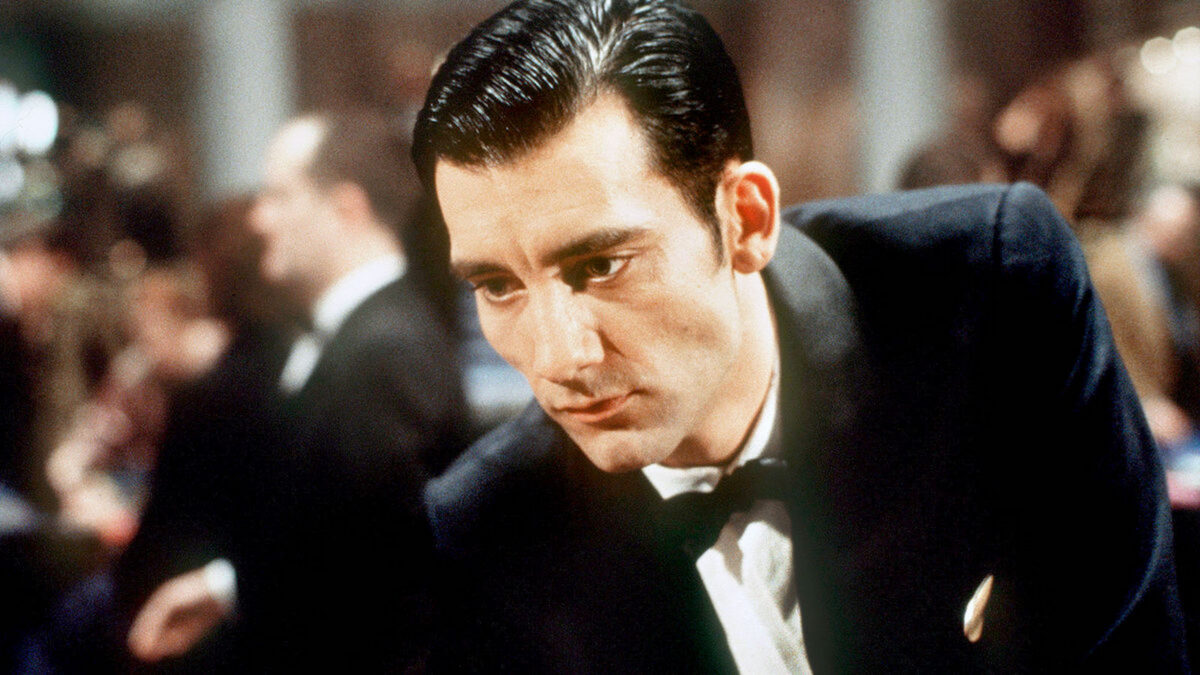















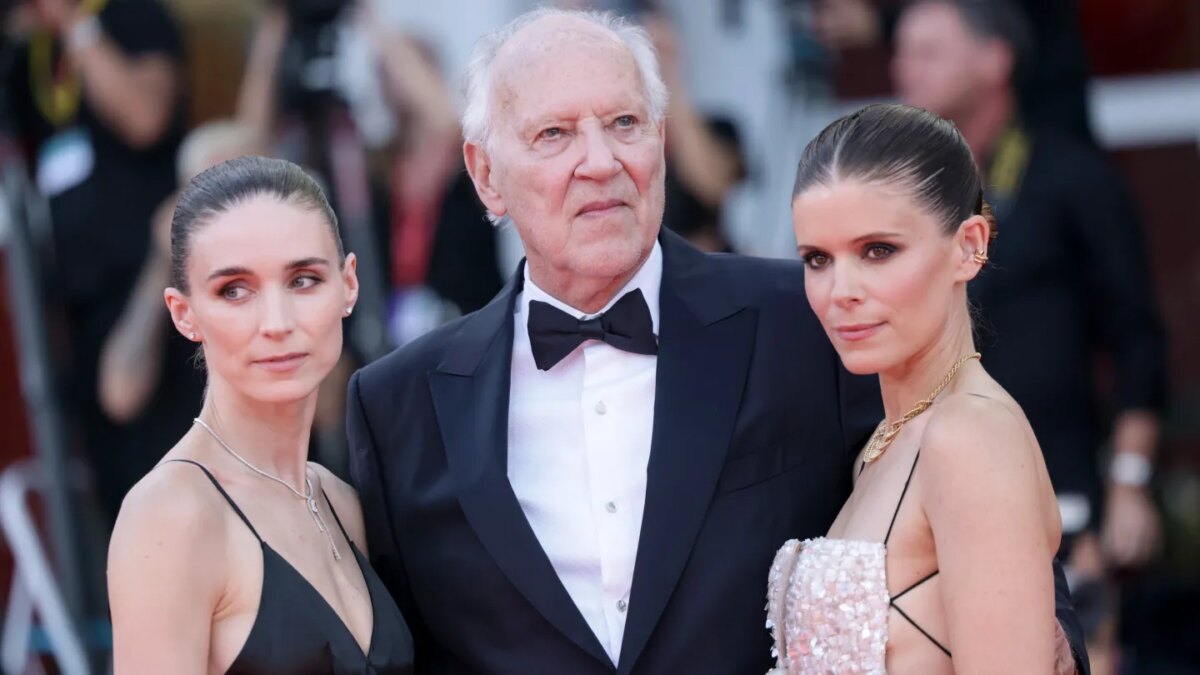

















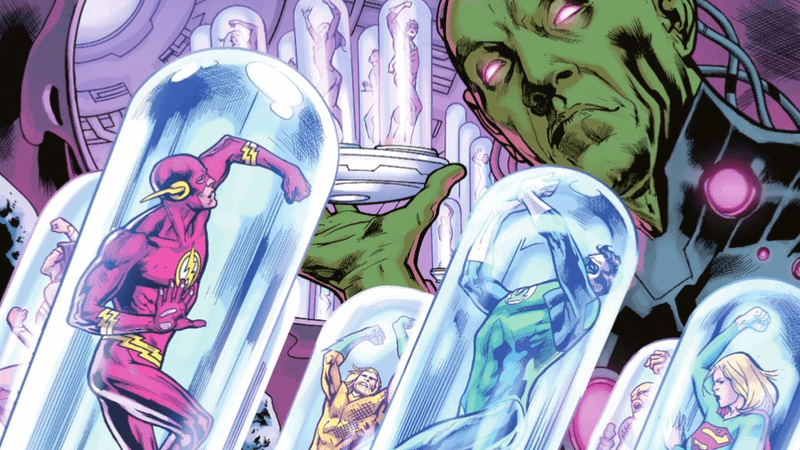
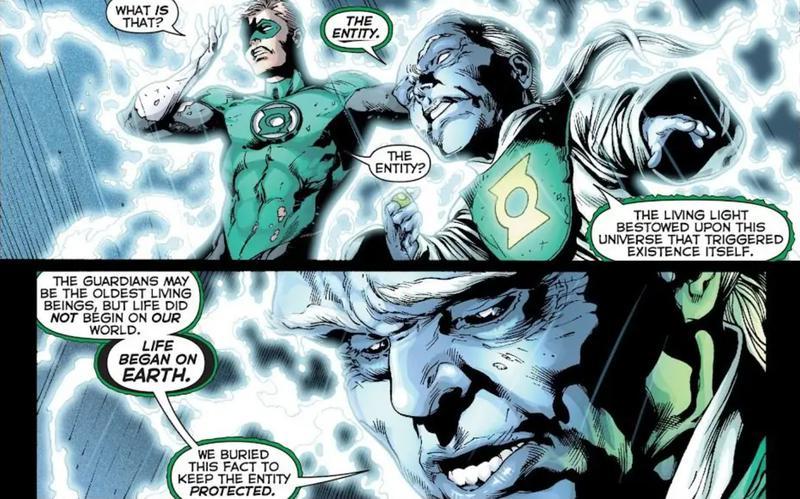


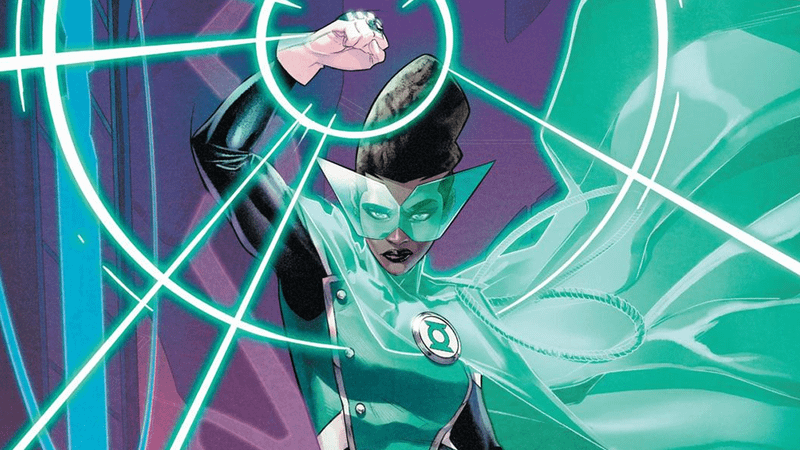







 Mastodon
 BlueSky