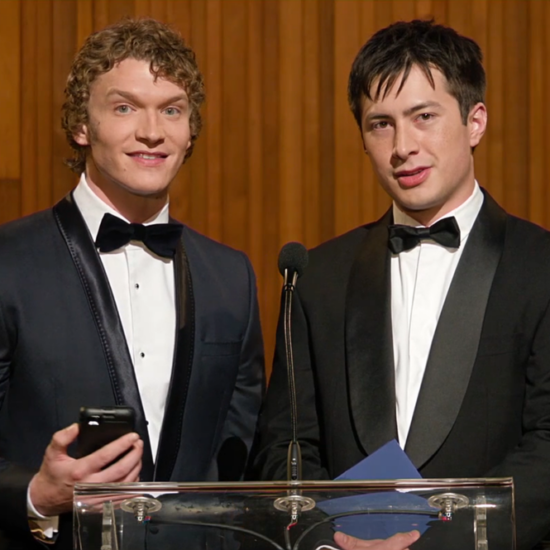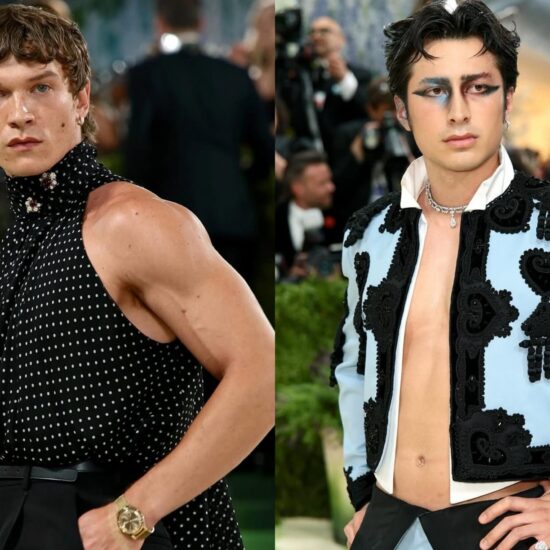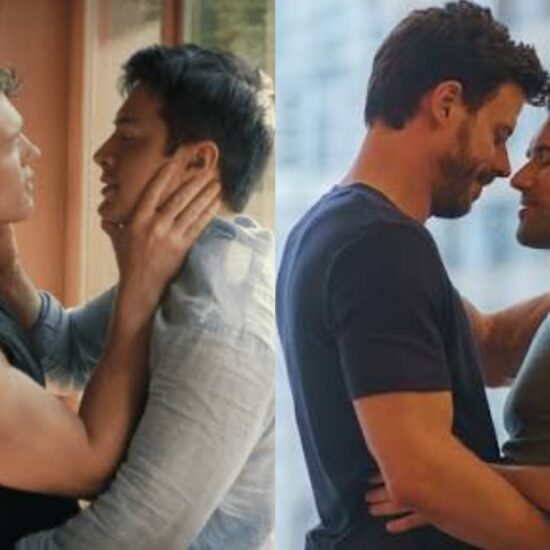


At a time when television has never been more global, the Television Academy is overlooking one of the year’s biggest breakout hits for a reason that has nothing to do with quality.
Despite becoming a cultural phenomenon, generating a passionate international fanbase, dominating social media conversations, earning critical acclaim, creating a massive global impact and sweeping award after award, Heated Rivalry isn’t eligible for the Primetime Emmy Awards.

Not because it wasn’t good enough. Not because audiences didn’t watch it. Not because critics ignored it. Because of a technicality.
In a recent column, Variety Co-Editor-in-Chief Ramin Setoodeh revealed that Heated Rivalry’s stars Connor Storrie, Hudson Williams and François Arnaud declined invitations to participate in Variety’s prestigious Actors on Actors series. According to Setoodeh, the reason was simple: the series isn’t eligible for this year’s Emmys due to Television Academy rules regarding international productions.
Under current guidelines, foreign television productions are only eligible for the Primetime Emmys if they receive meaningful creative and financial backing from U.S. partners before production begins. Because Heated Rivalry was produced and financed in Canada by Crave before later finding a U.S. home on HBO Max, it falls outside the Academy’s eligibility requirements.
The question isn’t whether the Television Academy is following its own rules. It is. The bigger question is whether those rules still make sense in today’s television landscape.
As Setoodeh wrote while discussing Heated Rivalry’s Emmy ineligibility:
“When a show captures the attention and affection of so many stateside, why does it matter where it was produced? Aren’t the Emmys supposed to be a celebration of what we actually watch? And haven’t we learned over and over again during Hollywood’s streaming age reinvention that a new and important voice can come from unexpected places, and that old rules are made to be broken?”

It’s a difficult question to ignore. Because by almost every metric used to measure success in modern television, Heated Rivalry succeeded. The series generated worldwide discussion, built an intensely dedicated fanbase, earned critical acclaim, launched its stars into the spotlight, and proved that queer love stories can attract mainstream audiences on a global scale. Yet none of that matters when it comes to Emmy eligibility.
The result is a bizarre situation where one of television’s most talked-about shows cannot even enter the race. Hudson Williams and Connor Storrie both deliver incredible performances in the show, performances that should garner at least a nomination from the Television Academy. While Williams recently received a Canadian Screen Award for his performance as Shane Hollander, Williams and Storrie will most likely be shut out of The Emmys and Golden Globes due to the show’s ineligibility.
The rule may make sense on paper. It was designed to distinguish American television from international productions. But in an era where streaming platforms have erased borders and audiences consume content from around the world with a single click, the policy feels increasingly outdated.
After all, viewers aren’t asking where a show’s production dollars originated before deciding whether to watch it. They’re asking whether it’s good. And by almost every measure that matters, Heated Rivalry has been a success.
The adaptation of Rachel Reid’s beloved novel became far more than a niche romance series. It broke into the mainstream conversation, introduced countless new viewers to queer storytelling, and turned its cast into overnight stars. Social media engagement surrounding the show has been immense, fan events have drawn enthusiastic crowds, and the series has earned praise for both its emotional storytelling and performances.

Perhaps most importantly, it demonstrated that LGBTQ+ stories are not limited to a specific audience. People watched because they connected with Shane and Ilya’s story. That kind of cultural impact is exactly what major awards bodies should be celebrating.
Instead, the Television Academy finds itself in the awkward position of excluding a show that many viewers would reasonably expect to see competing alongside television’s biggest contenders.
Setoodeh put it best when he argued “the Emmys need “Heated Rivalry” more than “Heated Rivalry” needs the Emmys.”
Awards shows rely on relevance. They rely on audiences feeling invested in the nominees and winners. When some of the most talked-about shows of the year are absent from the conversation due to eligibility loopholes, it raises questions about whether the rules are serving television as it exists today.
The irony is that Heated Rivalry isn’t being excluded because it failed to reach American audiences. It did. It isn’t being excluded because it lacked cultural impact. It clearly had it. It’s being excluded because of where its financing originated before cameras started rolling.
That distinction may have mattered decades ago. In 2026, it feels increasingly disconnected from how television actually works.
Streaming has transformed entertainment into a global marketplace. Viewers move seamlessly between American dramas, British thrillers, Korean hits, Spanish crime series, and Canadian productions without giving much thought to national borders. Success is measured by impact, conversation, and audience engagement, not production geography. Heated Rivalry’s absence from Emmy consideration raises an uncomfortable question:
If one of the most celebrated and culturally significant television shows of the year can’t even qualify for consideration, are the rules still rewarding the best television, or simply the right paperwork?


Fangirl and Writer with a huge passion for entertainment.