




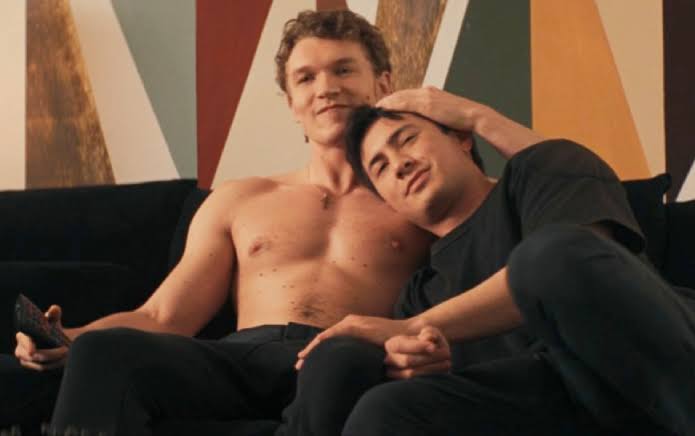
When the Crave Original series Heated Rivalry first captured the attention of audiences, most people saw it as what it appeared to be on the surface: a deliciously tense enemies-to-lovers romance set in the high-stakes world of professional hockey. The show, which is now HBO Max‘s top acquired scripted series ever has doubled its audience since the finale arrived on December 26th urpassing 10.6M U.S. viewers to date.
As both a fan and a writer, it’s amazing to see the effect this show has had on people, but what has been truly remarkable is how far its impact has stretched beyond fiction and beyond numbers.
What began as a story about two rivals falling in love has quietly, and sometimes loudly, generated a ripple of real-world good that few could have predicted.
At a time when fandoms are often associated with drama, division, or toxicity, Heated Rivalry has instead become a case study in how storytelling can inspire generosity, visibility, courage, and community outside of a single show.
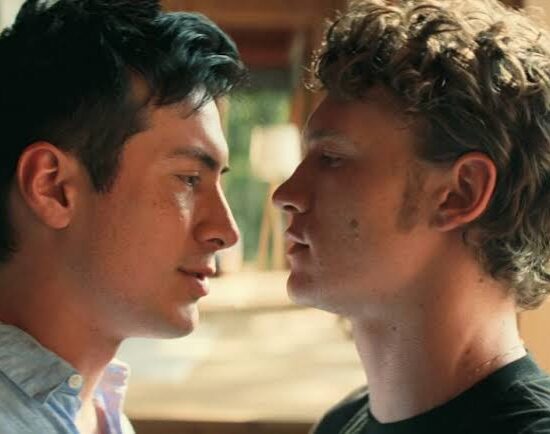
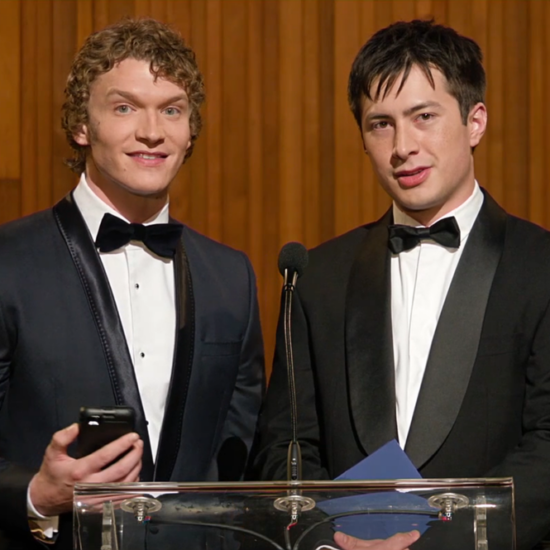
Adapted from Rachel Reid’s Game Changer novel series, Heated Rivalry follows Shane Hollander (Hudson Williams) and Ilya Rozanov (Connor Storrie), two elite hockey players whose bitter rivalry slowly transforms into something much deeper, more vulnerable, and ultimately romantic. What set the story apart wasn’t just the chemistry or the tension, but its emotional sincerity. Grounded by brilliant and deeply moving performances from Storrie and Williams, the show treated queer love not as a subplot or novelty, but as the beating heart of the narrative.
:max_bytes(150000):strip_icc():focal(736x320:738x322):format(webp)/heated-rivalry-122325-03845ecc242141f393451ccd0ebf0e3f.jpg)
That combination of sharp banter, raw emotion, and meaningful representation is what made audiences latch onto it so fiercely, and what allowed its impact to extend far beyond the screen.
Heated Rivalry stands out for the way it handles consent, not as something that needs to happen in the background or a brief moment of caution, but as a central pillar of the relationship. The show places communication at the forefront of Shane and Ilya’s intimacy, with the characters openly expressing their needs, boundaries, and emotions while consistently checking in with one another. This matters, especially in a media landscape where many people’s understanding of intimacy is shaped by what they see on screen.
Beyond that, the series actively challenges the narrative of toxic masculinity that has long dominated sports stories. Instead of equating strength with emotional repression or dominance, Heated Rivalry portrays vulnerability, tenderness, and mutual respect as forms of power, offering a refreshing and necessary reimagining of what masculinity can look like in both love and sport.

One of the most deeply moving outcomes of the show’s success has been what it meant for Heated Rivalry author Rachel Reid. Reid was diagnosed with Parkinson’s around the time she was approached about her book being adapted into a series. Thanks to the overwhelming popularity of the adaptation, Reid was able to receive a specialists help for her Parkinson’s. Care that became more accessible because of the renewed attention and financial success tied to the series. The love audiences poured into Heated Rivalry quite literally helped support the health and well-being of the woman who created it.
One of the quietly impactful outcomes of the show’s popularity came through fashion. The official fleece worn by Hudson Williams in episode two at the Sochi Williams quickly became a fan favorite, with viewers campaigning for an official version to release. Recognizing both the demand and the opportunity to give back, Province of Canada teamed up with Accent Aigu Entertainment (The production company run by the show’s creators, Jacob Tierney and Brendan Brady) to release an official version of the fleece, with 10 percent of all proceeds being donated to an LGBTQ+ charity.
.jpg)
What could have been just another piece of show merchandise instead became a small but meaningful way for fans to support real causes.
In another powerful real-world outcome, the NHL’s Ottawa Senators released Heated Rivalry-themed jerseys, but this wasn’t just a branding moment. Proceeds from the jerseys went directly toward supporting a local LGBTQ+ hockey league, providing funding, visibility, and resources to players who often face barriers in the sport.

For many fans, this felt like a meaningful full-circle moment: a fictional queer hockey romance leading to real investment in queer athletes and inclusive spaces.
Perhaps one of the most widely celebrated impacts of Heated Rivalry came from real-life hockey player Jesse Kortuem, who credited the show with helping inspire him to come out publicly. His statement, “There is room for all of us on the ice” quickly became more than just a quote. It turned into a message of hope for LGBTQ+ athletes, fans, and anyone who has ever felt like they didn’t belong in a traditionally masculine or heteronormative space.
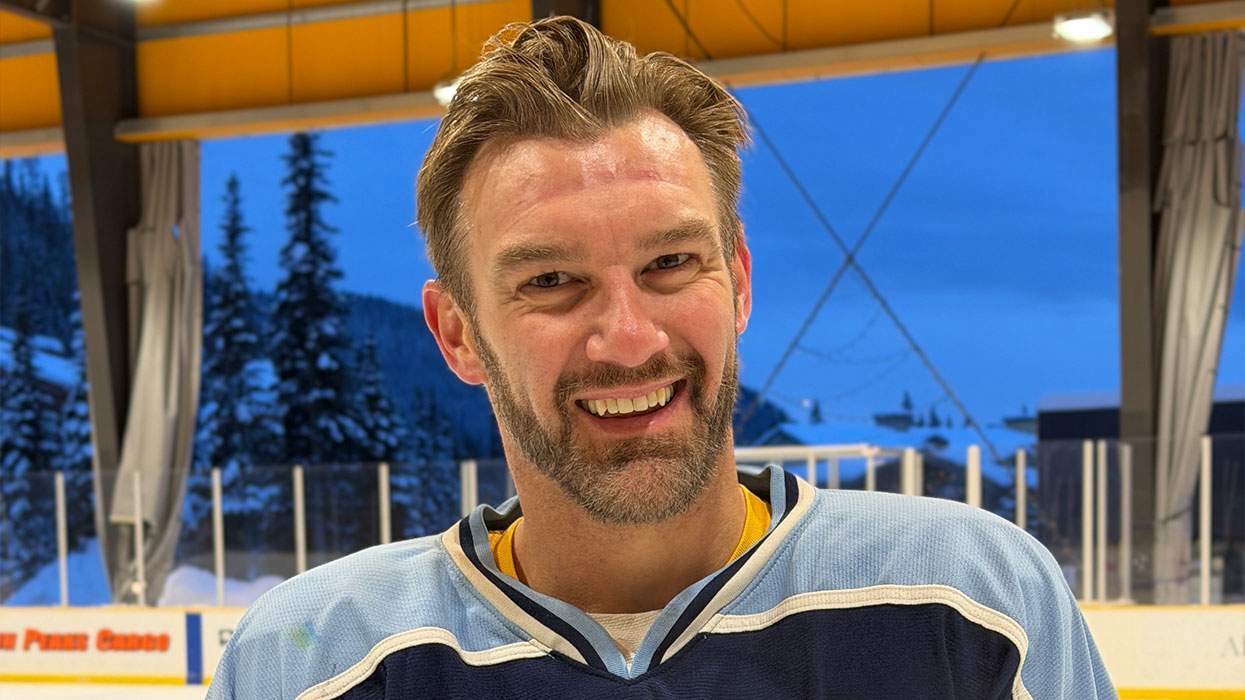
Kortuem’s moment underscored something crucial: representation doesn’t just matter in fiction. Seeing stories like Heated Rivalry can give real people the courage to live more openly and authentically.
In a striking example of the series’ global reach, viewers in Russia reportedly defied the country’s restrictions on LGBTQ+ content to watch Heated Rivalry, making it one of the top-rated shows among those who accessed it. Particularly since one of the show’s main characters was Russian.
Connor Storrie, who portrayed Ilya Rozanov, delivered one of the show’s most compelling performances. He underwent intensive training to master the Russian dialogue and accent, immersing himself in the language to ensure authenticity. His on-screen delivery of Ilya, an intense, guarded figure, yet deeply vulnerable beneath the surface, was nothing short of remarkable.

This wasn’t just about entertainment, it became a quiet form of resistance. Fans sought out the series despite government bans, drawn to its emotional depth, romance, and authenticity. The fact that people were willing to go out of their way to watch a queer love story speaks volumes about its cultural power and universal appeal.
Actor Francis Arnaud, who plays Scott Hunter in the series, used his appearance on The Kelly Clarkson Show to challenge the NHL to follow through on its support for LGBTQ+ players.
“I hope that the league that is now using the show for tweets and Instagram posts and selling tickets, that it actually follows through and supports openly in the league and in the players.”
Rather than treating Heated Rivalry as “just a show,” Arnaud connected its themes to real-world responsibility, urging the league to move beyond symbolic gestures and actually create safer, more inclusive environments for queer athletes. His comments sparked important conversations among fans, players, and sports audiences about what true allyship in professional hockey should look like.
Beyond professional leagues, the influence of Heated Rivalry has been felt at the grassroots level. Interest in recreational hockey leagues for LGBTQ+ players and allies has skyrocketed since the show’s release. Chicago Pride Hockey announced that they had received around 60 inquiries at the beginning of the year alone. Many people who had never considered playing before felt inspired by the story’s blend of competition, camaraderie, and romance.
For others who had previously felt unwelcome in traditional sports spaces, the show helped them imagine a version of hockey where they could belong. In this way, Heated Rivalry didn’t just create fans, it helped build real, inclusive communities.
Adding to this wave of positivity, libraries across Canada and the United States have begun offering unlimited downloads of Heated Rivalry e-books and audiobooks. This move has made the story accessible to a much wider audience, including students, low-income readers, and those who rely on public libraries. It also signals institutional recognition of the demand for queer romance and storytelling. By removing financial barriers, libraries have helped ensure that more people can experience the story, and its message, regardless of their circumstances.
In an online world that can often feel isolating or hostile, Heated Rivalry became a space of connection, creativity, and collective celebration.In the end, Heated Rivalry has proven that stories can matter in ways far beyond entertainment. It showed how pop culture success can translate into concrete community support.
Beyond all of this, perhaps the most beautiful impact of Heated Rivalry has been the community it created. Fans connected across countries and cultures through social media, fan art, fanfiction, edits, playlists, and discussions. Strangers became friends, creators found inspiration, and people found joy in shared enthusiasm, not just for the show but its actors as well.

These aren’t just a feel-good industry anecdotes. It’s a reminder that behind every beloved story are real people, and that fan enthusiasm can have tangible, life-changing consequences.
This series is one of the few we have seen in recent years to make queer love more visible, accessible, and celebrated. Shows like Heartstopper, Fellow Travelers and Love,Victor have paved the way for a show like his to not just succeed but to become a global phenomenon.
What began as a fictional rivalry between two hockey players has, in many ways, become a real-world love story between a piece of media and the people it touched.
And that might be its greatest victory of all.


Fangirl and Writer with a huge passion for entertainment.


immobilienmakler / February 18, 2026
i never came across a well indepth article like this, this is the second time i am reading it, i really enjoy it, thanx for the great work, i appreciate it, your new follower from the best immobilienmakler in berlin. immobilienmaklerberlin24.de
/