
Walk into any cinema or scroll through a streaming platform, and the pattern is hard to miss: sequels, reboots, remakes, and cinematic universes are everywhere. From long-running franchises to constant reimaginings of familiar classics, Hollywood can feel like it’s stuck recycling its own past.
And looking at what’s coming next, that feeling isn’t entirely wrong.
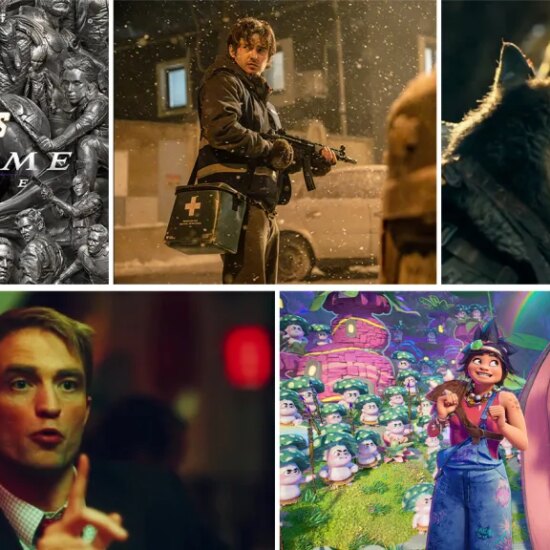
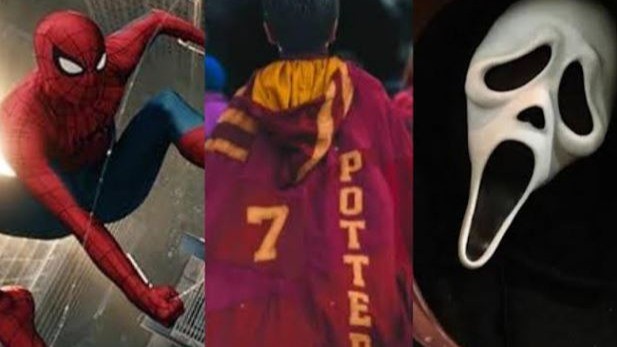
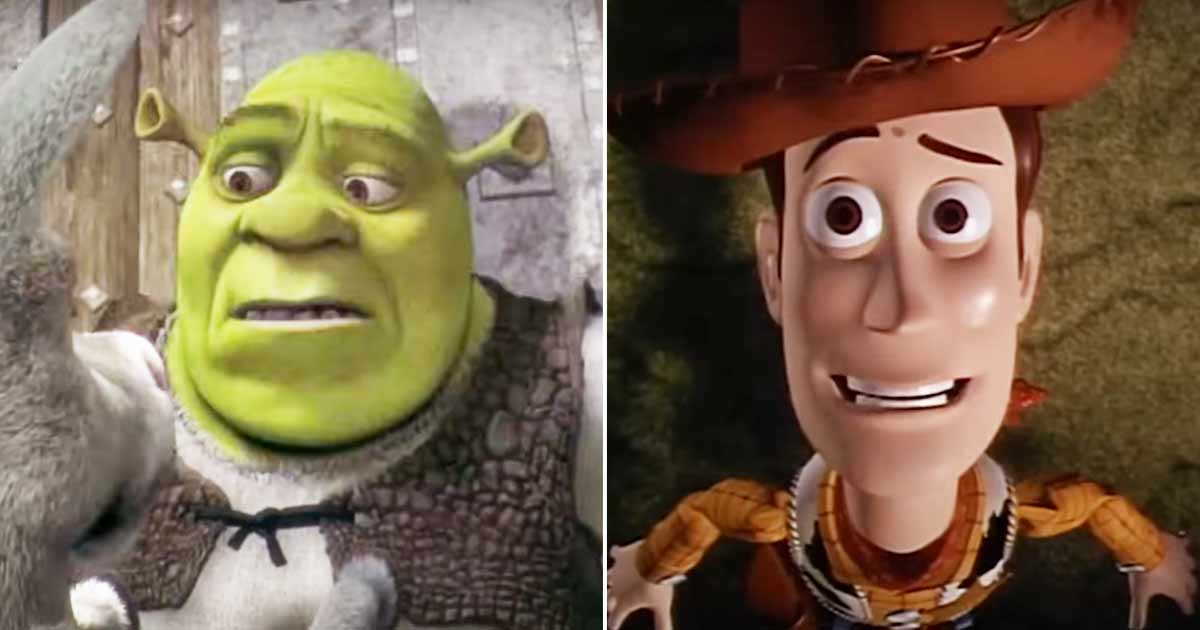
Studios continue to lean heavily on established IP, expanding franchises, and revisiting old favourites. Projects like Scream 7, Scary Movie 6, Toy Story 5, and Shrek 5 are clear examples of franchises being stretched, less because the story needs it, and more because the brand still makes money. And while they can still be entertaining, that often comes at the cost of originality.
That said, not all franchises are the same.
Films like Avengers: Doomsday, Spider-Man: Brave New World, Star Wars: The Mandalorian and Grogu and Dune: Part Three may still be part of the franchise machine, but they’re built differently. In larger universes like the Marvel Cinematic Universe, Star Wars, Avatar, and the DC Universe, each film usually serves a bigger story. These are examples of how not all franchises fall into the trap of repetition. Some continue to evolve, offering meaningful character development, high stakes, and fresh storytelling with each installment.

With Dune: Part Three expected to conclude the franchise, it follows a similar model we’ve seen work before in franchises like The Lord of the Rings, The Maze Runner, and The Hunger Games, where the story has a clear beginning, middle, and end, rather than being stretched indefinitely. Despite how most film prequels have turned out, The Hunger Games prequels have done surprisingly well. This year will see the premiere of the next Hunger Games film, The Hunger Games: Sunrise on the Reaping. Yet another example of a franchise being done in a way that retains the audience’s attention.
When a franchise is genuinely well-crafted, with strong writing, compelling arcs, and a clear vision, audiences stay invested, especially when each film feels essential to the overall story rather than an unnecessary extension. In those cases, it’s not about how many films there are; it’s about whether the story still has something to say.
Reboots and remakes are another sign of Hollywood playing it safe. Instead of investing in new ideas, studios often go back to what already worked. The reported reboot of the iconic 2000s rom-com 13 Going on 30 is a good example; many fans see it as an attempt to revive a classic that didn’t really need fixing. Why mess with perfection?
The upcoming TV adaptation of Harry Potter has also sparked mixed reactions. While some are excited about a more faithful version of the books, others are wondering why the story needs to be retold at all. Even the upcoming adaptation of Narnia by Greta Gerwig has fans wondering the same.

With yet another live-action Disney remake on the way with the release of Moana, one can’t help but wonder if Disney has anything original to say. At some point, audiences start to ask: Is this story still worth telling?
Some sequels that come to the screen after years pass are welcome additions, such as the highly anticipated Devil Wears Prada sequel or the sequel to Top Gun, which premiered in 2022.
Of course, this trend isn’t random. Franchises are safe. They come with built-in audiences, global recognition, and guaranteed hype. In a competitive market, especially with streaming in the mix, studios are more likely to back what they know will work. Fans like that feeling of familiarity, but still they crave something more. The only problem is that when unique and original films are made, fans don’t watch them. So the issue isn’t necessarily a lack of creativity in Hollywood. It’s a lack of attention.
But that doesn’t mean original films have disappeared.
Filmmakers like Christopher Nolan and Jordan Peele continue to push out unique, high-concept films. With projects like The Odyssey and The Drama coming up and films such as Sinners and One Battle After Another sweeping awards season, there’s still room for bold storytelling in Hollywood.
The problem is visibility. Smaller, original films, often get great reviews but struggle to compete with the marketing power of major franchises. As a result, they go largely unnoticed. Two of the most entertaining films of 2025 with standout performances was Caught Stealing and Twinless, but no one talks about them because just like most indie films, they get swallowed up in a world of franchise films. Studios aren’t necessarily out of ideas, they’re playing it safe.
Which brings up an uncomfortable question: are audiences part of the problem?
Franchise films dominate because people show up for them. Original films, on the other hand, often rely on word-of-mouth and take longer to gain attention, if they do at all. While audiences say they want fresh stories, their viewing habits tend to stick with what’s familiar.
So the real question becomes: Are people willing to take a chance on something unfamiliar? There’s a comfort in returning to known characters and worlds. Familiarity sells. But that same comfort can also limit the success of new and innovative storytelling.
So the issue isn’t just Hollywood running out of ideas. It’s also about what people choose to watch.
At the end of the day, franchises aren’t the problem on their own. When done well, they can tell meaningful, connected stories. The real issue is when they continue without purpose, when the focus shifts from storytelling to simply keeping a brand alive.
Original films are still out there. The question is whether audiences are willing to look beyond what they already know and give them a chance. Because if originality continues to be overlooked, Hollywood will keep going back to what it knows best: the stories we’ve already seen.


Fangirl and Writer with a huge passion for entertainment.