
“Less direction is better in pretty much everything.”
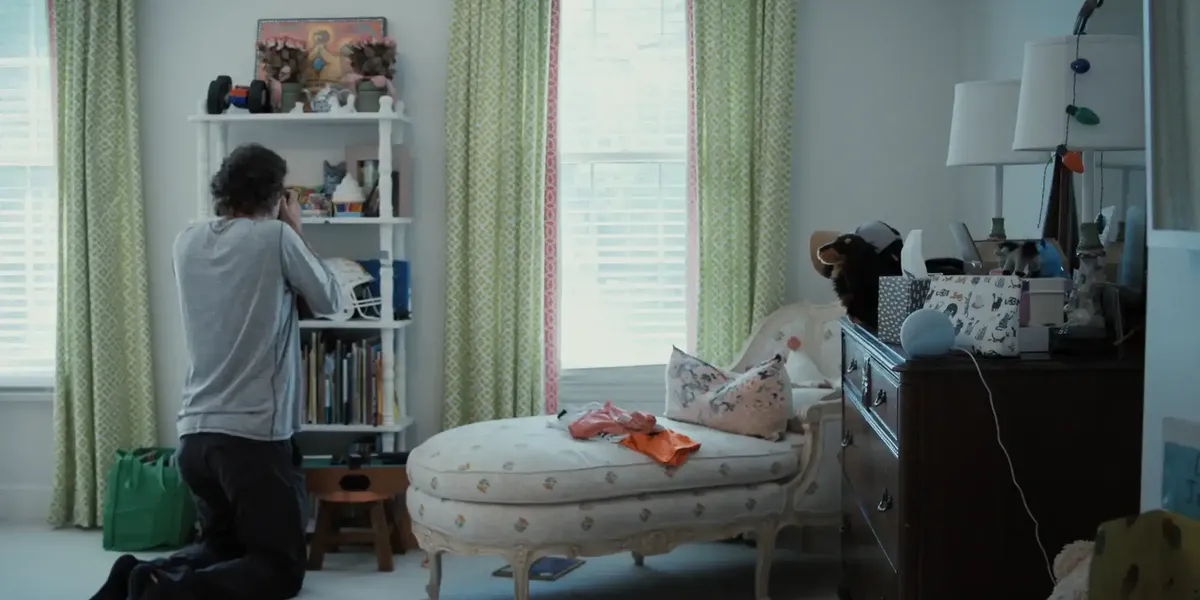
This is insight from award-winning filmmaker Matt Porwoll, DP of All the Empty Rooms, which won the Oscar for Best Documentary Short at the 98th Academy Awards. The film, directed by Joshua Seftel and streaming on Netflix, follows CBS correspondent Steve Hartman and photographer Lou Bopp as they document the untouched bedrooms of children killed in school shootings.
In a recent interview with Early Light Media, Porwoll breaks down his process. They discuss gear choices to how he thinks about rolling, cutting, and the one question he never wants to answer on set. Every answer builds toward the same thing, and it’s that the best documentary filmmakers get out of the way.
Check out the interview here and then dive into the big lessons.
– YouTube www.youtube.com
Figure Out What You’re Good At
Porwoll doesn’t direct. He says directly and a little self-deprecatingly that he’s “just” a cinematographer. It’s because he likes to stay hyper-focused on the minutia of what’s happening in front of him on his sets, so he knows he isn’t wired for the macro-level thinking directing requires.
If you know where your strengths are and don’t try to take on too much, clients can reasonably know what they’re getting from you. You don’t need to have this particular set of skills figured out immediately, but if you can identify your gifts and lean into them, the sooner you’ll be able to develop those skills even further.
Don’t Tell Your Subjects Where to Sit
We love a bit of practical advice, and this is definitely something to take away. On a new shoot, some DPs might ask, “Where would you like people to sit?”
Porwoll doesn’t want to answer that question. He says that the moment you start making even small adjustments for lighting or visuals or whatever, subjects become aware they’re being managed. That awareness changes their behavior.
Where people choose to sit relative to one another, how close they want to be to the interviewer, whether they arrange themselves to share photo books or to face each other across a table, is all storytelling information that you don’t have to manufacture. Directing it away removes something true from the frame.
The Camera Is Always Hot
On All the Empty Rooms, Porwoll was running the camera from the moment the crew arrived at each family’s home, which means through the greeting, any initial conversation, and the walk through the house.
You’ll want to be honest about when your camera is on, especially with jumpier people who do want to control where they look. But generally, there’s a philosophy in journalism and doc filmmaking, and it’s that if you’re meeting with a subject, they’re on the record unless they explicitly say that they want to be off the record.
Actually, Porwoll says that announcing you’re rolling is his biggest pet peeve.
Don’t say that you’re recording, he says, and don’t announce that you’re cutting. He says everyone should always assume the camera is hot. If he needs to stop, he’ll say so.
And when a director calls cut at the end of an interview, Porwoll doesn’t stop, because the moment a subject hears “we’re done,” they often relax, and that’s when the most unguarded material can come out. His actual cut signal isn’t a director’s call. It’s the person they’re speaking to. When they start repeating themselves, flattening out, losing energy, the real conversation is over.
As far as set-ups, he kept things natural in these moments, as well. As Porwoll and his team moved through the house, he maybe would suggest a general location for a discussion (a table rather than a kitchen island), but beyond that, nothing was staged.
This philosophy connects to his previous advice. How someone wants to present their story shows up in how they naturally move through a space. Engineering that away trades something real for something merely well-lit. Learn more about cinema vérité.
Porwoll has built a whole practice around reducing interference. The goal is to create conditions where real behavior can emerge, and that requires consistent, active discipline.
Less-experienced filmmakers tend to want control because control feels like competence. In documentary work, that instinct can work directly against you.
– YouTube www.youtube.com
Bring Less Gear Than You Think You Need
I’m an over-packer even for short trips, and I’m unfortunately the same on film sets. I need to get better about it.
Porwoll shot All the Empty Rooms with a single camera for all vérité sequences and added a second only for formal interviews. He used Zoom lenses over primes because a lens change draws attention, takes time, and pulls focus from the family in the room.
More gear is more interference, which is, again, what he’s trying to avoid. Think about this as you’re putting together your camera package.
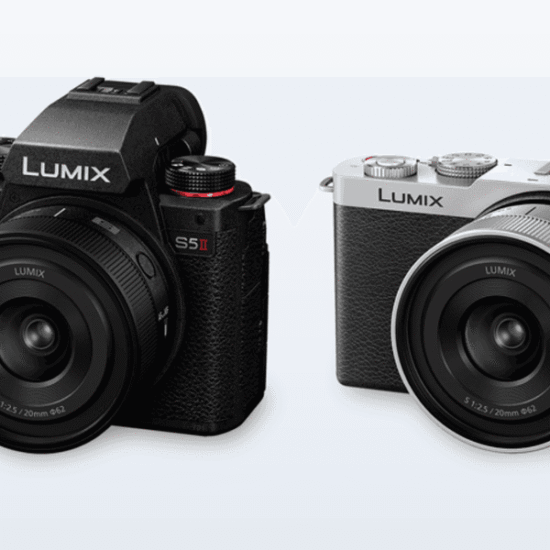
His kit included a Canon C500 Mark II and C70, and Angenieux EZ zooms.
Give Your Crew Permission to Feel It
A crew filming grieving families can’t always just compartmentalize and push through. On All the Empty Rooms, Porwoll and Seftel built in space for the team to pause after hard conversations instead of racing to the next location, and making it explicit that anyone who needed to step off the set could.
On a film where the entire goal is for the audience to feel something, a crew that’s emotionally present can be a strength. You might not be able to be a rock wall in the face of extreme grief.
You Can Build in the Edit
The film shows Hartman driving through Uvalde, passing murals of the children, when his daughter seemingly calls. It reads as spontaneous, almost impossibly well-timed.
It wasn’t, Porwoll admitted. The call happened in a hotel room at a different point in production. The edit built the scene.
You might not like that the documentarians used editing to contrast two moments that weren’t actually happening simultaneously. We’re not saying “make stuff up” for the sake of emotion. The moments did happen. It’s just that the contrast is created by really strong editing.