
Project Hail Mary has become a box-office behemoth, not to mention an online and fandom hit, with inspired creators making edit after edit of the hopeful scientist and his alien companion. The film has been perfectly timed to the zeitgeist, too, with the emotional Artemis II moon mission uniting space lovers around the world.
Adapting the popular book by Andy Weir, screenwriter Drew Goddard created a complex, inspiring sci-fi thriller that has captivated audiences. And one of the reasons fans are losing their minds over the story is a twist that almost didn’t survive the development process.
With his directors Phil Lord and Christopher Miller, Goddard fought to keep this element of the story in. It might have been a risky structural choice, but the story is better for it.
Check out how he speaks about it here with Josh Horowitz (and be warned, there are spoilers for Project Hail Mary below).
The Twist That Was Almost Cut
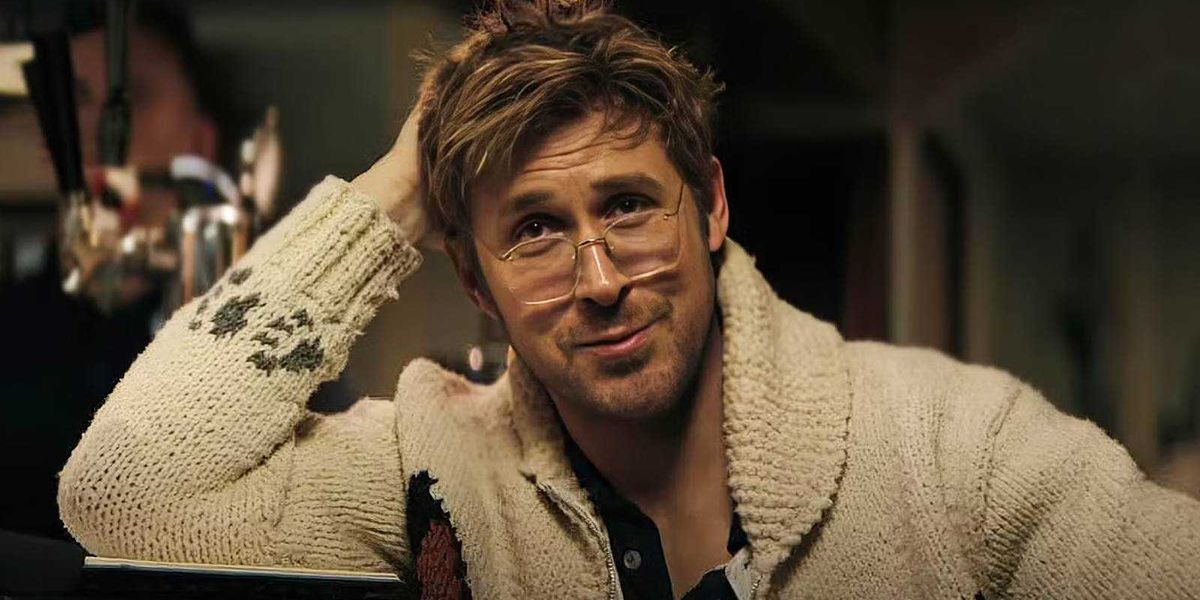
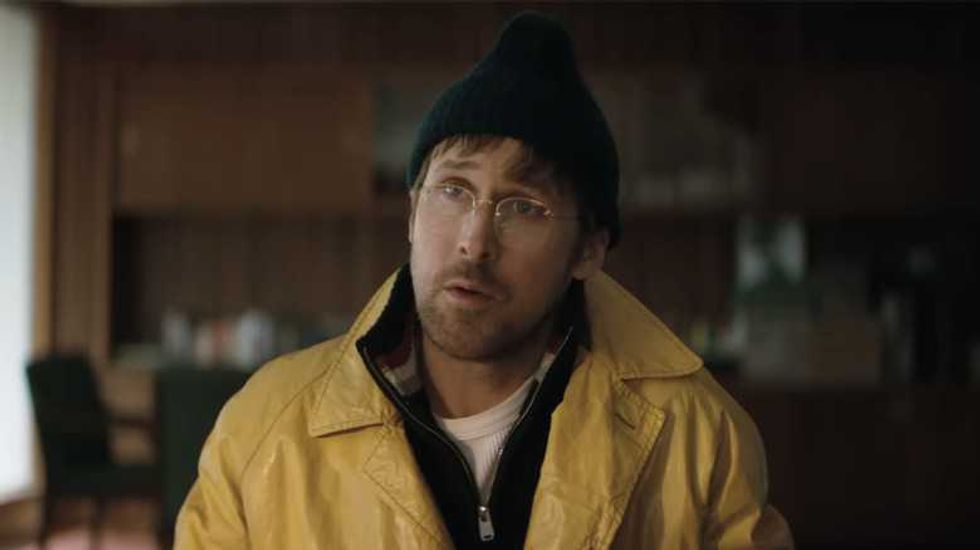
In the story, the Earth’s sun is being essentially eaten by an alien cellular lifeform. Sandra Hüller’s character, Eva, leads a task force to find a solution, and Ryan Gosling’s Grace joins her. The movie flashes forward and back between this prep time and later, when Grace wakes, confused, on the Hail Mary. He doesn’t know why he’s there.
In the past timeline, the mission to visit a distant star comes together but loses its science team in an explosion. With the launch date near, Eva forces Grace onto the mission against his will.
This is the twist that comes late in the film, reframing him from hero to reluctant participant, a move that fundamentally recontextualizes the story you thought you were watching.
Goddard said the moment in the book moved him.
“When I got to that moment in the book, the hair stood up on the back of my neck. I thought, ‘Oh my god, I didn’t see this coming.'”
And he’s someone whose job is to see these things coming. What a gratifying feeling, to surprise another writer!
Project Hail Mary Credit: Amazon/MGM
Why Studios Are Afraid of Twists
Horowitz points out the danger in a twist like this. Your big hero doesn’t actually want to be on this adventure—is that going to make him unlikable?
You’ll find people at all levels of the creative process really push back on complicated, messy characters who don’t always do the right thing. It might be your reps, who want your heroes to be tidy and easy to root for. Or it could be the execs in charge of greenlighting your project. They’re usually risk-averse.
“It was under fire for the whole time,” Goddard says.
Nobody put the hammer down, but the second-guessing was real and persistent. But the concern that you’re asking an audience to re-evaluate a hero they’ve invested in is indeed a risk.
“It’s more just, they’re afraid,” he says. “They’re afraid because we haven’t seen that before. So often the things that I love are the very things that make everyone afraid because they’re different, right?”
If a twist is something that excites you and plays well with your concept, it’s worth fighting for.
Win the Battle, Lose the War?
Getting a twist greenlit under duress doesn’t mean it survives. A reluctant “yes” at the script stage can just as easily lead to a cut in post. Goddard’s solution isn’t to fight. It’s to build consensus by helping collaborators see what he sees.
“First and foremost, your main trick is to explain hope, to inspire them to see what you see,” Goddard advises. “Because it doesn’t really work—you can win the battle but lose the war, right? Like that’s such a big move, if they go with it begrudgingly, later they’re going to second-guess, and it’ll get cut out of the film. So you have to really build consensus, and build it with everyone so that it’ll work; otherwise, it’s not going to work.”
As a writer or director, you really have to understand your story and your characters. Can you justify a risky twist thematically? Can you advocate why and how something like this serves your plot?
 Project Hail Mary Credit: Amazon/MGM
How You Earn a Twist as a Writer
The reason Goddard could fight for this twist with confidence is that it’s structurally sound. It’s not a “gotcha,” it’s a reframe that makes the whole story richer in retrospect. It’s plant and payoff.
The best twists aren’t surprises bolted onto a story; they’re the story, and when they come to light, they feel organic, and the surprise comes from the realization that the answer was in front of you the whole time. As a viewer, you think, Of course.
The Sixth Sense works the same way. The ending doesn’t change what you watched; it clarifies it.
Goddard’s Ending and What It Teaches
Goddard also singles out the film’s ending. In the final scene, we see Grace teaching a class of Eridian children on Rocky’s planet. It’s a little bit cutesy, but it does tie things up nicely and point to Grace’s future.
And this moment had its own fight.
Lord, Miller, and Goddard “stacked hands” on it. Lord says, “We were like, ‘No way are we going to f*cking change this ending.’ We are going to hold the line, because this makes the movie interesting. It differentiates it” (via IndieWire).
Again, they knew that the ending was tied to Grace’s character arc. He felt out of place on Earth; now he’s found his place with his best friend, and it was important for them to show what that looks like.
Takeaways for Writers
Writers, here’s what you can learn from Goddard.
Trust the moment that surprises even you. You’re probably aware a lot of the time of structure and foreshadowing, so it’s hard to surprise us.
When you’re working on a team and need to rally everyone around a beat, build consensus, don’t just win arguments.
A great twist should recontextualize everything. It doesn’t just shock.
Plant and payoff is what separates a gimmick from a revelation.
You’re probably going to have to fight for something in your script at some point. So go in prepared, and know why you’re fighting for that thing.