
The 1960s were a golden era for TV theme songs. Throughout the decade, the likes of Gilligan’s Island, Green Acres, and Rawhide welcomed in new and returning viewers with catchy statements of purpose and premise; one of the era’s defining intros only needed a single word and some vocables to get its point across. When the British spy series Danger Man came to the United States as Secret Agent in 1964, its imitation James Bond gained an imitation “James Bond Theme,” and for the next two years, each new mission for John Drake (Patrick McGoohan) was preceded by the refrain “they’ve given you a number, and taken away your name.”
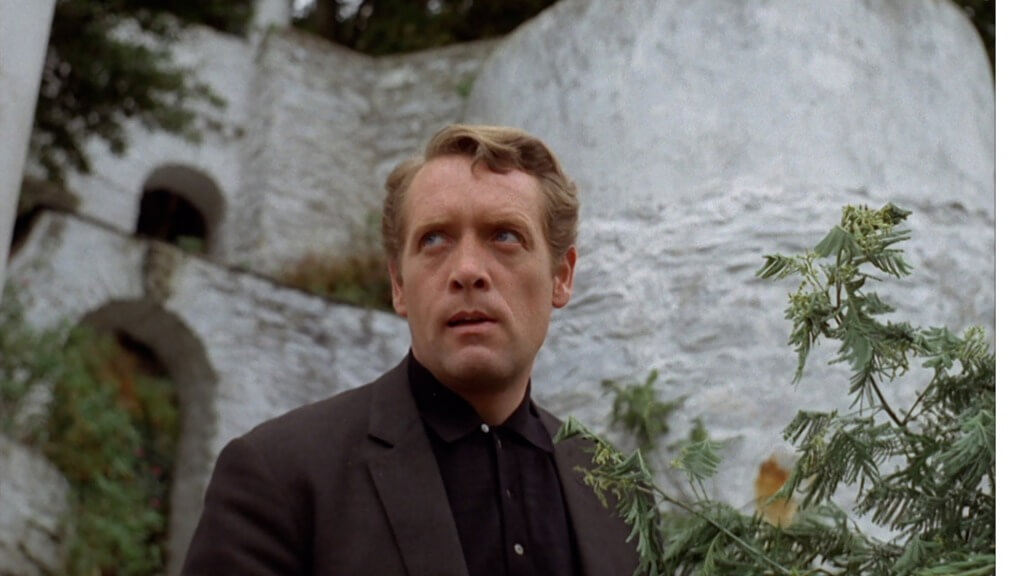
The next time McGoohan fronted a TV show, things started on a different note. Almost every episode of The Prisoner begins by conveying the required details in what’s practically an experimental short film. An unnamed British intelligence agent (McGoohan, doing such a riff on Drake that persistent fan theories suggest The Prisoner is a Danger Man sequel) speeds to his superior’s office, angrily quits, packs to leave, and is drugged via gas through his keyhole. He awakens in a carefully constructed place known only as “The Village,” a seaside community cut off from the rest of the world. Given a number (Six) instead of a name, our protagonist runs into the shadows, proclaiming: “I am not a number! I am a free man!”
This was cutting edge stuff for 1967 (or 1968, when CBS first broadcast The Prisoner in the U.S.). It’s still pretty outré for 2026, which explains why the single-season show has been a secret handshake among multiple generations of the hip and in-the-know, who understand The Prisoner’s essential place in TV history—whether or not they’ve actually seen it. Futilely remade by AMC, parodied by The Simpsons, and name-dropped by the “professional appreciators” of High Fidelity, it has seen its legacy grow as more and more acclaimed series adopted its artful and elliptical ways. The surreal new reality of Pluribus, the trapped survivors of Lost, and even the existential dread of Twin Peaks owe a debt to the show’s general refusal to explain nearly anything. But the canonization of The Prisoner gave the show a reputation built more on what it inspired than what it actually is.
And what The Prisoner is—as made apparent by the remastered version of the series that’s now streaming on Criterion Channel—is immediately fun and thematically ahead of its time. It’s not just a show that taught future TV creators it was okay to be weird; it’s a show that speaks to the issues of 2026 even more than it did to those of 1967: the way we trade personal information like currency, or the pervading sense that we’re all pawns in an unwinnable game. The Village’s web of cameras, listening devices, and informants was once mere metaphor for the ways governments and other institutions surveilled, trailed, and harassed marginalized communities, revolutionaries, and anyone else the powers that be deemed “subversive.” Today, they’ve been literalized, commodified, and normalized by Palantir, Ring, and Citizen—it’s a wonder none of these torment nexus peddlers has adopted the villager’s ominous parting gesture, “Be seeing you,” as an advertising tagline. It’s long been said that you need to watch The Prisoner to really “get” shows like Lost, From, and Twin Peaks. It might be truer to say that you need to watch The Prisoner to understand life in the 2020s.