
Mark: You have said that Google used to be incredibly rigorous about ensuring it surfaced accurate results, but that focus has disappeared in the AI era. Why do you think that is?
Ryan: It is obvious that there is urgency here, but this is the first time where a massive consumer product has arrived half-baked. The public has served as the de facto quality assurance team. It could be because of the enormous [capital expenditures] it laid out to come to market.
Mark: There is an obvious tension between your desire to remain accessible and your ability to continue operating as traffic declines. When does NPR reach an inflection point and have to do something drastic?
Ryan: Every media organization is facing that dilemma. The trend line is going down; the diminishing returns of search are pretty dramatic. We are using Piano to optimize our on-site engagement, while working to more effectively draw in audiences from popular off-platform destinations, like Tiny Desk on YouTube.
Mark: Funny enough, I spoke with Zach McCune, the director of brand at Wikimedia, about this same topic. They feel a similar tension between their mission—providing access to the world’s information—and their continued ability to operate without traffic.
Ryan: I was the chief of staff at the Wikimedia Foundation for almost three years. This is the second time they have been around the block, following Google’s launch of the Knowledge Bar. That time, Google was so careful. They had a team of engineers who scraped Wikipedia in real time but would delay information on health, finance, and living people, because they wanted to ensure that people never made a consequential decision about their lives with inaccurate information. Contrast that with the way they are behaving now, and it is night and day.
Pulled Quotes
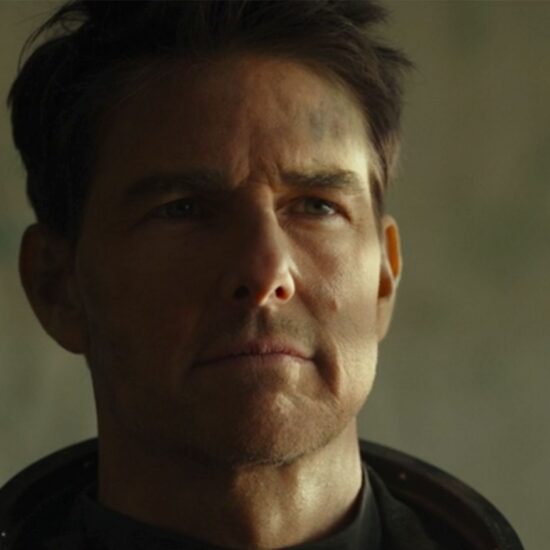
“I just haven’t had the time, with the amount of things that I set in motion …”
Tom Cruise, on why he hasn’t done an interview in 14 years
READ MORE
“We are guests of Ralph Lauren, and I am in awe of how they have made a mini Polo Bar at Arthur Ashe Stadium.”
Vogue editor in chief Chloe Malle, on her experience at the U.S. Open
READ MORE
“I haven’t resolved that conflict—if I’d like to be a populist, or highbrow. That’s why I do both.”
The New York Times’ newly appointed media columnist Michael Hirschorn, in a 2007 Observer profile
READ MORE
“By the time I got home, I had concluded, based on a multitude of examples, that the two great pillars of American culture are church and self-storage.”
New Yorker journalist David Owen, on the uniquely American phenomenon of storage facilities
READ MORE