
Romance films have always shaped how people think about love. Long before dating apps, social media, and online messaging became part of everyday life, movies were already teaching audiences what attraction should look like, how chemistry should feel, and what meaningful relationships were supposed to become.
From classic Hollywood romances to modern streaming-era dramas, film has consistently influenced the emotional expectations people carry into their own relationships. The problem is that modern dating no longer works the way romance films suggest it should.
Today, relationships often begin through apps, text messages, Instagram replies, or carefully curated online profiles. Attraction develops through screens before real-world interaction even happens. Yet many people still subconsciously expect their dating experiences to unfold with the same emotional intensity, confidence, and certainty they see in films.
That gap between cinematic romance and digital reality has changed how people communicate, interpret attraction, and judge compatibility. Romance movies may still offer escapism, but they also shape unrealistic expectations that many modern relationships struggle to meet.
Romance Films Made Perfect Communication Look Normal
One of the biggest influences romance films had on modern dating is the idea that emotionally perfect communication should come naturally.
In films, characters always seem to know exactly what to say. Conversations flow effortlessly. Emotional tension feels carefully timed. Every line pushes the relationship closer to a meaningful breakthrough or dramatic turning point.
Real online dating is far less polished. Most people spend far more time second-guessing messages, interpreting delayed replies, or wondering how they come across digitally. Online conversations are full of awkward pauses, mismatched expectations, and uncertainty that films rarely show honestly.
This becomes even more noticeable in dating environments where communication carries stronger expectations from the start. In relationships built around lifestyle, status, or financial dynamics, for example, understanding how to talk to a sugar daddy for the first time is usually less about using dramatic charm and more about confidence, clarity, emotional awareness, and understanding social boundaries. Modern romance films rarely prepare audiences for those kinds of realistic interactions because cinematic dialogue is designed to entertain rather than reflect how people actually communicate online.
This disconnect has created a generation of daters who expect instant chemistry and emotionally intelligent conversations from the very beginning. Many people abandon conversations too quickly because they do not “feel right” immediately, forgetting that real emotional connection often develops gradually rather than cinematically.
Film Threat itself explored similar ideas in its feature on romantic films and their impact on real-life dating expectations, highlighting how movies continue influencing modern perceptions of love and attraction.
Streaming Platforms Intensified Romantic Expectations
Streaming platforms changed romance storytelling dramatically over the last decade.
Older romance films often focused on emotional development over time. Modern streaming content tends to prioritize emotional intensity, dramatic tension, and highly stylized relationships that keep audiences emotionally invested episode after episode.
Shows like Normal People, Euphoria, You, and countless Netflix romance dramas portray relationships as emotionally overwhelming experiences filled with obsession, constant tension, emotional ambiguity, and extreme vulnerability. These stories are visually compelling and emotionally addictive, but they also influence how viewers approach their own dating lives.
Many people now expect relationships to feel exciting immediately. Emotional calmness is sometimes interpreted as lack of chemistry. Stability can feel “boring” compared to the intensity audiences consume through streaming content every night.
This has affected dating apps especially. Swiping culture encourages instant judgments, rapid attraction, and endless comparison. The emotional pacing of streaming romances aligns perfectly with this environment because both reward immediacy over patience.
Streaming culture also blurred the line between romance and emotional chaos. Jealousy is often framed as passion. Emotional unavailability becomes mysterious and attractive. Toxic behavior is softened by aesthetics, attractive casting, and emotionally charged storytelling.
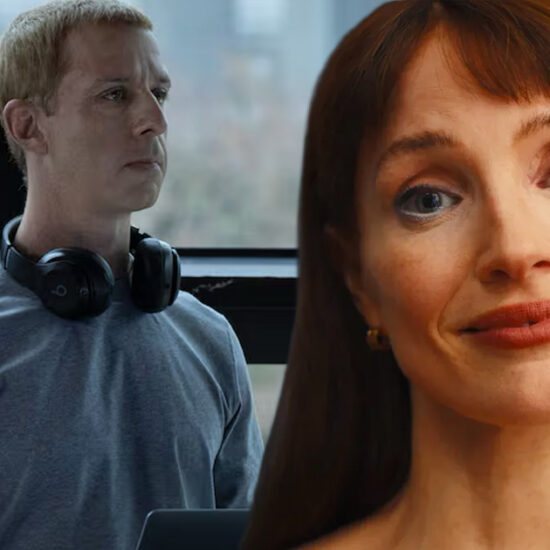
As a result, many viewers unconsciously normalize unhealthy relationship dynamics because they associate emotional instability with cinematic excitement. This is especially visible in relationship-driven dramas and thrillers, where attraction is often tied to secrecy, temptation, and emotional dissatisfaction. Shows like The Couple Next Door show how streaming stories can turn complicated relationship dynamics into addictive entertainment, which can subtly shape how audiences think about desire and commitment in real life.
Online Dating Turned Romance Into Performance
Modern romance films increasingly mirror the same performative culture that dominates social media and online dating.
Relationships today are not only experienced privately. They are often presented publicly through Instagram posts, TikTok videos, curated selfies, and relationship-centered online identities. Romance films reinforce this by presenting relationships through highly polished visual storytelling where attraction feels effortless and aesthetically perfect.
This has changed how many people approach dating apps and online communication.
Profiles are now carefully curated like personal brands. Conversations are managed strategically. Attraction is often judged visually before emotional compatibility is even considered. Many people feel pressure to appear emotionally desirable instead of emotionally authentic.
Films contribute to this by presenting romance as something visually cinematic rather than emotionally ordinary. Characters rarely deal with the repetitive, uncertain, and awkward aspects of real communication. Instead, every interaction feels meaningful and emotionally loaded.
That mindset influences how people behave online. Many daters now approach relationships almost like auditions, expecting immediate emotional payoff instead of gradual connection.
Romance Movies Simplified Compatibility
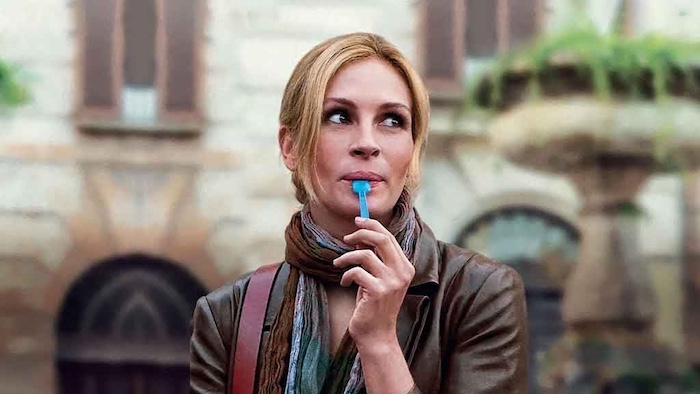
Another major issue is that romance films tend to oversimplify compatibility. In most movies, attraction itself is treated as proof that two people belong together. If characters feel emotionally drawn toward one another, audiences are expected to assume long-term compatibility naturally follows.
Real relationships are far more complicated. Compatibility involves communication styles, emotional maturity, timing, lifestyle alignment, values, and long-term goals. None of those factors develops instantly, yet romance films often compress emotional progression into a few dramatic scenes.
This has influenced modern online dating behavior significantly. Many people now expect certainty too early. They interpret hesitation as failure. If an attraction does not feel cinematic immediately, they assume the connection is wrong. Dating apps amplify this mindset because alternatives are always available with another swipe.
At the same time, some viewers become attached to emotionally unhealthy dynamics because films repeatedly portray emotional struggle as proof of passion.
Independent cinema has started pushing back against these unrealistic expectations. Many modern independent films portray relationships more honestly by focusing on loneliness, awkward communication, emotional uncertainty, and imperfect compatibility rather than idealized romance.
Film Threat often highlights these kinds of grounded relationship stories in its coverage of independent cinema and character-driven films. Articles discussing what makes a successful romance movie increasingly emphasize emotional realism over fantasy.
Social Media Made Cinematic Expectations Worse
Social media amplified everything romance films already encouraged.
For decades, movies shaped romantic ideals through carefully scripted storytelling. Social media transformed those ideals into constant visual comparison. People are now exposed to curated relationship content every day through Instagram couples, TikTok dating advice, relationship podcasts, and viral romantic moments. This creates an endless cycle of unrealistic comparison.
Films encourage idealized expectations. Social media reinforces them visually. Dating apps encourage people to evaluate endless alternatives. Eventually, many people become dissatisfied with ordinary emotional experiences because real relationships cannot compete with highly edited digital fantasy. Modern communication suffers because of this pressure.
People overanalyze messages. They expect conversations to feel emotionally significant immediately. They mistake inconsistency for mystery and emotional instability for depth because entertainment culture repeatedly frames those traits as desirable.
Streaming romances and social media aesthetics together created a version of love that feels highly performative rather than emotionally sustainable.
That is one reason more audiences are now gravitating toward films and shows that portray relationships with greater realism. Viewers increasingly appreciate stories where attraction develops slowly, conversations feel awkward, and emotional connection takes effort rather than instant destiny.
Independent Films Are Responding to Modern Dating Reality
Interestingly, some of the most emotionally honest relationship stories today are coming from independent cinema rather than mainstream Hollywood.
Independent filmmakers have become more willing to portray dating realistically. Instead of presenting love as magical certainty, many modern indie films focus on emotional confusion, digital loneliness, failed expectations, and the emotional fatigue that comes with modern dating culture.
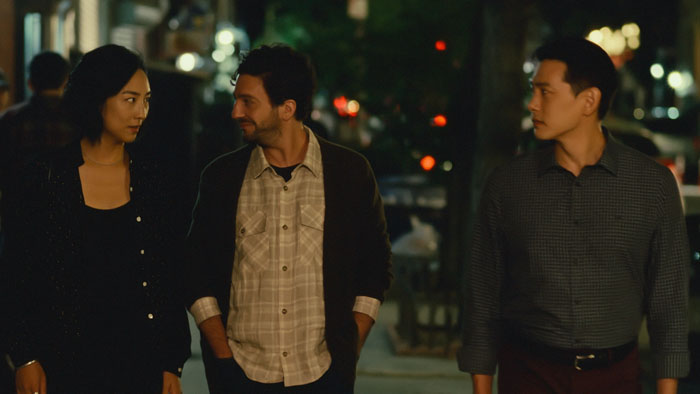
Movies like Past Lives, Her, Cha Cha Real Smooth, and similar projects resonate because they acknowledge how complicated emotional connections have become in the digital age.
These films do not pretend that attraction solves everything. They show how timing, emotional maturity, technology, and personal uncertainty shape relationships just as much as chemistry itself.
Film Threat’s coverage of independent romance and character-driven storytelling often highlights why these grounded narratives resonate more strongly with modern audiences. Stories that feel emotionally believable are becoming increasingly valuable because audiences themselves are growing tired of unrealistic romantic fantasy.
At the same time, audiences still crave escapism. Romance films continue to offer emotional optimism and fantasy that many people genuinely enjoy. The issue is not romance itself. The issue is when viewers begin treating cinematic storytelling as emotional instruction for real life.
Modern Dating Requires Emotional Realism
Modern dating is more complicated than most romance films allow. Technology changed how people meet, communicate, flirt, and form relationships. Dating apps introduced endless comparison. Social media turned relationships into public performances. Streaming culture normalized emotional intensity and instant attraction.
Yet many people still approach dating with expectations built by scripted storytelling. The healthiest relationships rarely look cinematic. They are usually quieter, slower, and less dramatic than what films portray. Real intimacy develops through consistency, emotional maturity, honesty, and patience rather than perfectly timed emotional speeches.
Ironically, audiences may now be searching for more realistic romance stories precisely because digital culture already feels emotionally exhausting enough.
That shift explains why grounded relationship dramas are becoming more appreciated while exaggerated romantic fantasy increasingly feels disconnected from real emotional experience. As entertainment continues evolving alongside technology, romance storytelling may eventually move closer to how people actually experience love rather than how audiences once dreamed it would feel.