

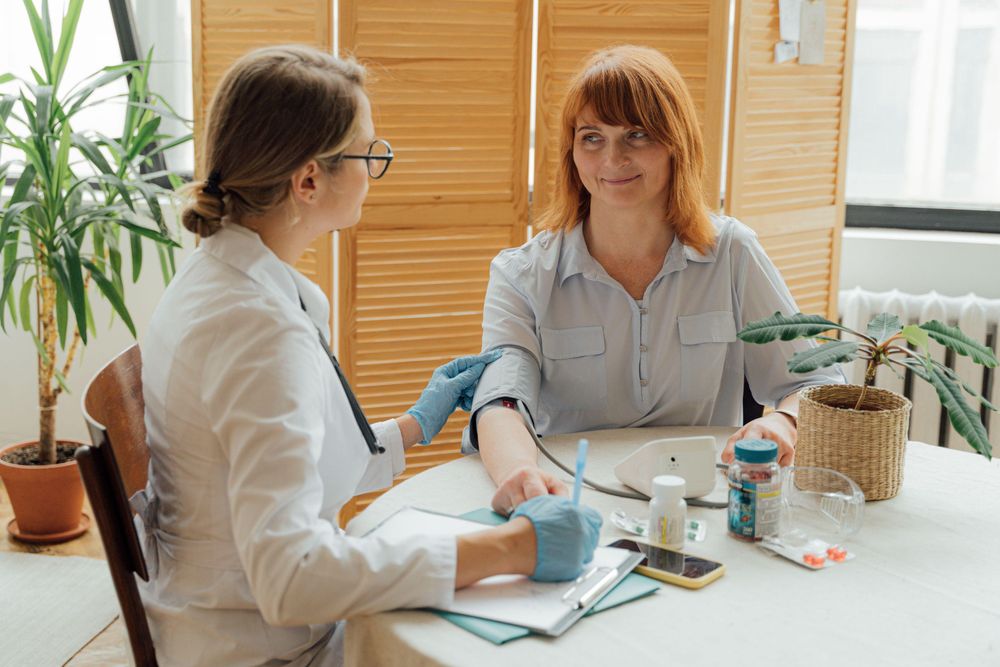
One of the key messages at the inaugural Women’s Health Matters Conference 2026 was that health screening and early detection are important tools in identifying potential health concerns before they become more serious.
Conditions such as high blood pressure, diabetes and some cancers can develop without obvious symptoms. This means a person can feel perfectly healthy while an underlying condition is already developing.
Held at the GIBS Business School, the conference featured leading experts and advocates in women’s health, including clinical psychologist and founder of the CBT group Dr Colinda Linde, obstetrician and gynaecologist Dr Sumayya Ebrahim, menstrual health activist Candice Chirwa, reproductive medicine specialist Prof Zozo Nene, menopause researcher and practitioner Dr Nicole Jaff, Co-CEO Tiko Benoit Renard, and head of oncology.
“Supporting women’s health requires a life-course approach. Improved outcomes are achieved through a strong focus on health promotion, disease prevention, early intervention, and timely access to appropriate care,” said Dr Noluthando Nematswerani, Chief Clinical Officer at Discovery Health.
People without symptoms may still benefit from certain screening tests, depending on their age, medical history and risk factors.
Busy work schedules, family responsibilities, and the constant feeling that there is always something more urgent to deal with can see routine check-ups pushed further down the list. For others, the fear of discovering that something may be wrong is enough to keep them away from the doctor altogether.
There is also the common assumption that if you feel healthy and have no symptoms, there is no real reason to get screened. But feeling well does not always mean that everything is well.
Why health screenings are important
Health screenings form an important part of preventative healthcare because they can help identify potential health problems before symptoms appear, giving people an opportunity to seek appropriate care, manage risk factors or make lifestyle changes at an earlier stage.
This is particularly relevant in South Africa, where non-communicable diseases (NCDs), including hypertension, diabetes, cardiovascular disease and cancer, place a significant burden on the healthcare system.
Regular screening can also help people better understand their health risks, monitor existing conditions and have informed conversations with their healthcare providers about their overall wellbeing.
South Africa’s Department of Health has screening recommendations for conditions including cervical and breast cancer. Its cervical cancer policy also highlights the importance of identifying and treating pre-cancerous changes before they progress to invasive cancer.
Ultimately, health screening is not about waiting until something feels wrong. It is about being proactive, knowing your health status, and giving yourself the best opportunity to address potential problems early.
Screening tests and how often they are needed can vary depending on factors such as age, symptoms, family history, pregnancy status, HIV status, individual risk factors, and access to healthcare.
It is important to speak to a doctor, nurse or other qualified healthcare professional about which screenings are appropriate for you and how often you should have them.