
A film festival has two great moments. The first is when the lights go down and an audience discovers a film. The second is when that film leaves the festival and finds an audience of its own.
I’m delighted to say that two debut features from our June 2026 Raindance programme have secured UK theatrical releases: April X and Child.
They could hardly be more different. One is a feverish, near future thriller starring television sensation Connor Storrie. The other is a harrowing psychological horror from a Belgian and Luxembourg production. Both are the work of directors making their first features. Both deserve to be experienced in a cinema. And both remind me why we started Raindance in the first place.
First, April X
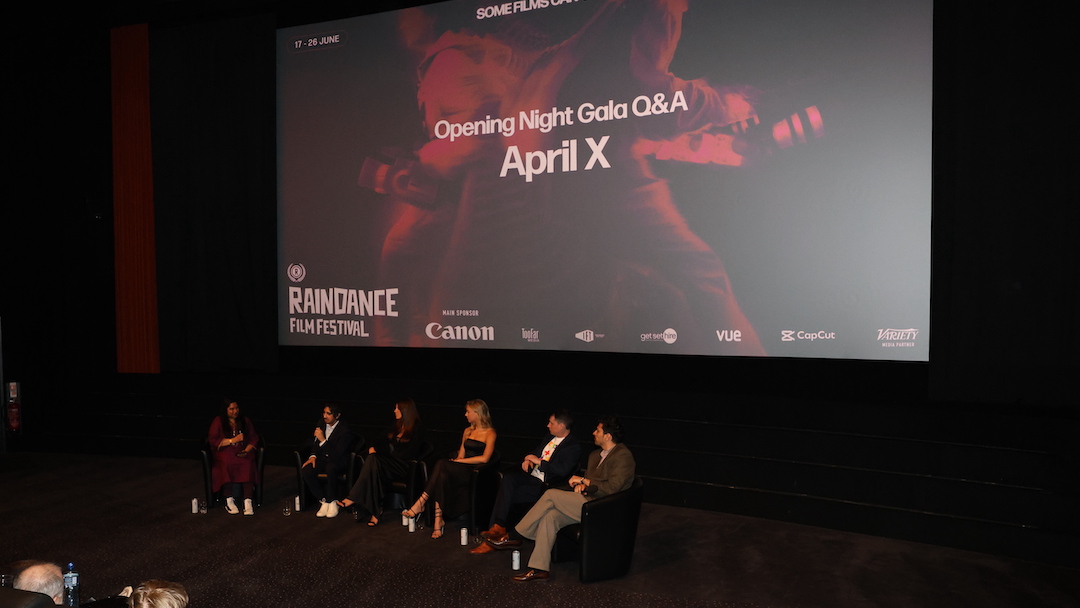
Michel K. Parandi’s debut opened the 34th Raindance Film Festival in Leicester Square. That was a wonderful night, but a gala is only the beginning of a film’s life.
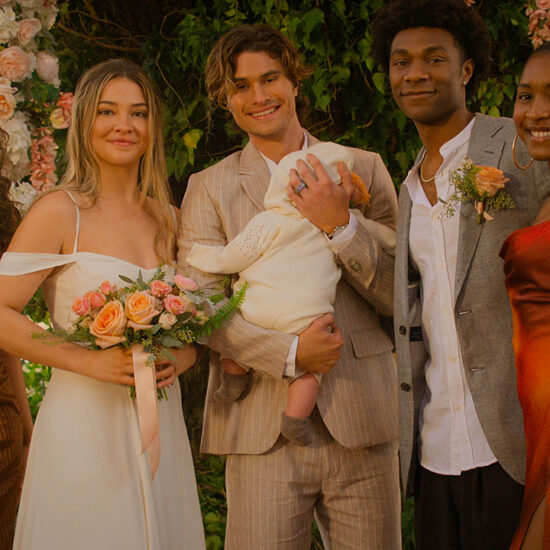
Connor Storrie, whom many viewers know from Heated Rivalry, plays Bax. Lilly Krug plays his twin sister, April. When she disappears, Bax searches a forbidding post-Soviet cityscape for her, pushing himself towards the edge of madness. It has the momentum you want from a thriller and a relationship you can hold on to when the world around it grows strange. Raindance announced that Vertigo Releasing would bring it to the UK and Ireland in September.
If you have come for Connor Storrie, come. I’d be thrilled to see his television audience turn out for an independent film. Then stay for the surprise of seeing him inhabit a very different world, opposite Krug, in a story about how far someone will go for a person they love.
And if you’ve never heard of either actor, come anyway. One of cinema’s pleasures is walking in with a little curiosity and walking out eager to tell somebody what you’ve found.
Then there is Child
Cyrus Neshvad’s first feature had its world premiere at Raindance and was nominated for our Discovery Award for Best Debut Feature. It arrives in UK cinemas on 2 October, released by Cynefilms.
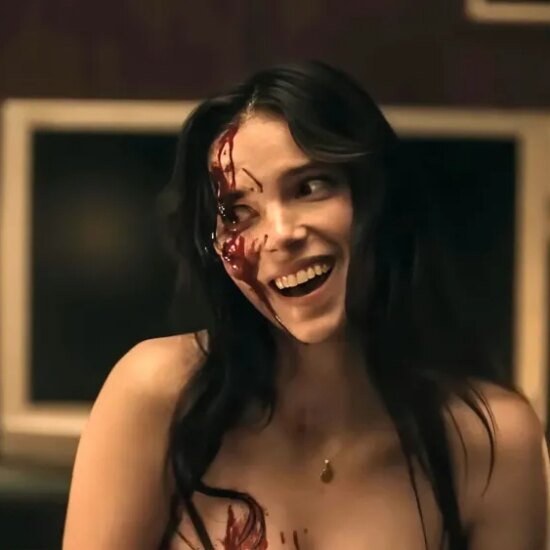
Its premise is almost unbearably simple. Anne and Greg have a gravely ill son. They are desperate to save him. In pursuit of one last chance, they cross a moral line, and every choice that follows asks more of them.
I can hear you saying: A harrowing horror from Belgium and Luxembourg?
Yes. Absolutely. Why should any corner of the world have a monopoly on giving us nightmares?
The terror in Child grows from something painfully human. We understand why these parents want to act. We fear what they may do. That is a potent place for a horror film to take us, and it makes the questions linger after the screening. How far would I go? At what point would I recognise that I had gone too far?
If horror is your great love, see Child. If you usually avoid the genre because you think it has nothing to say to you, this might be the film that changes your mind. Bring a friend who will want to talk about it afterwards. You may need each other.
I feel fiercely proud of both films. I also feel proud of the programmers, volunteers, venues and audiences who gave these filmmakers such an enthusiastic welcome in June. A festival screening can put a film in front of people who believe in it. Seeing it reach cinemas a few months later is a joy.
For a first time director, a theatrical release is a tremendous achievement. For an independent film, though, getting a cinema booking is one challenge; filling the seats is another. That is where the rest of us come in.
When you hear that an independent film is playing near you, you can do something wonderfully practical. Buy a ticket. Bring someone. If you enjoy the film, say so while people can still go and see it. Tell the friend who loves thrillers about April X. Tell the friend with nerves of steel about Child. Share the trailer with a few words of your own about why you want to go.
You don’t need to write a review. “I saw this at Raindance and I want you to see it too” is plenty.
Those small, personal recommendations matter. They are how a film travels beyond the people who already know its title. They help turn a first feature into a conversation, and give its director the chance to make a second.
So please keep an eye out for April X and make a date for Child on 2 October. Check your local cinema listings, go with a friend, and tell us what you thought.
And if you’re a filmmaker wondering whether anyone will take a chance on your first feature, I hope these two releases give you heart. In June, audiences met Bax and April, and Anne and Greg, at Raindance. Now audiences across the UK can meet them too.
That is worth celebrating. See you at the cinema.
Photo Credit: Bertie Watson
I founded Raindance Film Festival in 1993 because the British film industry was closed, polite, and congratulating itself while shutting new filmmakers out.
I co-founded the British Independent Film Awards in 1998 because British indie film deserved more than a shrug, a pat on the head, and a Tuesday night screening.
Raindance didn’t start as a brand. It started as a rebellion: film training without gatekeepers, a festival without permission, and a community built by filmmakers who weren’t waiting to be invited in.
Later, we took it global: Toronto, Vancouver, New York, LA, Berlin, and Brussels, because independent film doesn’t belong to one city, one class, or one accent.
I’ve produced 700+ short films and seven features, including Deadly Virtues (2014) and ALICE, which won the SXSW Grand Jury Prize (2019) not because someone “discovered” us, but because the work earned its place.
I’ve written three books used by filmmakers worldwide because too many courses taught compliance instead of survival.
In 2009, I was awarded a PhD for services to film education, ironic, given that most of my career has been about tearing down the rules that education insisted you follow.
I don’t believe in waiting for permission.I believe in making work, building systems, and forcing the industry to catch up.
Specialties: Independent Film (the real kind) · Producing · Writing · Film Education · Festivals · Breaking Broken Systems
Check out my new Substack for in depth Free Articles:
Related