
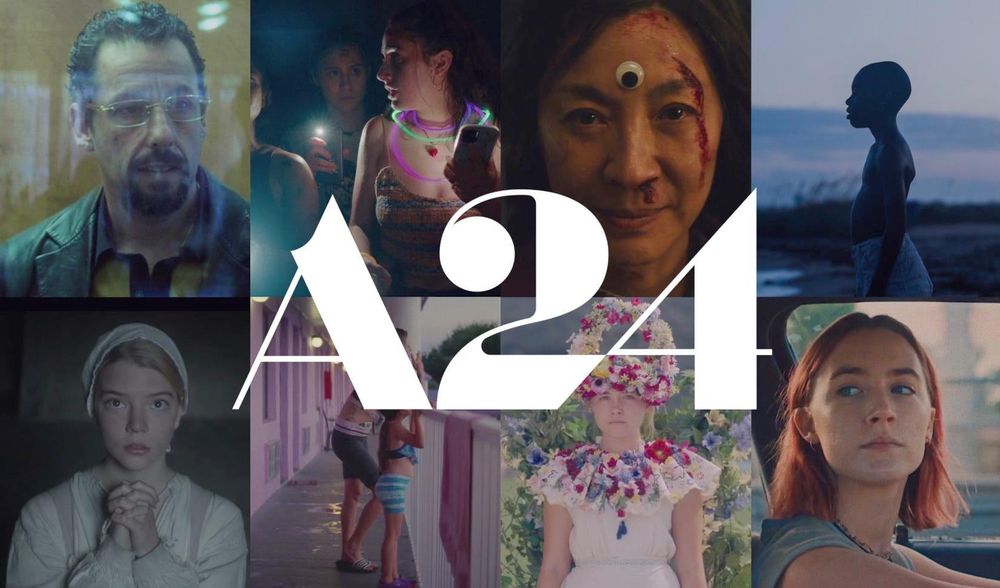
For the past decade, the multicolored, geometric logo of A24 has served as a secular gospel for South African cinephiles.
Stepping into the worn velvet twilight of Cape Town’s Labia Theatre or the intimate creative hub of Johannesburg’s Bioscope, audiences knew they were about to witness something defiantly human, beautifully strange, and resolutely independent of the Hollywood conveyor belt.
From the heartbreaking poetry of Moonlight to the cosmic absurdity of Everything Everywhere All at Once, A24 established itself as the ultimate global sanctuary for pure storytelling.
The newly announced DeepMind partnership represents a fundamental, unsettling shift in who controls the future of human culture. Sophia Shin, who handles communications for A24, quickly sought to clarify the scope of the arrangement.
“This is a research partnership,” Shin stated. “We’re working side-by-side with DeepMind’s researchers to learn, iterate, and build, having an active hand in shaping new tools and workflows.”
A24 executives insist that the partnership is a defensive measure designed to protect artists rather than exploit them.
“This partnership exists because we want to dictate what tools get built for artists, so they have a voice in shaping them rather than having tools handed to them,” Shin stressed.
“We’d rather have a seat at the table than on the sidelines. Our relationship with our audience is something we don’t take for granted.”
In an effort to soothe the anxieties of its audience, A24 confirmed that the partnership will not allow outside users to generate automated films featuring copyrighted studio characters, nor will the studio use its existing catalog of cinematic work to feed Google’s software development.
“Truth is, we don’t necessarily love any of the current, automated outputs on screen in Hollywood,” Shin admitted. “I don’t even know if ultimately we’d create tech on that front. This partnership is about learning and helping pain points in workflows behind the scenes more than anything else.”
However, independent cultural critics remain deeply skeptical. Esther Rosenfield suggests that the tech giant is simply attempting to borrow the cultural currency of the indie studio.
“In the same way Disney sells nostalgia, A24 has sold the feeling of being very hip and cutting-edge for as long as they’ve been around,” Rosenfield observed.
Andrew DeWaard, a media studies professor at UC San Diego and author of Derivative Media: How Wall Street Devours Culture, agrees, arguing that the transaction aligns perfectly with Silicon Valley’s broader strategy.
“They’ve branded their company as edgy, forward-thinking, and appealing to young people. They’ve created a fandom for their company,” DeWaard stated. Believing the tech sector uses these high-profile creative partnerships to make automated software feel entirely inescapable to the public.
Ultimately, to understand why Google is making this move right now, look at the broader geopolitical landscape, where a massive global tech race is unfolding between America and China for AI dominance.
Google is not just buying into A24 to streamline movie editing; they are buying into A24 to borrow its “cool factor.” By partnering with a deeply respected artistic brand, the tech giant hopes to convince a skeptical public that its technology is friendly to human artists, rather than a threat to their livelihoods.
As Silicon Valley moves into the director’s chair, indie cinema’s ultimate sanctuary may never look the same.
IOL