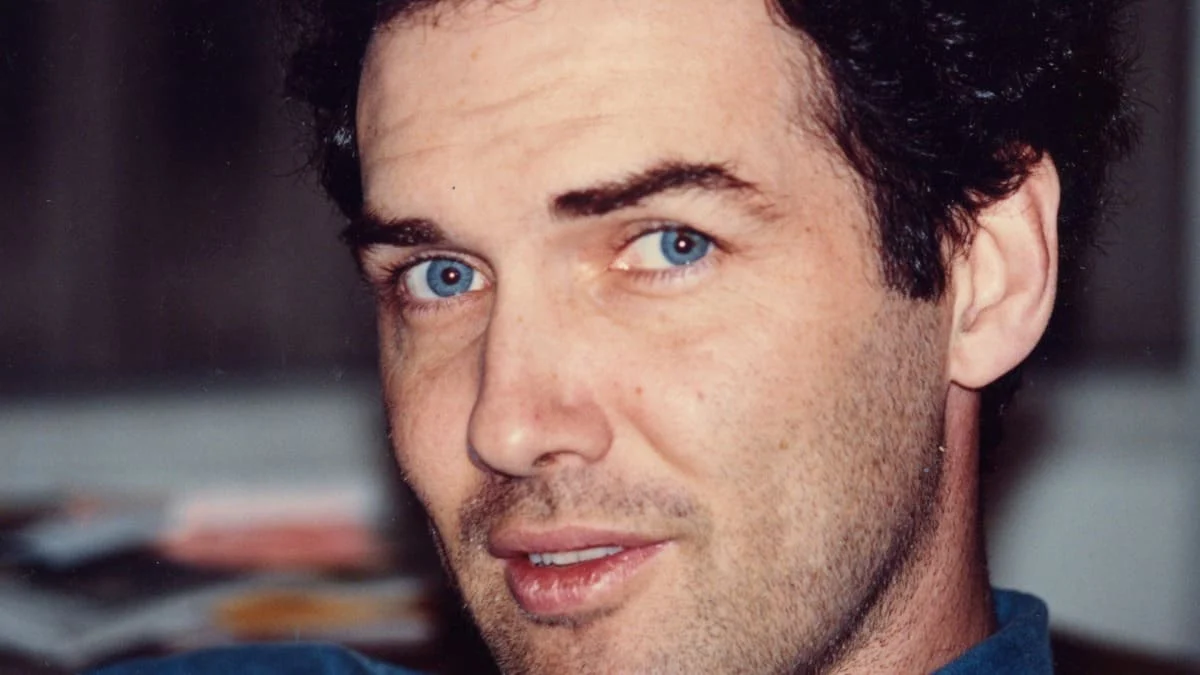
In Norm: The Tale Of Norm Macdonald, director Judd Apatow lovingly identifies and helps to explain the moment that, for many, wound up defining the former Saturday Night Live comedian’s career. A thoughtful and affectionate tribute for the late cult favorite, Norm presents Macdonald’s firing from SNL as the key to understanding his relationship with his audience. Apatow makes his case using a wealth of archival quotes from Macdonald, including his guest appearances on late-night talk shows and Macdonald’s own video podcast series Norm Macdonald Live.
In these sometimes candid and often puckishly misleading clips, Macdonald struggles to redefine himself after he was fired by NBC executive Don Ohlmeyer in 1997 for relentlessly joking that ex-football player O.J. Simpson murdered his wife and her friend Ron Goldman as the anchor of SNL‘s Weekend Update. Over the film, we also get a clearer understanding of Macdonald’s style of humor, which treated listeners like unwitting accessories, whether he was delivering a rambling shaggy-dog routine, like his now-signature moth joke, or an interminably anti-climactic speech, as in his appearance on Bob Saget’s Comedy Central Roast episode.
In Norm, Macdonald says that he preferred to define himself as a stand-up comedian rather than by his four years on SNL. At the same time, his earliest and arguably most formative successes on that show evince the same qualities that made him a great stand-up, like his deadpan delivery and rope-a-dope comic timing. Apatow’s observant and detailed collage suggests that Macdonald’s unruly and confrontational style of humor treated both his colleagues and his audience like they were essential parts of his act. Macdonald was also king of understated overkill and vicious running jokes, so it’s no surprise that many fans associate him with his persistent jabs at Sylvester Stallone’s brutally uncharismatic brother Frank as well as his ongoing and, in hindsight, reckless cracks about Simpson’s guilt.
Then again, that kind of smartass risk-taking was always part of Macdonald’s act, as Apatow successfully argues. Several fellow comedians praise Macdonald for being “disciplined” and refusing to chase what they consider to be easy laughs. Conan O’Brien even paraphrases his own wingman Andy Richter when he says that Macdonald “doesn’t care in a way that frightens me.” That seeming fearlessness is also what drew SNL writer Jim Downey to Macdonald in the first place and convinced Downey that Macdonald would be a perfect fit to host Weekend Update.
But what really made Macdonald’s O.J. jokes uniquely his, as well as the way that he subsequently drew attention to his firing by Ohlmeyer, was a matter of style. Macdonald was playfully elusive and sometimes combatively impersonal, so it’s unsurprising that he relished in pushing the envelope of bad taste well past acceptable limits with jokes about Simpson’s apparent guilt. Macdonald even continued joking about Simpson’s guilt after his acquittal, quipping dryly on Weekend Update that murder is now legal in the state of California. Downey says that SNL creator Lorne Michaels used to object to these jokes on behalf of both Ohlmeyer and Simpson. Those complaints obviously didn’t stop Macdonald and, in fact, seemed to energize him.
Apatow also points out how quick Macdonald’s colleagues were to defend him after Ohlmeyer let him go. In an excerpted clip from The Late Show, Macdonald told David Letterman that his main point of contact with Ohlmeyer was a phone conversation where Ohlmeyer bluntly told Macdonald that he didn’t think he was funny. Letterman also perfectly complements Macdonald’s tone when he says, in a mock aside, that, “Ohlmeyer, who, between you and me, is an idiot.” Between you and me and the millions of viewers at home, of course.
Apatow suggests that his prickly subject was more in control of these post-firing interviews than he let on. He pointedly quotes Macdonald, from an interview with Larry King, where the comedian hastily notes that, “I said nothing against Don Ohlmeyer after being fired. Not one thing.” In the next clip, Apatow shows Macdonald ostensibly defending Ohlmeyer as a “troubled man” by suggesting that the media mogul had a reputation for being a heavy drinker and a sex pest.