Netflix co-CEOs Ted Sarandos and Greg Peters nodded to slowdown in U.S. viewing and ad sales that spurred the radical shake-up of the streamer’s content leadership during Tuesday’s conversation with Wall Street analysts after its third-quarter earnings release.
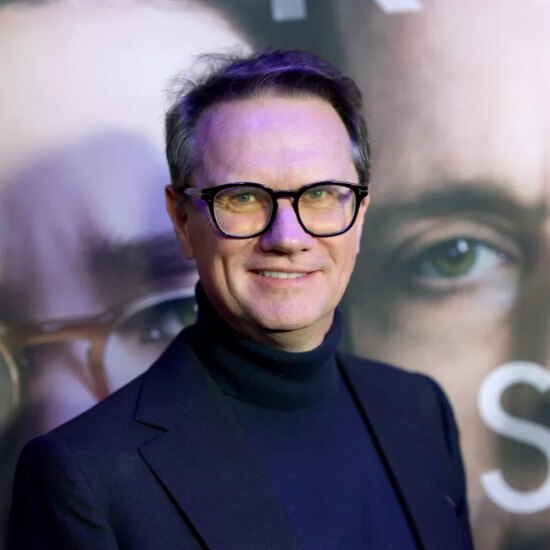
Sarandos and Peters had to address the situation that led to the dramatic decision to oust chief content officer Bela Bajaria and film chief Dan Lin. Former Fox and Disney executive Peter Rice was appointed Oct. 15 as Bajaria’s successor, starting next week.
Peters sought to assure analysts that while Netflix is going through a soft period in the U.S., its underlying fundamentals are strong. As ever, when the going gets tough in pay TV, executives point to positive signs when it comes to churn — or the lack thereof. Peters emphasized that the churn rate of subscribers moving on and off the platform was better than expected in the U.S. and elsewhere for the quarter, especially after the streamer initiated a price hike.
Peters emphasized that “the quality, quantity and variety of viewing remains healthy and it drives our business model. And the best evidence that we’ve got that we’re delivering that value is churn. We’ve got healthy retention in every region,” he said. For the quarter ended Sept. 30, the level of churn improved on a global basis and in the U.S.
“The ultimate determinant of are we delivering that value is the reaction to price changes. And those recent price changes that we did, including in the United States, have gone well. We’ve seen results that are consistent with past changes,” Peters said.
Most of the regions outside the U.S. delivered strong viewing and engagement, he added.
“Our local titles from those regions are driving engagement and they’re driving business growth. And you can see how our business model works here. We specifically highlighted India, which had a strong slate with a couple titles really, really performing. And as a result, view hours in Q3 in India grew 24% on an absolute basis,” Peters said. “They were also up on a per-member basis, all of which drives membership.”
As the dust settles on the management shake-up, Sarandos told analysts that they are laser-focused on nurturing shows to stand out as hits.
“We had some really solid doubles and triples this year, but the other territories count on some of those titles being home runs so that they’ll travel around the world. We’re focusing on that execution,” Sarandos said. “India is a great example, but that success is also happening in Korea and Japan. And when you look to [Europe, the Middle East and Africa], when we look to the Nordics, which is a very mature market for us, that content slate is killing it there. And it’s proof that when we have the right focus, make the right choices and deliver creatively, we can drive outsize impact on the business around the world.”
Rice, Sarandos added, “brings expertise in both art and commerce, television and film. It’s that exact skill set that will help guide us through our next chapter.”
Spencer Neumann, Netflix’s chief financial officer, chimed in with his observation that while Netflix does need big, noisy hits, it is not overly dependent on any one genre or format of content.
“Even with modest view-hour growth that we’re delivering, we’re delivering that increasing value to our members across quality, quantity and variety viewing with a steady drumbeat of big hits in most regions,” Neumann said. “That’s really the great thing about our model — the stability of our growth engine. We’re not overly dependent on any kind of one title, nor outsized performance by any one region to deliver healthy growth.”
(Pictured: Netflix co-CEOs Greg Peters and Ted Sarandos)