
Not long ago, distribution was the finish line. How film distribution has changed.
You wrote the screenplay, raised the money, made the film, premiered it at a festival and hoped a distributor would take it from there. If they said yes, your film found an audience. If they said no, your options were painfully limited.
Today, that world has almost disappeared.
The internet, streaming platforms and social media have transformed the way audiences discover films. At the same time, the sheer volume of content being released every day has made it harder than ever to be noticed.
Distribution hasn’t become less important.
It’s become more important, and it starts much earlier than most filmmakers realise.
Distribution Used to Be About Access
For decades, distributors controlled access to audiences. They had relationships with cinema chains, broadcasters, video retailers and international buyers. They knew which films would travel, which territories were interested and how to navigate a complicated marketplace.
There was a good reason for this.
Film prints were expensive to manufacture and transport. Television schedules had limited space. Video stores only had so many shelves. Someone had to decide which films reached audiences.
The distributor became the gatekeeper.
A filmmaker’s responsibility was to make the best film possible.
The distributor’s responsibility was to sell it.
That division of labour worked remarkably well for almost a century.
The Internet Changed Everything
Digital filmmaking lowered the cost of production. The internet lowered the cost of distribution.
Suddenly filmmakers could upload work directly to audiences anywhere in the world. Platforms such as YouTube, Vimeo and later streaming services removed many of the traditional barriers to entry.
For a while, it looked as though independent filmmakers had won. Anyone could distribute a film. The reality turned out to be more complicated.
Making a film available is not the same as helping people discover it.
Today, audiences have more choice than at any point in cinema history. Thousands of films compete for attention every single day. The challenge is no longer getting your film online.
The challenge is persuading someone to press Play.
Audience Comes Before Distribution
This is perhaps the biggest change of all.
Successful filmmakers no longer think about distribution as something that happens after the film is complete. They think about audience from the very beginning.
- Who is this film for?
- Why will they care?
- Where do they already gather?
- How can you invite them into the journey before the premiere?
The most successful independent films often begin building an audience months, or even years, before release. Behind-the-scenes updates, production diaries, newsletters, social media, podcasts and festival appearances all help create interest long before opening night.
People support stories they feel connected to.
Building that connection is now part of the filmmaking process.
Film Festivals Still Matter
With so much content available online, some people question whether festivals remain relevant.
I believe they matter more than ever. Festivals don’t simply screen films. They create conversations. And they introduce filmmakers to collaborators, producers, distributors, journalists and audiences who genuinely care about independent cinema.
A festival screening may only last two hours. The relationships built around that screening can last a lifetime.
Many successful distribution deals still begin at festivals. Just as importantly, so do future collaborations, friendships and business partnerships.
Think of festivals like Raindance as the beginning of your professional network rather than the end of your production schedule.
What Distributors Are Looking For Today
Good distributors remain incredibly valuable. They understand release strategies, international markets, rights, publicity, streaming platforms and revenue opportunities in ways most filmmakers never will.
But expectations have changed. Increasingly, distributors look for projects that already have momentum.
- Festival selections.
- Positive reviews.
- An engaged online community.
- A mailing list.
- Evidence that audiences are already interested.
This isn’t because distributors have stopped believing in filmmakers.
It’s because demonstrating audience interest reduces risk for everyone involved.
Momentum attracts opportunity.
Think Beyond One Film
One of the biggest mistakes filmmakers make is treating every project as an isolated event.
Professional filmmakers build careers. Every film should introduce new collaborators.
- Every screening should grow your audience.
- Every festival should expand your network.
- Every release should make the next project slightly easier to finance, produce and distribute.
The goal isn’t simply to finish a film. The goal is to create a sustainable creative practice.
That’s how independent careers survive.
The Future Belongs to Filmmakers Who Build Communities
Technology will continue to change. New platforms will emerge. Business models will evolve.
Artificial intelligence will reshape production and marketing in ways we’re only beginning to understand.
One thing, however, is unlikely to change. People still connect with stories created by people. Audiences want authenticity. They want voices they trust. They want filmmakers whose work reflects curiosity, courage and originality.
The filmmakers who succeed over the next decade won’t necessarily have the biggest budgets. They’ll be the ones who understand that distribution is no longer a department. It’s a relationship. It begins with your first idea, grows throughout production and continues long after the credits roll.
If you’re planning your next film, don’t wait until it’s finished to think about distribution.Start by thinking about your audience.
Because the future of independent filmmaking doesn’t belong to those who simply make great films.
It belongs to those who build lasting relationships with the people who want to watch them.
Did You Know?
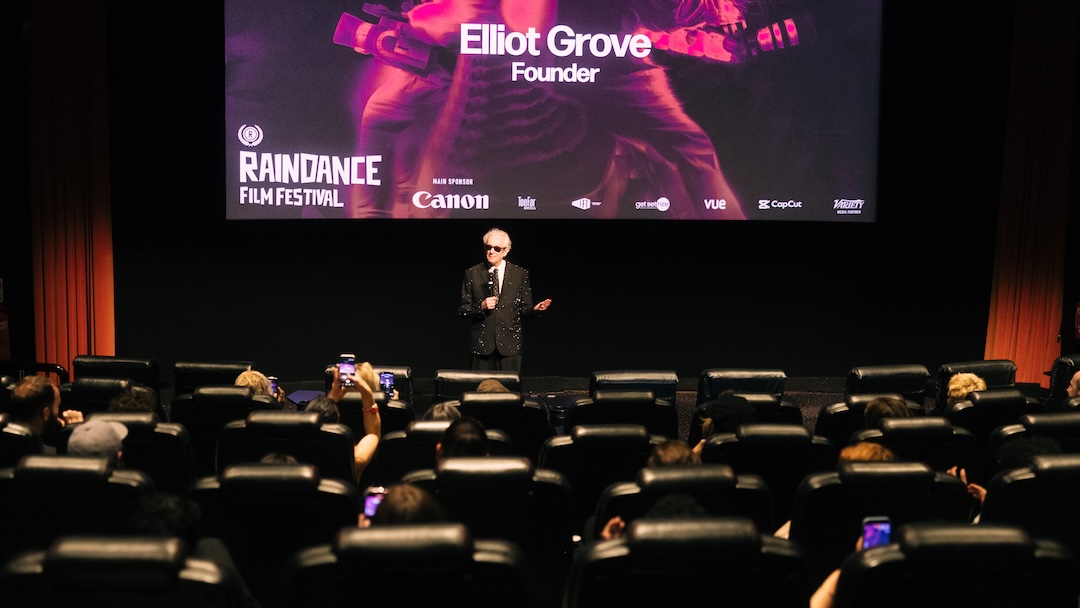
Photo Credit: Bertie Watson
I founded Raindance Film Festival in 1993 because the British film industry was closed, polite, and congratulating itself while shutting new filmmakers out.
I co-founded the British Independent Film Awards in 1998 because British indie film deserved more than a shrug, a pat on the head, and a Tuesday night screening.
Raindance didn’t start as a brand. It started as a rebellion: film training without gatekeepers, a festival without permission, and a community built by filmmakers who weren’t waiting to be invited in.
Later, we took it global: Toronto, Vancouver, New York, LA, Berlin, and Brussels, because independent film doesn’t belong to one city, one class, or one accent.
I’ve produced 700+ short films and seven features, including Deadly Virtues (2014) and ALICE, which won the SXSW Grand Jury Prize (2019) not because someone “discovered” us, but because the work earned its place.
I’ve written three books used by filmmakers worldwide because too many courses taught compliance instead of survival.
In 2009, I was awarded a PhD for services to film education, ironic, given that most of my career has been about tearing down the rules that education insisted you follow.
I don’t believe in waiting for permission.I believe in making work, building systems, and forcing the industry to catch up.
Specialties: Independent Film (the real kind) · Producing · Writing · Film Education · Festivals · Breaking Broken Systems
Check out my new Substack for in depth Free Articles:
Related