
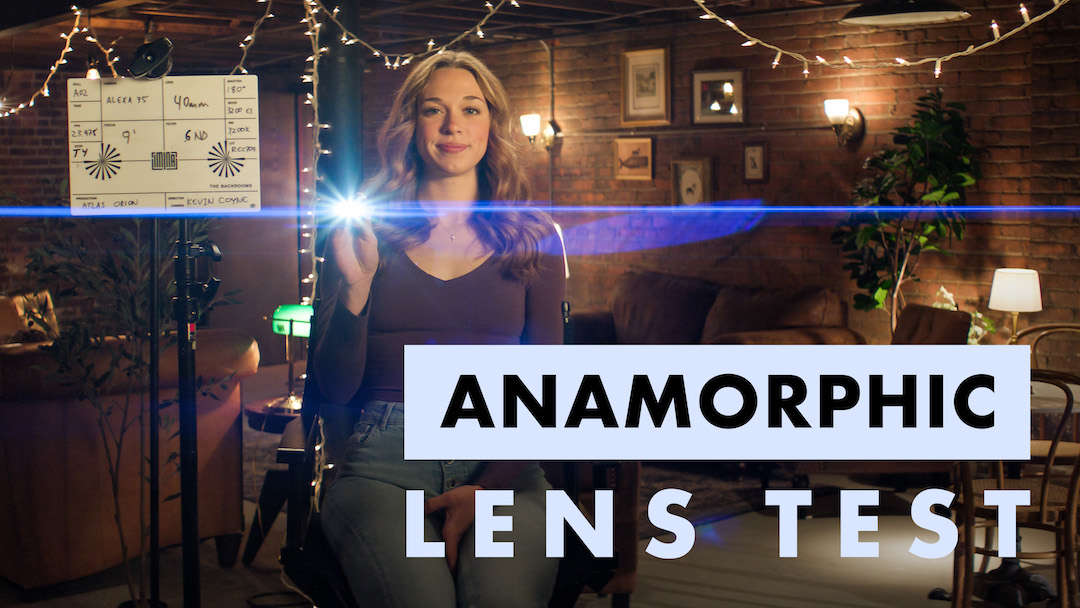
Shooting with anamorphic lenses can feel intimidating at first. But once you understand how they function, they become a powerful tool for visual storytelling. Anamorphics aren’t reserved for just big-budget productions either. As a director of photography, I’ve used anamorphic on everything from short films to commercial work.
Anamorphic has influenced cinema, delivering a sense of scale and immersion that goes far beyond widescreen bars or horizontal lens flares. It taps into a nostalgic, filmic aesthetic that audiences respond to on a subconscious level. This shapes how your images feel and can help your work stand out.
Anamorphic is an in camera image-capture process in which the anamorphic lens squeezes the image horizontally onto the sensor or film plane. This creates a tall, distorted image. In post-production the image is de-squeezed to restore the proper proportions, delivering the classic wide aspect ratio of 2.39:1.

This technique became prevalent in the 1950s when Hollywood studios were looking for a way to differentiate cinema from television. At the time, TVs were nearly a square 4:3 frame, so the anamorphic process allowed studios to create an expansive, wide spectacle for cinema.
Throughout the 70s and 80s anamorphic films dominated everything in cinema, from Westerns to blockbusters. Because of that history, anamorphic now carries a sense of familiarity that audiences respond to at an unconscious level. Anamorphic visuals feel epic and immersive with a dreamlike quality, and connection to familiar imagery that audiences have experienced in cinema for decades.
Anamorphic lenses don’t just widen the frame. They shape the image organically with some of these characteristics:
Wide Frame: The wider 2.39:1 frame allows for more intentional composition. Subjects can be isolated on one side of the frame to emphasize loneliness, or centered to create focus and symmetry.
Horizontal Lens Flares: Bright light sources create streaking flares across the frame. These are a by-product of the lens design and can feel energetic and rhythmic when used thoughtfully.
Oval Bokeh: Out-of-focus highlights stretch vertically into ovals rather than circles. This creates a distinctive separation between the subject and background, adding a painterly, cinematic depth.
Shallower Depth of Field: For the same horizontal field of view as a standard lens, anamorphic delivers a shallower focus, enhancing subject isolation.
Optical Imperfections: The mild distortion and lens breathing of anamorphic contributes to a more organic image. Paired with modern digital sensors, this feels less clinical, taking the digital edge off an image.
If you’re new to anamorphic, a few fundamentals will help make a big difference:
Understand Squeeze Factor: The squeeze factor is the degree to which the anamorphic lens compresses the horizontal image. Traditional lenses are 2x, while modern options typically include 1.33x, 1.5x, and 1.8x. A 1.33x squeeze on a 16:9 sensor produces a 2.39:1 image. A higher squeeze factor intensifies anamorphic characteristics.
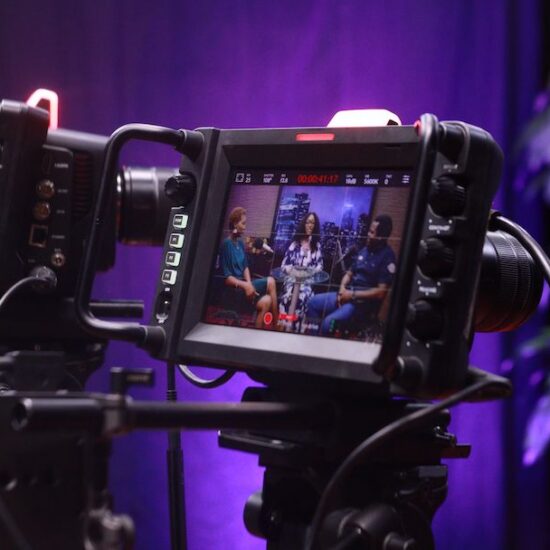
Test Your Workflow: Before your first shoot, test your full workflow. You need to de-squeeze the image to see the proper framing. This can be done on the camera or on the monitors, but not both; otherwise, the proportions will be completely wrong. A quick way to check the proper de-squeeze: hold something circular (like a lens cap) in the frame. If it appears circular, it’s properly de-squeezed.
Intentional Framing: The wider field of view excels at environmental context or isolating subjects. Use negative space deliberately.
Control Your Flares: Flares are more prominent wide open. Stopping down gives you more control of the flare, even if it’s a T2.8 or T4.
Know Your Lens Limitations: Some anamorphic lenses have longer minimal focus distances (especially older lenses). Diopter filters act like magnifying glasses and help focus closer by shifting the focal plane forward.
Communicate with Post-Production: The most important part of shooting anamorphic is communicating the squeeze ratio to post-production. It’s helpful to write the squeeze ratio on the slate, but also to include it in the camera notes and send in an email to the post-production team.
Today, anamorphic is within reach for any filmmaker. Rental options have expanded, prices have dropped, and modern lenses are more practical to work with than older designs. Many anamorphic setups today are comparable to standard spherical lenses in ease of use.
I’ve used anamorphic across documentary, commercial and narrative work, and it consistently elevates the emotional connection. Most content in today’s digital landscape looks similar, but shooting anamorphic provides a way to differentiate, enabling you to shape emotion and draw audiences in.
To see these anamorphic lenses in action, I’ve tested the Atlas Orion Series lenses. Comparing the 40mm, 65mm, and 100mm at various apertures shows how flares, bokeh, and depth of field shift, giving a clear picture of what anamorphic can bring to your project.
Find out more on my website.

As a director of photography, Kevin Coyne collaborates with directors to design story-driven cinematography, specializing in commercials and brand films. He’s shot award-winning projects for commercial clients across the globe. He’s based in Cleveland, Ohio, and works nationwide, including Columbus, Pittsburgh, New York, and throughout the Midwest.
Related