
Music
Where you’ve heard it: “Top Billin’” (1987) by Audio Two, “Rebirth of Slick (Cool Like Dat)” (1992) by Digable Planets and “I Can” (2002) by Nas have sampled this protest song, a funk track with a steady drumbeat.
“Those drums have been sampled relentlessly throughout hip-hop,” says Rhymes, 53. “It had one of the cleanest instrumental breaks. The drums were slapping superhard, but it also didn’t have too much else going on musically, so you were still able to hear the M.C. get busy. [With] ‘Top Billin’’ [by Audio Two], there was an earthquake effect: They took pieces of the sample and created a whole ’nother song arrangement. The way those kicks and snares landed had never been done before, and I don’t think it’s been done that impactfully since.”
Where you’ve heard it: An instrumental number with jazz keyboards and spicy cymbals, “Nautilus” has been sampled in “Bait” (1986) by Ultramagnetic MCs, “Beats to the Rhyme” (1987) by Run-D.M.C. and “Cruddy Clique” (1993) by Naughty by Nature.
“That record was introduced to us by the architects: Grandmaster Flash, Afrika Islam, [Afrika] Bambaataa, Kool Herc, GrandMixer DST. And when those D.J.s chose those breakbeats — it’s like how our parents played Gladys Knight and the Pips or Teddy Pendergrass in the crib — it became embedded in us, in our psyche and in our soul, and we grew to learn what real hip-hop was supposed to feel like. The drums were crispy on it, like in ‘Impeach the President,’ but the difference was this had a musicality to it that put [you] in a trance. [With] ‘Beats to the Rhyme,’ [Run-D.M.C.] put hip-hop on the radio in a way that we’d never heard.”
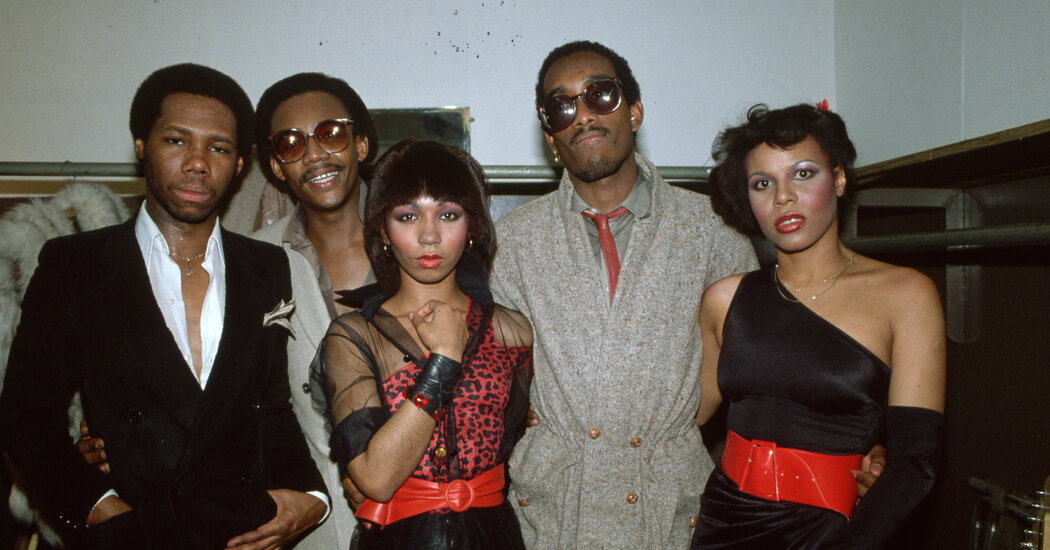
Where you’ve heard it: With its laid-back groove, this disco classic was used in “Rapper’s Delight” (1979) by the Sugarhill Gang and sampled in “Rock the Bells” (1985) by LL Cool J and “Good Rhymes” (1998) by Da Click.
“The first big rap record was ‘Rapper’s Delight,’ and this was the record they [interpolated]. They had a live band actually play that song in the studio — that was the original sampling. [In 1979, Chic’s Nile Rodgers and Bernard Edwards threatened to sue Sugar Hill Records for copyright infringement, before reaching a settlement that gave them both songwriting credits.] It was one of those more musical records that still had that hard-kickin’ drum snare, which was one of the go-to breakbeats from the beginning by D.J.s like Grandmaster Flash. This beat has never lost its ability to keep you captivated.”
This interview has been edited and condensed.