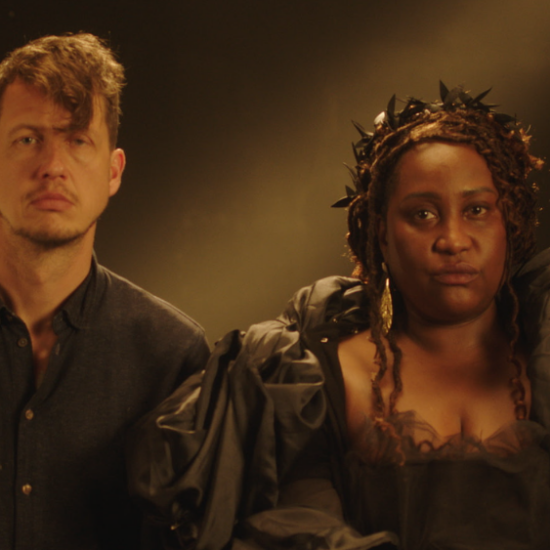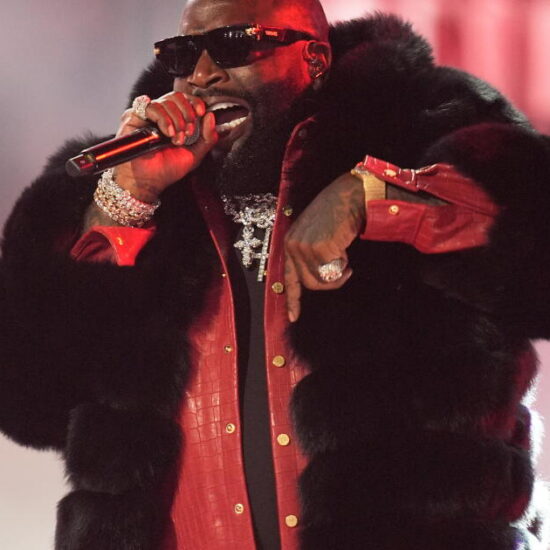


The cast of “The Polygamist”, take a bow!
From Gugu Gumede and S’dumo Mtshali in the leading roles to Kwanele Mthethwa, S’thandiwe Kgoroge, Kenneth Nkosi and Celeste Ntuli in supporting characters, the star-studded ensemble are showcasing African talent to the world.
As the stars of the brand-new Netflix series, they are currently all the rage as the supernovela, which, at the time of writing, is currently the most-watched television series on the streaming platform in South Africa.
The local drama, with a sensational focus on betrayal, power, ego and emotional destruction in relationships, is also topping trends on social media.
Much of the 22-episode series’ success lies in its acting, as Gumede in particular has been praised for her nuanced and poignant performance.
And despite the title, the programme ensures it makes a clear distinction between traditional polygamy and deception, as it spotlights the tragic consequences of actions and the detrimental impact they have on those around you, rather than examining culturally recognised polygamous marriages.
“The Polygamist” is adapted from the renowned novel by Zimbabwean author Sue Nyathi. The original novel was set in Zimbabwe, but the television adaptation places the story into a South African context, with most of the scenes shot in Johannesburg.
It is produced by Stained Glass Productions, directed by Akin Omotoso, Rolie Nikiwe and Nthabi Tau, with Busisiwe Zwane as head writer.
“The Polygamist” centres around Jonasi Gomora (Mtshali), a wealthy, self-made CEO who rose from poverty in Soweto to build an empire and live in the city’s opulent suburbs.
Jonasi appears to have it all: a JSE-listed company that is thriving, a beautiful wife Joyce (Gumede), two teenage children Mpume (Noluthando Shabalala) and Menzi (Wonder Ndlovu) and a baby boy.
With his loyal brother Magesh (Nkosi) by his side, Jonasi is living the life many aspire to have. However, beneath the polished exterior and carefully curated image lies a web of secrets, lies and betrayal that threatens to destroy everything he has worked so hard to build.
To say that the wealthy businessman has a thing for the ladies is an understatement. Viewers witness how he manages to convince his brother’s girlfriend, Matipa Nkosi (Mthethwa), to leave him and become his mistress instead.
When Joyce discovers this betrayal, her perfectly polished persona is shattered, as her social media brand is built on embodying the image of the perfect housewife.
And when Jonasi impregnates Matipa with twins, Joyce is forced to confront the painful reality behind the perfect image she has spent years maintaining.
In a move that blurs the lines between tradition, survival and self-preservation, Joyce ultimately agrees to Jonasi taking Matipa as a second wife. On the surface, it appears like acceptance rooted in cultural understanding, but beneath it lies a far more complex emotional compromise.
For Joyce, the decision is less about consent and more about control, as she attempts to preserve her status, her family and the image she has spent years carefully constructing, even as it quietly begins to fracture from within.
As things begin to unravel further, more painful family secrets are discovered, proving that Jonasi’s reign of manipulation has been unfolding for years, and that the consequences of his choices are beginning to catch up with him as his world starts to collapse under its own weight.
And while “The Polygamist” is rooted in South African storytelling, it also includes several universal themes that global audiences can relate to.
This includes the performance of perfection, most powerfully highlighted through Joyce, as her private life directly contradicts her public image.
And while Jonasi drives the plot, the emotional heart of the series lies with the women affected by his decisions, placing female resilience firmly in the spotlight. Power and patriarchy also sit at the centre, as Jonasi’s wealth and status allow him to avoid consequences for much of the story, raising questions about gender dynamics and unequal power structures.
Revenge is also a central theme of the show, as the plot quickly evolves from marital drama into revenge-fuelled melodrama.
I also enjoyed how “The Polygamist” invites viewers to interrogate what qualifies as consensual polygamy versus exploitative infidelity.
Described by some online as “comfort television” for soap opera fans, the show is sure to keep you enthralled with its heightened emotions, explosive confrontations and shocking twists.
It is also sure to spark debate, as viewers become invested in the moral ambiguity of nearly every character.
* I rate “The Polygamist” four out of five stars.