
“California Avenue” is the new show from Hugo Blick, the brains behind some of modern TV’s most impressive dramas, including Emily Blunt starrer “The English,” “The Honourable Woman” with Maggie Gyllenhaal and Michaela Coel-fronted “Black Earth Rising.”
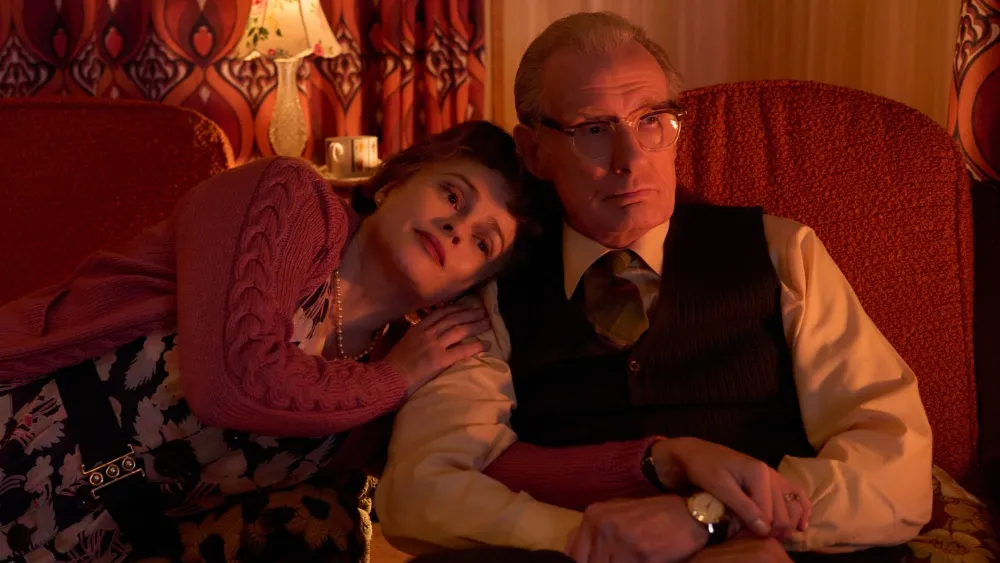
Unsurprisingly, “California Avenue” features an equally star-studded cast in the form of Bill Nighy (“Love Actually), Helena Bonham Carter (“Fight Club”), Erin Doherty (“Adolescence”) and Tom Burke (who’s currently shooting Alex Garland’s “Elden Ring.”)
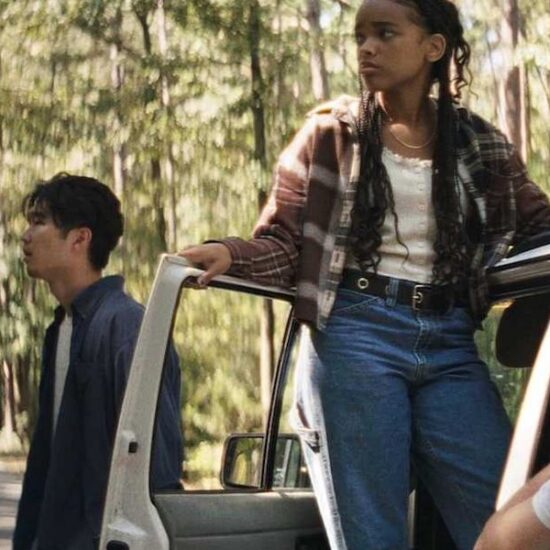
Produced by Blick’s production company Eight Rooks and Drama Republic for the BBC, the series is set at an English mobile home park in the summer of 1975, when Doherty’s character Lela returns home after a long absence with her 11-year-old daughter in tow. It was in part inspired by Blick’s own experiences of staying with his beloved grandparents in a mobile home community.
“Set in the bucolic British summer of 1975, with a fabulous period soundtrack, this is a warm and witty story about a family on the run from the past and themselves who end up in a community of outsiders,” Blick tells Variety. “Whether these people live in trailers, caravans or RVs, their (non)status as outcasts and misfits is universal. But like ‘The Darling Buds of May,’ or ‘Schitt’s Creek,’ sometimes it’s the folk with nothing who have the most to give.”
While the series will air in the U.K. on BBC, Mediawan Rights and Entourage Media are distributing the six-episode drama internationally.
Following a warmly-received preview of the first episode at Canneseries last month, Greg Brenman, a producer on the show and co-founder of Drama Republic, sat down with Variety to discuss how “California Avenue” got off the ground and whether it might return after the first season.
Tom Burke and Erin Doherty in ‘California Avenue’ (Courtesy of Mediawan)
What was the genesis for “California Avenue”?
This show started in development with the BBC a few years ago, and I remember we pitched it to [the BBC’s former head of content] Charlotte Moore, who loved the idea of this community of people living in a mobile home environment in the mid ‘70s, all escaping the world in one way or another.
It’s a love letter to television from the 1970s because [as a child, Blick] spent a lot of his time in a caravan with two people that he absolutely adored, particularly his grandfather — represented to a degree, but not entirely, by Bill Nighy’s character — and watching a lot of TV.
And I think for him it was a sort of window into an entertainment industry that was going to sit with him and blossom many, many, many years later.
What is the show about?
The story starts with Erin’s character, called Lela, running away from a mansion where she lives with what we will discover is quite an abusive husband. We only hear him off camera screaming and shouting at her. She runs away with her 11-year-old daughter and travels overnight and turns up in a mobile home community in the middle of British countryside, and we will discover that actually she’s coming home. She ran away to live with the man in the mansion, she had a child with the man in the mansion, and she is returning home where her mum and dad live, which is Bill and Helena’s characters, and she will introduce her daughter, their granddaughter, to them for the first time.
So it’s about a fractured family coming back together and healing the wounds of her departure, of Erin’s character’s departure, and it’s also a place where she meets Tom Burke’s character. He’s also there for his own reasons, escaping some incidents in his life, and they fall in love. And then, of course, it’s the love story of Erin reunited with her mum and dad, and the love story, actually, of Helena and Bill, their [characters’] enduring relationship. And for the 11-year-old kid, which I think is loosely the age Hugo was in 1975, being with this family, and enjoying the warmth of this community, albeit considered an off-grid, bunch of misfits.
How did you get such an impressive cast?
Helena and Bill came on very early. They absolutely fell in love with the material. I think one of the benefits of working with Hugo is he attracts a lot of top talent, if you think about Maggie and Emily Blunt and Michaela, because he writes shows unlike anybody else. I think that when actors of that calibre read these scripts, as they’ve done in the past with other shows, they find a world and a level of skill and character insight that maybe they’re not always getting in other projects.
To put it bluntly, you know, there are a lot of genre shows around, aren’t there? Dead bodies and fast car chases, and that is not this world. This is a world of huge love, huge humor, huge emotional journeys for all four characters, and I think it’s a testament to their loyalty, but also really to the scripts that they stuck with it.
Why do you think they all signed up to it?
Well, they’re not doing it for the money! And if you strip that out, you go, well, what’s left? The experience of working with the other cast, the scripts, Hugo Blick, reading something unusual, unique, special. That’s all you could hope for, isn’t it, when you aim big with modest resources?
When you’re doing something that’s very set in a particular period in a particular place, do you have to think about how the show is going to travel internationally?
It’s a tricky one. I mean, I produced “Billy Elliot,” the film, years and years ago, and you could put all of those questions to that project. And I think the answer is, you just have to tell a story that matters to you, that’s got universal emotion, that is told with the best cast, the best direction, the best scripts, the best design, and hope that it means something to a broad, global audience. Obviously, with “Billy Elliot,” we didn’t have a clue at the time, but it chimed and you realize, of course, as you would with this show, that who doesn’t have differences with their parents? Who doesn’t want fractures to be healed? Who doesn’t want a better understanding of the fallibility of the people who brought you up? Who doesn’t want to fall in love? So all of those things are universal.
Does “California Avenue” have the potential to be a returning series?
It definitely could return. It hasn’t necessarily been designed to return, but it’s about, ultimately, a group of people who are in a better place at the end of it than they are at the beginning so they all survive to tell the tale.
This interview has been edited and condensed.