
Frequently asked questions
What do dermatologists recommend for antiaging?
First and foremost, dermatologists recommend strict sunscreen and broad-spectrum SPF protection for antiaging. An antiaging serum, like “a retinoid or retinol, comes in second and can promote collagen production and increase cell turnover,” says Claire Wolinsky, MD, a board-certified dermatologist based in NYC. An antiaging moisturizer used in tandem with these products can help create more youthful-looking, plumper skin.
If you’re over 60, supporting skin integrity, hydration, and collagen while being mindful of increased sensitivity is of utmost importance, says Dendy Engelman, MD, a board-certified dermatologist in New York City. “At home I recommend using a gentle retinoid if tolerated, paired with rich, barrier-repairing moisturizers, antioxidants, and daily sunscreen to protect against further damage. Hydration is key as mature skin tends to be drier and more prone to irritation.”
“Fine lines and wrinkles are a natural part of aging and are due to the decrease in collagen levels in the skin,” says Anar Mikailov, MD, a board-certified dermatologist and the cofounder of Skintensive, which makes skin care products. Collagen is a naturally occurring protein that gives skin its structure, strength, and elasticity—the less of it you have, the more your skin starts to show signs of aging. “Not only does collagen degrade over time, especially under chronic UV exposure (a reminder to wear your sunscreen), our skin also produces less and less collagen as we age.” The amount of collagen and elastin your body produces starts to decline sometime around your late 20s, which means that as you get older, fine lines will eventually start to settle into deeper wrinkles.
By the time you hit your 40s, “there are noticeable signs of loss of collagen, the descent of facial fat pads, and deepening of wrinkles on the upper face, and uneven pigmentation appears due to broken blood vessels and sun spots,” Brian Hibler, MD, board-certified dermatologist at Schweiger Dermatology Group in New York City, previously told Glamour.
What ingredients actually work in an antiaging cream?
There’s no one-size-fits-all for the “best” antiaging skin care routine; it’s all about finding what works for you and aligns with your preferences. That said, there are a few ingredients Dr. Mikailov recommends you look for in your formulations.
- Retinyl and retinol: Vitamin A derivative that promotes elastin and collagen production; reduces the appearance of fine lines, wrinkles, and pores; improves signs of sun damage, hyperpigmentation, dark spots, and uneven skin texture
- Bakuchiol: A gentle retinol alternative that stimulates collagen; safe for pregnant and nursing women
- Vitamin C: A potent antioxidant that protects against environmental stressors that cause visible signs of skin aging while also brightening skin and evening discoloration
- Peptides: Amino acids that stimulate collagen production
- Hyaluronic acid: A powerful humectant famous for its ability to hold up to 1,000 times its weight in water
Antiaging creams can work, but expectations matter. “Antiaging skin care can improve texture, tone, and pigmentation, especially with consistent use of ingredients like retinoids and antioxidants. However, they can’t replace in-office procedures like Botox,” says Dr. Wolinsky.
For at-home treatments, the dermatologists we spoke with recommend combining retinol with antioxidants and peptides to get the best results. “Retinoids are at the top of the list for their ability to accelerate cell turnover and stimulate collagen production, which can visibly soften fine lines and improve skin texture over time. They’re one of the few ingredients with consistent, long-term data support,” says Dr. Engelman. Pair an over-the-counter or prescription-grade tretinoin with plumping ingredients like peptides (to produce more collagen and elastin) plus a vitamin C serum to protect against UV and pollution. “Finally, add hydrating and barrier-supporting ingredients such as ceramides and hyaluronic acid to keep the skin smooth, plump, and resilient, which improves the look of fine lines and allows for better tolerance of stronger actives,” Dr. Engelman says.
Are there ways to fill wrinkles without Botox?
Yes, there are several noninvasive ways to improve fine lines and wrinkles, according to the dermatologists we spoke with. “Regular use of topical retinol and peptide creams can help over time, and in-office treatments like microneedling or laser resurfacing can further boost collagen production,” says Hope Mitchell, MD, a board-certified dermatologist and founder of Mitchell Dermatology. Even without procedures, she recommends daily sun protection and a strong skin care routine (featuring a good cleanser, moisturizer, eye cream, and SPF 30): “The combination can go a long way in maintaining smooth, youthful skin.”
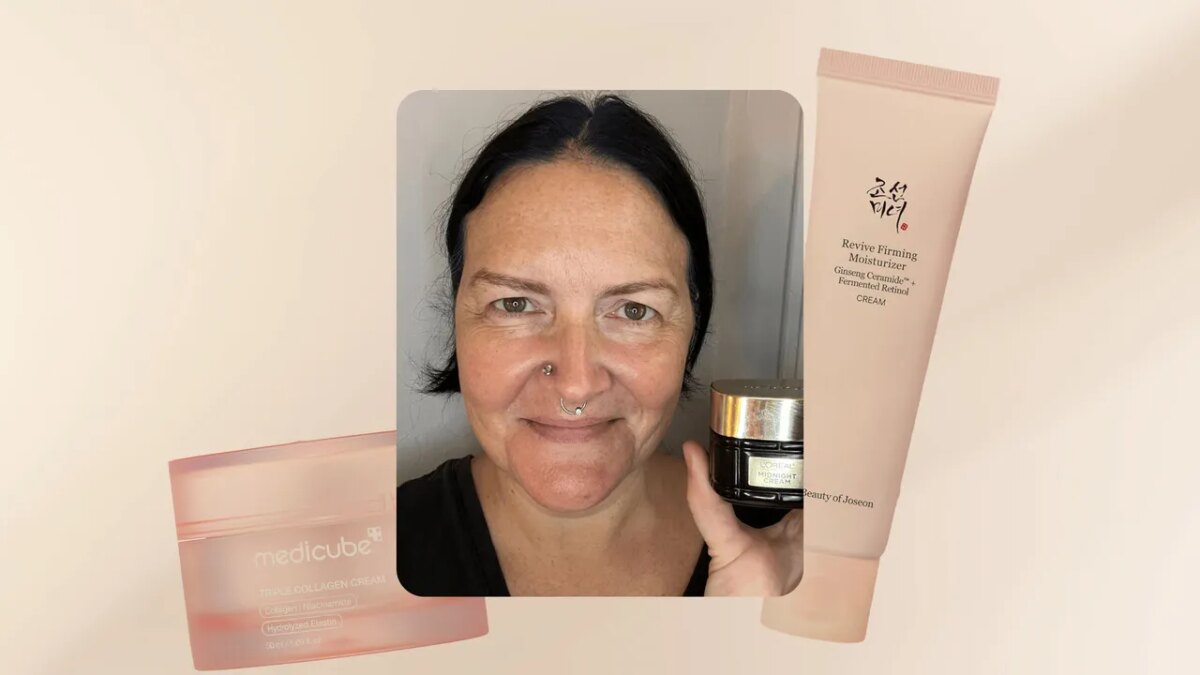
We tested antiaging creams by evaluating their ingredients, texture, and overall efficacy. Our testers ranged from 30 to 60 in age and had a variety of different skin types and skin concerns including acne, sensitive, and mature skin. The best products had dermatologist-recommended ingredients like hyaluronic acid, collagen, ceramides, and antioxidants to combat fine lines and wrinkles in addition to dark spots and dullness.
The ones we loved also had lightweight textures that our skin simply drank up, from gel-cream formulas to thick occlusive finishes that dried down quickly without leaving our skin feeling sticky. The ones that made the cut were efficacious and did a great job of minimizing fine lines around our eyes (11’s on forehead or crow’s feet) or wrinkles around our nose and mouth. Our skin was left looking plump, hydrated, and glowing after consistent use.
- Ryan Turner, MD, board-certified dermatologist at Turner Dermatology in NYC and founder of TRNR Skin
- Claire Wolinsky, MD, board-certified dermatologist based in NYC
- Anar Mikailov, MD, board-certified dermatologist and the cofounder of Skintensive
- Brian Hibler, MD, board-certified dermatologist at Schweiger Dermatology Group in NYC
- Hope Mitchell, MD, board-certified dermatologist and founder of Mitchell Dermatology
- Dendy Engelman, MD, board-certified dermatologist based in New York City