
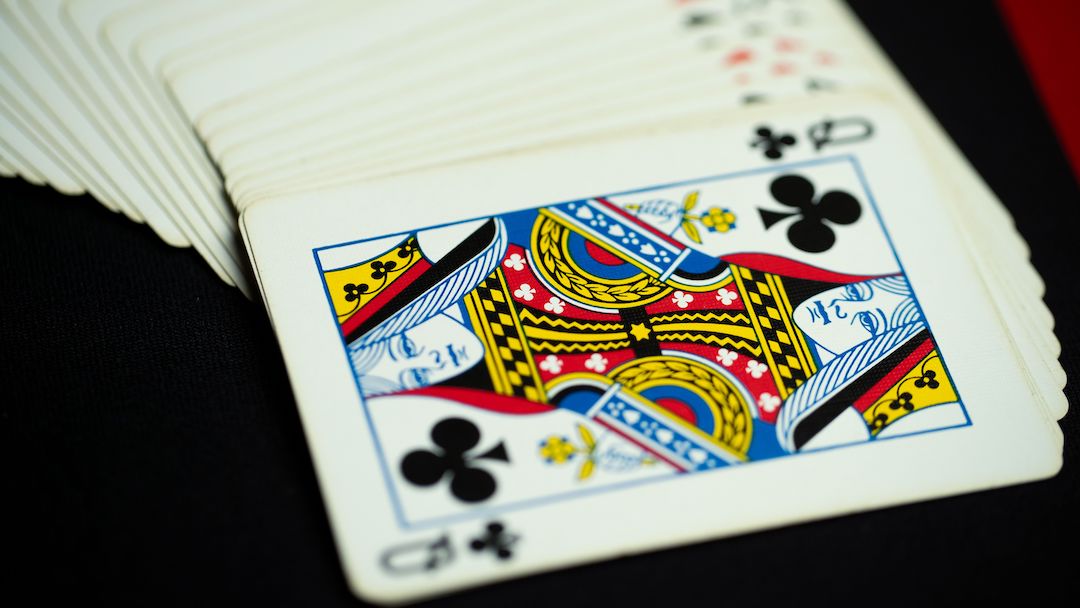
A queen lands on the table. In the next shot, it has become a jack. The actor’s performance may be convincing, but the audience has just been asked to believe in a different game. A solitaire scene makes continuity unusually visible because every action changes a small, readable arrangement.
For a practical exercise, use PlaySolitaire, a free browser version of classic solitaire, to rehearse a short sequence of legal moves before recreating that position with a physical deck. The game becomes the reference for what your actor does, what the camera reveals and what the editor must preserve. You need not film the website itself.
The aim is not to record an entire game. It is to make a short sequence feel like one continuous decision.
Choose a position with a visible consequence
Play until moving an exposed card will uncover a face down card beneath it. In classic Klondike, columns descend in alternating colours, so a black seven can sit on a red eight. Pick a legal move that your performer can repeat comfortably. Avoid a complicated chain that requires explaining the rules before anything matters.
Your short scene might show the player considering that move, making it and turning over the newly exposed card. The reveal gives the scene a destination. A useful card could prompt a quiet smile; an unhelpful one could leave the player staring at the table. Neither response needs dialogue.
Copy the relevant position from the browser onto your table. Preserve the hidden card you selected for the reveal, rather than leaving that detail to a fresh shuffle on every take. This is a staged scene, not a record of competitive play.
Record the state before the action
Before moving the camera, photograph the complete layout from directly above. Then record the position immediately after the move and after the reveal. Those three reference images are more useful than a vague instruction to put everything back where it was.
Look beyond the obvious ranks and suits. How far does the seven overlap the eight? Is the stock square or slightly untidy? Which hand rests beside the empty space? A reset that restores the cards but changes the hand position can still create a distracting cut.
Continuity also includes the performer. Note where their gaze begins, when they recognise the available move and how long they wait before touching the card. A thoughtful hesitation in the wide shot followed by an immediate grab in the close shot can make the character seem to change their mind for no reason.
Give the viewer a map of the table
Start with a shot that establishes the player and the relevant columns. The audience does not need to memorise all 52 cards. It needs to understand where the action starts and where the hand is going.
For this exercise, keep your closer camera positions on the same side of the line between the player and the important card. If the hand travels towards the right in the establishing shot, avoid suddenly presenting the same move as a journey towards the left. Crossing that line is not forbidden filmmaking, but it introduces a spatial problem that this simple exercise does not need.
Check the eyeline too. When the player looks down at the newly uncovered card, the following insert should show the object of that attention. A beautiful close view of the stock may be the wrong shot at that moment.
Match a movement, not just two pictures
Film the complete action in the wide shot and again in the closer view. Let the hand approach, lift, travel and settle in both takes. Recording only a tiny fragment of movement makes it harder to find a convincing edit later.
Try cutting while the card is travelling, carrying the action across the change in framing. Match the stage of the movement as well as its direction. A hand that is already touching the destination pile should not arrive there for a second time after the cut.
The digital rehearsal helps here because it has established the order of events. Moving the exposed card creates the opportunity to reveal the one beneath it. If your edit shows the reveal first, the scene has skipped a necessary action. Keep the game understandable even when you shorten the time it takes to play.
Test the edit before adding polish
Assemble a brief version with the camera sound and no music. Watch the moving card, then watch only the performer’s hands, then their eyes. Each pass asks a different continuity question. Does the object stay consistent? Does the action connect? Does the attention make sense?
Show the sequence to someone who did not watch the shoot. Ask what the player was trying to do and what changed. If the answer is unclear, return to coverage and timing before looking for a musical cue that might explain the scene for you.
Solitaire is useful here precisely because the action is modest. There is no crowd, elaborate stunt or second performer to distract from a broken sequence. When a viewer can follow a single card from consideration to consequence, the exercise has done its job.
Related