“Slow motion can turn the ordinary into the extraordinary, revealing layers of meaning.” Stanley Kubrick
I’m a specialist slow-motion cinematographer and own a Freefly Ember 5K, a camera designed specifically for capturing super slow-motion footage for film and television. It can shoot at up to 1,000fps in 4K, with even higher frame rates available in HD.
Over the years, I’ve learnt a great deal about shooting slow-motion, much of which is applicable to any high-speed camera. There’s far more to slow-motion cinematography than you might think.
Typically, many of the techniques we use to create a cinematic image involve shooting with fast apertures to achieve a shallow depth of field, using diffusion filters to soften skin detail, and maintaining a 180-degree shutter angle to create smooth motion blur. However, when shooting slow-motion, these are often things you want to avoid.
The reason is simple: when we watch ultra-slow-motion footage, we’re seeing things that the human eye cannot normally perceive. To get the most out of these images, we want sharp, highly detailed footage where everything is in focus. We also want that detail to remain sharp as the subject moves, ensuring we don’t feel as though we’re missing anything.
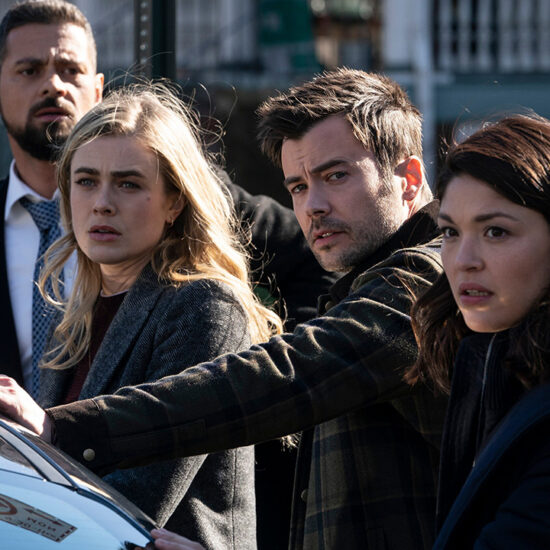
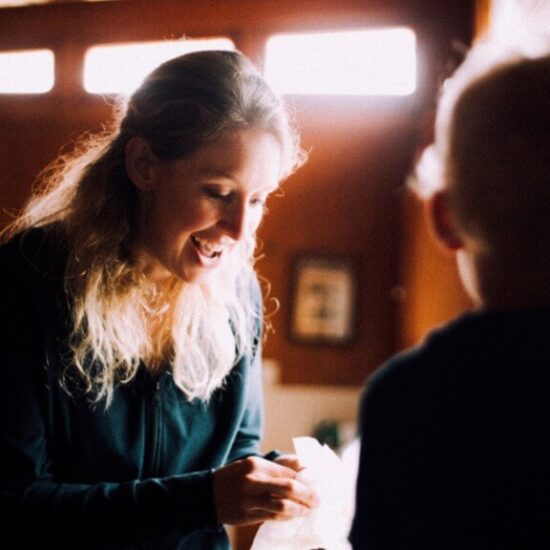
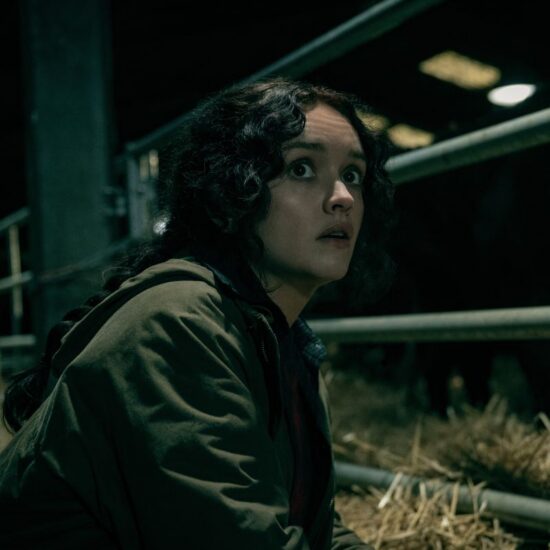
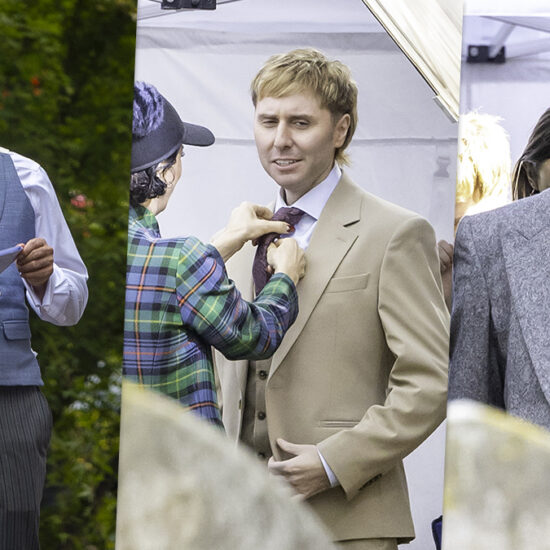
Slow-motion footage I have shot in the last year.
With that in mind, here are my five rules for shooting slow-motion.
1. Not everything looks good in slow-motion
Try to think of things that will have the most impact when slowed down. Someone once suggested they wanted slow-motion footage of them juggling. This is not the best use of a super slow-motion camera as this is something we can see with our own eyes. A good subject is anything that either cannot be seen with the human eye as its too fast or something that would create more meaning to a scene. This should not be over used but slow-motion can give your film more emotional depth when needed.
2. Stop the aperture down to at least f5.6
Many lenses perform better at this aperture and will look sharper with less booming around highlight detail. You will also have a deeper depth of field so when you are watching a coffee bean flying through the air at 1000 fps it won’t go out of focus as soon as it moves nearer or further away from the camera.
3. Pre focus
Slow motion cameras do not have auto focus and focus pulling at these speeds is not really possible. So working out where you want to manually place your line of focus is very important. So at the point that we will be seeing the most interesting action and where the frame composition will look the best should be where you pre-focus the camera for.
4. Use a 90 degree shutter angle
A 180 degree shutter angle is industry standard for the best balance of a sharp image in motion and some nice gentle motion blur giving the image a cinematic look. In slow-motion we want to see that detail as sharp as possible in motion to heighten the impact the image has on the audience. So after lots of testing I found that the 90 degree shutter is best for super slow-motion cinematography.
5. Bring lots of lights
As you may have noticed many of these rules require even more light. The fastest ISO on the Ember is 400 which is quite slow by todays standards and if you want a sharp image in motion you will need a extremely fast shutter which will require a lot of light. 24fps in cinema requires a 1/48th a second shutter speed to follow the 180 degree shutter rule. At 1000fps this would require a 1/2000th shutter speed. Now if we want to have more detail in motion in our footage and we use a 90 degree shutter you need double the light at 1/4000th sec shutter. Added to that we also want to avoid shooting our lenses at wide open apertures to get more in focus and increase the depth of field to allow for the fact we cannot focus pull easily. This of course requires more light to use 5.6 aperture then it does at f2. This means that unless its a bright sunny day you may even require a powerful light when shooting outside.
Shooting slow-motion cinematography is a very rewarding experience. When you see the smiles on peoples faces as they see themselves like they have never seen before is always a beautiful moment. In a way this kind of filming really brings back what the magic of cinema was always all about. A opportunity to view the world in a different way.

Tom J. Kelly is a cinematographer, colourist and shooting director with over 16 years of experience working across feature films, documentaries, commercials and television. Specialising in cinematic imagery and super slow-motion cinematography.
His work spans a diverse range of productions, from narrative filmmaking and branded content to observational documentaries filmed internationally. He recently spent three months filming across China on the feature documentary Run China Run, bringing a cinematic approach to real-world storytelling.
As an experienced colourist, Tom has graded numerous feature films, developing a strong understanding of the entire image-making process, from camera through to final delivery. This combination of cinematography and post-production expertise allows him to approach every project with a considered understanding of light, composition, movement and colour.
Based in Brighton, UK, Tom is passionate about visual storytelling, innovative camera techniques and creating compelling images that combine cinematic quality with emotional impact.
Related