
Frequently asked questions
How do pimple patches work?
“Pimple patches are essentially small adhesive bandages placed over pimples to encourage them to resolve as quickly as possible,” says Adarsh Vijay Mudgil, MD, a board-certified dermatologist and founder of New York City’s Mudgil Dermatology. “They’re made using hydrocolloid material, which draws moisture out of the underlying area, while some contain benzoyl peroxide and/or salicylic acid, classic acne-fighting ingredients that help exfoliate the underlying pimple.”
While they can help shrink pimples, they’re not a miracle solution for all acne concerns, says Pooja Rambhia, MD, a board-certified dermatologist at Union Derm in New Jersey. “While patches offer targeted spot treatment for individual blemishes, truly effective acne management requires a board-certified dermatologist’s expertise to diagnose your specific type of acne, prescribe appropriate medications, and create a personalized acne treatment plan addressing the root cause that no patch alone can provide.” Hadley King, MD, a board-certified dermatologist based in NYC, echoes this sentiment and shares that pimple patches are most effective on superficial acne. “They are less likely to be helpful for deeper, more cystic lesions,” she says.
What do pimple patches pull out?
According to Dr. King, hydrocolloid pimple patches pull out oil and carry dirt away from the pimple. “These impurities are then turned into a gel-like substance that sticks to the patch,” she says. While stuck to the skin, they also have the added benefit of preventing you from picking or trying to pop the pimple, she says: “This is good because picking a pimple increases inflammation and healing time and increases risk for infection, discoloration, and scarring.”
How often can you use a pimple patch?
“Pimple patches can generally be used as needed when active blemishes appear,” says Dr. Rambhia, but for optimal results, she recommends replacing a pimple patch every 6-12 hours or once they turn white or opaque, which indicates that they’ve absorbed excess fluid. “Most patches can be worn overnight or throughout the day until the blemish has flattened and reduced in redness. If you’re treating the same spot consecutively, allow your skin brief breaks between applications to breathe and recover.”
The experts say not to use a pimple patch on skin that is broken or severely irritated. “They should also not be used over an anti-acne ingredient like a retinoid or benzoyl peroxide, as the occlusion can increase the potential for irritation,” says Marisa Garshick, MD, a board-certified dermatologist at MDCS Dermatology. They should never be used on pimples that are open or bleeding, and if you have sensitive skin, it’s best to proceed with caution and check with your dermatologist.
How do dermatologists recommend using them?
Long story short: Many dermatologists enthusiastically recommend using pimple patches. “While they won’t treat the root causes of acne like clogged pores, hormones, or excess oil, they are great for healing existing breakouts—especially whiteheads and picked pimples,” Dr. Gohara shares. “Think of them as tiny bandages that create a moist environment to help the skin repair itself while keeping fingers out of the way. We typically recommend using them on already inflamed pimples or spots that have been opened (or picked—hey, it happens).” Be sure your face is completely washed and cleaned before application to guarantee a sanitary surface. Since the patches are occlusive, any dirt and grime underneath them can cause further irritation or worsen breakouts.
Do pimple patches work on unpopped pimples?
“Pimple patches can work on unpopped pimples—but with caveats,” says Dr. Gohara. Pimple patches are most effective on surface-level acne, like whiteheads or pustules. On deeper, under-the-skin pimples (think painful cysts), they’re less likely to extract anything.
She says that while you shouldn’t expect gooey extractions with those blemishes, the patches can “still reduce irritation and protect the area from bacteria and picking.” She adds that “some versions now include microdarts or infused ingredients (like salicylic acid or tea tree oil), which may help penetrate a bit deeper—but they’re not a replacement for a comprehensive acne treatment plan.”
Is there a downside to pimple patches?
There are a few things to consider when using pimple patches, says Maryam Safaee, MD, FAAD, a board-certified dermatologist based in California. First, they may cause allergic contact dermatitis, which is irritation around the pimple, often from the adhesive used in the patch. Second, they could potentially worsen acne, depending on its type. “In some cases, the occlusive nature of the patch can exacerbate bacterial overgrowth and may in turn worsen the acute acne lesion,” she says. If either occurs, stop using the patches immediately and visit your board-certified dermatologist for the best treatment.
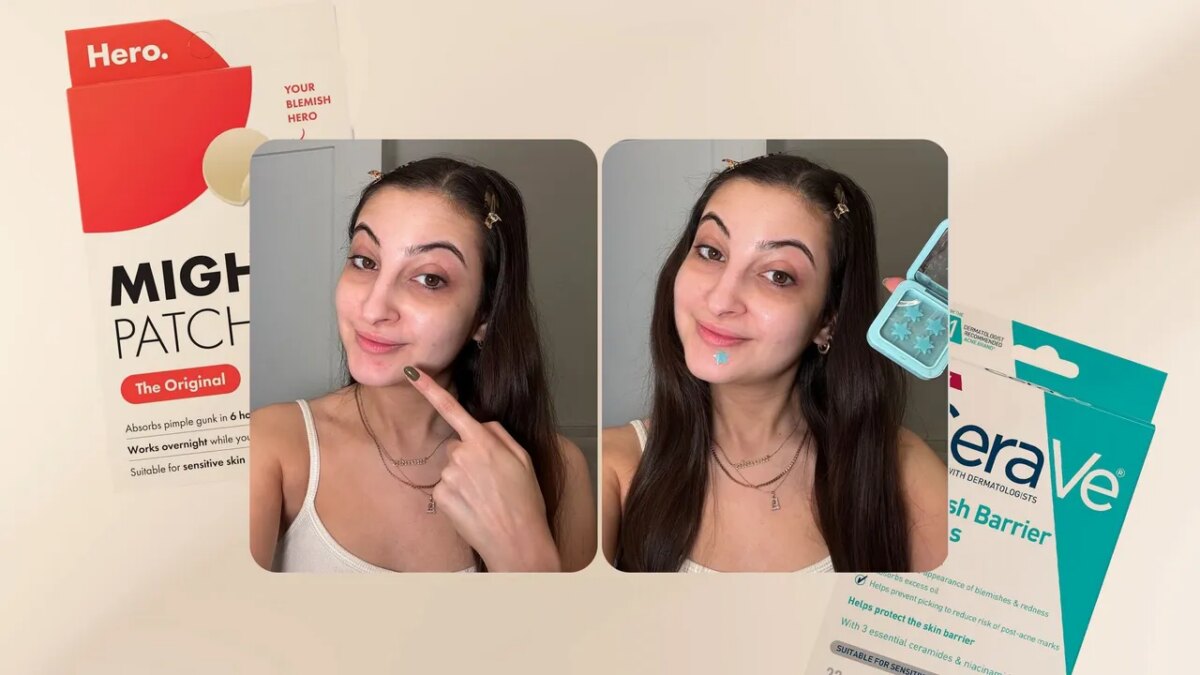
We tested pimple patches by evaluating the ingredients, how well they stayed on, and whether they effectively reduced our breakouts. We favored dermatologist-recommended formulas with acne-fighting ingredients like salicylic acid and hydrocolloid (an absorbent material that draws fluid from a wound). We followed the instructions and wore them for at least two hours or overnight, depending on the patch and our type of breakout. We checked if it left sticky residue after each wear. The ones that made this list helped reduce the inflammation of pimples or zits and made our overall complexion less irritated over one or two uses.
- Adarsh Vijay Mudgil, MD, board-certified dermatologist and founder of New York City’s Mudgil Dermatology
- Pooja Rambhia, MD, board-certified dermatologist at Union Derm in New Jersey
- Marisa Garshick, MD, board-certified dermatologist at MDCS Dermatology
- Maryam Safaee MD, FAAD, a board-certified dermatologist based in California
- Mona Gohara, MD, board-certified dermatologist in Connecticut
- Hadley King, MD, a board-certified dermatologist based in NYC