
5 Films That Capture the Real Meaning of Labor Day
Labor Day started as a response to dangerous factories, brutal hours, and a labor movement that fought — and sometimes died — for the eight-hour day. It’s easy to lose that history under a layer of mattress sales and the unofficial end of summer. So instead of another list of Norma Rae and On the Waterfront reruns, we went back through our own archive to pull five films Film Threat has reviewed that dig into what it means to work, to lose work, or to fight for its dignity. Two documentaries, two narrative dramas, and one hunger strike inside a Supermax — here’s our Labor Day watchlist, straight from the reviews.
1. Solidarity (2026)
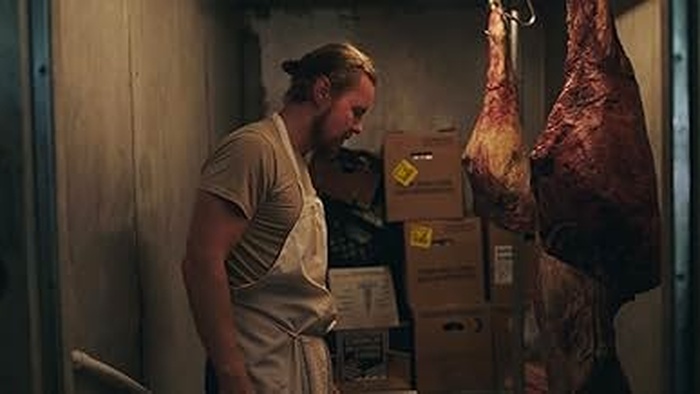
The plot: Director Dustin Brown’s debut feature tracks two immigrant workers in Los Angeles’s fashion district who never meet but share the same fight. Inés, a Mexican seamstress, is trying to make it to her daughter’s wedding while dodging an ICE raid and an exploitative boss. Tomas, a Lithuanian butcher, is dealing with an abusive employer and a personal tragedy of his own. Their stories run in parallel, two very different backgrounds converging on the same experience of being disposable labor in someone else’s economy.
Why it’s on the list: It’s the most direct, most current statement on this entire list — a film that takes the word “solidarity” and applies it literally to two workers who’d otherwise have nothing in common. If Labor Day is about honoring the people who keep the country running while getting the least protection for it, this is this year’s answer.
The pull quote: Reviewer Bradley Gibson gave it a 9/10, calling it “an emotionally charged exploration of the disregard many Americans hold for immigrants,” and adding that “Solidarity does what great cinema should, putting us in the shoes of others to know their experiences vicariously.”

2. Working Man (2020)
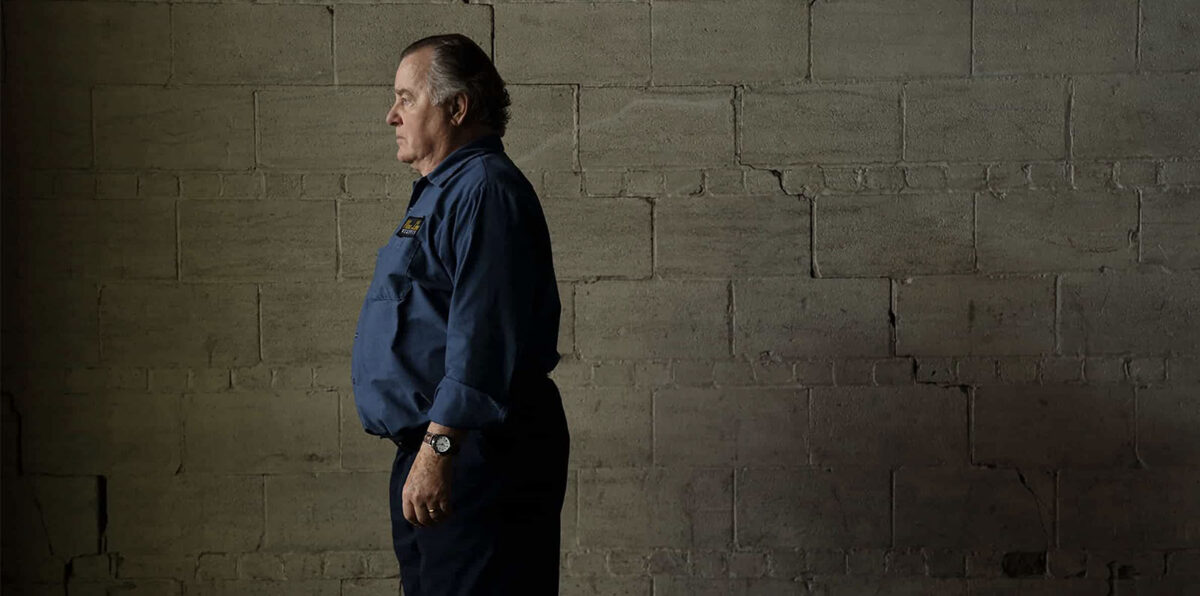
The plot: Robert Jury’s drama follows Allery Parkes and Walter Brewer, two lifelong factory workers whose plant shuts its doors without warning. Rather than walk away, Allery keeps showing up — clocking in, running the machines, finishing the orders nobody asked him to finish — because the factory is the only identity he’s got left. What starts as stubbornness turns into something closer to grief.
Why it’s on the list: This film gets at the part of Labor Day nobody puts on a greeting card: what happens when the labor is taken away from you. It’s a portrait of the psychological toll of deindustrialization, told through one man too proud, or too lost, to stop going to work.
The pull quote: Kyle Bain scored it 9.5/10, the highest on this list, writing that “the story of loss and persistence engulfs the audience, so much so that they cannot look away,” and praising the way “Jury’s ability to connect to the real world and the people in it says volumes about his writing.”

3. American Factory (2019)
The plot: When GM shut down its Dayton, Ohio plant in 2008, it left thousands out of work. The Oscar-winning documentary from Steven Bognar and Julia Reichert picks up years later, when Chinese auto-glass manufacturer Fuyao reopens the same building — and the culture clash between Chinese management and American labor becomes a case study in what globalization actually looks like on the factory floor.
Why it’s on the list: It’s the closest thing on this list to a direct sequel to the story Labor Day was invented to tell: what a company owes the people who work for it, and what happens when that math doesn’t add up on both sides of the world.
The pull quote: Film Threat’s own Alan Ng reviewed it at 8.5/10, noting that “in our minds, this idea of globalism is a noble one… but when put into practice, it’s an entirely different matter,” and pressing the question at the heart of the film: “What do these jobs mean when expectations fail to match reality and a working wage comes at a high price?”

4. The Workers Cup (2017)
The plot: Adam Sobel’s documentary follows migrant construction laborers in Qatar — men from India, Nepal, Ghana, and Kenya — building the stadiums for the 2022 FIFA World Cup under grueling 12-hour days. As a morale boost, FIFA and the labor camps organize an amateur soccer tournament, “The Workers Cup,” giving the men a brief, bittersweet taste of the spotlight their labor will never actually get.
Why it’s on the list: It’s the starkest illustration on this list of labor without recognition — men building a global spectacle they’ll never be allowed to watch in person. The tournament is a nice gesture and a devastating irony in the same breath.
The pull quote: Lorry Kikta scored it 8/10, zeroing in on details like the fact that “the workers who built the place are not even allowed to be in the building when the mall is open” — a line that says more about the gap between labor and reward than any statistic could.

5. The Strike (2024)
The plot: This documentary from Lucas Guilkey and Joe Bill Munoz goes inside Pelican Bay State Prison’s Security Housing Unit, where inmates including Gabriel Reyes, Richard Wembe Johnson, Luis Esquivel, and Danny Troxell organize a hunger strike — inspired by Irish republican prisoners — to protest the psychological brutality of long-term solitary confinement.
Why it’s on the list: It stretches the definition of “labor” to its limit, and that’s exactly the point. A strike is a strike whether it’s on an assembly line or in a Supermax — a collective refusal by people with almost no leverage, using the only thing they have left to withhold.
The pull quote: Kent Hill gave it 8.5/10, calling it “an enthralling and engrossing look at the unyielding flame that burns at the heart of the human spirit,” and describing it as “another important documentary that shows the callous core at the heart of yet another system of control.”
All five films are reviewed in full on Film Threat. Have a Labor Day watch of your own worth arguing for? Let us know.