Some classic American thrillers are worth a second viewing. Others are so airtight that rewatching them isn’t enough. Going the extra mile to recommend them to everyone is the best way to show your appreciation. The classic American thriller movies on this list were built with great precision — dense scripts, tidy pacing, strong performances, and suspense that still lands decades later. It’s difficult to point to a wasted frame.
It could be a murder witnessed from a window or a detective running through dirty alleys to clean up a city’s rot. Maybe it’s just a seemingly ordinary person hiding great secrets. No matter what story it tells, each of these classic thriller movies knows exactly how to ensure maximum entertainment. What makes them remarkable is their confidence. There are no weak characters, either, just necessary ones who propel the masterful storytelling.
‘Double Indemnity’ (1944)
A Cautionary Tale About the Dangers of Loving Obsessively

Why It’s Great: Billy Wilder’s acclaimed crime thriller addresses fatalism and corruption in a harrowing story about an insurance salesman who helps his lover murder her husband for a payout. The narrative framing is impressive as the movie opens with a criminal recording his confession on a dictaphone. The story unfolds through flashbacks, and doom hangs over every scene. You’ll love the dialogue, which cracks with innuendo throughout.
How It’s Flawless: Thanks to the tight construction, Double Indemnity leaves little room for flaws. The early confession eliminates uncertainty and suspense, substituting them with dread. The viewing experience becomes all about appreciating the technical craft and plot mechanics. The visuals never change either, and the shadowed Los Angeles photography remains sharp throughout the movie.
Watch this if
- You want the blueprint for the femme fatale and doomed-crime story.
- You enjoy razor-sharp dialogue and a plot where you know the ending but can’t look away.
Skip this if
- You’re put off by 1940s theatrical delivery and heavy voiceover narration.
- You need sympathetic characters to root for.
Will you watch this?
‘Rear Window’ (1954)
Hitchcock’s Pseudo-Detective Thriller Highlights the Power of Observation
Why It’s Great: Alfred Hitchcock’s Rear Window made the simple act of voyeurism feel artistic. It has influenced many movies since. Curiosity drives the plot as an injured photographer begins spying on his neighbors and becomes convinced that one of them has murdered his wife. The film is confined to a courtyard and a single apartment set, a constraint Hitchcock used to create tension. Great cinematography and sound design perfectly complement the story.
How It’s Flawless: There is no location meandering in Rear Window, so this is easy work for a filmmaker like Hitchcock, who had experience handling the most complicated sets. Despite the minimal locations, every new scene tells its own story. With fresh details surfacing in each look through the camera, the movie just keeps getting better.
Watch this if
- You love suspense built from restraint, clever staging, and a single location.
- ou enjoy stories about watching and being watched.
Skip this if
- You want nonstop action or a fast-moving thriller.
- You’ll be frustrated by a slow first half before the tension kicks in.
Will you watch this?
‘The Thin Man’ (1934)
The Most Intriguing Couple You’ll Meet

Why It’s Great: The great William Powell and Myrna Loy make matrimony look fun as their characters investigate an alleged murder committed by an inventor. Heavy on comedic elements, The Thin Man’s banter often outweighs the tension, but the story never becomes dull. Themes of social stratification and hedonism are explored, too. Few movies have a better ending than this one, as the subjects hilariously gather at a dinner party with interesting outcomes.
How It’s Flawless: The chemistry between the lead actors is the engine, and it never fails. Powell and Loy’s improvisational rapport makes even throwaway scenes delightful, and the movie’s breezy tone never curdles into smugness. Better yet, the mystery supplies enough forward drive to prevent the jokes from feeling aimless.
Watch this if
- You want a light, witty comedy-thriller driven by great chemistry.
- You enjoy cocktails, banter, and cozy charm over serious suspense.
Skip this if
- You expect a tense, complex whodunit.
- You find 1930s screwball humor and drinking-centered plotting grating.
Will you watch this?
‘Chinatown’ (1974)
Corruption Is a Stain that Can’t Be Erased In This Attractive Thriller
-
 Paramount Pictures
-
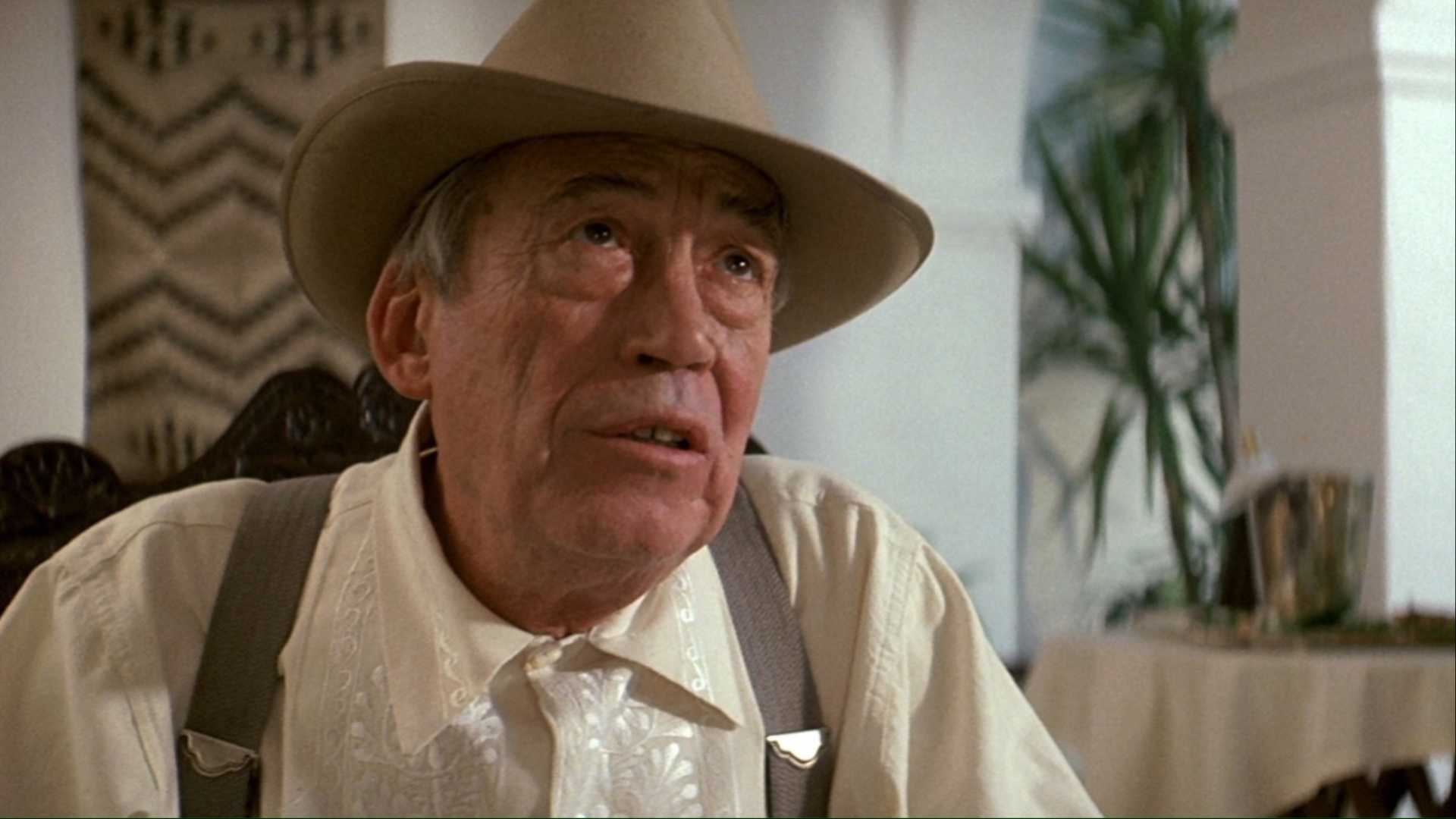
John Huston’s Noah Cross in Chinatown Paramount Pictures -
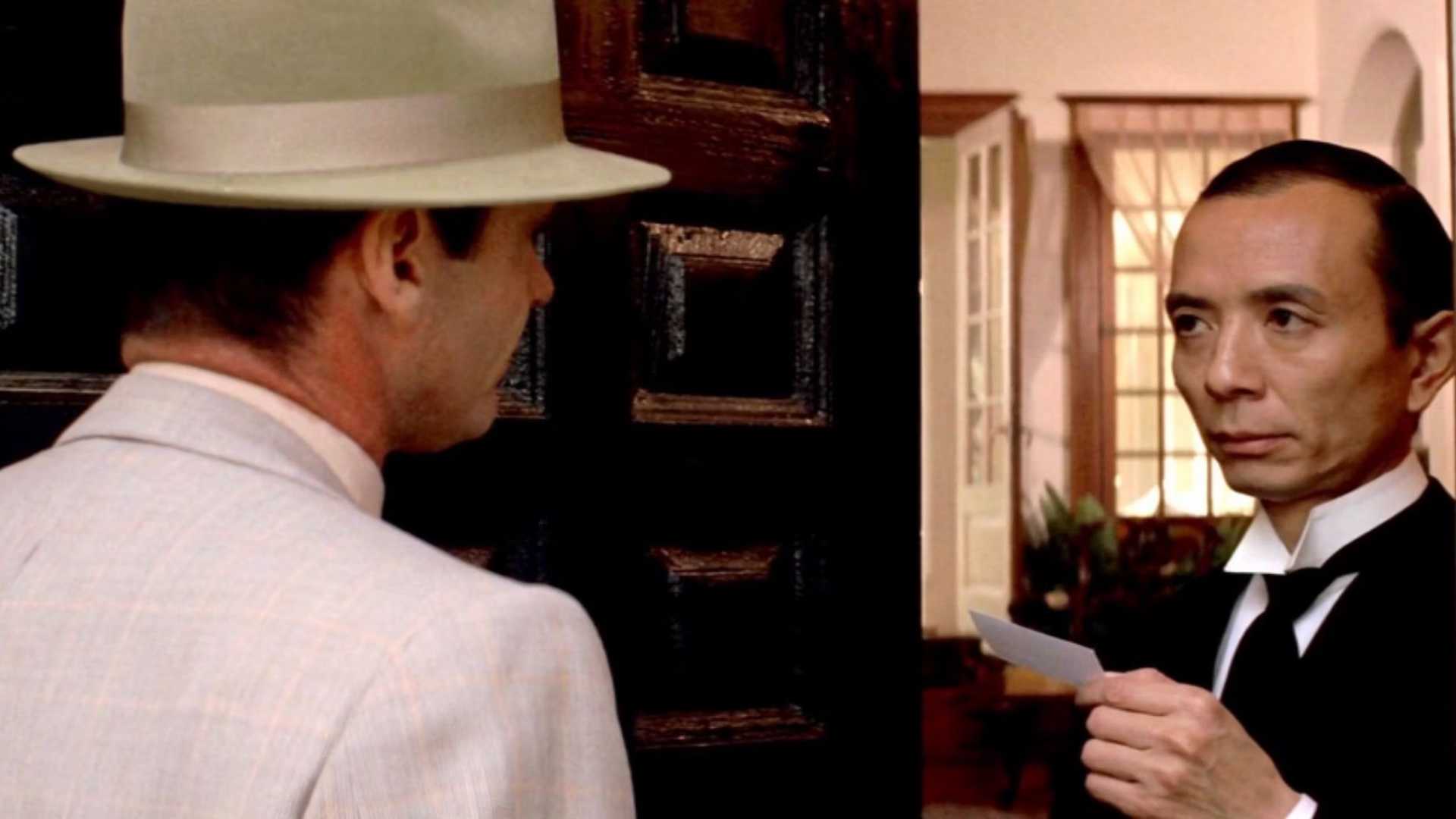
Jack Nicholson and James Hong in Chinatown Paramount
Why It’s Great: Chinatown questions the notion of karma and takes a bold approach to bitter realism, suggesting that influential people sometimes are unpunished and good intentions are misguided.
Nicholson does an excellent job as Jake Gittes, a P.I. who takes a routine adultery case in 1930s Los Angeles only to uncover a major conspiracy involving the city’s water supply. Nicholson’s wounded pessimism is a highlight, while the dialogue is top-notch. Few can forget the line, “Forget it, Jake. It’s Chinatown!”
How It’s Flawless: The movie’s status as one of the greatest 20th-century crime thrillers is deserved. Many cite Robert Towne’s script as a model of setup and delivery, with every clue paying off. The opening adultery case seems tiny, then expands, then darkens. The leisurely pace never ruins the proceedings either, because every exchange carries key subtext. Even quieter scenes, like orchard visits or searches, advance the conspiracy.
Watch this if
- You like layered mysteries and morally bleak endings.
- You appreciate screenwriting that rewards close attention.
Skip this if
- You’re not in the mood for a downbeat, unsettling finale.
- You hate preachy movies.
Will you watch this?
‘Body Heat’ (1981)
Lust and Crime Mix Breed Bizarre Outcomes

Why It’s Great: Love also erases reason in the erotic thriller Body Heat, where a small-time lawyer is drawn into a plot to help his married lover kill her wealthy husband. The movie is also impressive, as it was Lawrence Kasdan’s directorial debut. Making lust the driver of the plot was a risk, but he handled it like a vet.
How It’s Flawless: Kasdan’s movie maintains its visual composition throughout. The characters sweat, so you feel the heat all through. But that heat has different meanings, and it sometimes signifies desperation. The mood is always immaculate, though. Tiny details, like a will or a missing person, keep tightening the plot. By the time the last twist arrives, every earlier scene has been quietly working toward it.
Watch this if
- You want a steamy, atmospheric thriller with a sharp twist.
- You love movies where characters are easily fooled
Skip this if
- You dislike slow-burn pacing or sweaty, sensual atmosphere. Y
- You are turned off by excessive intimacy.
Will you watch this?
‘The Manchurian Candidate’ (1962)
An Unfiltered Look at Politics and Mental Health
Why It’s Great: Forget the Denzel Washington remake. This is The Manchurian Candidate version you should watch. Director John Frankenheimer fuses politically linked paranoia, satire, and loss of values in a tale about a Korean War veteran brainwashed by communists into becoming an unwitting assassin. Frankenheimer comments on both McCarthyite demagoguery and communist propaganda. His ambitions are aided by Angela Lansbury’s chilling performance as a villainous mother.
How It’s Flawless: Frank Sinatra’s acting abilities were sometimes questioned, but in The Manchurian Candidate, he maintains a high level of commitment. Watching him alone is worth the price of admission. The bizarre brainwashing sequence early on grabs attention, then the mystery begins building in layers. Isolation and political maneuvering also keep the conspiracy active.
Watch this if
- You enjoy political thrillers with a satirical edge and strange, dreamlike set pieces.
- You want a villain performance that still chills.
Skip this if
- You prefer grounded, realistic politcal thriller stories.
- You’ll struggle with its blend of dark comedy and surreal paranoia.
Will you watch this?
‘The Killing’ (1956)
Kubrick Creates a Perfect Heist Template
Why It’s Great: Stanley Kubrick’s The Killing inspired many 21st-century heist thrillers. The movie brilliantly shows how bad luck and stupidity can ruin any plan as it follows the collapse of a racetrack heist. Kubrick is creative once again, using a fractured, time-hopping structure to follow each character, and he constructs suspense through precision. Sterling Hayden anchors a strong ensemble, and Marie Windsor’s venomous wife is memorable.
How It’s Flawless: Kubrick made good use of The Killing‘s 90 minute-run. The non-linear structure keeps reexamining the heist from a different character’s perspective. This approach helps maintain curiosity and builds momentum. Each character also gets a detailed introduction, so no member of the ensemble is ever boring. The result is a purposeful movie.
Watch this if
- You like tight, efficient heist films with a fractured timeline.
- You want to see Kubrick’s early, lean craftsmanship.
Skip this if
- You’d rather have clear character arcs than a bleak, ensemble-driven tragedy.
- You expect a glamorous, stylish heist full of banter and gadgets.
Will you watch this?
‘The Night of the Hunter’ (1955)
Manipulation Takes a Wild New Form
Why It’s Great: Charles Laughton’s only directorial effort is an impressive blend of expressionist cinema and horror-like dread. A mysterious preacher with LOVE and HATE tattooed on his knuckles marries a widow, secretly chasing after a hidden stack of cash. Laughton deserves all the commendation for how he explores false piety, childhood innocence, and naiveté. Robert Mitchum is also terrifyingly good in the lead role.
How It’s Flawless: Few movies look like The Night of the Hunter. The German Expressionist photography, coupled with stylized sets and haunting silhouettes, makes the thriller hard to look away from. Additionally, Laughton structures his movie as a series of vivid, self-contained moments that all add up to one larger nightmare. The plot advances without losing cohesion.
Watch this if
- ou want one of cinema’s great villain performances.
- You love visually daring films that blend horror, fable, and noir.
Skip this if
- You want a conventional thriller with realistic pacing.
- Stylized, dreamlike storytelling and theatrical acting may feel too strange.
Will you watch this?
‘The Maltese Falcon’ (1941)
Bogart’s Greatest Movie Hasn’t Aged at All

Why It’s Great: The Maltese Falcon is remembered for Humphrey Bogart’s powerhouse performance, and also for having one of the greatest final lines in crime thrillers: “The stuff that dreams are made of.” A San Francisco detective gets entangled with a band of schemers hunting a priceless statuette, and the twists are aplenty. Themes of greed, duplicity, and the cost of integrity give the movie’s famous ending more power.
How It’s Flawless: Director John Huston’s tight adaptation of Dashiell Hammett’s 1930 novel moves briskly, rarely wasting a sequence. The Maltese Falcon‘s dialogue is its greatest strength, though the hero’s encounters with each of the key supporting characters add a lot of value, too, unfolding like chess matches and shifting the balance of power. Every new revelation advances the hunt for the falcon or reveals more about Bogart’s character, building smoothly to the tense finale.
Watch this if
- You want the original hard-boiled detective thriller with Bogart at his best.
- You enjoy dialogue-driven plots full of liars and double-crosses.
Skip this if
- A talky, room-bound structure may feel stagey if you’re not into classic dialogue-heavy films.
- You need action or visual spectacle.
Will you watch this?
‘Vertigo’ (1958)
Alfred Hitchcock’s Mind-Bending Masterpiece Rich With Twists
Why It’s Great: Alfred Hitchcock turns a thriller into a study of fixation, control, and desperation when a retired detective afflicted with acrophobia is hired to follow a friend’s wife. Twists pile up wildly, almost to a confusing point, but Kim Novak’s dual performance makes the viewing experience worthwhile. Bernard Herrmann’s score and Robert Burks’ cinematography also give Vertigo a fun, dreamlike feel.
How It’s Flawless: Vertigo’s enduring legacy is thanks to many factors, including how it reveals more in each frame. The first act’s surveillance scenes are spellbinding and mysterious, and the midpoint reveal reframes everything we thought we knew. The last half is just as gripping as the lines between reality and fantasy become blurred. The movie’s unusual structure is a key asset that eliminates predictability.
Watch this if
- You like films that deepen and reward repeat viewings.
- You enjoy slow-burn psychological dramas about obsession and identity.
Skip this if
- You want an optimism-leaning thriller.
- Deliberate pacing and an unsympathetic, obsessive lead can test your patience.
Will you watch this?