
Mark Stenberg: Venture capital firms have not historically invested in creators. What do you see as the opportunity there?
Sam Lessin: The basic theory is that as the internet gets bigger, and trust becomes a more valuable commodity, niche communities will become more important. Instead of building a product, you build a brand that people trust, and you become the node in the center of that space.
Mark: You have invested in around a dozen creators and have more to announce in the coming weeks. What kind of creator does Slow invest in?
Sam: Our framework is people who have demonstrated a capacity for community-building and have super fans. They must have demonstrated that they want to build something big and that they have a commercial instinct. Once we are aligned on those elements, they can use our capital however they see fit.
Mark: Venture famously seeks moonshots, where a small investment in the right company yields a windfall large enough to cover its misses. Do you see creators as capable of generating that kind of windfall?
Sam: I think there are creators who can 10x and 100x your investment, but probably not 1,000x it. Those returns are possible in technology companies because their likelihood is so improbable, whereas creators are in many ways far safer bets. They often already have an audience and revenue, while most Silicon Valley startups have only an idea scribbled on a napkin. Creators are capital-starved, which is why we see an opportunity, but they are good businesses.
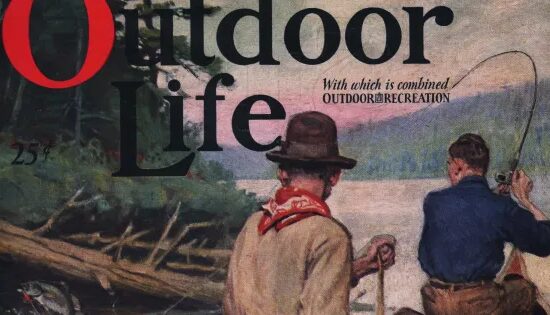
Mark: The creators you invest in operate in highly specific niches, like commercial fishing and textile manufacturing. Why them and not pure media creators?
Sam: I think we’re past the moment of mass-market creators, who are a mile wide and an inch deep. Their influence shows up in the kinds of products they market, like candy bars, which are cheap and everyone buys anyway. We want to invest in cults, and the most valuable cult leaders are not being talked about on CNBC.
Pulled Quotes
“So maybe it is because I’m reading Lonesome Dove that I’ve noticed that everyone is reading Lonesome Dove.”
Not Boring author Packy McCormick, on how answer engines distill the zeitgeist into their recommendations
READ MORE
“If you’re short on cash, there is someone in Riga, Latvia, who can help.”
The Atlantic journalist Ali Breland, on the global networks funding conservative propaganda
READ MORE
“Grieving? Trade on it. WakeMarket.”
Comedians Harris Alterman and Dave Ross, who have peppered New York subways with ads for fake technology companies
READ MORE
“Why does Josh Hawley look really disturbed when he’s kissing his own wife? Because the call is coming from inside your own house.”
Dirtbag left podcaster Jennifer Welch, whose insulting style has hastened her political ascent
READ MORE