
March 24, 1996
The courtroom is no strange place for Nelson Mandela. Over the years, key moments not only in his life but also in the life of the nation have been played out before the thin wood veneers, flickering strip lighting, black gowns and
broken clocks that still adorn the halls of justice.
But it is almost 32 years since the Black Pimpernel, then outlaw and revolutionary, was last in the witness box. His performances then and now have always been compelling.
“I feel oppressed by the atmosphere of white domination that lurks all around in this courtroom,” he announced while conducting his own defence in the famous Treason Trial of 1960.
He called on the judge to recuse himself, questioned the very nature of the justice system and pilloried hapless witnesses – particularly those from the security branch.
Yet even as he railed against the system, explained the genesis and objectives of the ANC and of Umkhonto weSizwe, a hint of the personal cost of his endeavours invariably found their way into the proceedings.
It was a plaintive cry, buried among the volume and significance of more weighty matters, but it is one worth recalling: “It has not been easy for me during the past period to separate myself from my wife and children,” he told those present at the Old Synagogue Court in Pretoria in 1962.
“To say goodbye to the good old days when, at the end of a strenuous day at an office, I could look forward to joining my family at the dinner table and instead to take up the life of a man hunted continuously by the police, living separated from those who are closest to me, in my own country, facing continually the hazards of detection and of arrest.
“This has been a life infinitely more difficult than serving a prison sentence. But there comes a time when a man is denied the right to live a normal life, when he can only live the life of an outlaw because the government has so decreed to use the law to impose a state of outlawry upon him. I was driven to this situation, and I do not regret having taken the decisions that I did take.”
And so history staked its claim to the life of Nelson Mandela. And 32 years later he again climbed into the witness box.
The courtroom this time was populated by a very different group of people, far closer to representing the nation’s diversity than in the early 1960s.
He was in a lightly striped charcoal pinstripe and wore, for a few brief moments, a half-smile.
“Yes, Wim, how are you?” he addressed his counsel, Wim Trengove SC.
Mandela’s expression gradually became a smile as he put on his glasses and began to read through the documents before him.
He occasionally looked about, nodding at familiar faces. Every now and then he took off his glasses, rested his chin on one hand, and just stared ahead. He often seemed twisted in his chair.
Winnie entered in a rush of activity, about five or ten minutes late. She avoided looking at him for a while then peeked down the table, past Trengove, to where Mandela was looking through the documents. He wasn’t looking, so she turned
away. Mandela then stole a glance, but again they missed each other. Later, after he had finished being cross-examined, he went over, shook the hands of Winnie’s counsel, then hers, but still he avoided looking into her eyes.
It was a painful, difficult business.
Winnie Madikizela-Mandela fired her counsel in a bid to secure a postponement, saying “I am just an ordinary person, I am not equipped to put witnesses in the box on my behalf and then question them. There is nothing I can do on my own. I am just an ordinary person.”
In the box, Mandela was succinct but generous in his portrayal of Winnie. But he would not allow any over-eulogising by Winnie’s counsel Ismail Semenya.
“She was part of a collective. None of us can be described as having virtues or qualities that raise him or her above others. There are many women in this country who suffered far more than she did.”
At times, he threatened Semenya not to push him: “I appeal to you, do not ask me questions which might compel me to damage the image of the defendant [Winnie] and which will cause pain to our children and grandchildren.”
It was a masterly, though genuine performance that not only fascinated the world but made history too.
There’s simply no holding down a man of destiny.
In his darkest and most humiliating hour, he exudes dignity and forbearance. In circumstances of tawdry self-revelation, he drums up pathos and admiration. In the most menial of situations, he creates precedents that will survive for generations.
In reporting the details of the case, whole swathes of the divorce act were cast out the window, one media lawyer said this week.
What happened in the court this week could have a whole range of implications, including constitutional.
According to the lawyer it is open season on any public figure involved in a divorce case, especially as the presiding officer in the landmark case was Judge President Frikkie Eloff.
Other precedents set during the Mandela trial this week include what is probably the first time that a South African judge has presided over a divorce hearing.
It is also virtually unheard of for a current head of state to enter the witness box to reveal the details of his personal life.
Mandela did not want to appear in court or have his dirty laundry inspected.
The way in which he was made to do this was cruel and unnecessary.
However, Mandela’s adherence to transparency and to the right of the public to know is once more testimony to a man who has been destined always to wear his life, and his heart, on his sleeve.
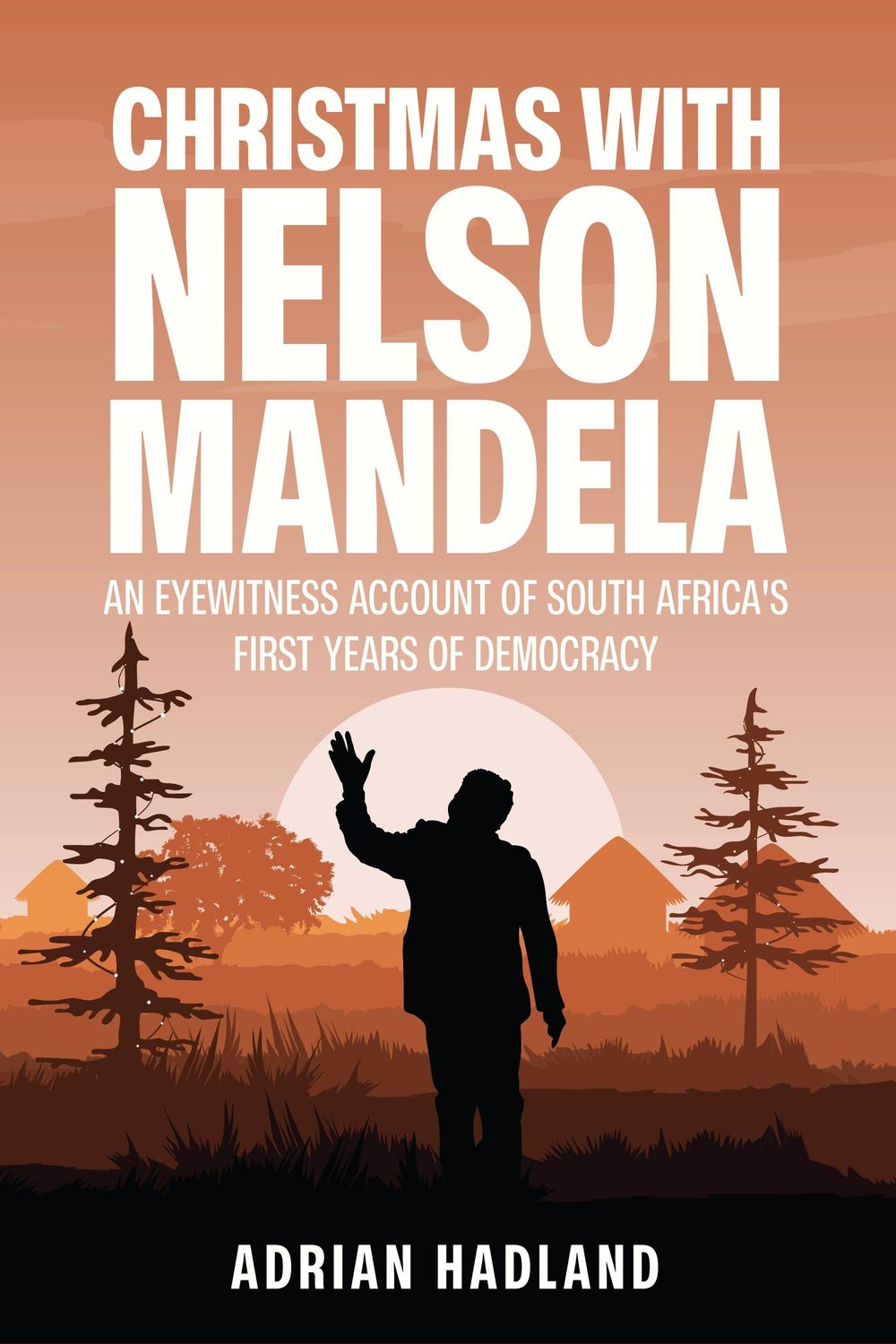
Extract from “Christmas with Nelson Mandela” by Adrian Hadland (LBB Books)
IOL