
Few South Africans have inspired as much admiration, debate and fascination as Winnie Madikizela-Mandela.
For decades, she was viewed through the lens of politics, controversy and resistance.
Yet behind the public image stood a woman whose private struggles, deep loyalties and personal pain were often hidden from view.
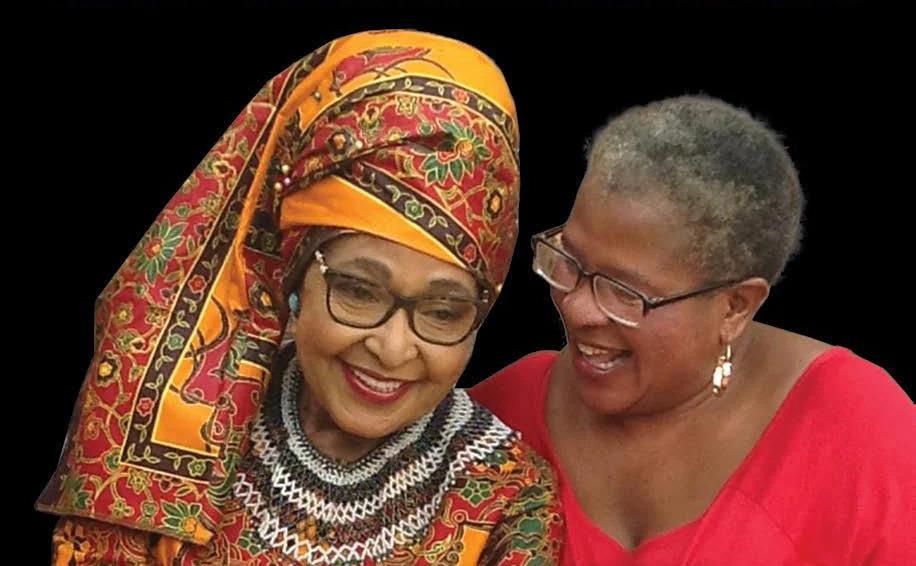
In “My Boss, Mrs Mandela”, her longtime personal assistant Zodwa Zwane hopes to reveal that side of the struggle icon.
“A lot of people believed that Mama Winnie Mandela killed Stompie Seipei. She knew that, and it pained her up to the end. This book hopes to correct that misconception,” Zwane told “Independent Media Lifestyle”.
Published by Ride or Die Press and written with producer and author Percy Bonga Vilakazi, the memoir offers a rare account of Madikizela-Mandela’s life through the eyes of the woman who spent nearly a decade as her personal assistant, confidante and spiritual anchor.
While Nelson Mandela had his trusted assistant Zelda La Grange, Madikizela-Mandela relied on Zwane.
Their relationship extended far beyond office duties. Zwane managed her employer’s diary, protected her privacy and became a trusted companion through moments of political pressure, family tensions and personal heartbreak.
The memoir takes readers beyond the headlines and into the everyday reality of life alongside a woman who was both revered and criticised.
It paints a picture of a leader who could be warm and generous one moment and demanding the next.
Zwane does not avoid the difficult parts of their relationship. Instead, she openly reflects on moments of disappointment and hurt that shaped her understanding of Madikizela-Mandela as a person.
“The most difficult time for me was when I heard her gossiping about me, yet she had shared so much with me and vice versa.”
“That has shaped my understanding of her as a human being who had difficulty trusting anyone because she had been betrayed by so many people that she loved and never dealt with,” Zwane said.
The book explores the emotional cost of working closely with a public figure whose life was constantly under scrutiny.
There were no clear boundaries between personal and professional life. Zwane often found herself navigating emotional tensions, political crises and deeply personal family matters.
At the same time, she witnessed a side of Madikizela-Mandela rarely seen by the public. Away from political rallies and media attention, there was a woman who could be humorous, vulnerable and deeply affected by loss.
One of the most moving sections of the memoir focuses on the death of her husband in 2013 and the impact that it had on his former wife.
“When Tata Nelson Mandela passed on, Mama was deeply hurt. The hurt was even on her face. She aged immediately. She had lost her first love, for real this time. He was not imprisoned again, but gone forever. She mourned for him, a real traditionalist.”
“It was after the mourning that she bounced back, and people even thought she did something on her face,” Zwane recalled.
The account offers insight into a relationship that remained emotionally significant despite years of separation and public disagreements.
Throughout the memoir, Zwane reflects on the lessons she learned from Madikizela-Mandela’s resilience.
Despite carrying the wounds of imprisonment, political persecution and public criticism, she continued serving her community.
“The best thing about resilience that I learnt from Mama is to serve even when you are broken. In our tradition, you don’t throw away a broken vessel. The broken pieces can still be used. She served the people, broken as she was.”
For Zwane, leadership was one of the most important lessons she took from her years with Madikizela-Mandela.
“Leadership is not about self-serving, but about first thinking about those you are leading. Mama shared everything she had with people, including the love for her family; she gave it to the Nation.”
The memoir also touches on forgiveness, a theme that became central to Madikizela-Mandela’s later years. Zwane recalled a final lesson that has stayed with her long after her employer’s death.
“I have learnt the importance of forgiving. The story of the man who was crucified with Jesus on the cross, and was forgiven on the 11th hour, as she put it in the last sermon she preached to me, has stayed with me forever.”
She added: “The fact that she was on Tata’s side holding his hand on his last day is the lesson for me, hopefully for many too, to forgive.”