
There are lots of cameos I love in movies. Whether it’s Tom Cruise in Tropic Thunder or Bill Murray in Zombieland, they can elevate movies and catch the audience by surprise.
But every now and then, a filmmaker uses a celebrity cameo to push the protagonist forward. To really ingrain themselves in the heart of the story and pull out those deep themes for us to celebrate.
Enter Stephen Frears’ 2000 cult classic rom-com, High Fidelity.
The movie is based on the Nick Hornby novel; it’s rife with record-store cynicism and the absolute agony of romantic rejection.
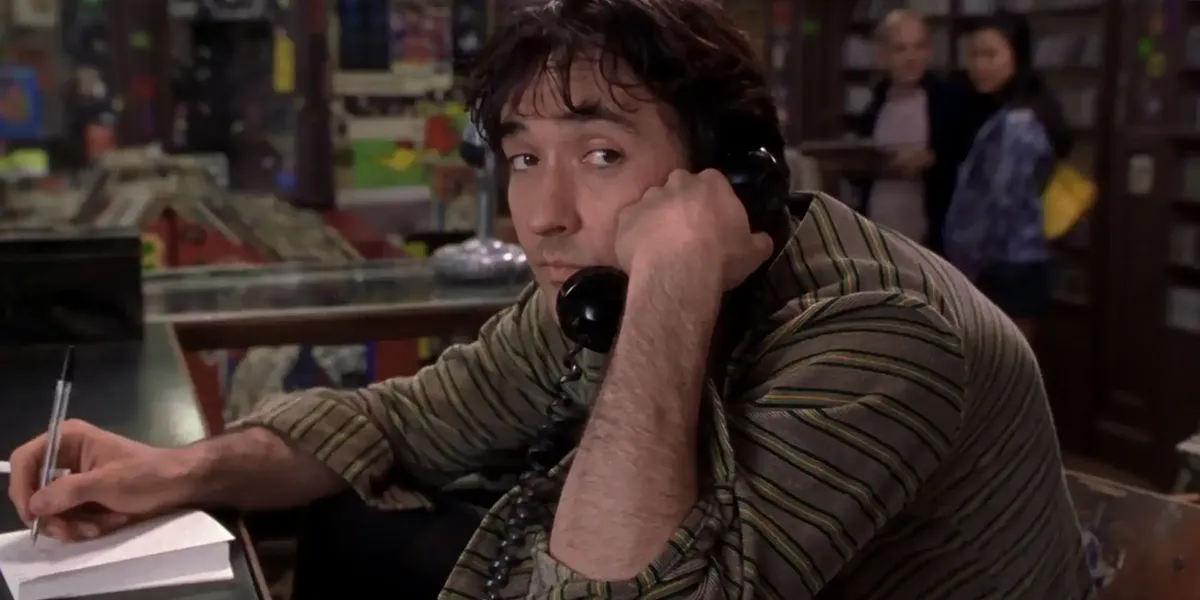
John Cusack plays Rob Gordon, a man-child music nerd who copes with his latest breakup by analyzing his “Top Five Most Memorable Heartbreaks.”
But in the middle of his existential crisis, Rob gets a pep talk from none other than The Boss.
Let’s dive in.
– YouTube www.youtube.com
The Springsteen Scene
If you haven’t seen the film in a while, let’s paint the picture. Rob is lying in bed, wallowing, and wishing he could get some clarity on his romantic failures.
Suddenly, the frame shifts, and we see Bruce Springsteen sitting on a chair in the corner of Rob’s bedroom, casually strumming his Fender Telecaster.
It’s not a dream…ot’s kind of an alternate reality in the lead character’s head.
Springsteen talks directly to Rob, offering some gravelly, poetic advice on how to handle his exes.
It’s the perfect look into Rob’s mind and how he uses music to calm his worries and also increase his anxieties.
Now, as a screenwriter, I can tell you there has to be a ton of pressure on you not to make this scene seem hokey or goofy.
So, why does it work so beautifully in High Fidelity?
It’s an Externalization of Rob’s Internal Monologue
As screenwriters, our biggest challenge is finding ways to externalize internal thoughts without relying solely on tedious voiceover.
While High Fidelity uses a lot of direct-to-camera address, the Springsteen cameo elevates this idea and doesn’t feel like exposition because it’s delivered by a new character. This is advice from the authority on longing.
The Directing Choices Maintain the Magic Realism
Director Stephen Frears and cinematographer Seamus McGarvey don’t treat Bruce’s appearance like a massive spectacle or spooky entrance. The lighting stays moody and natural to the bedroom setting.
The camera pans casually from Cusack to Springsteen as if this is a completely normal Tuesday night. We understand that Rob’s imagination is also kind of his reality. And we’re forced to accept it.
Summing It All Up
The next time you’re writing a script and thinking about dropping a surreal moment or a cameo into an otherwise grounded story, ask yourself what makes it new and cool.
That sounds kind of basic, but it really does wind up mattering in terms of making your story stand out. This usage of Springsteen is perfect because it captures his ethos and fits so nicely in with the movie, which is kind of about how our fantasy worlds can ruin reality.
What’s your favorite film cameo in history?
Does High Fidelity make your Top Five?
Let us know in the comments below!