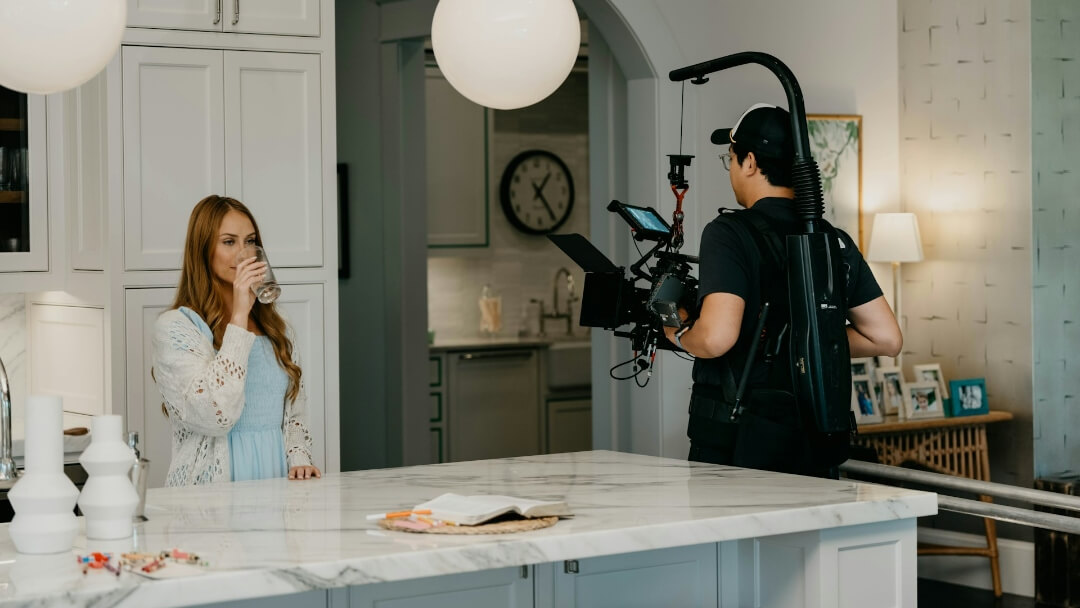
Set design can be such an intricate process, with each production having its own specific goals. Historical pieces typically aim for period-accurate and authentic buildings, while fantasy films create surreal backgrounds.
While these projects are challenging in their own way, simpler sets also require the same level of thought and planning. Learning how to make it a little more lived-in can help make the work look and feel more natural in the long run.
Why Go for a Lived-In Look?
Going for a homey space is different from choosing an interior design or adding furniture to a room. Here’s the power of creating a set that looks like people have settled in.
1. To Display Character Depth
The space where a character resides can tell you a lot about them. You can insinuate that the handmade pottery in their pantry suggests they’re more sentimental than they let on. A shelf full of fiction books suggests that a character is idealistic rather than just pragmatic. With a lived-in set, you can introduce many of these concepts to help describe what home is like to them.
2. To Set the Scene for Viewers
Showing a character’s home serves as a significant reveal at times. As a filmmaker, the goal is to make it as believable and authentic as possible. Ensure that the details are on point. Do you want this home to be a safe haven? Is it a more unsafe environment? What elements do you need to showcase that?
3. To Ensure Continuity
Continuity ensures realism. An infamous continuity error in Spider-Man occurs when a blue lamp remains intact throughout the movie, even though Peter Parker himself broke it in an earlier scene — this small continuity mishap can break the immersion for even the most loyal viewers. You can also commit a continuity error by making a set seem uninhabited, since it strays from the premise of your story.
How to Create a More Natural Lived-In Set
While people build and decorate homes in different ways, there are some common telltale signs that they’ve been residing there for a while. Here are the basic additions that can make a set feel more lived-in.
1. Use Already Old Materials
If you want to make a location feel well-loved, fill it with older items. You can collect discarded items from locals or go thrifting to find these belongings. Aside from giving them additional use, you’re collecting deals and possible keepsakes in the long run.
Remember to choose items at your own discretion, especially while on a limited budget. Just because a furniture piece looks like it’s got some wear and tear doesn’t mean that it’ll be instantly great for the set. Think about the scene and compare your options.
2. Showcase Photos Naturally
The most homey spaces usually have photos on display. And in filmmaking, it’s one of the easiest ways you can provide a visual story about a character’s background. Remember to frame and place the photos throughout the spaces.
Try to consider how the character would showcase the photos as well. For instance, you can hang frameless prints with clothespins on strings to bring life to the room for people who exhibit whimsy. Bonus points if you use string lights, since these offer additional, ambient lighting.
3. Antique the Mirrors
If you have any newer items that look way too new, consider aging them up with the power of antiquing. For instance, mirrors are more known for their ability to create the illusion of a larger space, but you can also tweak their appearance to achieve a more vintage look.
To do this, add paint stripper on the back to scrape off the coating. From there, spray on bleach and water on the back, preferably focusing more on the edges. This will create dark spots in the actual mirror that would mimic aging.
4. Check the Labels for Consistency
Make sure you check the products and their dates, especially if your film heavily focuses on the month, day and year it’s released. For example, if you want to feature old newspapers, make sure they’re all from the days before the stated date in the scene.
Food can be a great way to help make a set feel lived-in. That way, if everything is still new, it can take away some of the immersion. Don’t be afraid to incorporate some ripe fruits and vegetables or near-expiration snacks.

5. Consider the Color Palette
A lived-in space wouldn’t necessarily hold the same vibrancy as it did when it was freshly painted. Consider muting or adding layers of gray to the color palette to make the space look a little more worn.
Using a more muted version of your color palette can also buy into the perception that things become less vibrant as time goes on. It can come down to the science that older people’s brains feel less sensitive to vivid colors because their eyes no longer view them with the same intensity.
6. Clutter the Belongings
Homeowners, on average, have 25 things currently disorganized in their homes. Most people struggle to keep things in place within their homes. Use that fact to your advantage and add a bit of mess to make the home feel more realistic.
Keep in mind that the level of clutter should still depend on the characters in your story. If you’re trying to sell the idea that someone’s a neat freak, you shouldn’t make the space too disorganized, unless you’re trying to draw a comparison between them and other people in the home.
7. Make the Most Used Areas Feel Used
Add wear and tear details to the parts of the home that feel the most used. A 2023 survey found that 50% of people spend their awake time in the living room, but try to think back to your character and what spots they would use the most.
If you have a character who loves to cook, a spotless kitchen doesn’t sell the vision that they spend plenty of time in that space. Consider adding scratches or coffee rings around the counter. Appliances should look a little worn out.
Create a Set That Convinces People
Making a set feel lived-in can help build into the world you’re envisioning and trying to showcase. Try to look at the little details and tweak them to make it more convincing. By combining all these changes, you can become a master set designer and storyteller.

Related