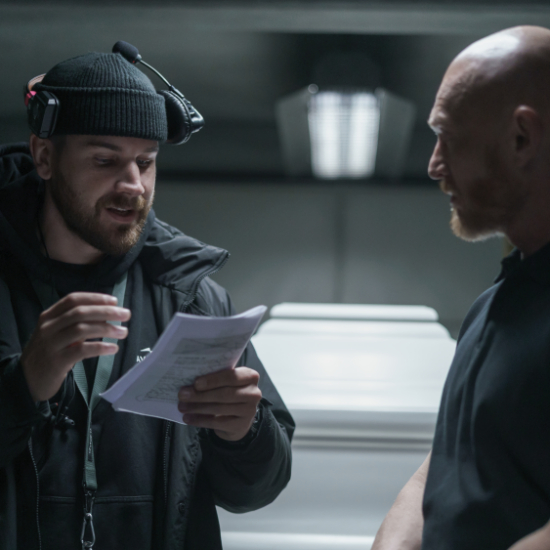

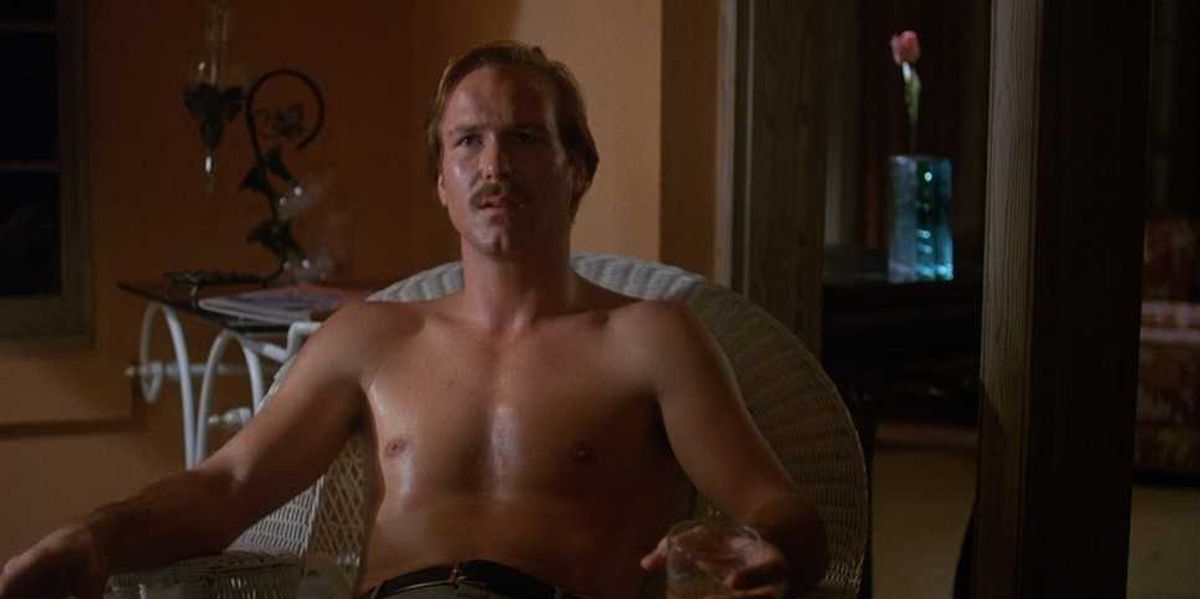
The Criterion Collection just dropped a 4K release of Body Heat, and with it comes a new interview with writer/director Lawrence Kasdan. And we always love learning from the greats.
This might sound familiar to fellow struggling artists. Kasdan spent seven years writing things that went nowhere before he ever got paid. He wrote The Empire Strikes Back and Raiders of the Lost Ark before he ever directed anything. His path to making Body Heat is full of lessons for filmmakers trying to get their foot in the door.
Check out Criterion’s interview here, then dive into what we can learn.
– YouTube www.youtube.com
Write More Than One Screenplay
Kasdan is pretty blunt about the learning curve.
“It’s easy to write the first screenplay. It’s really hard to write the third one. Usually, people who write the first one think it was pretty damn good, and they don’t understand why it wasn’t received that way in the world. But when you write the third one, you start to understand, what are people reacting to? What works? What are you doing right? What are you doing wrong?”
The first script teaches you that you can finish something. And that’s great. But finishing isn’t the same as understanding. Chances are, you don’t start with a masterpiece.
Understanding comes from repetition, from failure, from watching what lands and what doesn’t. If your first script didn’t open any doors, write another one. That’s the whole thing about being a writer.
Don’t Have a Backup Plan
This might sound reckless, but maybe being backed into a corner is what you need.
Kasdan’s original backup, teaching, evaporated when Vietnam War deferments flooded the job market. He ended up in advertising, then kept writing screenplays anyway.
“And as I used to tell young writers, I had no alternative plan. And that saved me because if you’re not thinking, ‘I’m going to get out of this ’cause I’m failing,’ it makes you much stronger about staying and keeping at it.”
As we all know, there’s some level of good fortune involved in Hollywood success. But it’s also about tenacity.
Kasdan says, “You can’t get lucky—which is really the key to Hollywood—unless you’re on the road, if you continued the journey. If you stop, there’s no luck. You can never get lucky.”
Keeping a safety net can also mean keeping an exit. At some point, you have to decide whether you’re actually doing this, and then actually do it.
Raiders of the Lost Ark Credit: Paramount Pictures
Writing Is How Writers Get to Direct
Kasdan was watching his peers closely and making a calculated bet.
“I had noticed that a lot of writers were beginning to get to direct, and they were my contemporaries. And I thought, this is how I’m going to do this. I’m going to get in there the way that Paul Schrader did, and John Milius and a lot of people who would never have had a chance to direct were able to get their foot in by writing.”
The logic holds today. If nobody is handing you a directing opportunity, write something so specific to your own sensibility that the only logical person to direct it is you.
Your screenplay can be your proof of concept, your pitch, and your job application, all at once.
Directing Isn’t About Technical Knowledge
Before Body Heat, Kasdan told George Lucas he felt “deficient” in technical knowledge. You know, lenses, cameras, the mechanics of production.
Lucas’ response stopped him.
“Directing has nothing to do with the technical aspects of it. It’s all about what kind of person you are.”
Kasdan said it “releases you from a lot of your insecurities.” He added, “If you believe that, well, I can’t change what I am, but obviously what I am has been drawn to this discipline, which is very difficult, hard to get into. And yet I’ve kept trying.”
We’re not advocating for technical ignorance or anything. It’s beneficial to understand how a camera works and why shots are constructed the way they are.
But a lot of first-time directors freeze up, worrying about the wrong things. The technical stuff is learnable on set. What you observe about people, how you think about behavior, and story are what actually shape your film (and make you valuable as a director).
 Star Wars: Episode V—The Empire Strikes Back Credit: Lucasfilm
Use Your Leverage
After Raiders and Empire, Kasdan had something he hadn’t had before, and that was credibility as a director.
He told Criterion what actually gives filmmakers power in the room:
“Two things give you the power to be demanding. You’ve done something that everybody says, ‘Oh my god, that guy knows the magic.’ You have credibility. And the second thing is you have something they want to do.”
When Alan Ladd Jr. kept asking why he was turning down writing offers, Kasdan told him he wanted to direct Body Heat. Ladd couldn’t commit to letting him direct it, but paid him to write it.
“So once you were in, there were a lot of possibilities.”
Every project builds toward the next one. The goal isn’t just to finish the work in front of you. It’s to leave yourself somewhere useful when it’s done. Always be thinking about what you can do next and keep your creative brain running like an engine.
The Industry Has Changed, but the Fundamentals Haven’t
Kasdan doesn’t romanticize the old Hollywood, but he mourns something specific about it. Studio heads who ran things on instinct (“singular, difficult, awful, some of them,” he says) had a quality the algorithm era can’t replicate. They hired talented people and fought with them.
“That fight created some of the best movies ever made.”
The rise of “statistics and algorithms and technology” has now replaced that friction with engineering. None of that changes what makes a script worth fighting for in the first place, though. The market shifts. The instinct that draws an audience into a story, and keeps them there, hasn’t.
What’s your favorite Kasdan film?
From Your Site Articles
Related Articles Around the Web