
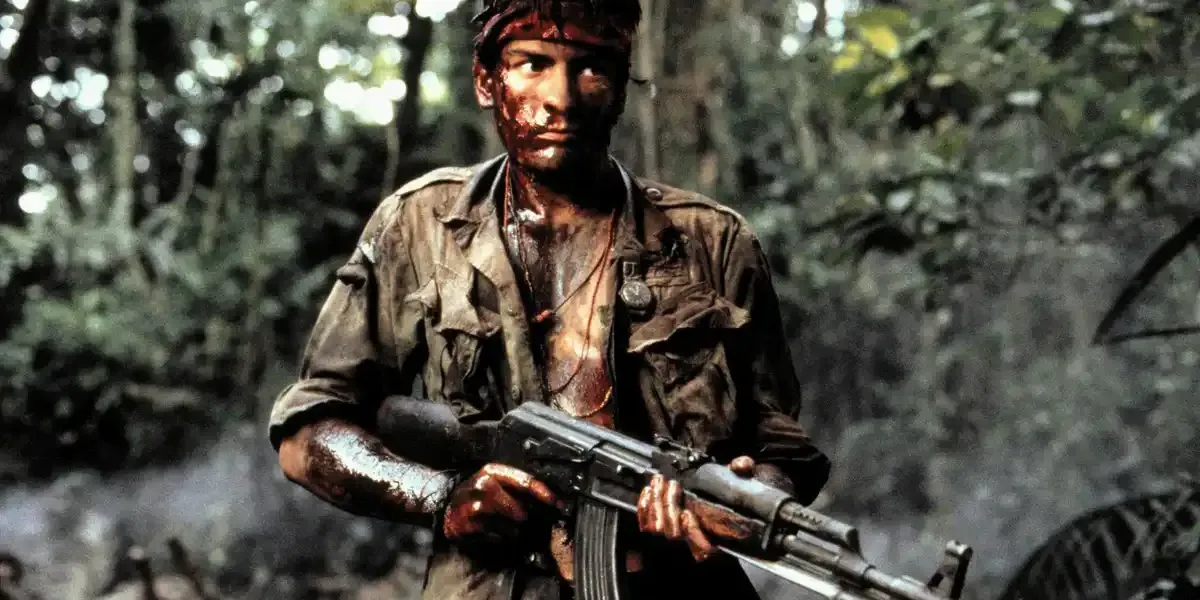
I grew up thinking war movies were all these rah-rah escapades that glorified clean uniforms, flag-waving heroes, and clear-cut victories. And then I saw Oliver Stone’s Platoon.
That movie shook me to my core and showed me a war that had no heroes and a loss of life that felt like there could never be another victory.
Platoon was released in 1986 and wasn’t just another action flick. That’s sort of what I thought when I rented it as a young person, but I was very wrong; it was a seismic shift in how Hollywood handled war in general, and a total deconstruction of the hits I had already seen.
When the American Film Institute (AFI) updated its 100 Years… 100 Movies list, Platoon solidified its place in history at #86. To this day, it is one of the most visceral experiences ever put to celluloid.
Let’s dive in.
– YouTubewww.youtube.com
The Veteran’s Experience
Oliver Stone had firsthand experience in battle. He was a veteran of the Vietnam War himself, so Stone brought a level of “dirt-under-the-fingernails” authenticity that had been missing from the genre at the time.
Stone saw a lot of horrors at war and brought them home and turned them into this story. For filmmakers, this is the ultimate lesson in Point of View.
When you watch this movie, you can feel the intimacy in the direction.
Stone doesn’t look at the war from 30,000 feet; he keeps the camera low, in the mud and the rain, making the jungle feel less like a setting and more like an antagonist.
We’re right there with the soldiers trying to discern enemies and shadows.
And trying to figure out who on our own side will tear us apart.
Elias vs. Barnes
What sets this movie apart from all other war movies is that we have a central story of two Americas fighting each other.
And you have compelling character archetypes covering both of them.
Stone famously structured the film as a battle for the soul of the protagonist, Chris Taylor (Charlie Sheen).
On one side, you have Sergeant Elias (Willem Dafoe). He’s the “good father” who clings to his humanity. On the other hand, you have Sergeant Barnes (Tom Berenger), who’s the “scarred father” who has let the war turn him into a monster.
Chris has to choose between the two, and believe it or not, there are pros and cons to each side.
But he knows neither can really keep him safe from the enemy.
And yet…who’s more dangerous than the man next to you?
Platoon shows us that the most dangerous enemy isn’t the one in the bushes; it’s the one wearing the same uniform as you. It’s a masterclass in internal vs. external conflict that keeps the stakes sky-high even when no shots are being fired.
‘Platoon’ Credit: Orion Pictures
A Lesson in Iconic Imagery
From a technical standpoint, Platoon is a foundational text in cinematography and visual storytelling.
At the center of this movie is one of the most iconic shots of all time. It’s of Willem Dafoe running out of the jungle, falling on his hands and knees as bullets riddle his body.
It’s not just a cool shot; it’s a wordless encapsulation of the whole theme of the movie: loss and the death of innocence. By pairing Robert Richardson’s sweeping handheld work with the haunting “Adagio for Strings,” Stone used diegetic and non-diegetic sound to turn a combat scene into a religious experience.
We’re seeing a guy transported to heaven after going through hell. And all the rest of the soldiers watching see death as this release, and know they’re in the worst place imaginable.
As filmmakers, we often over-rely on dialogue to explain the stakes.
Platoon reminds us that a single, perfectly framed image can tell a whole movie’s worth of story in five seconds.
Why You Should Care
I think everyone should try to know about great movies. And if you haven’t seen everything on the AFI list…you should.
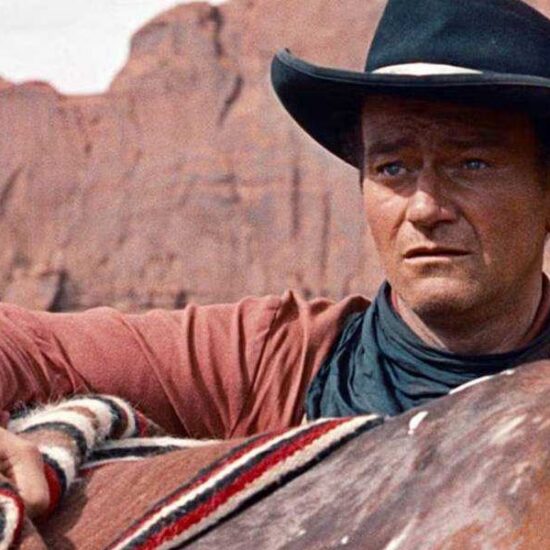
Oliver Stone was a pioneer who used his own trauma to redefine a genre. He moved away from the “John Wayne” style of heroism and leaned into the “Revisionist War Movie.”
I love the Roger Ebert review of the movie, where he talks about the depth and the actual anti-war stance we get here with no heroes.
Stone is confronting war crimes, internal rot, and the sheer randomness of death without offering the audience an easy way out.
So, if you’re looking to level up your storytelling or want to see why people are still talking about this movie, check it out.
Summing It All Up
What do you think? Does Platoon still hold the crown for the best Vietnam film, or has Full Metal Jacket or Apocalypse Now taken the lead in your book?
How do you reconcile the morality tale at the center of the movie?
Let us know in the comments.