
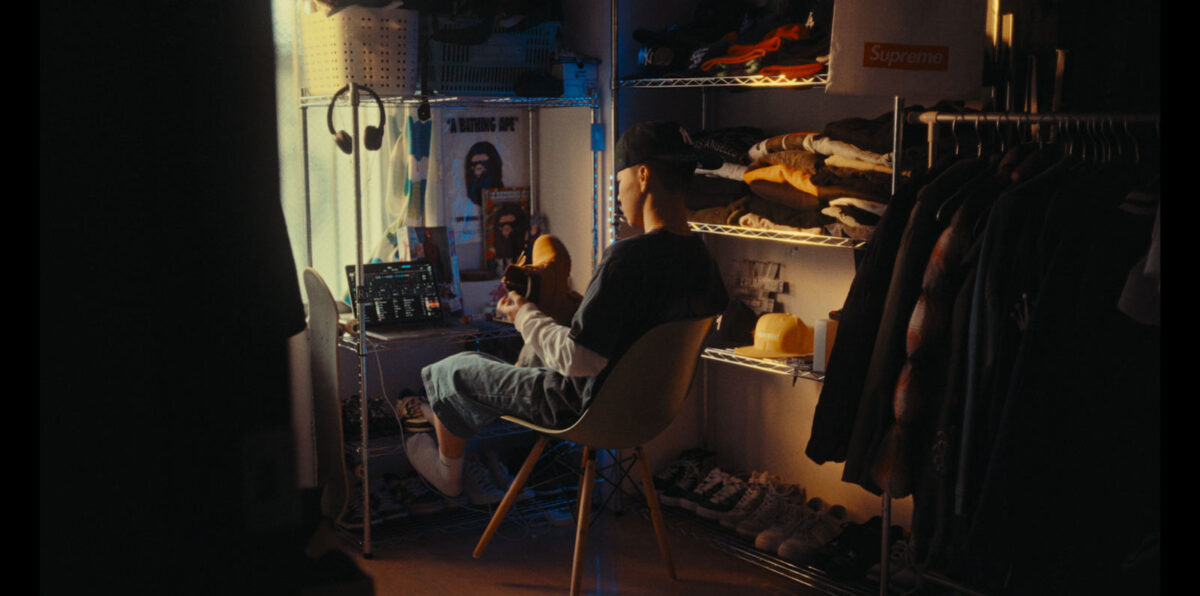
A Quiet Storm follows a family in suburban Tokyo where a mother’s attention is spread across two sons with vastly different needs. The film centers on one teenager’s internal battle to find himself within that imbalance of needs.
Maïto is a Japanese teen and a prodigy at krumping, the freestyle dance form built on explosive, exaggerated movement—stomps, chest pops, arm swings. In suburban Tokyo, he competes in freestyle dance battles. His mother coaches him. He’s been dancing seriously since childhood, and krumping is his way of expressing things he can’t articulate anywhere else.
His younger brother Ayumu has developmental challenges and requires most of their mother’s attention. She homeschools both boys and tries to raise them as normally as possible in this tenuous balance. Maïto learned early in life to need less, to be independent, and not to demand much. This apparent imbalance weighs heavily on Ayumu’s mother. She supports him, worries about him, and splits her attention between two sons in a way that never quite equals enough.
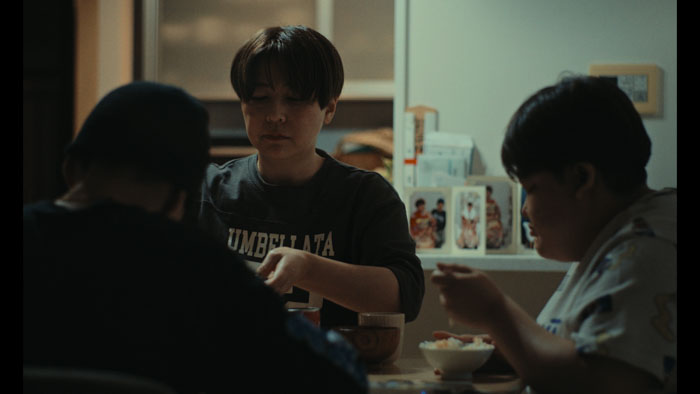
“He’s been dancing seriously since childhood, and krumping is his way of expressing things he can’t articulate anywhere else.”
One could argue that Maïto struggles to be seen at home, and krumping is a way for him to stand out in front of the crowd and on his own terms. Dance is all on Maïto. This is his passion, and this is how he chooses to express himself. He’s invested so much of his life into it that the young Maïto finds himself able to compete amongst the best in Japan.
Benjamin Nicolas found the film’s story in his own daughter’s need to move and express what she couldn’t say—raw, unfiltered, and through krumping. That led him to an eight-year-old Maïto on YouTube, dancing with the same urgency, but against a backdrop where Japan values order and silence above all else. What really got him, though, was a Zoom call with Maïto’s mother, Itsuka, that hit him emotionally. He realized the story was never really about krumping—it was about the silent dialogue between mother and son, where every sacrifice and glance holds pages of unsaid things.
I can only imagine what it’s like to raise a developmentally challenged child as a single parent. What we see in A Quiet Storm is a mother who so desperately wants to do right by both her children and is stretched to her limits to make that happen. On the other hand, Maïto understands the pressure his mother is under and, by necessity, chooses to become an independent adult way too soon.
That’s just it. We need to hear stories of individuals and families who refuse to be defined by their adversity, but instead overcome adversity as a way to define their character. A Quiet Storm does exactly that and needs to be seen. Plus, the krumping is exceptional, and be sure to stay to the end.