
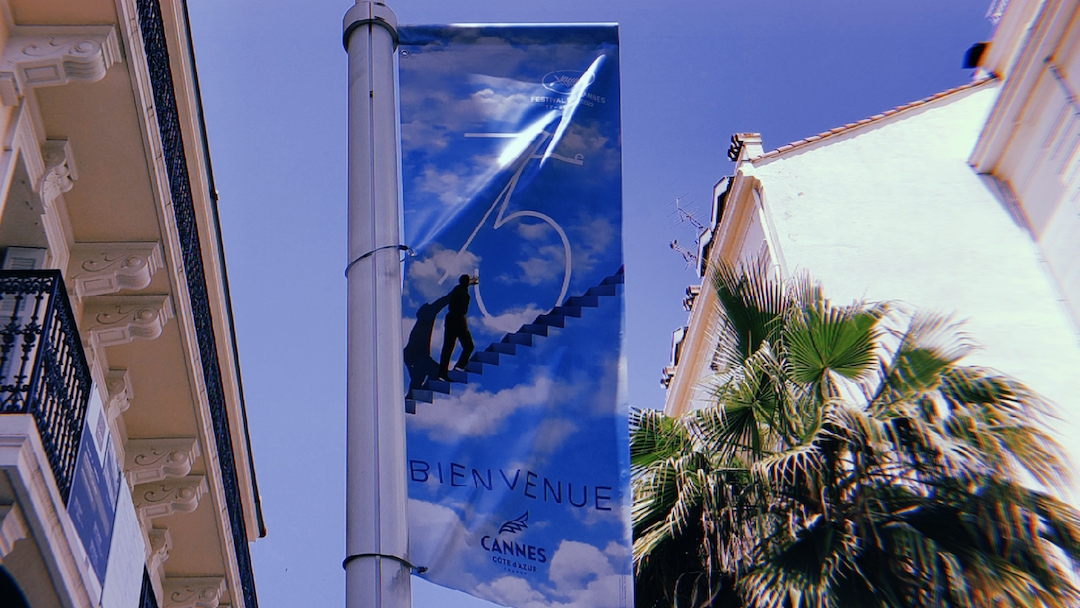
Cannes Film Festival attracts thousands of filmmakers, producers, sales agents, influencers, journalists, and hopefuls every year. Most first-timers arrive thinking it’s about glamour.
It isn’t.
It’s infrastructure. Power. Timing. Relationships. Endurance.
Here’s what first-timers almost always get wrong.
1. They think it is a film festival first
Cannes is a marketplace disguised as a festival
Yes, films premiere there.
But underneath that is an enormous ecosystem of sales deals, distribution negotiations, financing conversations, co-production meetings, press positioning, and career signaling.
A first-timer often spends too much time chasing screenings and not enough time understanding why people are actually there.
The smartest people in Cannes are often nowhere near the red carpet.
They are in hotel lobbies making deals.
2. They underestimate how exhausting it is
Cannes destroys people physically.
- You walk constantly.
- You network constantly.
- You sleep badly.
- You drink too much if you are not careful.
- Meetings start early and parties end at 3am.
After three days, many first-timers become useless because they treated Cannes like a holiday instead of a campaign.
Veterans pace themselves.
3. They think access equals opportunity
- Getting into a party means nothing.
- Being photographed means nothing.
- Standing beside someone important means nothing.
The question is:
- Did you build a relationship?
- Did you move a conversation forward?
- Did anyone remember you the next morning?
Too many filmmakers collect wristbands instead of building strategy.
4. They pitch too early and too badly
One of the biggest mistakes at Cannes is ambushing people.
Executives hear terrible pitches all day long.
First-timers often launch into a 12-minute explanation of their screenplay before establishing trust, relevance, or context.
A better approach:
- Start conversations.
- Ask questions.
Understand what the other person actually needs.
Then position your project intelligently.
5. They arrive without clear goals
Bad Cannes strategy:
“Network.”
Good Cannes strategy:
- Meet 5 sales agents working in contained thrillers
- Find 3 producers interested in UK/Canada co-productions
- Build relationships with genre distributors
- Secure 2 follow-up Zoom meetings after the market
- Learn how films in your budget range are actually selling
Without targets, Cannes becomes chaos.
6. They ignore the market realities
Many first-time filmmakers arrive believing passion alone matters.
Cannes can be brutally clarifying.
You quickly discover:
- which genres travel internationally
- which budgets scare buyers
- which casts trigger financing
- which films are impossible to market
- how oversupplied the industry really is
For some filmmakers, Cannes is inspiring.
For others, it is an existential crisis.
Usually both.
7. They spend money trying to look successful
Huge mistake.
People bankrupt themselves in Cannes trying to perform status.
- Luxury rentals.
- Designer outfits.
- Expensive dinners.
- VIP access.
Meanwhile, experienced producers are closing deals over coffee in quiet corners.
Real power in Cannes is often invisible.
8. They forget follow-up is where value happens
Most Cannes meetings lead nowhere immediately.
The real work starts after the festival.
- Follow-up emails.
- Decks.
- Screeners.
- Zoom calls.
- Introductions.
If you do not follow up properly, Cannes becomes expensive theatre.
9. They do not understand hierarchy
At Cannes, hierarchy matters.
- Who introduces you matters.
- Where you meet matters.
- Context matters.
Cold approaches can work, but warm introductions change everything.
A respected producer saying:
“I think you should meet this filmmaker”
is worth more than 100 random conversations.
10. They confuse visibility with career momentum
This is the biggest mistake of all.
Cannes can make people feel important for a week. But careers are not built on proximity to glamour. They are built on sustained work, relationships, positioning, and finished films that can survive the marketplace.
The people who benefit most from Cannes usually arrive with:
- clarity
- discipline
- realistic expectations
- strong positioning
- and projects designed for actual audiences
Not fantasies.
Because Cannes does not magically create careers. It amplifies what already exists.
Scrub on your networking skills before Cannes with our course Power of Networking and then show of those expertise at our Villa Party.
Photo Credit: Bertie Watson
I founded Raindance Film Festival in 1993 because the British film industry was closed, polite, and congratulating itself while shutting new filmmakers out.
I co-founded the British Independent Film Awards in 1998 because British indie film deserved more than a shrug, a pat on the head, and a Tuesday night screening.
Raindance didn’t start as a brand.It started as a rebellion — film training without gatekeepers, a festival without permission, and a community built by filmmakers who weren’t waiting to be invited in.
Later, we took it global — Toronto, Vancouver, New York, LA, Berlin, Brussels — because independent film doesn’t belong to one city, one class, or one accent.
I’ve produced 700+ short films and seven features, including Deadly Virtues (2014) and ALICE, which won the SXSW Grand Jury Prize (2019) not because someone “discovered” us, but because the work earned its place.
I’ve written three books used by filmmakers worldwide because too many courses taught compliance instead of survival.
In 2009, I was awarded a PhD for services to film education, ironic, given that most of my career has been about tearing down the rules that education insisted you follow.
I don’t believe in waiting for permission.I believe in making work, building systems, and forcing the industry to catch up.
Specialties: Independent Film (the real kind) · Producing · Writing · Film Education · Festivals · Breaking Broken Systems
Check out my new Substack for in depth Free Articles:
Related