
Last Updated:
The black and white Bengali film against the backdrop of the 1930s India under British rule was not allowed to release.
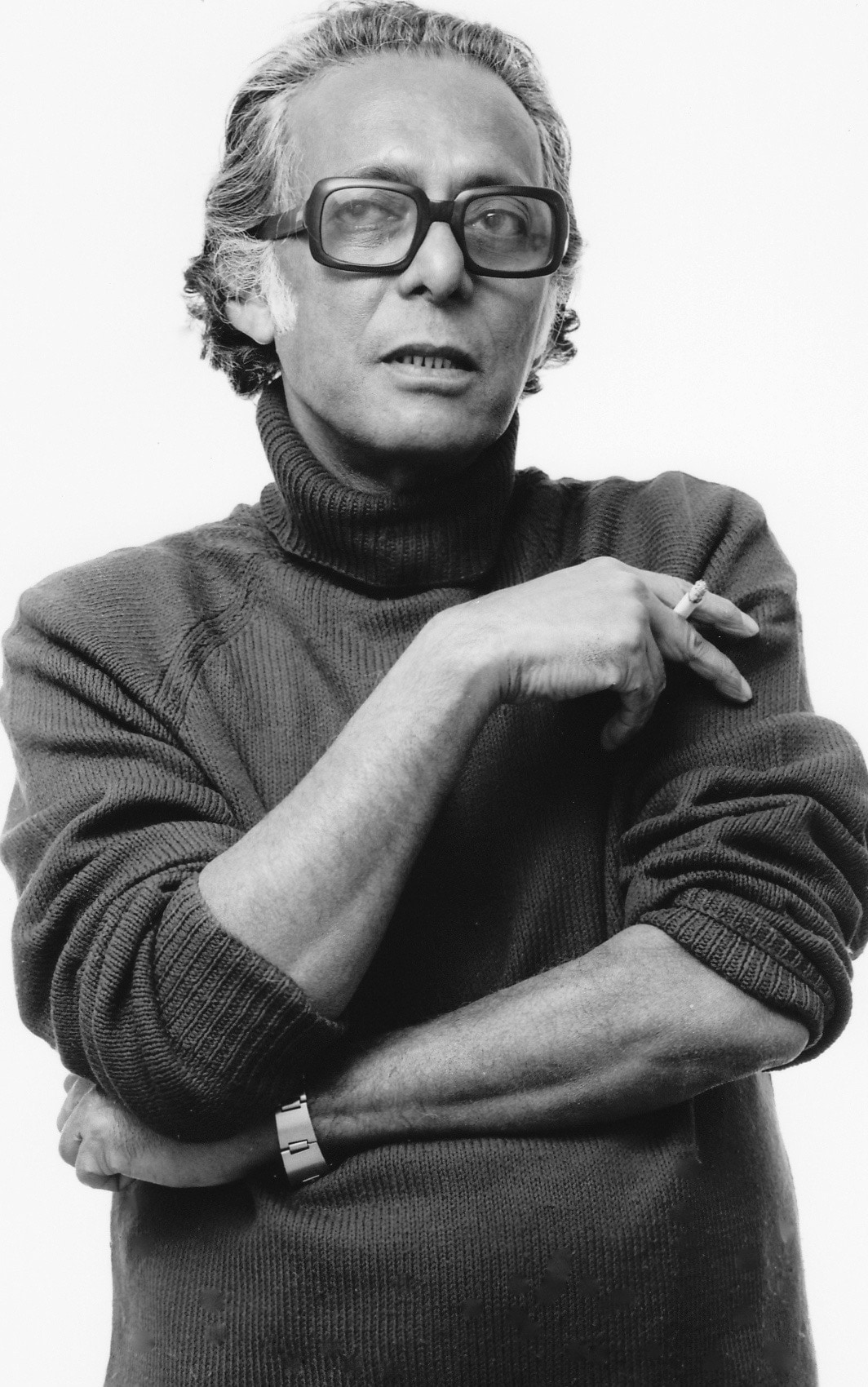
Mrinal Sen’s 1959 cult classic ‘Neel Akasher Neechey’ was the first film to be banned in Independent India. The black and white Bengali film against the backdrop of 1930s India under British rule was not allowed to release as it explored an India where the rich and socially progressed class did not have any sympathy towards the disadvantaged despite living under the same roof. (Image: IMDb)
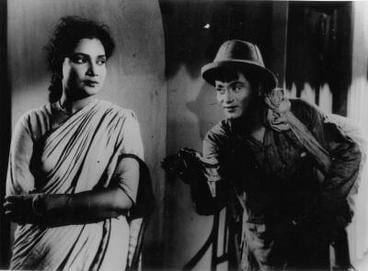
‘Neel Akasher Neechey’ narrated the freedom struggle against the backdrop of the socio-economic abyss among Indians. The story revolves around the bond between a housewife and a street vendor. It was banned for its highly political overtones. (Image: IMDb)
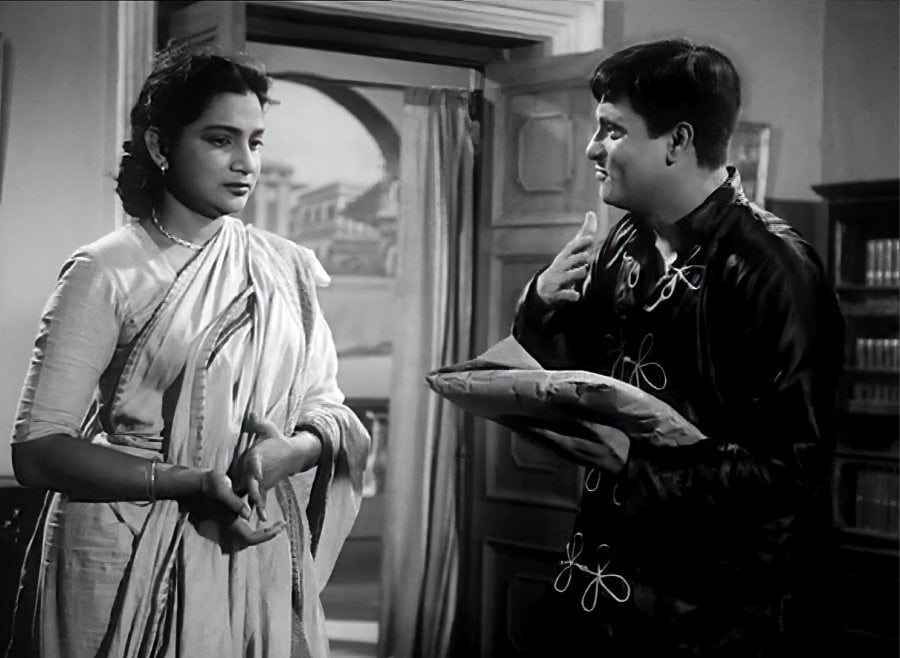
The film is based on Hindi poetess Mahadevi Varma’s short story ‘Chini Pheriwala’ (The Chinese Hawker). When Hemanta Mukhopadhyay complained to the then PM Jawaharlal Nehru, he not only immediately ordered to lift the ban but watched the movie with him. (Image: X/@yansan)
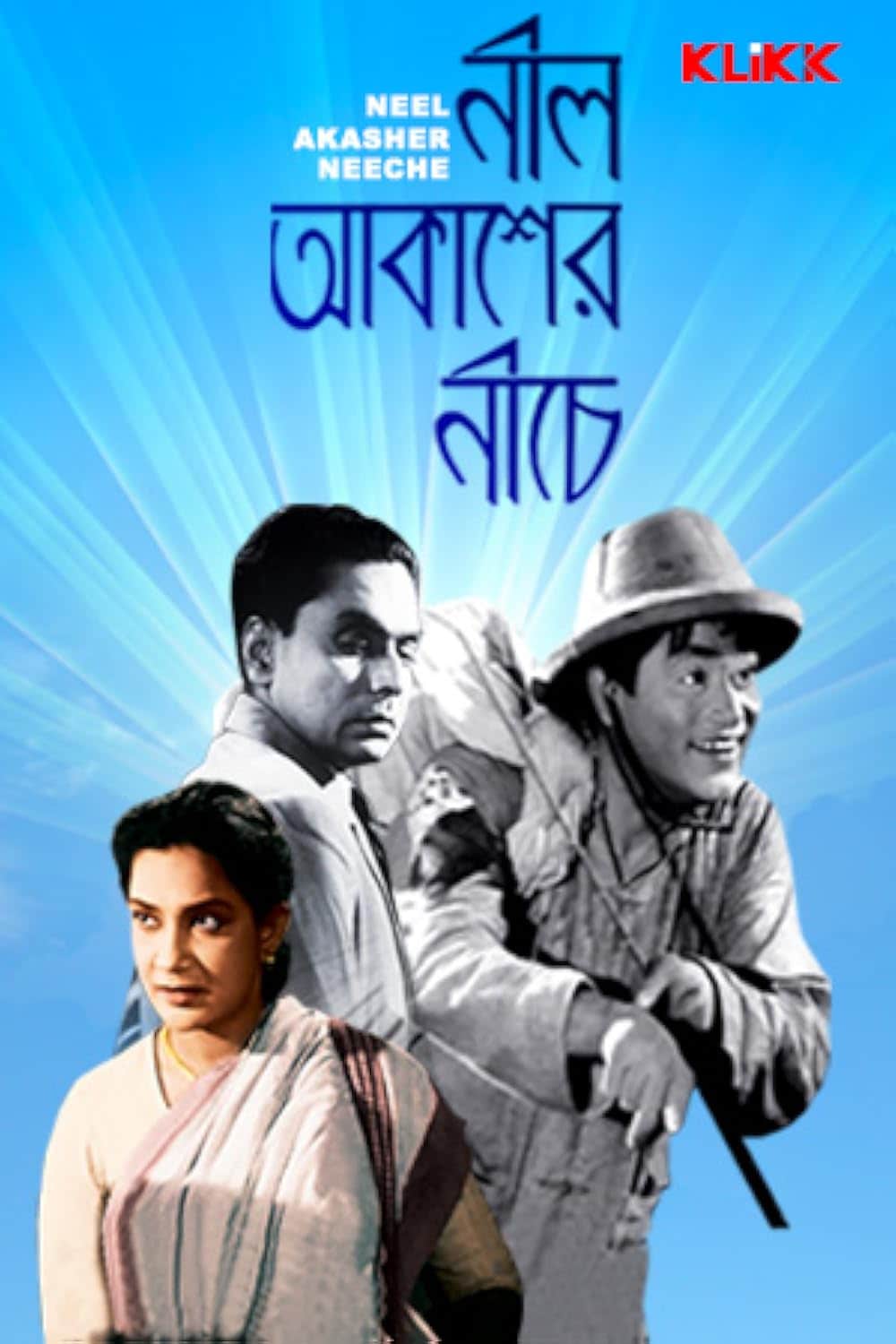
The film depicts the story of a poor Chinese hawker named Wang Lu selling his merchandise- China silk, in the streets of Calcutta in the turbulent 1930s. The era was a much difficult period for the India as well as for China. (Image: IMDb)
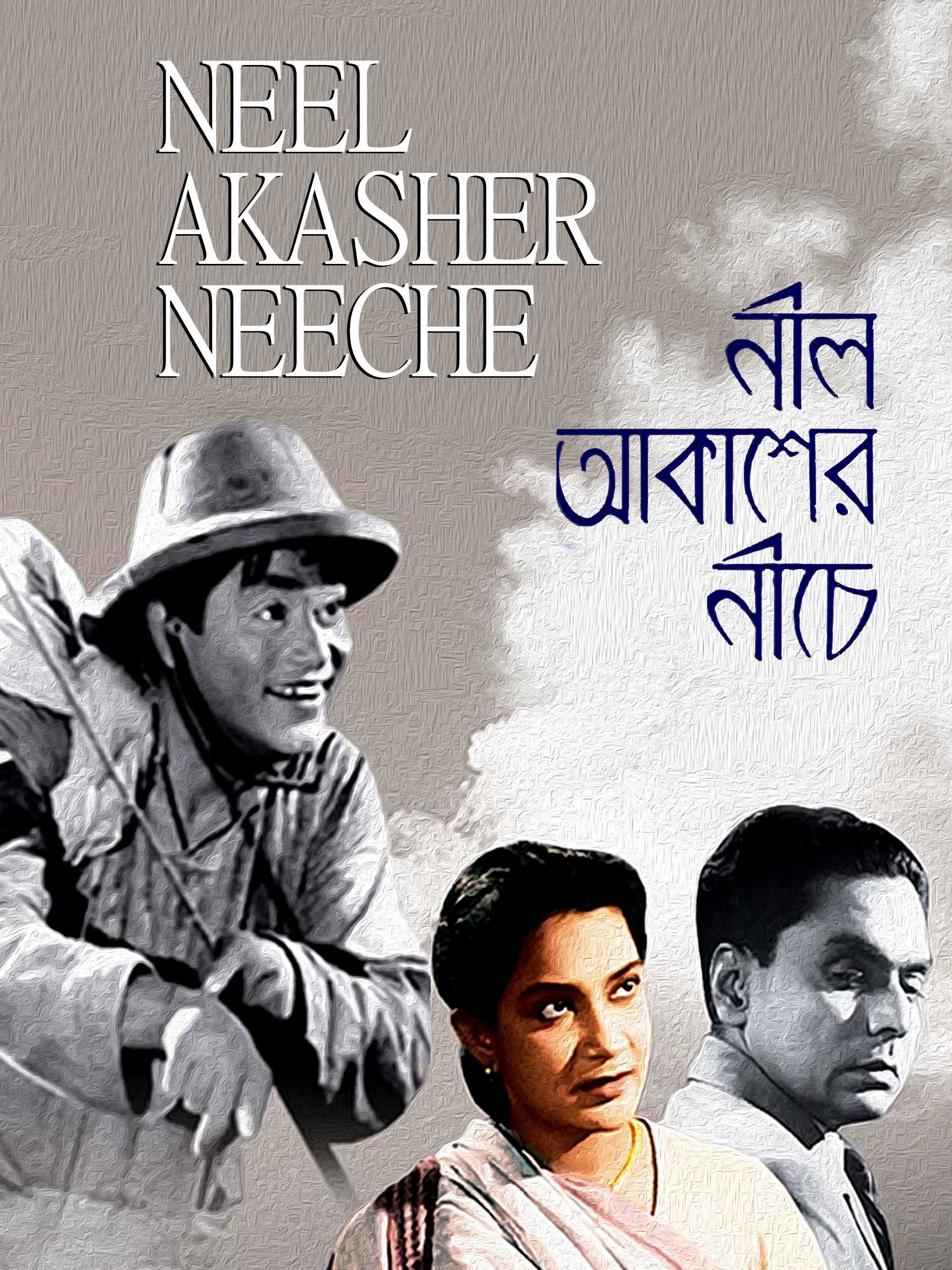
Reportedly, China was not only under extreme poverty but was also warding off the brutal attack of the militarist Japan. At that time, many Chinese workers left their homeland in search for jobs and many of them came to Calcutta. (Image: IMDb)