
Warning! Spoilers ahead for Spider-Man: Brand New Day!In just two weeks, Spider-Man: Brand New Day has become one of the biggest movies of all time. The film has laid a lot of groundwork for the future of the MCU, particularly the arrival of the X-Men with the introduction of Sadie Sink’s Jean Grey. With all eyes on how Spider-Man’s latest adventure sets up the future of his own franchise, the X-Men reboot, and even the next two Avengers movies, Brand New Day also teases the next step for one of the MCU’s longest-established heroes: The Hulk (Mark Ruffalo).
The Hulk has been part of the MCU since the beginning, as 2008’s The Incredible Hulk is the second film in the franchise and was released one month after Iron Man. The Incredible Hulk was notably reworked to distance itself from the psychological drama of Ang Lee’s 2003 movie about the green Marvel Comics legend. While the Hulk has made a great deal of progress in the MCU, albeit largely in the background of other characters’ films, the franchise has largely avoided depicting the character’s psychological torment. Yet 23 years later, Ang Lee’s Hulk and Spider-Man: Brand New Day combine to tease the arrival of a few of the Hulk’s other personalities.
Hulk’s Role in ‘Spider-Man: Brand New Day’
-
 Sony Pictures Releasing
 -
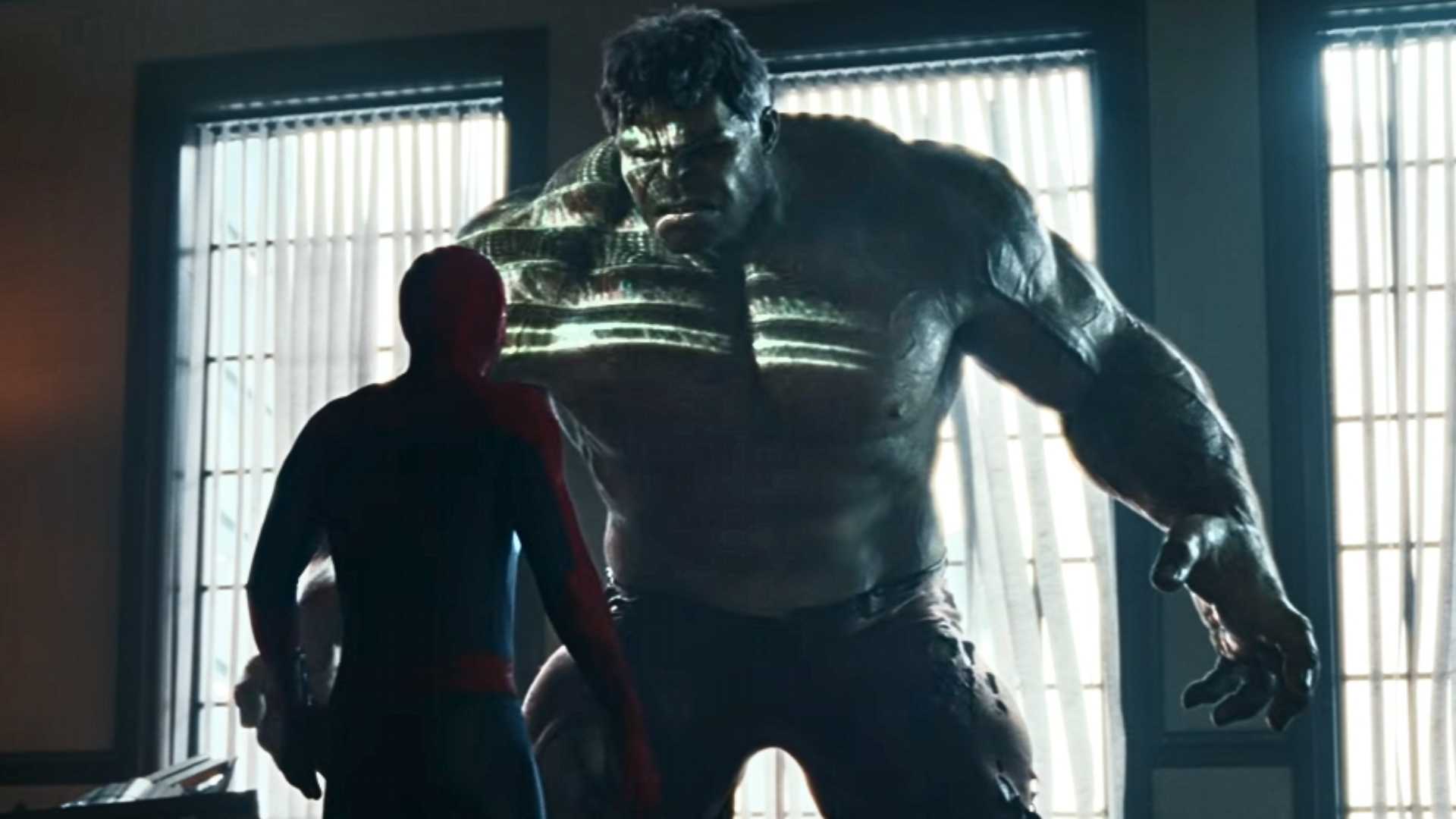

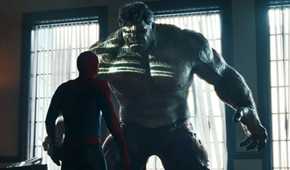
Spider-Man: Brand New Day sees Bruce Banner teaching at Empire State University, balancing his life as a teacher and a notable superhero, answering his class’ Hulk- and Avengers-related questions. He is wearing the inhibitor that was shown in She-Hulk: Attorney at Law, originally designed to help his arm heal. While the Disney+ series saw Banner ditch the inhibitor device after he healed, it seems his teaching deal requires him to wear it to ensure he remains in his human form.
Yet after Jean Grey takes control of Banner and his Professor Hulk form, something snaps inside of him. Even when Jean Grey loses control of Banner’s mind, it feels very much like she must have “broken something”, because Banner doesn’t seem to have the same mastery over the Hulk that he has had in prior Marvel films. This is the first time the MCU has shown Banner fighting against transforming into the Hulk since the Helicarrier in The Avengers in 2012.
After a fight with Spider-Man (Tom Holland) where the Hulk stops after seeming to remember Peter Parker, the angriest Avenger falls off the side of the Damage Control building. Banner is then seen being wheeled off in an ambulance, asking if he hurt anyone. A news report later in the film establishes that Banner has been taken to a psychiatric hospital, and this is the last reference to the character. The years Banner worked to restore his life seemed to end. But the line about Bruce Banner being in a psychiatric ward seems to set the stage for the MCU to revisit a comic-book concept about the Hulk’s multiple personalities.
The Hulk’s Multiple Personalities Explained
The idea of the Hulk having multiple personalities was first established by writer Peter David in The Incredible Hulk #339 in 1988. This was done to add new depth to the character and to explain a twenty-six-year-old comic nitpick. When the Hulk first debuted, he was grey and could speak rather fluently. Yet the comic printer had trouble maintaining the color grey, so with issue two the character’s skin was changed to the iconic green. Over the next few issues, more of the Hulk’s status quo would change: his transformation would no longer be triggered by the sunset but by anger, and he would lose his ability to speak.
David’s storyline established that the Gray Hulk and the Green Hulk were two distinct personalities. The Green Hulk would often be referred to as the Savage Hulk, while the Gray Hulk would adopt the name Joe Fixit and later become a Las Vegas enforcer. Over the years, Marvel has introduced other Hulk personas. There was the intelligent Professor Hulk, which the MCU has already adapted. There is also Doc Green, another intelligent version of the Hulk enhanced by Extremis, who is heavily alluded to as the younger version of Maestro, a future version of the Hulk who becomes a villainous conqueror.
These different Hulk personas stemmed from childhood abuse inflicted on Banner by his father in a storyline by writer Bill Mantlo. This becomes the centerpiece of Devil Hulk, who has since been retconned into the Immortal Hulk. This persona is a version of the Hulk that stems from Bruce’s desire for a protective father figure, and he originally took the form of a more reptilian monster in response to Banner’s self-hatred and the world’s treatment of him.
Peter David’s run on The Incredible Hulk was highly influential on filmmaker Ang Lee when he directed Hulk, as the Hulk was portrayed as Banner’s repressed childhood trauma bursting out after he witnessed his father kill his mother. Yet when the MCU rebooted the franchise with The Incredible Hulk in 2008, it opted to draw on the 1978 television series and Bruce Jones’ comic book run. Jones’ run lasted from 2001 to 2005 and was itself inspired by the man-on-the-run angle of the Bill Bixby and Lou Ferrigno TV show. After pulling so heavily from the television series, the MCU appears to be going back to the comics that inspired Ang Lee’s Hulk, though it has hinted at these elements before.
The MCU’s Past Hints at Banner and Hulk’s Other Personalities
The MCU has largely avoided the psychological exploration of the Hulk for a few reasons. The first is that, after Ang Lee’s Hulk, they wanted to emphasize the character’s action-fantasy element. The other is that because Universal Pictures still owns the movie rights for the Hulk, the MCU cannot give the character a solo film to explore these themes without their permission. But there have been hints throughout the MCU of something deeper going on inside Banner and the Hulk. 2017’s Thor: Ragnarok firmly established two distinct personalities between Banner and the Hulk, with the Hulk even growing in intelligence during his time on Sakaar.
Then 2019’s Avengers: Endgame introduced the Professor Hulk persona from the comics, but the movie adds a subtle, darker twist. Where Professor Hulk is a distinct personality separate from Banner and the Hulk in the comics, the MCU’s version seems to be Banner’s mind taking control of Hulk’s body. So what happened to the sentient Hulk persona? Has it been forced to watch through Banner’s eyes for nearly ten years in the MCU’s timeline? That might explain why the Hulk was so angry in Spider-Man: Brand New Day. Then there is She-Hulk: Attorney at Law, which establishes the most interesting wrinkle to the Hulk’s lore. Unlike Banner, Jennifer Walters (Tatiana Maslany) doesn’t lose control when she transforms.
The Disney+ series establishes that, because of Jen’s life experience living as a woman, she naturally has a greater sense of control over her emotions than Bruce does. One exchange between the cousins, though, rewrites the Hulk’s entire MCU history. When Banner is shocked that Jennifer is in control, he asks, “You don’t have another guy?” which she says she does not. This suggests that when Jennifer Walters, or later Thaddeus Ross (Harrison Ford) as the Red Hulk, first transformed, they only lost control at first because of the initial shock. Whereas Bruce Banner seems to lose control because of something inside taking over. This means the Hulk, as an entity, is unique to Bruce Banner and likely linked to something darker in his past.
How ‘Spider-Man: Brand New Day’ Sets up the Hulk’s MCU Future
-
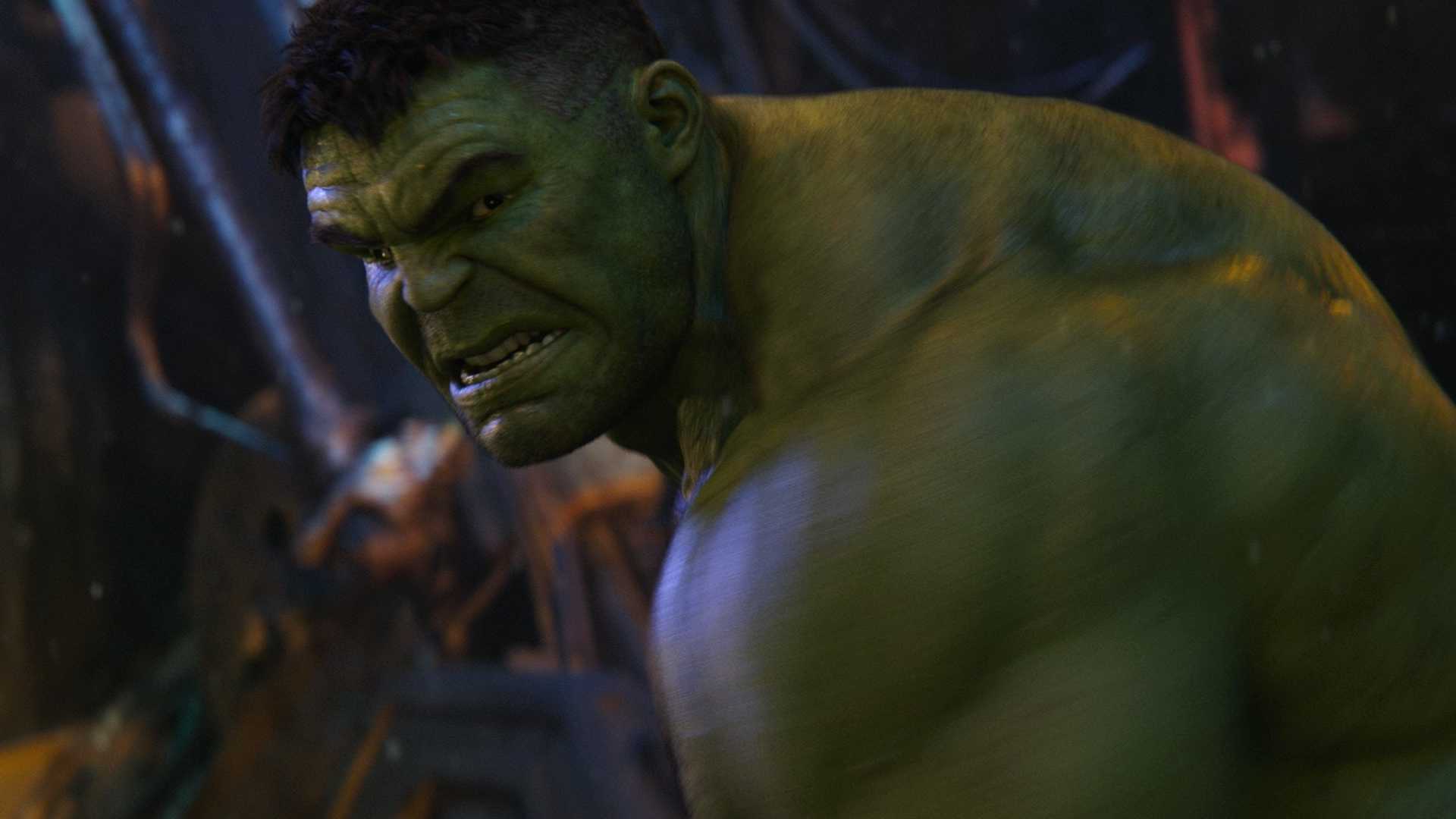
Mark Ruffalo as Bruce Banner/Hulk in Avengers: Infinity War Walt Disney Studios Motion Pictures -
 Marvel Comics
 -
 Marvel Comics
The Hulk’s MCU future is currently unknown. Mark Ruffalo is not part of the confirmed cast for Avengers: Doomsday, though it seems likely he will return in either that film or Avengers: Secret Wars. Yet the hint that the Hulk is in a psychiatric ward might be Marvel laying some groundwork for the MCU’s future, possibly even with Ty Burrell making his long-awaited return as Doctor Leonard Samson, who was introduced all the way back in 2008’s The Incredible Hulk.
Given the addition of She-Hulk, Red Hulk, and Bruce Banner’s son Skaar, the MCU is filling up with Hulks. An adaptation of World War Hulks (not to be confused with the Planet Hulk sequel World War Hulk), in which Banner’s Doc Green persona hunts down and de-powers the other Hulks, could make for an Avengers-level event film for the MCU’s next chapter. Maybe Banner snaps and one of his more villainous Hulk alter egos emerges, causing him to go on a rampage, forcing the Avengers, Fantastic Four, and X-Men to unite and stop him.
The MCU could even introduce the futuristic Maestro, possibly as a replacement for Kang the Conqueror. A powerful time traveler with Banner’s knowledge and Hulk’s strength not only gives Mark Ruffalo an interesting character to play but could theoretically be the next big bad for a few chapters of the MCU. Be it Maestro, Joe Fixit, or the Immortal Hulk, the MCU has plenty of places to take the Hulk in the future. 23 years after Ang Lee’s Hulk, the MCU might not be as afraid to explore the darker sides of the Hulk in the wake of Spider-Man: Brand New Day.

- Release Date
-
July 29, 2026
- Runtime
-
145 minutes
- Director
-
Destin Daniel Cretton
- Writers
-
Chris McKenna, Erik Sommers