
That volatile combination of pummeling instrumentals and strange, weaselly storytelling proved winning. Primus’ Bay Area cult following snowballed into a deal with Virgin offshoot Caroline Records for their studio debut, 1990’s Frizzle Fry, which established Primus as irresistible genre iconoclasts. All three musicians played virtuosically, and all three wielded their astounding dexterity to drag against the grain of pop appeal. This was music with both an archetypically ’90s slacker ethos (see “Spegetti Western,” a spacey jam about lazing in front of the TV in the wee hours of the morning while a Leone jaunt unspools) and an absolutely dizzying rate of notes per measure. Primus sank hard labor into their odes to chilling out.
They were an acquired taste from the start. For one, all the parts of the power trio were in the wrong place. Claypool’s bass didn’t serve as a bridge between rhythm and melody like the bass guitar typically does. It rocketed from one extreme to the other, slapped and tapped and strummed at speed, always and forever the center of attention and never relegated to support. LaLonde, for his part, didn’t lead with his treble licks so much as he floated miasmatically over Claypool’s volcanic ranges. Alexander could bludgeon and needle in turn, dropping into robust polyrhythms, slippery time signatures, and delicate hi-hats accenting the controlled chaos around him. No one player seemed to be actually driving this clown car.
Though it drew heavily on funk and soul, Primus’ overgrown sound, which always sounded far too busy to be generated by just three guys, rarely coalesced into what might reasonably be called a “groove.” It was all too agitated, too jagged, forever splintering off from itself, each rangy element connected by threadbare ligaments. Even the band’s Interscope debut, 1991’s Sailing the Seas of Cheese, only splashed a thin layer of lacquer onto an ugly, unruly beast. LaLonde’s squalls crashed headlong into Tom Waits’ distorted guest snarls on “Tommy the Cat,” one of only a couple Primus songs to glance off sex (and even then only through the perspective of an anthropomorphic tomcat), while Claypool’s wriggling, segmented bassline nosedived off cliffs for “Jerry Was a Racecar Driver,” an MTV-favored single about a racer dying young after driving drunk. Amid these cartoonish offerings emerged sensitive social commentary, too: the disarmingly earnest “American Life,” which sketched migrants and laborers growing disillusioned with the false promises of the United States, and the working-class call to arms “Those Damned Blue-Collar Tweekers.” All were toothy, seething numbers, and all were terrifically fun. Interscope signed Primus just as widespread hunger for weird, adrenalized, and mutable music kicked into high gear, and Sailing went gold.
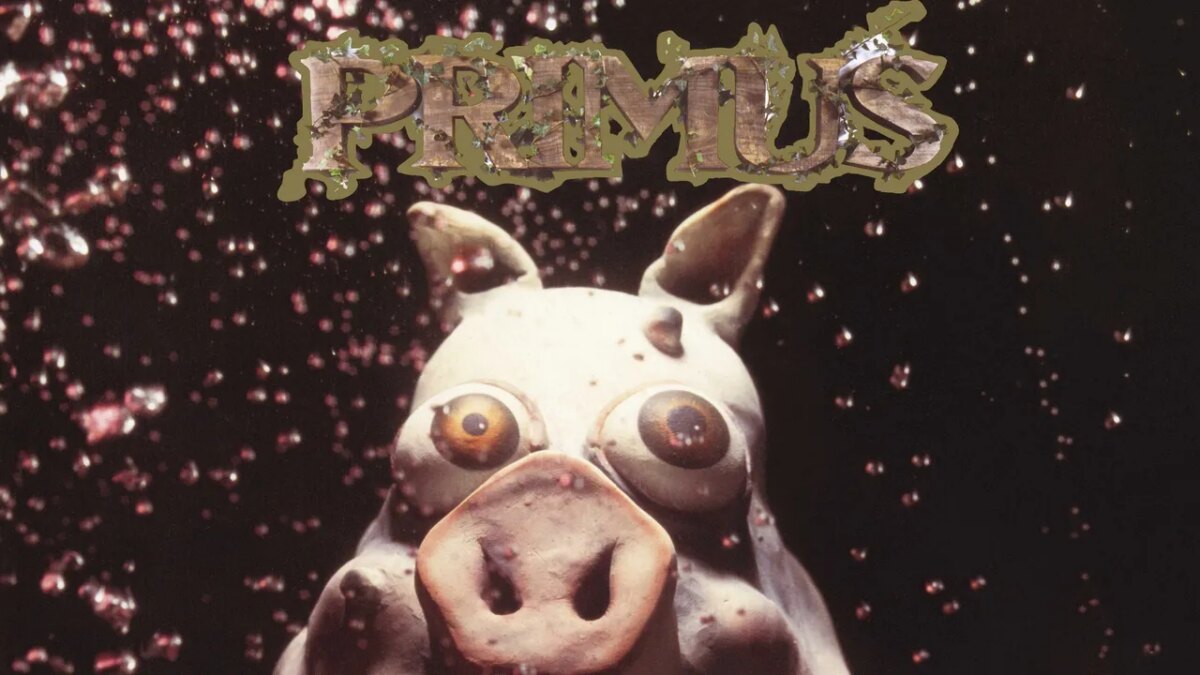
By the time they issued their third studio LP, Primus had amassed enough of a fanbase to debut at No. 7 on the Billboard albums chart, where they spent a healthy 34 weeks. Pork Soda, too, went gold in a jiffy, and platinum before the end of the decade, making it one of the weirdest and most upsetting albums to ever sell more than a million copies. Like the first two LPs, it was produced by the band members themselves, who opted this time to haul their gear into their rehearsal space and record there to save money on studio fees. With a more leisurely timeline and tighter control over their environment, Primus zeroed in on the sound they really wanted, which turned out to be much darker and boggier than what had come out of them in studios. If Sailing could slot easily beside a record like Faith No More’s The Real Thing—taut and metallic, expressive and immediate, unmistakably of its time and place—Pork Soda laid its ground by reducing elements until the negative space formed an architecture of its own. The most prominent melodies tend to juggle only two or three notes at a time, often over uncomfortably close intervals. You’d be hard-pressed to find another top 10 album with quite so many rests among its notes.